
CONTENT

Growing WeChat followers requires more than frequent posting or short-term promotions. With over 1.3 billion daily users and an increasingly algorithm-driven discovery system, WeChat follower growth now depends on content relevance, engagement quality, and ecosystem integration. This guide explains how brands and creators can increase WeChat followers organically and sustainably by aligning with WeChat’s recommendation logic, user behavior, and proven China-specific growth strategies.
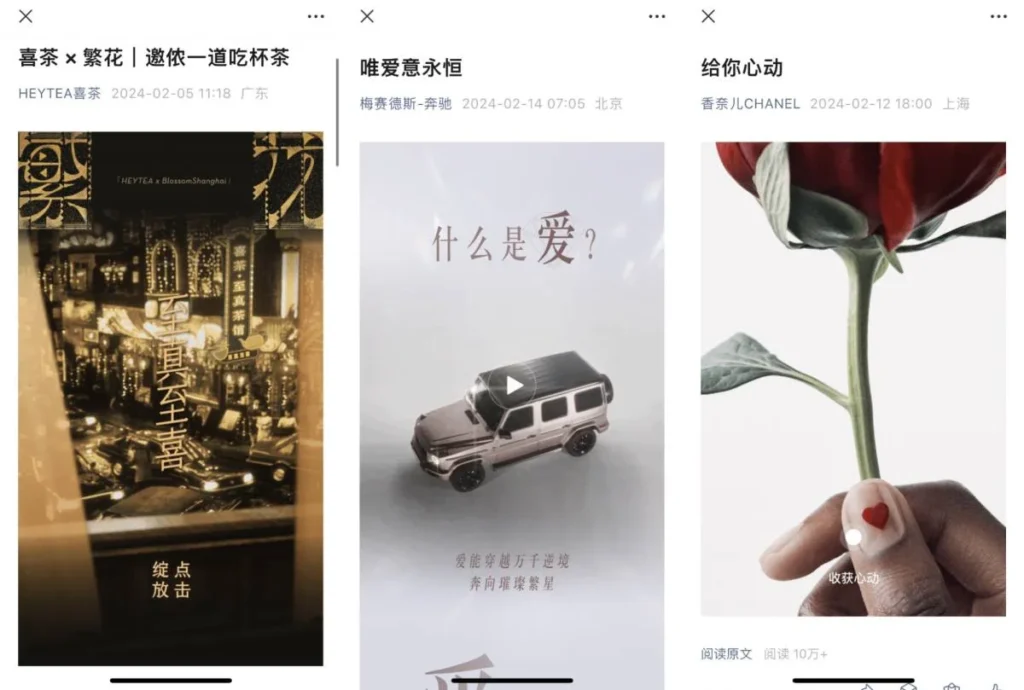
WeChat Official Accounts (公众号) are the backbone of brand communication within China’s digital ecosystem. They function as mini-websites within the WeChat app, allowing businesses to publish content, interact directly with users, and offer services such as e-commerce, customer support, and payments.
For brands, having an Official Account is essential because it:
In short, an Official Account is the foundation of a brand’s digital presence in China, where audiences expect to connect, learn, and shop without leaving WeChat.
Many official accounts stagnate because they lack a clear niche or distinctive value. Chinese marketing experts emphasize that the first step in audience growth is 明确定位—clarifying what you stand for and why users should care. A compelling UVP answers three questions:
When selecting a niche, avoid overly broad themes such as “life tips” or “entertainment.” Instead, focus on underserved topics or combine fields to create new intersections (e.g., traditional Chinese medicine + wellness retreats).
Establishing a consistent tone and visual identity helps audiences recognize your account in the cluttered feeds. Importantly, your UVP must deliver real value. The quality content aligned with the brand’s focus matters more than chasing viral traffic. Pursuing trending topics unrelated to your expertise may bring temporary views but can dilute your brand and cause follower churn.
By establishing a precise positioning and UVP, you lay the groundwork for organic follower growth because users will know exactly why they should follow your account and how it fits into their lives.
Pechoin, one of China’s oldest domestic skincare brands, relaunched itself by targeting younger consumers, leaning into its heritage while incorporating trendy design. Their WeChat content, styled “old brand meets new youth culture,” focused on stories rather than simply product pushes.
How this ties to the strategy: They clearly defined who they were targeting (younger Chinese women who appreciate heritage), what problem they were addressing (skincare plus identity/nostalgia), and why they were doing it differently (local brand legacy, refreshed visual identity).
Tip: When discussing positioning in the blog, insert this example immediately after the “who, what, why” bullet pointsto illustrate how legacy brands successfully reposition themselves.
Once your positioning is precise, quality content becomes the driving force behind growing your followers. Optimize titles and covers to address user pain points, using 7‑15 characters with key information in the first 7 to improve click‑through rates.
The engaging cover images, clean layout, and the provision of real value rather than clickbait. This aligns with WeChat’s recommendation algorithm, which penalizes misleading titles and rewards content that satisfies reader intent.
The quality of your headline directly influences open rate, while the depth of content and narrative structure impact completion and interaction. Use a three‑second hook, high “value density,” and interactive prompts to retain attention.
For instance, open with a compelling story or statistic; break the article into digestible sections; ask questions and encourage comments; and include visual elements such as charts or illustrations. Additionally, leveraging trending topics must be strategic: align them with your niche and provide unique insights rather than simply reporting news.
High‑quality content that resonates with your target audience not only increases followers but also improves key metrics that feed the algorithm, creating a positive feedback loop of discovery and engagement.
In this campaign, Givenchy partnered with influencer Mr Bags to launch a limited-edition handbag via WeChat. The content was high-quality (strong visual, storytelling) and tied to a clear launch moment.
Why relevant: It shows how formatting (visuals, limited edition story) + discoverability (timed launch, influencer-driven) combine to drive interest and followers.
Tip: Use this when you talk about “optimize titles/covers” and “value density”—contrast a generic article with this kind of premium, focused piece.
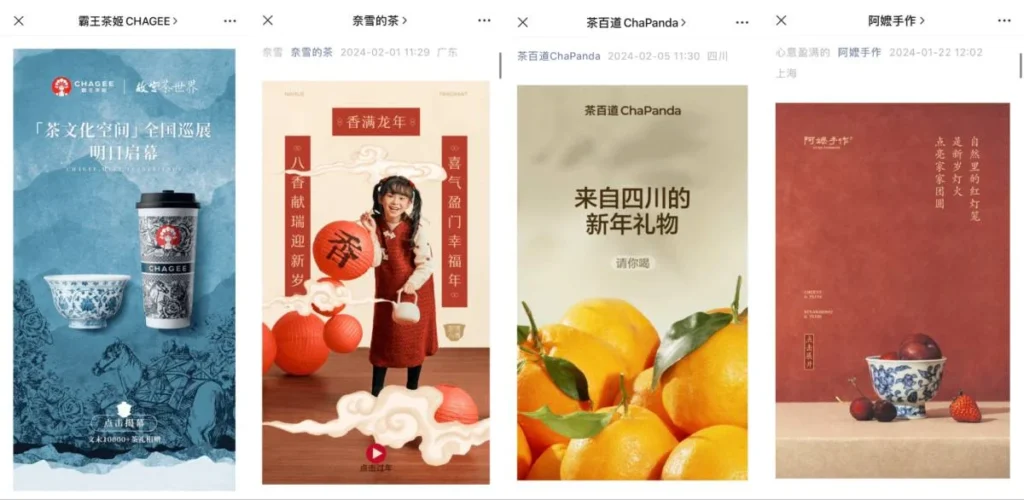
WeChat’s content distribution has shifted from a chronological subscription feed to a social + algorithmic recommendation model. Social recommendations (based on friends’ likes and shares) now surpass the subscription feed in importance. The system filters out fake likes and follow-for-follow tactics, so genuine engagement is crucial.
The algorithm relies on two primary mechanisms:
WeChat uses natural language processing to generate tags for each user based on reading and interaction history. It matches these with content tags derived from article keywords and topics. To increase the probability of a match, creators should focus on vertical niches, maintain consistent themes, and strategically incorporate keywords into titles and body text.
As noted, the open rate (40%), interaction rate (30%), share rate (20%), and completion rate (10%) are used in the algorithm’s evaluation. High bounce rates or low completion can limit future recommendations.
To leverage these mechanisms, consider the following tactics:
Understanding and aligning with WeChat’s algorithm ensures your content is surfaced to interested users, amplifying organic follower growth.
In 2025, communities (社群) continued to play a critical role in nurturing loyal followers. A five‑step process for effective group operations: clarify value proposition, define entry mechanism, develop content strategy, set management rules, and monitor data. Let’s unpack these steps:
Once the group is established, interaction drives its vibrancy. Encourage members to share experiences, answer each other’s questions, and co‑create content. Offer incentives such as exclusive downloads, coupons, or early access to products.
Periodically feature active members to give recognition. Building a thriving community not only deepens loyalty but also creates a pool of engaged advocates who will share your content, thus attracting new followers.
Starbucks in China leveraged its WeChat ecosystem (official account, mini-program, and WeChat groups) to create an “offline meets online” community, featuring coffee tasting events, barista interactions, and loyalty programs via WeChat groups.
Why it fits: It exemplifies how community (社群) isn’t just a chat group — it’s structured, value-rich, with clear entry, content strategy, and engagement.
Tip: When explaining communities in the blog, show how brands turn followers into “members” rather than passive readers — this Starbucks case is ideal.
Active followers are more likely to share content and recommend your account. Designing systematic interaction mechanisms, such as encouraging comments, likes, and organizing activities like quizzes, challenges, or user stories.
Such mechanisms serve three functions: enhancing social proof, triggering algorithmic recommendations, and generating user‑generated content that reduces your workload.
To implement an engagement strategy:
In addition, use WeChat’s menu and auto‑reply functions to guide interactions. For example, your menu can include sections such as “About us,” “Latest articles,” and “Exclusive resources.” Keywords like “coupon” or “course” trigger automated replies, delivering value instantly. Analyze click rates for each menu item to refine the structure.
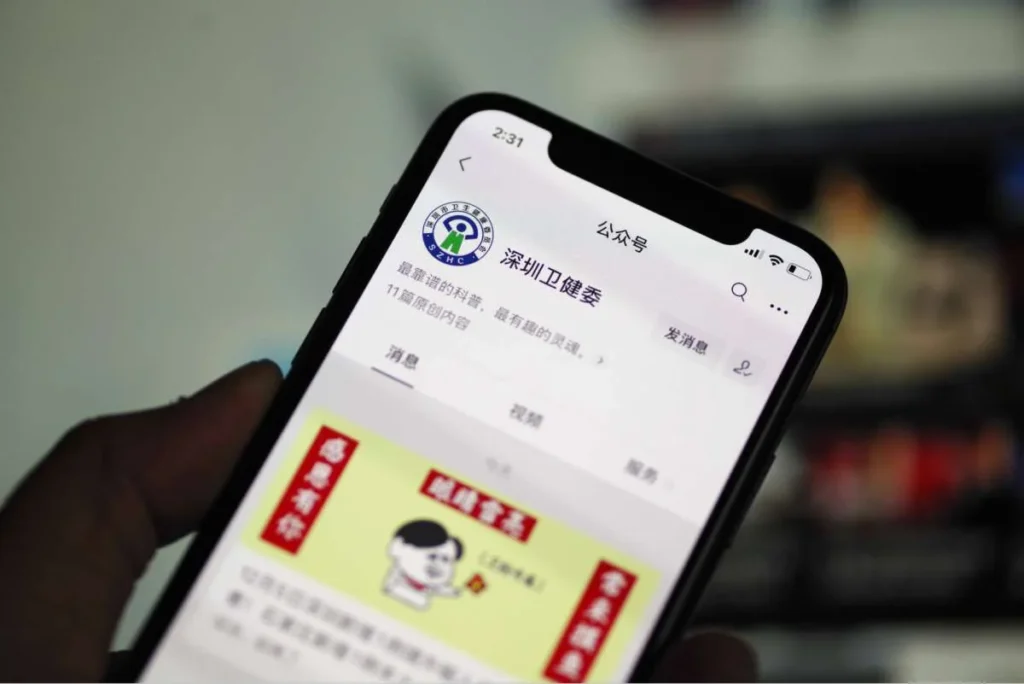
Fission marketing (裂变活动) refers to campaigns that incentivize existing followers to invite new users, leveraging the social relationship chain. Here are three common models: task-based, poster-based, and content-based.
A successful fission depends on two key elements: compelling incentives (such as coupons, gifts, or free courses) and easy sharing mechanisms. The campaign theme should align with your account’s positioning, and rules must be clear to avoid confusion.
You should promote the activity across multiple channels—within articles, through custom menu entries, and inside groups—while utilizing social proof (displaying participant numbers and testimonials) to build trust. Finally, monitor key metrics such as the number of participants, shares, and new followers to adjust your strategy.
Risk control is critical. Set reasonable tasks to prevent spam; avoid overly generous incentives that attract low‑quality followers; and ensure compliance with WeChat’s rules. Fission activities should be carefully designed to manage costs and maintain a healthy community.
When executed effectively, fission campaigns can significantly accelerate follower growth by leveraging social networks.
Mutual promotion (互推) has been a long‑standing tactic among WeChat accounts. It’s an “old but effective” approach that suggests forming partnerships with similar or complementary accounts to exchange mentions or co-create content.
For example, a travel guide account might collaborate with a photography tutorial account to produce a joint article or embed each other’s QR codes. Both accounts benefit by exposing their audiences to relevant new content.
However, new accounts must approach mutual push strategically. To secure collaboration with a reputable partner, you need to build an initial follower base or offer clear value, such as expertise or exclusive content.
Reciprocity is key; partnerships should deliver approximately equal benefits to both parties. In addition to simple QR code exchanges, deeper collaborations—such as co-authored articles, shared webinars, or joint campaigns—tend to attract more engaged followers.
Tools like Yueguang Box and Huyue Magic Box allow users to read each other’s articles for points and receive reading traffic. These are helpful for new accounts to pass initial thresholds, but the followers are mostly other creators seeking mutual benefits. After achieving the basic metrics, you should shift your focus to creating genuine content and building a community.
In practice, combine mutual push with other strategies: use it to expose your account to niche audiences, then nurture those followers through valuable content and engagement. Avoid depending solely on mutual promotion as a growth engine.
In 2025, collaboration with key opinion leaders (KOLs) remained an effective way to reach targeted audiences and identify micro-KOLs or vertical KOLs whose followers closely align with your target demographic. Micro‑KOLs typically have tens of thousands of followers but enjoy higher trust and engagement compared to mega‑celebrities.
Cooperation can take two forms:
To maximize results, prepare a clear brief outlining your objectives, target audience, and value exchange. Monitor the collaboration’s performance through tracking links or unique QR codes, evaluating follower growth, and engagement. Long-term partnerships with KOLs can also lead to co-branding opportunities or offline events, further strengthening the brand’s authority.
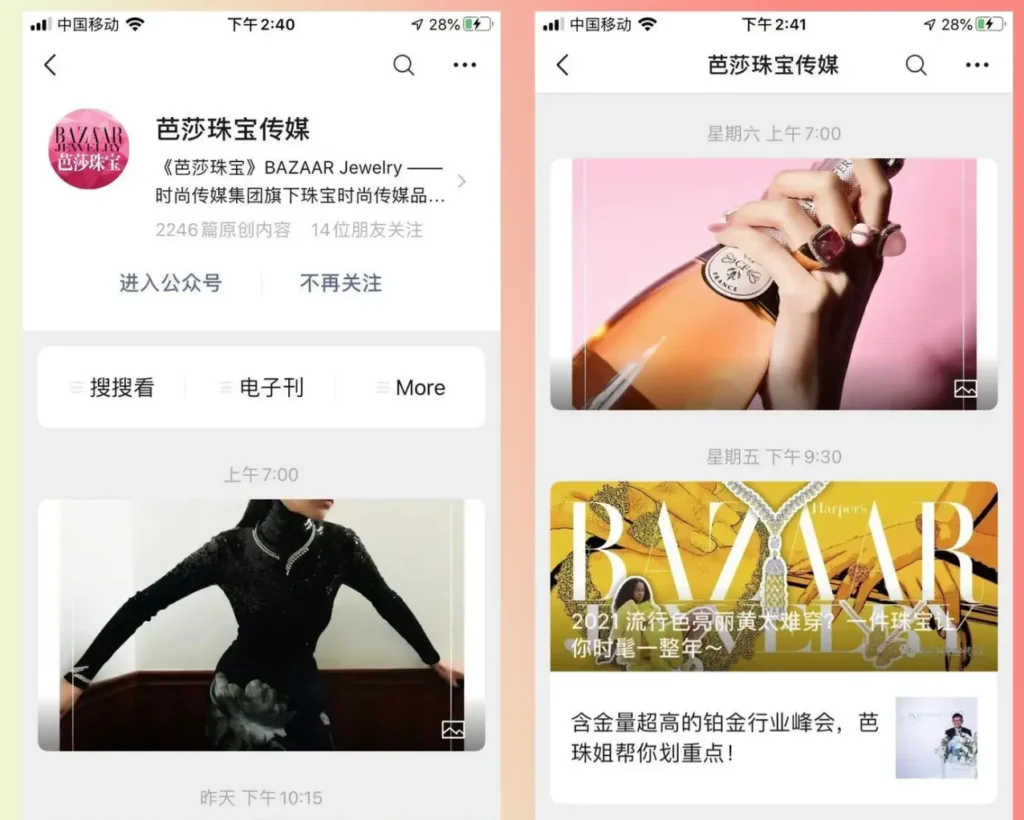
WeChat’s video account (视频号) had become a significant traffic gateway. In 2025, the daily active users of video accounts exceeded 600 million, with relatively low competition compared to Douyin.
The platform’s social recommendation mechanism accounts for over 40% of traffic, and Tencent plans to provide new subsidies to creators. Video accounts can add links to public account articles, allowing for cross-channel traffic. Friends’ likes on videos also trigger algorithmic recommendations, fueling fission.
Integrating video into your strategy offers several benefits:
Beyond video, cross‑platform promotion extends to RedNote (Little Red Book), Douyin, and other social apps. Posting on RedNote can yield faster follower growth than writing long articles; each post can bring 20–50 targeted followers because it reaches a precise audience.
Leveraging search engine optimization on Baidu and cooperating with podcasts, forums, or offline events also introduces new audiences to your WeChat account. However, ensure messaging consistency across channels to reinforce your brand identity.
Paid promotion remains a viable strategy, especially for new accounts seeking rapid growth. Tencent Ads offers various formats—banner ads, mini‑program ads, Moments feed ads, and search ads—that can target users based on demographics, interests, and behaviors.
The cost per follower can be around 1.53 RMB, and intelligent bidding algorithms, such as oCPC (optimized cost per click) or oCPM, help optimize for high-quality followers rather than mere quantity.
Advanced targeting options include look‑alike audiences and retargeting, ensuring your ad reaches individuals similar to your existing engaged followers. When designing ads, align the creative with your UVP; highlight the specific benefit of following your account and include a clear call‑to‑action with a scannable QR code.
Beyond ads, WeChat provides tools that facilitate growth:
Paid ads should be measured carefully. Track the cost per follower, retention rate, and subsequent engagement. Adjust targeting and creative based on performance data to maximize ROI.
A data‑driven mindset separates sustained growth from fleeting spikes. Building a funnel model—analyzing metrics from exposure to click, reading, and sharing—to identify weaknesses and refine strategies.
By tracking open rate, share rate, reading completion rate, and comment rate, you can pinpoint which types of headlines or topics resonate most. Plotting a reading vs sharing quadrant to categorize articles; posts with high reading but low sharing may need stronger calls to action, while high sharing but low reading suggest clickbait. The algorithm weights previously discussed (40% open, 30% interaction, etc.) provide benchmarks.
Implement a routine data review process:
Data analysis should extend beyond the WeChat ecosystem. If you drive traffic from other platforms or offline events, track conversion rates and follower retention. Continuous optimization ensures that your strategies evolve with user behaviors and algorithmic changes.
Growing on WeChat today requires more than great content — it demands an understanding of China’s digital logic, cultural behavior, and the platform’s evolving algorithmic architecture. That’s where ChoZan comes in.
Through data-driven research, hands-on learning programs, and customized advisory services, ChoZan helps global brands build sustainable WeChat ecosystems that attract, convert, and retain Chinese audiences.
From HSBC and Richemont to Coca-Cola and J&J, global leaders trust ChoZan to turn WeChat from a communication tool into a strategic growth channel. The team’s 15 years of experience in China’s digital landscape, access to local trend data, and partnerships with ByteDance, Tencent, and Alibaba ensure that every recommendation is both practical and precise.
If your goal is to move beyond follower counts and build a WeChat presence that drives measurable business results, partner with ChoZan.
Actively solicit questions or content requests from followers (via polls or group chats). Select one or two per week to build articles or videos around. Credit the contributor publicly. This builds loyalty and ensures relevance. Over time, you’ll generate a backlog of user-driven content ideas that resonate.
Track “silent users”—followers who haven’t opened any article in 30+ days—and those who don’t interact (no likes/comments) in 60+ days. Use the backend to segment “dormant” users. Then run re-engagement campaigns (e.g., “We miss you” content or a gift) to revive them or weed them out, keeping your algorithmic metrics healthy.
At your event (seminar, pop-up, workshop), use physical signage with customized QR codes leading to exclusive content or coupons. Collect attendees’ WeChat IDs (with consent) and offer “just-for-attendees” follow-up incentives. Post event highlights on your official account and tag attendees, encouraging them to share and repost.
At your event (seminar, pop-up, workshop), use physical signage with customized QR codes leading to exclusive content or coupons. Collect attendees’ WeChat IDs (with consent) and offer “just-for-attendees” follow-up incentives. Post event highlights on your official account and tag attendees, encouraging them to share and repost.
First, set clear rules about acceptable discourse (in group or comment rules). For mildly negative comments, respond politely and redirect the discussion toward a constructive outcome. For trolling or spam, delete the content immediately and, optionally, block the user. Publicly clarify rules and enforce them consistently to maintain community trust and quality.
WeChat presents PDFs, voice notes, and “cards” (micro-apps) in distinct ways. Embedding PDF downloads, audio recordings, or mini-program cards within articles can increase dwell time, making your posts more likely to be recommended by users. Use them selectively in content where they add real value, not just as gimmicks.
If a content category consistently underperforms across multiple metrics (open rate, shares, comments) for two to three months, consider phasing it out. Before full removal, test a “pivot” version (new angle, format). If still no improvement, retire it entirely to protect your algorithmic health and brand coherence.
Expand A/B testing into content structure (short vs long chapters), multimedia inclusion (image vs video), call-to-action placement (top, middle, bottom), interactive elements (quiz vs poll), and timing (morning vs evening). Run one variable at a time across comparable audiences, and track downstream metrics like share rate and retention.
Yes — if you have a broad audience, you can create sub-series (mini-themes) under your main umbrella. For example, a wellness account might have a “睡前冥想” (bedtime meditation) series and a “午间5分钟练习” series. Segmenting helps cater to varied interests while retaining coherence. Monitor which mini-theme gains traction and scale it.
Consider a minor refresh every 12–18 months (fonts, icon tweaks, color palette) and a significant overhaul every 3–4 years (logo, brand tone). But only update when you have a follower scale to absorb the change. Premature rebranding can confuse loyal users, so test mockups with your top fans first.
Watch for sudden spikes in follower count that are unaccompanied by a rise in engagement. Use metrics like comments per thousand followers or interaction ratio. If interaction is near zero, they’re likely fake. Also, check new follower profiles manually — blank profiles or bots are red flags. Purge periodically and ensure paid growth campaigns target real users.
After a user reads an article, deliver a seamless follow-up track: send a short follow-up piece, a quiz, or a challenge over the next few days. Use auto-reply or menu options to convert one-time readers into habitual consumers. Over time, your content becomes part of their regular reading habit, not a one-off read.
Identify loyal users or niche content creators with modest followings (hundreds to low thousands). Invite them to guest-post or share their stories. Offer affiliate benefits (commission, bonus content). Treat them as partners. Their authenticity and proximity to niche sub-communities make them influential in convincing peers to follow.
Utilize a content pipeline and editorial calendar to plan 4–6 weeks. Hire (or collaborate with) niche-aligned writers, editors, illustrators, or knowledge partners. Use templates or content skeletons to ensure each article follows a consistent structure. Then, impose a final quality check (brand voice and fact-check). This allows scaling while ensuring every post stays on-brand and valuable.