
CONTENT

In Q3 2024, WeChat Mini Programs facilitated over RMB 2 trillion in gross merchandise value (GMV), driven by expanded services like food delivery, EV charging, and medical services. Meanwhile, Tencent reported that its Marketing Services revenue grew 17% year-on-year, powered largely by demand across Mini Programs, Weixin Search (搜一搜), and Video Accounts (视频号).
These numbers show clearly that digital traffic, intent search, and commerce via WeChat aren’t just trends—they are central levers of revenue in 2025. If you’re still treating WeChat as secondary, you’re leaving billions on the table.
This article unveils five data-backed strategies—from leveraging WeChat Search to private-domain retention—to help you convert attention into sustainable profit.
WeChat Official Accounts are your WeChat “micro-website” and content hub. They let you publish articles, send broadcasts, chat with followers, and support e-commerce.
There are two main types – Service Accounts and Subscription Accounts – each with different features:
Most international brands operate Service Accounts and rely on fewer, higher-impact posts.
Chinese users treat Official Account articles like a mix of a blog and an email newsletter. To stand out in 2025’s crowded feed, your content must be truly compelling and localized. This means:
Educational articles, how-to guides, industry insights, case studies, and behind-the-scenes stories are among the most effective content types for engaging audiences. Plain sales pitches won’t keep followers. Aim to solve problems and share knowledge relevant to your field.
B2B brands can share trend reports, while DTC brands can share styling tips or testimonials. Storytelling is most effective when it places the brand within cultural or lifestyle contexts.
Walls of text are a turn-off. Chinese readers prefer posts that include attractive images, graphics, or short videos. It’s now common to see mini-infographics, GIFs, and short clips within WeChat articles to maintain high engagement.
In fact, video posts are a growing trend even within Official Account articles, since they are more visual and entertaining.
Embed a demo or founder message at the top to increase read time. Utilize formatting tools to create clean, interactive layouts.
With Service Accounts limited to four pushes monthly, timing matters. Midday or evening posts outperform those sent early or late. Subscription Accounts benefit from consistency and timing as well.
WeChat’s built-in search engine, Sou Yi Sou, is a growing discovery channel. Utilize Chinese keywords, hashtags, and verified tags to enhance article optimization. Proper SEO ensures long-term visibility even as push notifications decline.
Put high-intent Chinese search terms in product/article titles, keep praise rate high with prompt service and accurate fulfillment, and complete R-mark brand certification for priority exposure. Optimize your store name for category + brand to win more search clicks.
WeChat offers built-in features to enhance content marketing. Use the custom menu on your Official Account profile to link to key content or pages (e.g., “Shop”, “About Us”, FAQ). Implement an auto-reply for new followers – e.g., a greeting message with a quick introduction or a coupon for first purchase.
This makes new followers feel welcomed and encourages immediate action. You can also set up keyword-triggered replies (a mini chatbot) to common inquiries – for instance, if someone messages “price” or “store location”, your account can auto-respond with relevant info.
These tools help provide one-to-one communication at scale, turning your Official Account into a CRM-lite system where customers feel attended to.
Offer digital VIP cards, points, and e-coupons. Perfect Diary converted followers into members and nurtured them with exclusive offers. Keep sign-up simple. Capture location and preference data under the WeChat ID for segmentation. Membership unlocks personalization and increases repeat engagement.
Followers can message directly and expect responses. Reply within 48 hours; messages expire after that unless you initiate a response. Assign customer service to manage product and order queries. Direct chat builds trust and closes sales.
High volume? Add a WeChat CRM or bot to handle FAQs. Tencent’s API lets you integrate the service with CRM. Good service improves loyalty and conversions.
Every OA has a QR code. Place it on packaging, websites, emails, and store displays. Incentivize scans (e.g., “Scan to follow and get 10% off”). O2O is standard: shoppers scan in-store or at events and enter your private traffic pool.
Promote WeChat on other platforms using QR images or campaigns (note that some platforms may censor direct links). Funnel traffic into WeChat, where you control messaging.
WeChat groups (with a maximum of 500 members) serve as VIP forums. Create brand groups or join niche communities. Groups accelerate recommendations and virality. If users recommend you in a group, newcomers tend to trust you more quickly.
Include a group QR in your OA welcome or menu. Treat groups as focus communities: share previews, collect feedback, and provide support. Moderate to prevent spam. Well-run groups convert strongly, especially for smaller brands.
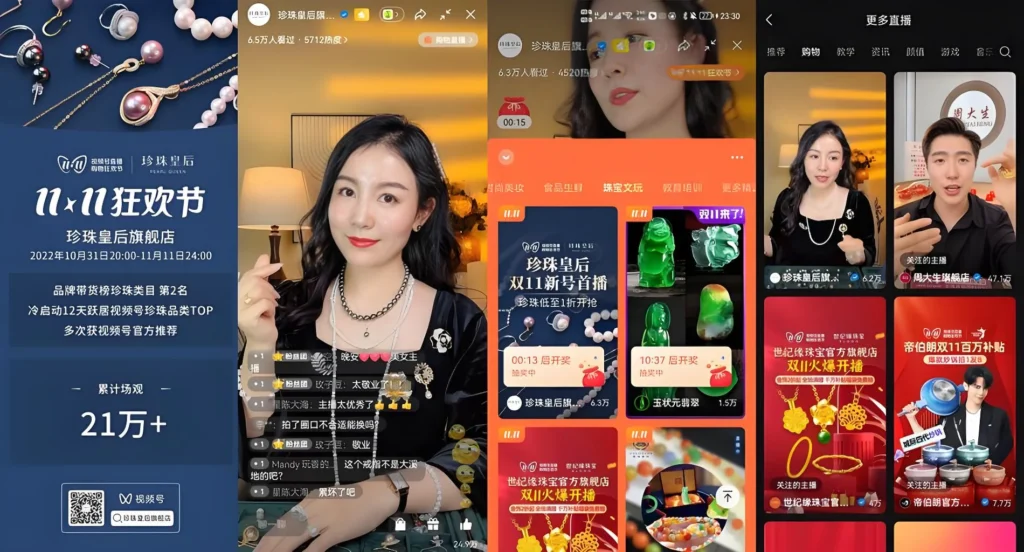
Official Account articles are well-suited for in-depth content, but short videos dominate in China. To capture this shift, WeChat launched WeChat Channels (视频号) in 2020. In 2024, Channels became a core content platform with 490 million daily active users. It functions like TikTok or Douyin, but with one crucial difference: it is fully integrated into WeChat’s social graph and identity system.
For brands, this means reach extends beyond existing followers. Videos are distributed algorithmically, exposing your content to users who may not be familiar with your brand. This creates both discovery and viral potential inside WeChat’s closed ecosystem.
WeChat Channels attract a different audience than Douyin. The user base skews older and often seeks infotainment or industry insights, rather than pure entertainment.
Approximately 80% of users are female, and engagement rates are 80% higher than those of WeChat Moments posts. Video’s appeal and WeChat’s social graph—friends and groups sharing content—drive this lift.
Trending content spans pets, memes, product demos, mini-vlogs, explainers, and news. For both B2C e-commerce and B2B, Channels offers a way to humanize your brand and expand your reach.
Tencent notes high open rates among followers and strong viral potential through shares. If someone follows your Channel, there’s a strong chance they will watch your videos, making it a dependable way to maintain visibility.
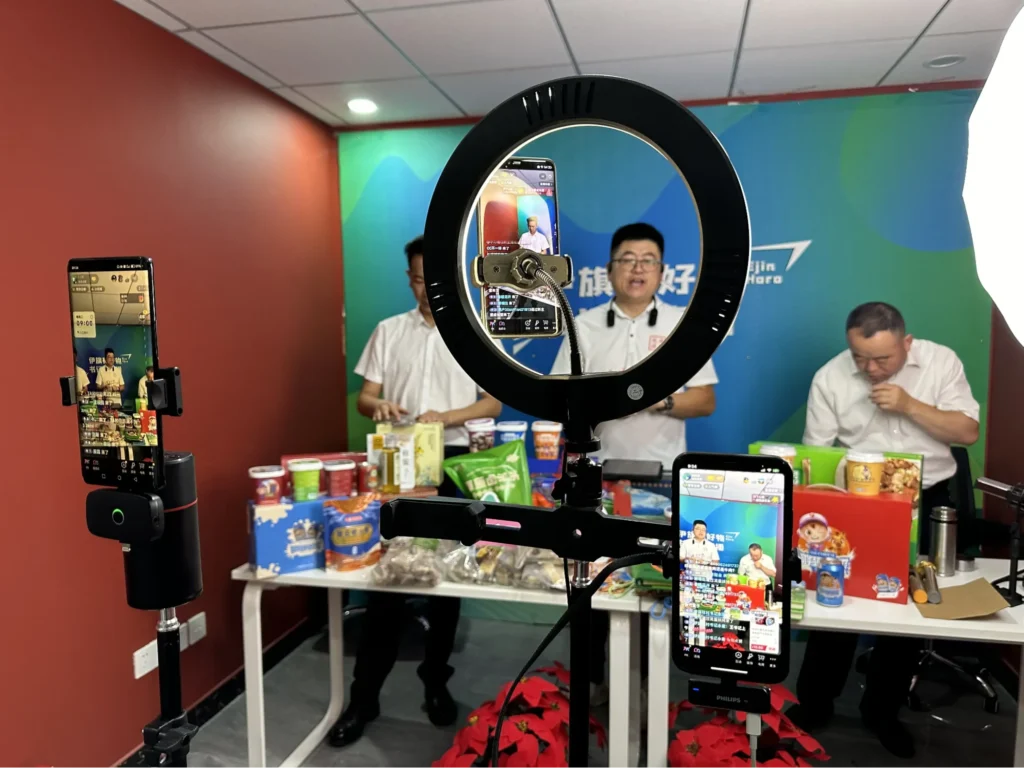
A Channel’s video must either entertain or deliver value. Pure ads or stiff corporate videos won’t work. Focus on snackable storytelling: a 30-second recipe for a food brand, a quick case study stat for SaaS, or a behind-the-scenes clip.
Use talking-head insights, how-tos, testimonials, or street interviews if relevant. Always hook viewers in the first 1–2 seconds. Drop-off is immediate, so start with a bold question or striking scene.
Track popular memes, music, or challenges, but only join those that fit your brand. Authenticity performs better than forced participation. Use Chinese captions and text overlays, as many viewers watch with the sound muted. Highlight key points with subtitles. Always write in Simplified Chinese, keeping cultural context in mind.
Unlike Douyin’s polished influencer style, Channels mixes professional and personal content. The platform feels more trusted and community-based. Thought leaders and companies share industry insights here, making it ideal for B2B brands.
Host short webinars or Q&As to generate leads. Consumer brands should lean toward lifestyle and soft-sell content—such as mini dramas or styling tips—rather than direct ads.
Channels connect seamlessly with other WeChat tools. Add links to Official Account articles, Mini Programs, or group chats. Livestreaming is available upon approval and allows embedded shopping through mini-programs.
Always include CTAs—such as “Follow our Official Account” or “Click to shop now.” Tie your Service Account to your Channels profile so users can easily find and follow you.
Post consistently, ideally two to three videos per week. The algorithm tests videos on small audiences first, so early engagement matters. Encourage staff, friends, or existing followers to like and comment quickly. Use up to three hashtags for discoverability. Keep descriptions concise and engaging, and utilize location tags for targeted local advertising.
Use Channels’ analytics to track retention, shares, and views. Identify what formats hold attention—short explainers often outperform long videos. Adjust based on real data. Treat Channels as an experimental space where even small brands can go viral if they continue to publish.
Channels ads (CPM/CPC) appear in-feed or in comments. They’re costly and better suited for larger brands with agency support. For SMEs, influencer collaborations often deliver better ROI—partner with niche creators who already reach your target audience and link directly to your WeChat store.
WeChat Mini Programs are essential for selling on the platform. These “apps within the app” deliver e-commerce and services without requiring downloads. They act as mobile storefronts, catalogs, booking systems, or interactive experiences directly inside WeChat.
By Q1 2024, Mini Programs reached 945 million monthly active users, covering over 90% of WeChat’s base. In 2023, they processed ¥2.7 trillion RMB ($400 billion) in transactions across more than 3.5 million active apps. This shows their central role in China’s digital commerce.
For brands, launching a Mini Program is the most direct way to sell. It creates a WeChat Store where users browse products, add to cart, and pay with WeChat Pay. This frictionless flow eliminates the need to redirect customers to external sites or apps, streamlining the process and reducing drop-offs.
Here’s how to make the most of Mini Programs:
Every e-commerce brand should run a Mini Program store. At a minimum, it should include product categories, detailed product pages, and a checkout option with WeChat Pay. Templates from Tencent and third parties make setup quick, but you’ll stand out with interactive features.
Add social commerce tools, such as group-buying or friend-sharing discounts. Chinese consumers enjoy creative shopping formats—21Cake lets users design cakes and invite friends to add messages. Keep your storefront lightweight and fast; slow-loading pages lose users.
Use creator live-room sales data to validate demand before listing. Source from 1688/贸多 equivalents; start with narrow SKUs, optimize titles/images, then scale. For early-phase or low-volume orders, use upstream drop-ship; at scale, move to bulk sourcing to improve margins and delivery control.
Mini Programs load instantly and don’t take up phone storage, making them perfect for campaign-specific tools. For example, consider creating a pop-up store for an exclusive product drop or a virtual try-on to increase engagement.
Brands often build multiple mini programs—for loyalty, customization, or store locators. Entry points are everywhere: QR codes, Official Account menus, in-article cards, and WeChat search. Place them strategically—like a “Shop Now” button in articles or QR codes at registers linked to coupons.
Mini Programs are ideal for retention, not just sales. Integrate or sync memberships with your Official Account. Starbucks’ “Star Rewards Club” mini program lets users earn points, redeem rewards, and receive notifications.
Gamified features—such as points, tiers, and badges—keep users engaged and active. Starbucks launched a student membership in 2024, offering targeted promotions to students. Keep membership QR codes within the mini program so users can scan them in-store, bridging the online and offline experiences.
Mini Programs allow customization and service features. Swisse built a program where users take a health quiz, get tailored recommendations, and connect with nutritionists via WeCom. It includes a Members Center that shows tiers and benefits, keeping engagement going beyond a single purchase.
Other examples include a fashion quiz that suggests outfits, a skincare selfie tool, or a B2B cost calculator. These tools both capture data and deepen brand trust.
Visibility matters. Link Official Accounts and Mini Programs directly—set menu buttons to open your store and embed mini program cards in articles. Encourage users to share product pages with referral incentives to increase engagement.
Optimize for WeChat search with accurate Chinese keywords and tags (e.g., “sneakers, shoes, sports”). Offline QR codes work well at checkout or on packaging. Scanning to enter mini programs is second nature for Chinese users.
Swisse built a comprehensive ecosystem that combines official accounts, Mini-Programs, WeChat groups, and WeCom. New followers were directed to communities and advisors, then guided into the mini-program for quizzes and purchases—driving significant sales growth.
Pandora Jewelry ran a campaign where users designed virtual bracelets in a mini program, shared them for voting, and drove real product sales.
The lesson: Mini Programs succeed when tied to content, service, and social sharing.
Mini Programs aren’t just for retail. B2B firms can build showcases, lead-gen tools, or consultation booking systems. Real estate brands use them for virtual tours, banks for calculators, and event organizers for ticketing and check-in.
Mini games also work—simple branded games can educate and reward users with coupons. Think of them as mini-websites, but with deeper interaction and data capture inside WeChat.
Example: Starbucks’ WeChat Mini Program enables loyalty and seamless ordering. Users can join the rewards club, earn points for purchases, and even receive personalized offers – all inside WeChat. This drives repeat sales by keeping Starbucks customers within the app’s ecosystem.
WeChat Pay powers all Mini Programs by default, ensuring a seamless checkout experience. With over 940 million mobile payment users in China, this integration is non-negotiable. Foreign brands can enable cross-border WeChat Pay through payment providers.
Utilize promotions such as coupons or cashback offers (e.g., ¥5 off with WeChat Pay this week) to stimulate sales. The trust and convenience of WeChat Pay also strengthen brand credibility.
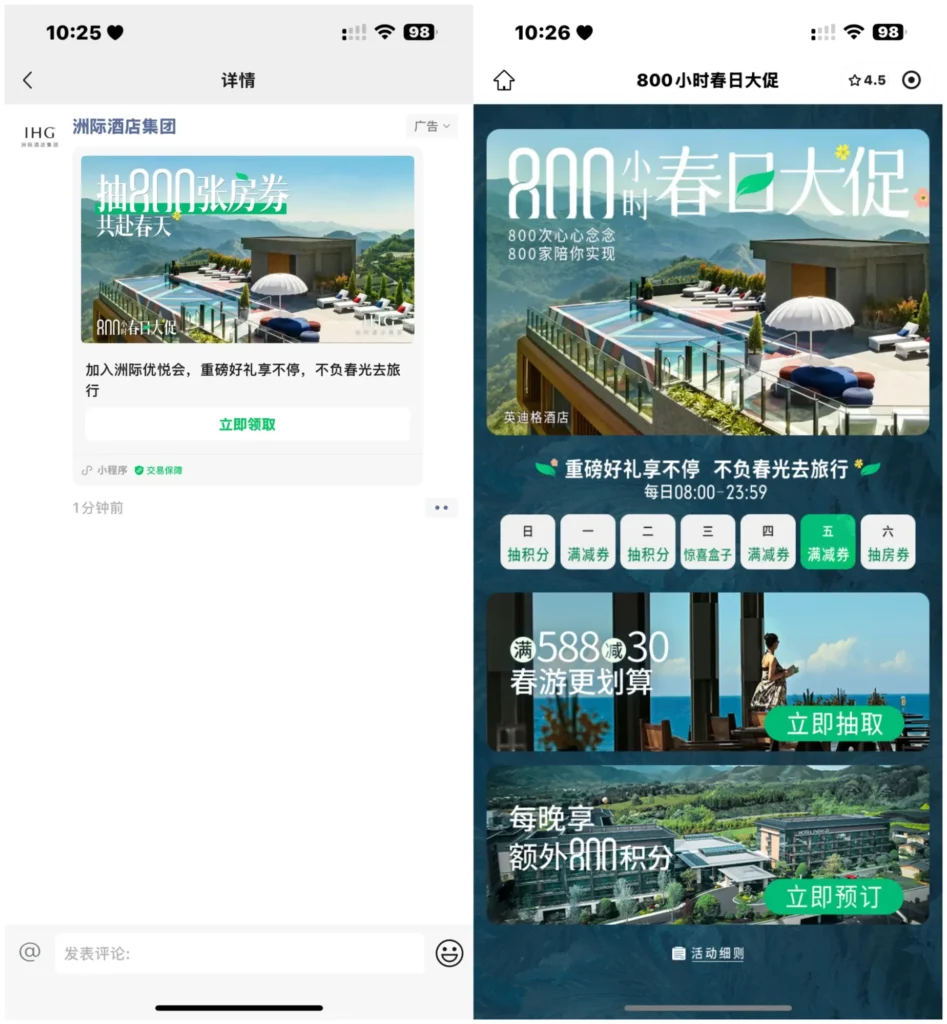
Organic growth matters, but paid ads and influencer campaigns often accelerate reach—especially for new entrants. WeChat offers diverse ad formats with strong targeting powered by Tencent data.
Combined with KOL (Key Opinion Leader) partnerships, they drive traffic to Official Accounts, Mini Programs, and stores. The key is smart investment—aim for real engagement, not vanity metrics.
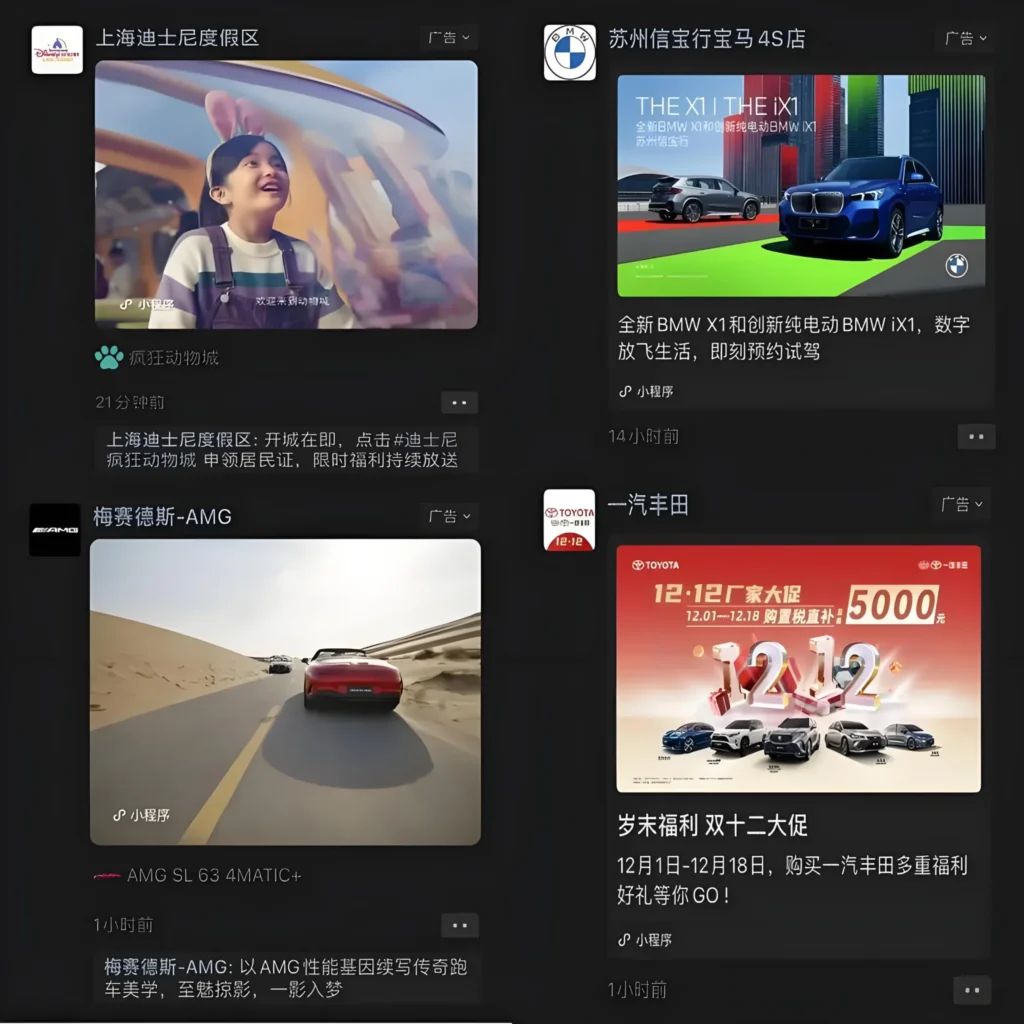
Appear in the Moments feed, similar to Facebook News Feed ads. They look like a friend’s post with “Sponsored” labeling. Users can like, comment, and brands can reply. These ads are effective for awareness and support CTAs, such as “Follow” or “Open Mini Program.”
They’re costly, often purchased on a CPM basis, starting around ¥50,000 RMB ($7,000) for contract buys or ¥50–180 RMB per 1,000 impressions for self-serve.
Show at the bottom or mid-article in other OAs. They can link directly to a Mini-Program or follow a page. More affordable than Moments ads and useful for context-driven targeting—for example, placing a SaaS banner in a tech blog OA.
Short-video ads are placed in the feed or as pop-ups on videos. Targeting is interest-based with e-commerce integration. Restrictions apply—brands need a Chinese entity, and content approval is strict. Large brands utilize these for product teasers linked to Mini-Programs.
Display within other Mini Programs, such as games or utilities. Effective for redirecting active users into your own program. Niche but valuable when the audience overlap is clear.
Not traditional ads, but WeCom allows broadcasting posts or Moments updates to contacts who’ve added your business. With a strong WeChat contact base, this becomes a free yet powerful promotional channel.
WeChat targeting spans demographics (age, gender), location (down to business districts), interests (based on Tencent-wide behavior), and device type.
Examples:
Lookalike audiences mirror your customer list, and retargeting allows you to reach users who read your OA article but didn’t follow through. By 2025, PIPL privacy laws will remain strict; however, WeChat’s first-party data makes targeting more reliable. Though CPM may be high, precision targeting drives stronger conversion.
Tie each campaign to a measurable goal—such as gaining 5,000 followers or driving 1,000 Mini Program visits. Align creatives with the objective. If follower growth is the goal, run a Moments ad with a follow button. For sales, link ads directly to a Mini Program store with clear offers. One tap should take users to the next step.
Use high-quality, culturally relevant visuals. Lifestyle images are more effective than generic product shots. Keep text minimal, in Simplified Chinese or dual language, and follow ad rules (no “#1 best” claims). Video ads up to 15 seconds auto-play in Moments, making them more engaging than static images. Write ad copy that frames a need and then offers the solution.
Moments ads display when friends engage, which builds trust. Users can comment on ads, and brands can reply—some seed genuine comments from staff accounts to reinforce quality. Consider using influencer-created content in ads—this blends paid promotion with trusted KOL endorsement.
Start with small budgets via WeChat Ads Manager to test placements, such as banners or Mini Program ads. Track cost per follower or conversion. Expect higher CPMs than Western platforms, but with higher-quality leads. Adjust targeting and creatives quickly if results lag. WeChat ads often match or exceed Facebook/Instagram costs, but give access to a unique market.
Ads work best when connected to strong organic content. A moment’s ad to gain OA followers only works if the OA consistently delivers value. Traffic to a Mini Program converts better if the store is fast, user-friendly, and competitively priced.
Paid and organic must reinforce each other. Use ads to build traffic, then nurture through content, loyalty programs, and CRM.
Many WeChat KOLs run OAs with large, loyal audiences. Brands can sponsor articles that review or feature their products.
Example: A food KOL writing about healthy snacks and linking to your Mini-Program. These advertorials carry weight if the content is valuable and authentic. Always verify engagement metrics before making a payment, as follower counts can be inflated.
Some KOLs livestream on Channels or create short videos. Partner with them for product launches or tutorials, directing viewers to buy via Mini Programs. This mirrors Douyin’s live commerce success, but on WeChat, it’s newer and less saturated. Cross-promote KOL content across platforms, but anchor the action on WeChat.
Influence also spreads through KOCs (Key Opinion Consumers) in private groups and Moments. Brands can equip loyal customers with referral links or codes to share in their groups. Agencies often manage WeChat group networks, especially in beauty, baby, and lifestyle niches. The key is authenticity—spam fails, but trusted group leaders can drive sales.
Perfect Diary worked with beauty bloggers on WeChat to post reviews and tutorials. Each article included direct Mini Program purchase links or QR codes for fan groups. This multi-channel approach created exposure, funneled traffic into private groups, and drove sales growth. The key: seamless conversion from influencer content to purchase.
WeChat doesn’t provide public virality metrics, so tracking must be set up. Use unique QR codes or links for each KOL to attribute followers or sales. OA analytics can show how many users followed from a KOL’s article. Measure ROI carefully to identify which influencers drive real results.
WeChat is more than a marketing channel—it’s also a CRM hub. WeCom (企业微信) is Tencent’s enterprise tool that integrates with WeChat, giving brands a direct way to manage customer relationships at scale. By 2025, private traffic—your own base of followers, members, and customers—is one of the most valuable assets in China’s digital ecosystem.
Unlike Official Accounts, which focus on broadcasting, WeCom enables one-to-one communication between staff and customers. Users add your sales, service, or advisor accounts just like they would add a friend. This establishes a personal and trusted channel within WeChat.
WeCom integrates with internal systems (CRM, ERP) and supports features such as group chats, task assignments, and customer tagging. Messages can include links to Official Accounts, Mini Programs, or promotions, creating a seamless flow from chat to conversion.
Perfect Diary and Swisse both leveraged WeChat to funnel OA followers into private groups, where advisors nurtured communities and guided members to make purchases through Mini Programs.
WeChat’s success depends on execution, not theory. ChoZan helps brands apply the five strategies in ways that match China’s digital reality. Our research informs the content for Official Accounts, ensuring that posts reach and engage the target audience effectively.
We train teams to create Channel videos aligned with trending formats while staying authentic. With Mini Programs, we design store flows and loyalty features that reduce checkout friction and increase repeat sales.
In advertising and KOL campaigns, we help navigate compliance and connect with influencers who convert, not just generate impressions. Through WeCom, we set up private traffic systems that turn one-time buyers into long-term customers.
Key outcomes we deliver:
Instead of theory, you get application—shaped by research, proven in execution, and customized to your brand’s China goals.Book now with ChoZan and see how these strategies can become measurable growth for your brand in China.
Localization goes beyond translation. Chinese consumers seek cultural references, design cues, and storytelling that evoke a sense of familiarity. A brand that uses Western humor or idioms may fall flat.
Instead, adapting campaigns to reflect Chinese festivals, internet slang, and even trending memes makes content feel relatable. Brands that invest in culturally sensitive localization often see stronger engagement and loyalty.
Yes. Smaller businesses often succeed by focusing on private traffic and community building rather than heavy ad spend. Creating WeChat groups, offering QR-based promotions in physical stores, and producing consistent, high-value content on Official Accounts can generate steady growth. While ads accelerate reach, many SMEs grow by nurturing loyal followers who then recommend products within their own networks.
Discovery often occurs through peer recommendations, influencer mentions, and QR codes found in offline settings. Many users scan codes on packaging, event banners, or product displays to follow new brands.
WeChat’s internal search also plays a role, especially when articles or Mini-Programs are optimized with relevant keywords. Word of mouth, amplified through groups and Moments, remains one of the most potent drivers of discovery.
QR codes are the bridge between offline and online engagement. Nearly every campaign in China—from subway ads to restaurant menus—utilizes QR codes to direct people to Official Accounts or Mini-Programs.
On WeChat, codes are also used to join groups, unlock promotions, or claim loyalty rewards. This habit is deeply embedded, making QR codes essential for driving new traffic.
Customer service on WeChat is expected to be fast and conversational. Chinese users prefer chatting with a brand’s account instead of emailing or calling. Most brands assign service staff to handle inquiries within 24–48 hours, often integrating automated replies for common questions.
Providing prompt, helpful responses not only resolves issues but also builds trust and usually leads directly to sales.
Trust depends on execution. While foreign brands often carry an initial prestige, trust erodes if they ignore local expectations. For instance, failing to provide Chinese-language support, local payment methods, or timely responses can damage credibility.
Conversely, foreign brands that demonstrate cultural sensitivity and tailor their offerings to Chinese preferences often earn long-term trust and stand out in crowded markets.
WeChat provides analytics dashboards for Official Accounts, Mini Programs, and ad campaigns. Marketers can track follower growth, open rates of content, and conversion funnels. Mini Programs offer detailed transaction insights, while WeCom integrates customer data for private traffic management.
Although the data ecosystem is less open than Western platforms, it’s powerful when combined with social listening and third-party analytics tools.
WeChat isn’t just for consumer brands. B2B companies utilize it to publish thought leadership content, host webinars through Channels, and run Mini-Programs that showcase their products or services.
Many firms also utilize WeChat to connect sales teams directly with leads, providing one-to-one communication and support. In China, business decision-makers actively use WeChat, making it an effective B2B tool.
WeChat Pay is fully integrated across Official Accounts and Mini Programs. This feature allows users to complete purchases without needing to leave the app. The process is seamless and trusted, which increases conversion rates.
Foreign brands can work with payment providers to access WeChat Pay, including cross-border settlement options. Many promotions, like cashback or coupons, are also tied directly to WeChat Pay.
Festivals such as Lunar New Year, Singles’ Day, and Mid-Autumn Festival drive massive spikes in engagement and sales. Successful brands tailor campaigns around these moments with themed visuals, limited-edition products, and time-sensitive offers.
Missing these cultural touchpoints often means missing the year’s most enormous sales windows. Localized, festival-specific campaigns are essential for relevance and competitiveness.
Private traffic refers to the audience a brand owns directly through groups, WeCom contacts, and Official Accounts. Unlike paid ads, this audience can be engaged repeatedly at little cost. Building private traffic is vital in China because customer acquisition costs are rising. Brands that develop strong communities often outperform those that rely solely on paid channels.
China’s regulations on data privacy, advertising claims, and content moderation are strict. Brands must avoid making exaggerated claims, using sensitive political references, and engaging in unlicensed financial promotions.
Compliance also extends to influencer partnerships. Non-compliance can result in takedowns, fines, or reputational damage. Partnering with local experts or agencies helps foreign brands stay aligned with the latest regulatory updates.
Yes. On WeChat, influencer marketing often occurs through long-form content on Official Accounts or in private groups, rather than just flashy short videos. The focus is on depth and trust rather than quick entertainment. KOLs on WeChat may publish detailed reviews, product comparisons, or thought pieces, making collaborations feel more like endorsements than quick mentions.
ROI measurement combines direct and indirect metrics. Directly, brands track Mini Program sales, ad conversions, and WeChat Pay transactions. Indirectly, they measure engagement, group participation, and loyalty sign-ups. A successful campaign usually shows improvement across both areas—higher sales in the short term and stronger private traffic or brand trust in the long term. Balancing both is key to true ROI.