CONTENT

China’s fashion and beauty blogosphere has matured into a multi‑billion‑RMB industry. Key opinion leaders (KOLs) no longer merely post curated outfits; they drive trends across multiple platforms (Douyin, RedNote, Weibo, Bilibili, and even podcasts), influence retail purchasing, and shape cultural conversations.
MCN (multi‑channel network) agencies have professionalized the space, and global luxury labels actively court Chinese fashion bloggers for product launches and marketing campaigns. In 2025, the value of a fashion KOL extends beyond follower counts to encompass authenticity, storytelling, and the ability to engage communities across both online and offline worlds.
This article profiles five influential Chinese fashion bloggers — Savislook, 易梦玲 (Yi Mengling), 氧化菊 (Yang Huaju), 美七是我 (Meiqi is me), and Hello 我是沱沱 (Hello I’m Tuotuo) — and analyzes how they reflect broader trends in China’s fashion‑media ecosystem.
Fashion blogging in China has shifted from simply posting polished photos to building multi‑dimensional personal brands. MCN agencies, such as 仙梓文化 (Xianzi Culture), provide content planning, traffic resources, brand-placement support, and even livestreaming bases, enabling KOLs to scale while maintaining a distinctive voice.
For example, SocialBeta’s 2022 MCN report notes that Xianzi Culture (headquartered in Shanghai) manages over 300 signed creators, reaches audiences exceeding 100 million, and works with luxury clients such as Gucci, Cartier, and Cadillac. Such agencies demonstrate how China’s fashion scene now interweaves creative production with data‑driven marketing.
Meanwhile, platforms demand authenticity. KOLs increasingly share unedited photos, behind‑the‑scenes stories, and reflections on personal growth. Audiences value genuine personalities and high‑quality long‑form content over superficial “outfit of the day” posts.
This trend toward depth and transparency is exemplified by the five bloggers profiled below, who combine storytelling with fashion expertise, cultural awareness, and social responsibility.
Savislook isn’t just another fashion blogger — she’s a multi-platform content powerhouse whose influence stretches from Bilibili to Weibo, from Beijing to international screens, and from outfit inspiration to lifestyle storytelling.
As of July 2025, she had 717,000 followers on Bilibili and 2.46 million on Weibo, and her handle, “Savislook,” has become a signature for thoughtful, aesthetic, and genuinely helpful fashion content.
Savi’s journey began in 2015, when she first launched her Weibo account under the name MyOOTD and uploaded a simple white-shirt outfit. Not precisely a wow moment — but that’s the point. She didn’t start polished. Her evolution came through consistent trial and error, a major factor in her relatability. She later rebranded as Savislook and launched the iconic #365SavisLook challenge — daily outfit posts that eventually racked up 300 million views.
This wasn’t just a style diary — it became a blueprint for personal branding through consistency, value-driven content, and strategic cross-platform publishing. She leveraged Youku, YouTube, Weibo, Bilibili, Xiaohongshu, and even her WeChat public account to weave a complete content ecosystem.
Savi’s fashion identity blends masculine silhouettes and feminine softness — think boxy blazers over silk skirts, or combat boots with delicate dresses. But she doesn’t just dress well — she teaches through fashion. Every outfit post or video includes a takeaway: how to look taller, how to build a capsule wardrobe, or how to reuse pieces in new ways.
In an era of fast fashion fatigue, she champions slow, smart styling. Her philosophy? Fashion isn’t about constant consumption; it’s about creative reuse. That’s what makes her winter boot collection or minimalist summer picks resonate — she shows how one piece can serve multiple lives.
Savi’s creative reach extends well beyond the closet. Her Bilibili channel features popular series like:
Her videos blend fashion with narrative: outfit + setting + voiceover storytelling. It’s cinematic, but still grounded — fans often say her travel vlogs feel like watching a mini indie film.
She’s also leaned into home renovation, like her “Old House Makeover” series, and lifestyle topics, including beauty, fitness, and her pregnancy journey — all shared with transparency and care.
In 2025, Savi’s not just influencing — she’s co-creating. She’s worked with brands like NEIWAI on capsule collections and is a go-to creator for home and fashion crossovers. Her content isn’t about product placement — it’s integration. For example, in her “Everything About Wedding” series, brand collaborations are woven into real-life experiences rather than just sponsored plugs.
She also stands out in China’s crowded KOL space because brands see her as a curator, not just a content producer. Her aesthetic decisions — from her sofa to her shoes — influence buying behavior. That’s rare authority.
So why does Savi still matter in a saturated influencer world?
Yi Mengling didn’t just go viral — she evolved. From being crowned Weibo’s “Most Beautiful Campus Belle” in 2018 to stealing the show at Paris Fashion Week 2025 in a custom Schiaparelli gown, she’s proven she’s not just another influencer — she’s a full-on cultural force.
Born in Hengyang, Hunan, on January 1, 1999, Yi started off with soft, dreamy aesthetics and a “pure desire” vibe — think vintage slip dresses, soft curls, and moody filters. But by 2025? She’s grown into a chameleon. Her looks can swing from sweet Y2K to high-fashion avant-garde in a single scroll. She’s got over 11 million fans on Douyin, and 5 million+ on Weibo, and her name trends often — not just for what she wears, but how she wears it.
Yi’s outfits? Pure visual poetry. She’s got that rare ability to make anything feel like “her” — whether it’s a baby tee and cargo pants or a vintage Dior gown. Her style blends nostalgia, edge, and softness, often pulling from Y2K, early 2000s glam, and minimalist Chinese streetwear.
And it’s not just the outfits — it’s the vibe. Every post feels like a short story: the pose, the lighting, the background, the caption. She doesn’t just post — she sets a mood.
Yi didn’t stop at fashion. She hit variety shows like 20-Year-Old Heartbeat and We Hit It Off, where audiences got to know her beyond the filters. That led to acting roles — most notably as a goddess in The Great Dream Returns and a sword-wielding warrior in The Strongest Sect of All Time. She trained in guqin, dance, and swordplay, earning genuine praise for her performances.
Is she winning awards yet? Maybe not. But she’s doing what many influencers struggle with: crossing over into mainstream entertainment with credibility.
Brands aren’t just partnering with her — they’re building campaigns around her. With Perfect Diary, her “Denim Holiday” collab racked up 1.5 billion views and sent lipstick sales through the roof. Her fragrance-themed content with Liby Master turned laundry detergent into a luxury flex.
At Paris Fashion Week, her red-haired Barbiecore look lit up social media, landed her in French Vogue, and dominated trending lists for days. She’s redefining what Asian representation looks like in high fashion — not exoticized, but empowered.
Yi uses her fame for more than fit checks. Her “Bud Guardian School” initiative brought health education to girls in rural China, and shehas helped over 20,000 students through her anti-harassment materials. One of her livestreams designed for rural women generated over ¥1.5 million in sales — fashion with a purpose.
Yi Mengling’s not just a pretty face or a trending tag. She’s what happens when aesthetic meets ambition, when style meets storytelling, and when influence meets impact.
She started as a fashion blogger. Now she’s building something bigger: a brand, a message, and a movement.
There’s fashionable, and then there’s 氧化菊 (Yang Hua Ju) — the fashion disruptor who’s made it her mission to turn the unfashionable into unforgettable. Whether she’s turning a yellow urea feed sack into a show-stopping dress or cutting a mosquito net into a dreamy bridal look, she’s not just dressing — she’s redefining what fashion can be.
But behind the viral transformations and witty intros lies a serious talent, with grit, vision, and a story that resonates deeply with China’s Gen Z.
Yang Hua Ju — affectionately called “Lettuce” by fans — was born in a small county in Guangxi. Standing at 173cm, with a striking square jaw and powerful runway presence, she got her start in the modeling world in college. She worked part-time at shopping malls, acted as a model agent, and hustled hard — earning over ¥10,000 a month even before graduating.
In 2019, she represented Guangxi at the Miss World China finals and won the Audience Favorite Award. Her confidence? Unshakable. Her motto? “Why rely on ladders when you can grow wings?”
Her viral breakthrough came in 2022 with a simple, cheeky question:
“You think I’d look good in a feed bag?”
Spoiler: she did.
That one post kicked off her now-iconic “Everything Can Be Wearable” series — short, clever, high-impact videos where she takes everyday or downright “tacky” objects (like garbage bags, bed sheets, yoga mats, floral curtains) and transforms them into couture-ready looks.
And it wasn’t just cosplay. Her background in modeling gave her the posing, presence, and polish to sell every outfit — no matter how bizarre the source material.
Results:
What makes Oxidized Chrysanthemum more than a one-hit content creator?
She’s smart. Behind the scenes, she’s built a studio, joined MCN TISU Culture, and turned her virality into real revenue through brand partnerships, content sales, and merchandise.
She’s stylish. Her face, angular, bold, unmistakably high-fashion, lets her flip between a Y2K cutie, a ‘90s movie star, or an ethereal cheongsam goddess.
She’s sincere. Fans aren’t just drawn to the transformations — they’re drawn to her. Her candidness about her Guangxi dialect, her early frugal days, and her refusal to “chase the public’s aesthetic” hits home in a world of curated perfection.
Yang Hua Ju’s story isn’t just about glow-ups — it’s about lifting others up, too.
Her videos might be only 15 seconds long, but the effort behind them is massive. She’s open about the long hours — filming, editing, writing scripts, managing brand deals, staying up past 2 a.m. She lives at the crossroads of creativity and burnout, like many creators of her generation.
And yet she stays grounded — calling herself a “dark horse” and telling her fans:
“As long as the outcome is uncertain, you and I are both dark horses.”
Why it works:
But she also faces creator fatigue and the challenge of evolving past her signature series. With the audience bar rising, she’s now experimenting with more content formats — from vlogs to public welfare campaigns — to keep things fresh.
Unlike the other bloggers who built personal brands through narrative, Meiqi is me emerged within the structured ecosystem of MCN agencies. According to Newrank’s Xiaohongshu data tool, she is classified under the beauty category and tagged with descriptors such as “vlog,” “smoky makeup,” and “beauty sharing”.
The platform lists her account ID (102635668), gender (female), and motto “满招损 谦受益” (“arrogance invites loss; humility brings benefit”). By early 2025, she had published 859 posts with 92.98% word count (929,000) and 92.98% “likes and saves”. These numbers place her among Xiaohongshu’s mid‑tier influencers.
Meiqi is represented by Xianzi Culture (仙梓文化), a leading MCN based in Shanghai. SocialBeta’s profile of top MCNs notes that Xianzi Culture, founded in 2017, focuses on integrated marketing and influencer management, with more than 300 signed creators and a fan reach of more than 100 million.
The agency emphasizes quality content, professional brand matching, and full-service execution; it has built a matrix of head creators, including @Aiya爱娅, @美七是我 (Meiqi is me), @Ananas 吃一半, and @曾鹿儿. Xianzi Culture collaborates with luxury and lifestyle brands (Gucci, Cartier, Cadillac) and operates a dedicated influencer live‑streaming base.
Through this network, Meiqi can access professional photographers, stylists, and brand deals. MCN backing also means her content integrates commercial placements more seamlessly; her smoky‑makeup tutorials and “vlog‑style” outfit diaries often feature links to collaborating fashion houses.
While fewer personal interviews exist about Meiqi, the available data suggest she is part of the new generation of influencers who treat fashion blogging as a career from the outset, leveraging MCN resources to drive rapid growth.
In 2025, Meiqi exemplifies the professionalised influencer. She maintains regular posting schedules, engages with followers through comments and live streams, and collaborates with beauty brands on product development. Her style — feminine, slightly mature yet playful — appeals to young white‑collar women seeking affordable luxury.
Meiqi’s case also highlights a challenge: audiences increasingly crave authenticity, so MCN‑guided bloggers must balance polished content with genuine personality to avoid being perceived as “commercial bots.” As a result, Meiqi has begun sharing more personal stories, such as travel vlogs and book recommendations, to deepen her connection with fans.
In a space filled with trend-hype and luxury overload, Hello 我是沱沱 offers something refreshing — fashion that feels calm, creative, and entirely wearable. Her content doesn’t scream for attention. It invites viewers in with thoughtful styling and practical inspiration that fits real life.
Her style isn’t about chasing the next big thing — it’s about helping people feel confident in their own closets.
Starting on Weibo and expanding to Douyin and Xiaohongshu, 沱沱 has grown steadily across platforms thanks to her relatable tone and useful content.
She’s recognized as a reliable voice in everyday fashion — approachable, consistent, and quietly influential.
沱沱’s strength lies in her ability to take one item and build multiple looks around it — not for show, but for real-world use. Whether it’s a leather jacket, hoodie, or blazer, she shows how to make it work across seasons and occasions.
Her content focuses on:
Her fashion advice is the kind that sticks — simple, well-explained, and instantly applicable.
One of her biggest highlights came in 2023 with the “Ou Ruo Feng Outfit Plan”, a Douyin campaign that combined outfit styling with visual rhythm and mood. 沱沱’s soft-toned, multi-scene looks stood out, drawing over 7.42 million likes and strengthening her place in China’s digital fashion space.
Beyond tutorials and outfit flips, what makes 沱沱 truly engaging is her emotional warmth. In one standout post, she recreated childhood photos with her mother — same poses, matching outfits — blending nostalgia with personal style in a way that felt honest and creative.
These subtle emotional touches turn her fashion into more than just content. They create a connection.
With a strong base across platforms and a clearly defined aesthetic, Hello 我是沱沱 is positioned to evolve without losing what makes her special.
What’s likely next:
She’s not chasing trends. She’s building trust. And in the crowded world of digital fashion, that’s a rare and valuable thing.
The stories of these five KOLs reveal several lessons for brands and aspiring bloggers in 2025:
Behind every viral trend and iconic KOL collaboration lies China’s rapidly evolving digital landscape — and understanding it is the key to thriving in this market. CHOZAN helps global brands decode this ecosystem through research, learning expeditions, and tailored advisory programs that reveal how fashion, beauty, and lifestyle trends take shape on platforms like RedNote, Douyin, and WeChat.
Through these tailored services, CHOZAN transforms the success patterns of China’s top fashion bloggers into practical strategies for international brands. Whether you’re entering China’s fashion ecosystem or scaling influencer partnerships, CHOZAN delivers the frameworks, local insights, and foresight your brand needs to succeed. Partner with CHOZAN to shape your KOL strategy in China
Most earn through brand collaborations, livestream sales, and platform bonuses from Douyin or RED. Top creators diversify with capsule collections, event appearances, and licensing deals. The most sustainable KOLs strike a balance between commercial work and authentic storytelling, maintaining audience trust while negotiating multiple revenue streams across platforms.
RedNote and Douyin remain central. Xiaohongshu excels in product discovery and style inspiration, while Douyin leverages short-video storytelling to convert visibility into sales. WeChat Channels and Bilibili add credibility through long-form content, giving fashion KOLs more room to shape aesthetics and explain creative intent.
Brands assess engagement quality, audience demographics, and tone alignment to ensure optimal results. Many use local data tools to analyze comment sentiment, not just follower counts. Matching the KOL’s creative identity with a brand’s values often yields higher ROI than simply choosing someone with the biggest reach.
Micro-KOLs—creators with under 100,000 followers—often drive stronger conversions. Their followers trust them for genuine recommendations and niche expertise. Brands use micro-KOLs to test regional or category-specific campaigns, gaining localized insights before scaling collaborations with larger influencers.
Chinese bloggers are shaping how Asian minimalism, street couture, and tech-inspired luxury appear in global collections. Their visual storytelling—often merging art direction with daily life—reshapes how international brands communicate authenticity, inclusivity, and digital creativity.
Successful KOLs cultivate long-term partnerships and reject excessive advertising that dilutes their style. They disclose sponsorships transparently and create editorial-style content rather than product placements. Authentic KOLs design campaigns that fit naturally within their visual or cultural narrative.
Yes. Collaborations have evolved toward co-creation instead of one-off promotions. Global fashion houses are now designing China-exclusive capsules or hosting livestream events featuring Chinese stylists and bloggers. This localized collaboration increases cultural relevance and social traction among Gen Z audiences.
Advanced social listening and AI-driven sentiment tools help brands track real-time reactions to campaigns. Metrics like “emotional resonance” and “content lifespan” now matter as much as impressions. This data allows brands to refine tone, visual rhythm, and timing for each platform.
Many overlook how symbolic colors, holidays, and local slang shape consumer response. For instance, understated luxury resonates more in Tier 1 cities, while bold visual storytelling appeals to Gen Z in smaller urban clusters. Understanding these nuances prevents brand missteps and improves campaign empathy.
Younger KOLs address sustainability through styling tips, fabric education, and second-hand fashion hauls. Instead of moral lecturing, they integrate low-waste choices into aspirational lifestyles. Their narratives frame sustainability as smart and stylish, not restrictive, making ethical fashion relatable to broader audiences.
AI-generated avatars now appear alongside human KOLs in luxury and tech campaigns. They expand storytelling possibilities—offering round-the-clock engagement, language versatility, and metaverse crossover. Yet, audiences still prefer real creators for emotional authenticity, keeping hybrid campaigns most effective.
They share raw, behind-the-scenes content, including the styling process, personal challenges, and live commentary. Gen Z favors transparency over polish. KOLs who reveal creative process and personal growth earn stronger loyalty than those relying solely on curated aesthetics.
Men’s style creators are redefining beauty norms through gender-fluid fashion and minimalist tailoring. Platforms now highlight male creators who mix streetwear and luxury styling. Their rise shows broader acceptance of self-expression and growing male consumer spending in fashion and skincare.
Tier 2 and Tier 3 cities shape emerging trends through affordable-chic aesthetics and lifestyle-focused content. Local influencers connect online shopping with offline experiences—especially livestreaming pop-ups and micro-community events—creating regional authenticity that resonates nationwide.
Working with partners like CHOZAN allows brand teams to study these systems firsthand. Through learning expeditions, workshops, and expert consultations, they observe real KOL–brand collaborations, analyze data, and translate cultural insights into actionable global strategy. It’s the fastest route to understanding China’s digital style economy.
By subscribing to Ashley Dudarenok’s China Newsletter, you’ll join a global community of professionals who rely on her insights to navigate the complexities of China’s dynamic market.
Don’t miss out—subscribe today and start learning for China and from China!
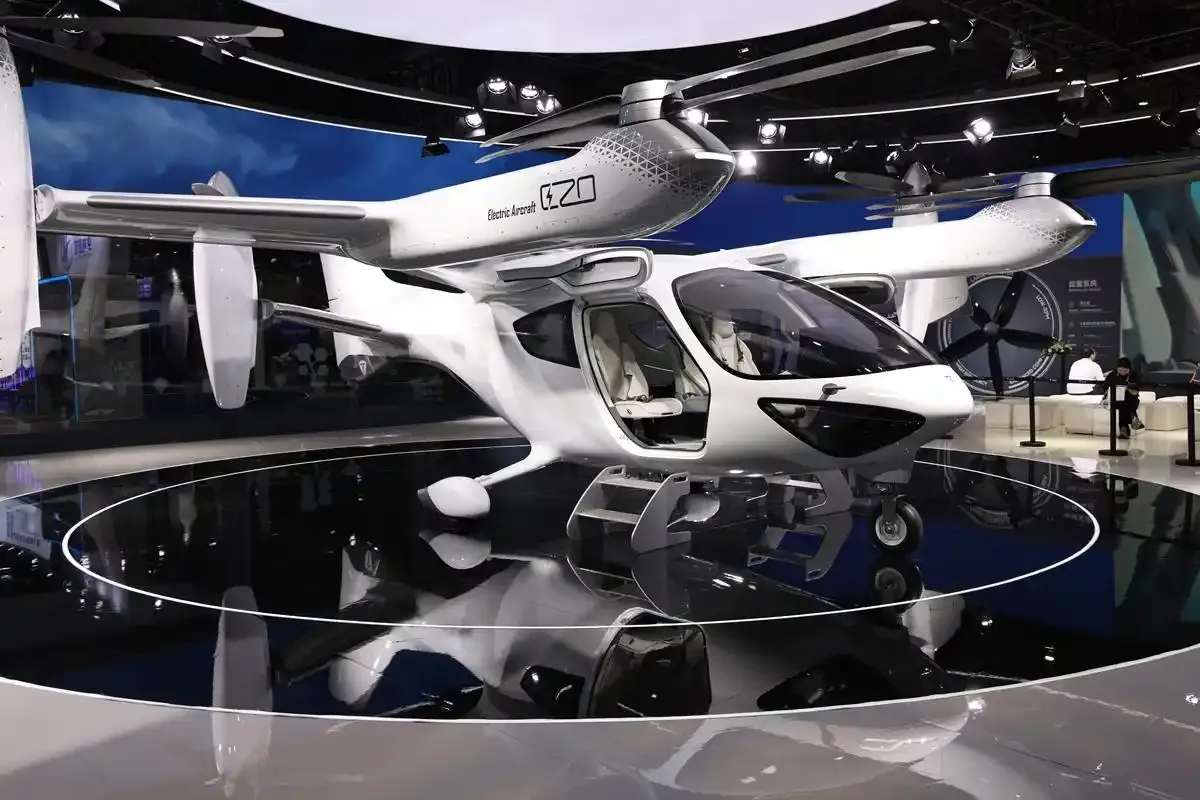
Vertiports in China: The Ground Network Behind Air Mobility

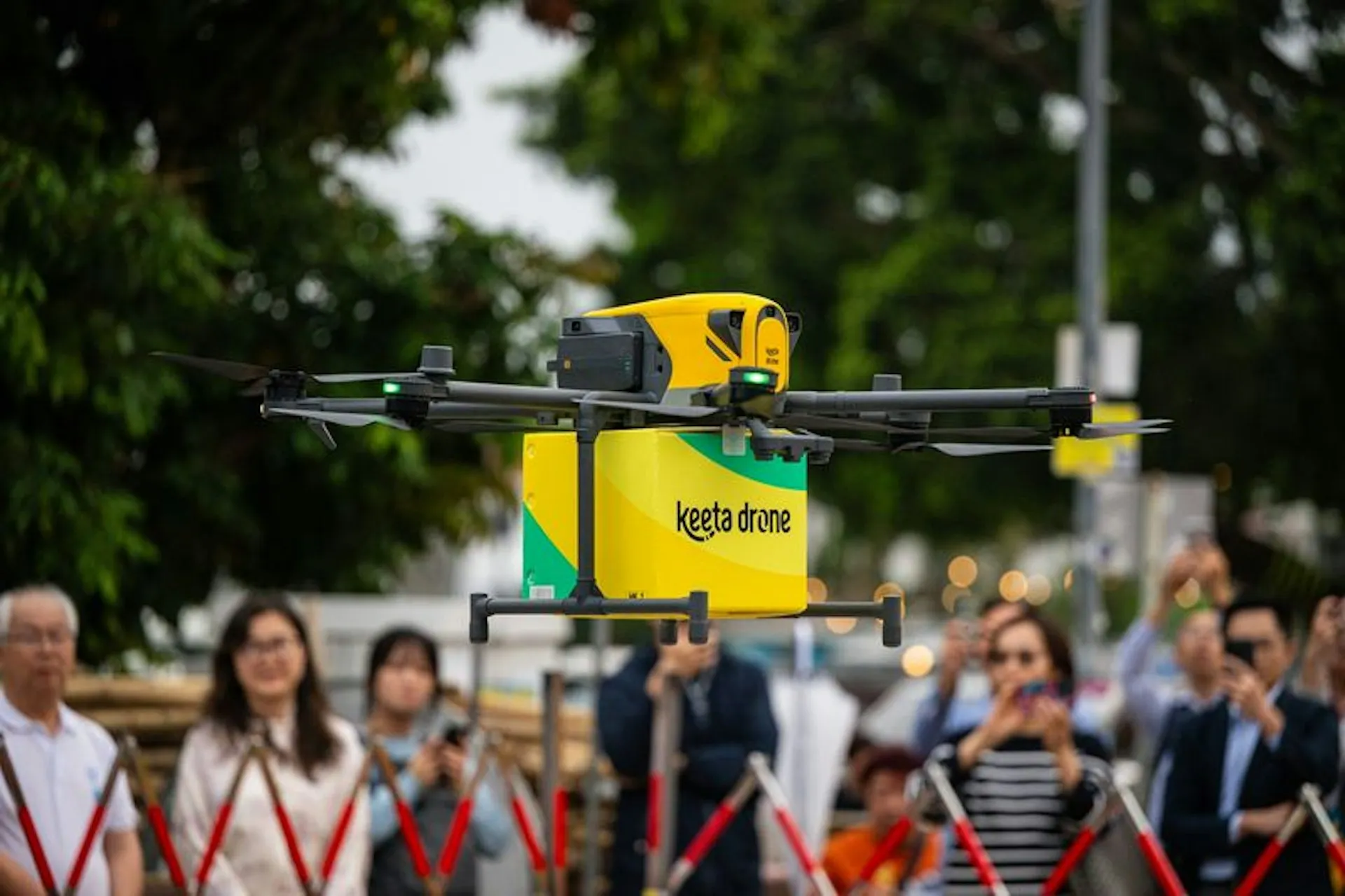
Cargo Drones: China’s Push into Heavy-Lift Air Logistics

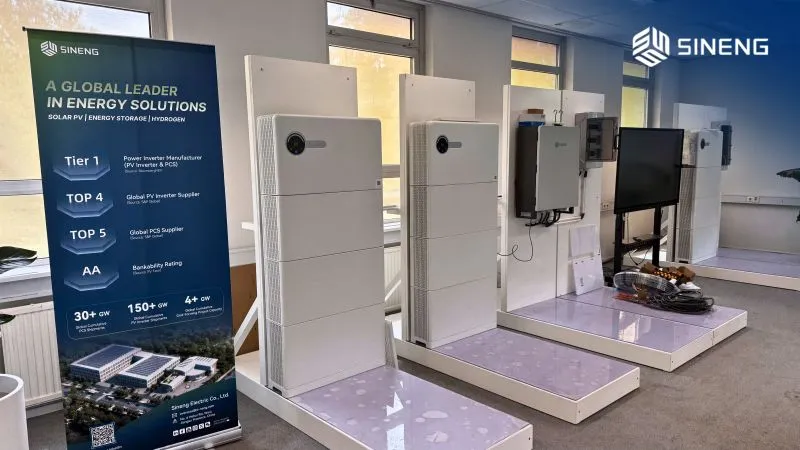
HJT Solar Panels: Cell Structure, Efficiency and Tradeoffs
Ashley Dudarenok is a leading expert on China’s digital economy, a serial entrepreneur, and the author of 11 books on digital China. Recognized by Thinkers50 as a “Guru on fast-evolving trends in China” and named one of the world’s top 30 internet marketers by Global Gurus, Ashley is a trailblazer in helping global businesses navigate and succeed in one of the world’s most dynamic markets.
She is the founder of ChoZan 超赞, a consultancy specializing in China research and digital transformation, and Alarice, a digital marketing agency that helps international brands grow in China. Through research, consulting, and bespoke learning expeditions, Ashley and her team empower the world’s top companies to learn from China’s unparalleled innovation and apply these insights to their global strategies.
A sought-after keynote speaker, Ashley has delivered tailored presentations on customer centricity, the future of retail, and technology-driven transformation for leading brands like Coca-Cola, Disney, and 3M. Her expertise has been featured in major media outlets, including the BBC, Forbes, Bloomberg, and SCMP, making her one of the most recognized voices on China’s digital landscape.
With over 500,000 followers across platforms like LinkedIn and YouTube, Ashley shares daily insights into China’s cutting-edge consumer trends and digital innovation, inspiring professionals worldwide to think bigger, adapt faster, and innovate smarter.
Check your inbox and click the link to confirm.
Don't see it? Check spam or promotions.
You've just read what changed in China. The December innovation tour visits the companies behind that shift. Shenzhen and Guangzhou, five days.
One last step: please confirm your email address and the Tour Mission Brief will be on its way to you.
If you don't see it in a few minutes, it may be sitting in your spam or promotions folder.