CONTENT

WeChat Mini Programs have taken China’s digital landscape by storm, quietly revolutionizing how brands connect with consumers on the country’s most popular social media platform. If you’re a marketer eyeing the Chinese market, understanding WeChat Mini Programs is essential. These “apps within an app” enable users to shop, play, and interact with brands without leaving WeChat’s ecosystem.
Mini Programs have evolved into one of the most widely used features in WeChat’s ecosystem, with over 1.2 billion monthly active users (2024).
In 2025, WeChat’s ecosystem maintains nearly 1 billion daily touchpoints, making Mini Programs a vital channel for brands to connect with Chinese consumers on a large scale. The Mini Program advertising market has also surged, becoming a key investment channel for e-commerce and service-based businesses.
In this comprehensive guide, we’ll explore WeChat Mini Programs, their functionality, and their significance for marketing and e-commerce.
WeChat Mini Programs are small applications that run entirely inside WeChat. They load instantly, require no installation, and usually take less than 10 MB of storage. Users can open them with a single tap and begin interacting immediately.
To fully understand how Mini Programs differ across versions of the app, see our detailed comparison in WeChat vs Weixin: An Essential Guide for Marketers
You can access a Mini Program in several ways:
Once opened, a Mini Program appears and functions like a regular mobile app, but it remains within the WeChat environment. Users can browse, shop, play games, or access services without leaving the platform. They can exit with a simple swipe down, and WeChat keeps a history for quick re-entry.
For businesses, Mini Programs are built using WeChat’s development framework and must pass Tencent’s review. They integrate seamlessly with WeChat’s tools, including WeChat Pay, GPS, and the camera, enabling brands to create interactive, commerce-ready experiences directly in the app.
In short, Mini Programs provide a fast and convenient way for users to engage with your brand while staying within their favorite app, reducing friction and boosting interaction.
There are three ways to obtain a WeChat mini-program.
WeChat has also dramatically expanded discovery options. As of 2025, there are over 41 entry points to access Mini Programs, including links in Moments, embedded menus in Official Accounts, and even integration within H5 pages.
This makes Mini Programs easier to discover than traditional apps, removing friction for users and increasing visibility for brands.
There is no central repository, such as the App Store or Google Play Store, that displays all of WeChat’s Mini Programs. Additionally, only WeChat versions 6.5.3 or later have access to the platform.
Mini Programs place your brand inside this ecosystem, where consumers already spend over 80 minutes a day.
Key advantages for marketers and e-commerce brands:
WeChat’s ecosystem makes Mini Programs inherently viral. Users can share them instantly in chats, groups, or on Moments, creating powerful word-of-mouth exposure.
This structure, known as social fission, turns everyday interactions into a growth engine. It enables brands to acquire new users at a significantly lower cost than traditional advertising while maintaining organic, community-driven engagement.
Mini Programs have also expanded beyond WeChat. Both Douyin and Alipay now support Mini-Program ecosystems, providing brands with a multi-platform presence through a single development approach.
Within WeChat, integrations with JD.com and Taobao create seamless commerce experiences, allowing brands to connect social interactions with large-scale e-commerce networks. This cross-platform reach makes Mini Programs an essential tool for brands targeting China’s connected consumer base.
Mini Programs also give brands access to WeChat’s traffic dividend — a built-in audience of over a billion daily active users. Unlike standalone apps that require heavy promotion, Mini Programs are naturally discoverable through WeChat’s chats, Moments, and Official Accounts. This organic reach dramatically lowers acquisition costs while providing brands with billions of daily consumer touchpoints.
Because Mini Programs are central to Chinese consumer journeys, they should be integrated into your China marketing strategy rather than standing alone.
If you haven’t defined your positioning, media mix, or localization plan, refer to our comprehensive guide on China marketing strategy.
WeChat Mini Programs can function like a complete mobile app inside WeChat. For brands, this means delivering e-commerce, services, and engagement without requiring customers to leave the platform.
Notable features that drive results:
Innovation is driving the next wave of Mini Programs. Brands now use AI-powered chatbots and personalized recommendations to create tailored shopping experiences.
AR try-on tools enable users to preview products virtually, while live-stream shopping inside Mini Programs combines entertainment and commerce in one seamless experience. These features turn Mini Programs into more than a utility — they’re becoming immersive brand destinations.
Because Mini Programs sit inside WeChat, they combine the functionality of an app with the network effects of social media. This allows brands to run campaigns, sell products, and manage customer relationships all in one place — without the cost and friction of developing and promoting a standalone app.
Many leading brands have used Mini Programs to turn WeChat into a hub for sales, loyalty, and engagement. Here’s how different strategies have worked in practice.
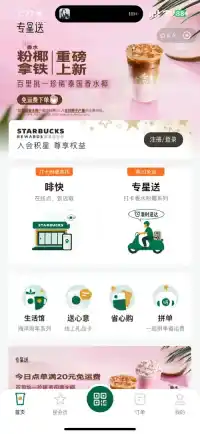
Starbucks operates a comprehensive rewards program within its Mini Program, enabling users to collect points, redeem offers, and place orders ahead. One standout feature, “Say It with Starbucks,” allows customers to send digital coffee coupons to friends, complete with animations and personalized messages. This approach drives both repeat purchases and viral sharing.
Key lesson: Combining loyalty tools with social elements keeps customers engaged and encourages them to talk about your brand.

The “Sweatlife” Mini Program serves as a lifestyle platform where users can sign up for events, join challenges, and shop for gear. It connects online activities with offline experiences, such as in-store workouts and city-wide fitness challenges. The result is a sense of belonging that goes beyond products.
Key lesson: Utilize mini programs to build communities that naturally drive sales.
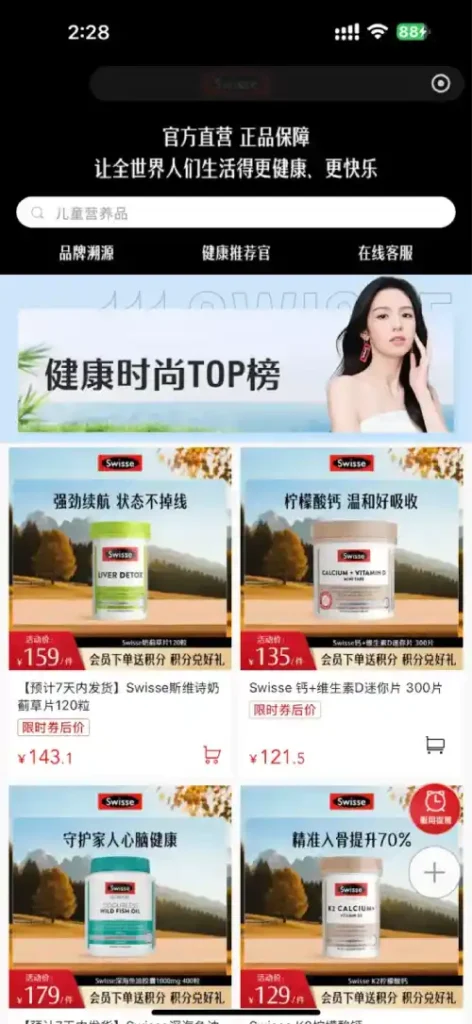
Swisse offers a personal health quiz that recommends supplements based on user goals. Members earn points, receive reminders to take their products, and get rewards for referring friends. These features turn loyal customers into active brand advocates and encourage them to return for updates.
Key lesson: Personalization paired with incentives can significantly increase user retention and advocacy.
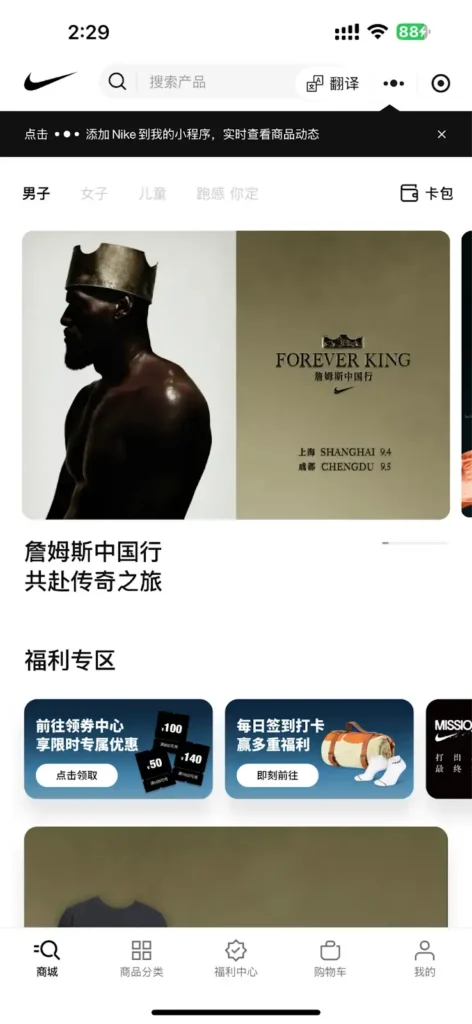
Nike uses its Mini Program for time-sensitive sneaker launches and personalized product suggestions based on browsing and purchase history. Limited releases create a sense of urgency, while tailored recommendations enhance conversion rates and encourage repeat visits.
Key lesson: Exclusivity and relevance drive excitement and repeat purchases.
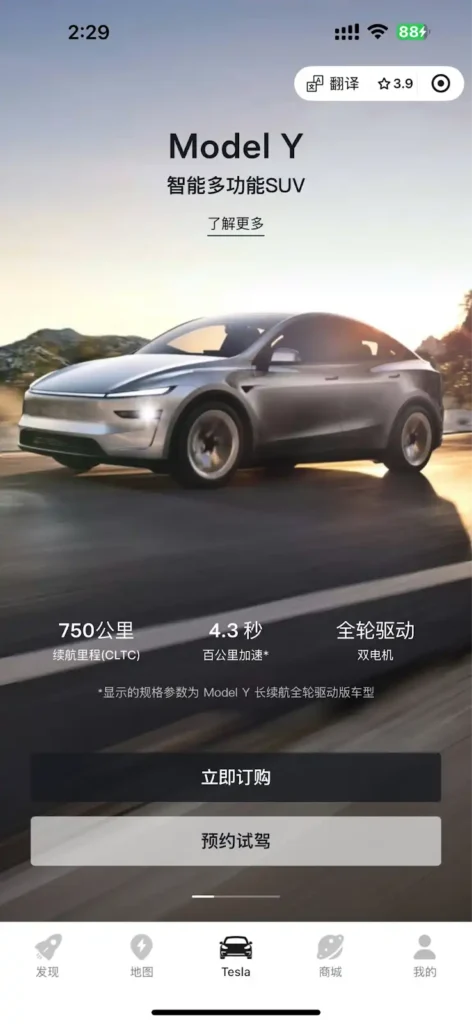
Tesla’s Mini Program focuses on enhancing ownership. Users can locate charging stations, book test drives, and receive brand updates without leaving WeChat. This makes the brand’s services more accessible while maintaining a streamlined experience.
Key lesson: Utility-focused features strengthen relationships with both prospects and existing customers.
Industries Leading the Way with Mini Programs
WeChat Mini Programs have moved far beyond retail and entertainment. They’re now essential infrastructure across multiple sectors:
This cross-industry adoption shows that Mini Programs are no longer an optional marketing tool but a core part of China’s mobile-first economy.
These brand case studies show the real-world power of Mini Programs. If you’d like a speaker to present these strategies live or tailor them to your team, see our China keynote speaker services.
Building a successful Mini-Program requires clear goals, the proper technical setup, and effective promotion. Here’s how to launch effectively.
Decide what the Mini Program should achieve — e-commerce sales, lead generation, loyalty building, or event bookings. Study competitors and note features that resonate with your target audience.
To register a Mini Program, you’ll need a Service Account (preferred for brands) or Subscription Account. Overseas companies may require a local partner for verification.
Design a simple, mobile-friendly journey focused on 2–3 main functions. Plan navigation, visual style, and integrations, such as payment, GPS, or CRM tools.
Decide whether to use an in-house team, a specialized WeChat developer, or an agency. Ensure analytics, WeChat Pay, and necessary APIs are built in from day one..
WeChat checks for policy compliance, functional accuracy, and UI standards. Avoid mismatched descriptions, broken links, or unsupported features.
Drive traffic through:
Track analytics to identify where users drop off and which features they use most frequently. Update regularly with seasonal content, limited-time campaigns, or UX improvements.
Whether you’re launching your first Mini Program or refining an existing one, the right strategy can turn it into a powerful driver of sales, loyalty, and brand engagement in China.
At ChoZan, we help global brands design, launch, and scale Mini Programs that integrate seamlessly into broader marketing and e-commerce strategies. Our team combines deep platform expertise with hands-on knowledge of Chinese consumer behavior to deliver measurable results.
Work with us to:
Book a Consultation today to discuss your WeChat Mini Program strategy and get actionable insights for your next campaign.
You can share a WeChat Mini Program by sending its page link in a chat, posting it in a group, or using its unique QR code. Many Mini Programs also have a “Share” button that lets you forward it directly to friends or groups within WeChat for instant access.
WeChat hosts over 4.3 million Mini Programs, covering e-commerce, services, games, and more. This number continues to grow as brands and developers use them to reach China’s vast WeChat user base. Mini Programs attract hundreds of millions of active users each month, making them one of the most widely used features in the platform’s ecosystem.
WeChat Mini Programs are small applications that run within the WeChat platform, functioning much like standalone apps.
Mini programs offer a simpler development process because they run on a single framework, unlike native apps that require separate iOS and Android versions and extensive testing. This makes Mini Programs more efficient for developers to build and maintain.
WeChat dominates in China because it’s more than a messaging app — it’s a complete platform for chat, payments, shopping, social media, and services. It’s deeply integrated into daily life, from paying bills to booking taxis.
WhatsApp is blocked in mainland China, so WeChat remains the default choice for both personal and business communication.
Yes. Foreign businesses can create a Mini Program, but they must either have a registered Chinese business entity or work with an authorized local partner or agency. This is required to complete Tencent’s business verification process and enable features such as WeChat Pay.
Mini Programs can be accessed anywhere WeChat is available, but certain functions — such as WeChat Pay — may be limited for overseas users without a Chinese bank account. The experience is most complete for users in mainland China.
The cost varies depending on complexity. Simple Mini Programs can be built with templates for a few thousand RMB, while custom, feature-rich versions can cost significantly more. A yearly verification fee of around RMB 300 ($42) also applies.
They can send limited “subscription messages” or service notifications, usually triggered by a user action (such as placing an order or signing up for an event). Broad push notifications are not allowed.
Standard methods include QR codes on packaging or in stores, WeChat Official Account menus, Moments ads, influencer partnerships, and offline-to-online campaigns. Many brands also run time-limited promotions inside the Mini Program to encourage sharing.