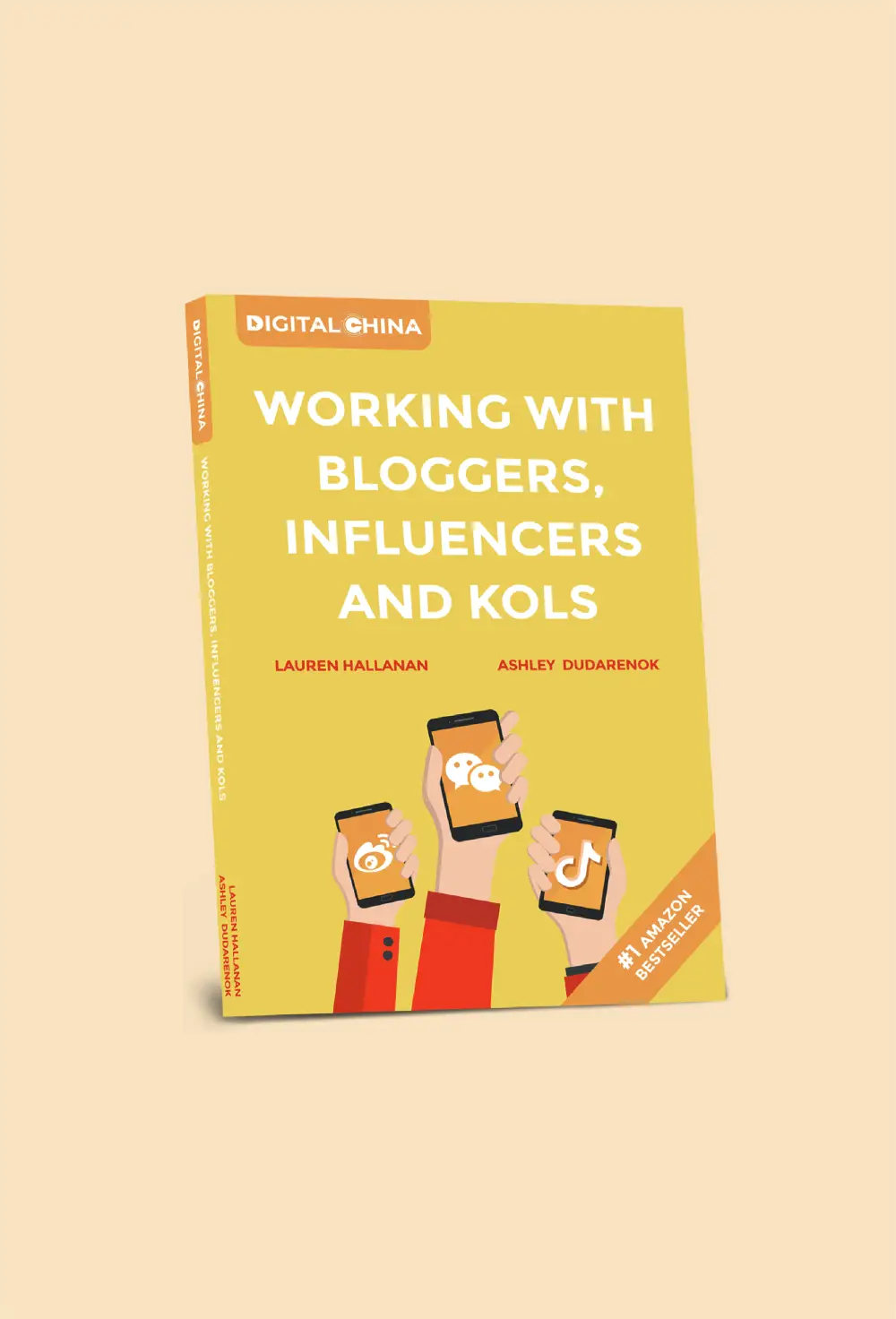
DIGITAL CHINA: WORKING WITH BLOGGERS, INFLUENCERS AND KOLS
Welcome to ChoZan’s curated collection of game-changing books designed to guide businesses through China’s rapidly evolving digital landscape. As one of the largest and fastest-growing online markets, China offers unique challenges and immense opportunities for businesses aiming to engage with Chinese consumers. In this series, we provide expert insights, real-world examples, and actionable strategies that will equip you to succeed in China.
The third book in the series, Digital China: Working with Bloggers, Influencers, and KOLs, is an essential read for anyone looking to harness the power of KOL (Key Opinion Leader) marketing, social commerce, and influencer strategies in China. Whether you’re new to the market or seeking to refine your existing strategies, this book is packed with tips, tricks, and case studies to help you build successful partnerships with KOLs and influencers in one of the world’s most dynamic consumer markets.
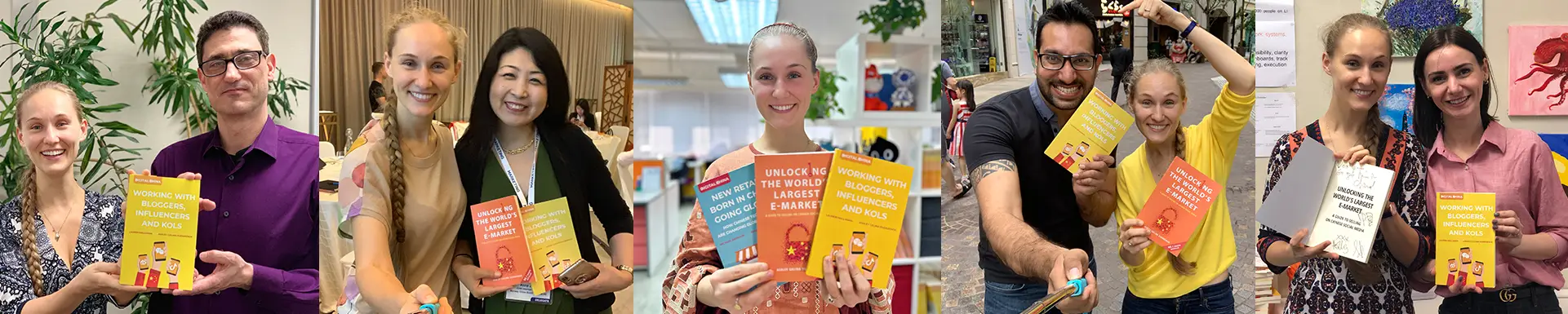
Digital China: Working with Bloggers, Influencers, and KOLs offers a deep dive into one of the most powerful marketing tools in China today: Key Opinion Leaders (KOLs). KOLs in China are not just influencers; they are trusted advisors whose opinions can drive massive shifts in consumer behavior. In this book, you will learn about the most influential KOL platforms in China, how to identify the right KOL for your brand, and how to launch effective KOL campaigns that resonate with Chinese consumers.
China’s social media landscape is unlike any other, and understanding the nuances of working with Chinese bloggers and influencers is crucial. From WeChat and Weibo to Douyin (TikTok’s Chinese counterpart), these platforms are where influencers and KOLs thrive, shaping trends, purchasing behaviors, and consumer attitudes.
This book combines the expertise of Ashley Dudarenok, a seasoned China digital expert, and Lauren Hallanan, a former Chinese social media influencer, to give you firsthand insights and real-life examples from China’s top influencers and brands.
WHY DOES KOL MARKETING IN CHINA MATTER
In recent years, KOL marketing (Key Opinion Leader marketing) has become one of the most powerful tools for reaching Chinese consumers. In 2023, China’s influencer marketing market reached an impressive $13.8 billion (approximately ¥1000 billion), marking a 16.3% growth year-over-year. For any brand hoping to succeed in China, particularly in the highly competitive consumer market, working with KOLs and influencers is a necessity.
China’s KOL ecosystem is fundamentally different from the influencer market in the West. In China, KOLs don’t just promote products—they shape attitudes, influence buying decisions, and create authentic connections with their followers. The trust that Chinese consumers place in KOLs is profound, making them an essential part of any successful marketing strategy. Whether it’s through WeChat, Weibo, Douyin (TikTok in China), or RedNote, KOLs have the power to drive massive shifts in consumer behavior.
SHIFTING CONSUMER BEHAVIOR AND TRUST IN KOLS
Unlike in Western markets where large influencers dominate, China has witnessed the rise of micro and niche influencers—the so-called “mid-tier” KOLs. These influencers may have smaller follower counts, but their reach is much more authentic, and their engagement levels are significantly higher. The trend has seen many luxury and fashion brands turn to these smaller yet highly engaged influencers. This approach taps into a more specific audience and creates deeper consumer trust than relying solely on influencers with millions of followers.
For example, food bloggers, lifestyle influencers, and even travel KOLs on platforms like Bilibili have gained immense popularity for offering relatable content. These influencers typically share their daily routines, authentic opinions, and real-world experiences, which resonate with audiences seeking more genuine connections in a fast-paced digital world. Their influence is especially significant in a time when consumers are overwhelmed by the flood of digital ads and looking for a more grounded experience
THE RISE OF MICRO-INFLUENCERS IN CHINA
Micro-influencers have become a driving force in China’s influencer marketing space, especially within the fashion and beauty industries. Brands have increasingly shifted their focus toward mid-tier KOLs for more targeted, cost-effective campaigns. For instance, Gucci, a luxury brand known for its high-end products, chose to collaborate with influencers who don’t just promote fashion but offer personal narratives that align with their target audience’s values. A campaign on Bilibili targeting younger audiences saw influencer videos centered on personal stories of romantic travel and first dates, which helped drive a 200% increase in sales during the campaign period.
This approach exemplifies a shift in marketing tactics: it’s not only about selling a product; it’s about selling a story and aligning the brand with the emotional needs of consumers. As micro-influencers become more prominent, global brands are recognizing the importance of authenticity and trust over sheer follower count.
SOCIAL COMMERCE AND KOL INTEGRATION
The rise of social commerce has further amplified the importance of KOLs in China’s retail landscape. Platforms like Douyin (TikTok), Little Red Book, and WeChat are increasingly being used for both brand discovery and direct purchases. Through KOL collaborations, brands can seamlessly integrate content with e-commerce, leading to higher conversion rates. Chinese consumers are not just influenced by KOLs, they are motivated to make purchases directly based on recommendations and live-streamed events.
For instance, during Singles’ Day (11.11), KOLs on Douyin collaborated with major brands to run live-stream sales events, offering exclusive promotions and showcasing real-time product demos. These campaigns have led to massive sales spikes, particularly in fashion, beauty, and technology sectors. In 2025, it’s expected that social commerce in China will continue its explosive growth, reaching a projected market size of $75 billion, solidifying KOL-driven sales as a core component of the digital retail ecosystem.
NEW GENERATIONS AND CHANGING VALUES
As Generation Z becomes a dominant force in the Chinese market, their preferences are reshaping how brands engage with KOLs. Unlike previous generations, Gen Z is less likely to be swayed by traditional advertising. They value authenticity, sustainability, and social impact. This is why fashion brands like Gucci have increasingly turned to niche influencers whose followers share these same values.
According to a recent report by Hurun, high-net-worth individuals in China are increasingly seeking out KOLs in specific verticals—food influencers rank first, followed by fashion and finance KOLs. These insights suggest that brands targeting affluent consumers must tailor their KOL partnerships to reflect consumer expectations of transparency and ethics.
IMPACT OF THE PANDEMIC ON KOL MARKETING
The COVID-19 pandemic played a pivotal role in accelerating China’s digital transformation, leading to an explosion of online shopping and virtual events. As a result, KOL marketing has shifted even more toward live-streaming, short-form video, and interactive content. With lockdowns and social distancing, influencers became the key bridge between brands and consumers, offering live-streamed product launches, Q&A sessions, and virtual shopping experiences.
This trend is expected to continue post-pandemic, with a rise in virtual shopping and e-commerce integrations in live-streaming platforms. The post-pandemic era will see an even greater reliance on KOLs to drive consumer engagement in an increasingly digital-first economy.
WHAT SETS KOL MARKETING APART IN CHINA?
KOLs in China don’t just influence consumer behavior—they shape trends, promote social causes, and drive the cultural zeitgeist. Their credibility and trustworthiness make them indispensable in the Chinese marketing ecosystem. For brands, it’s not just about partnering with the most popular influencer—it’s about finding those who align with their values and have true influence over their specific target audience.
KOLs in China hold a unique power that Western influencers do not yet command. The depth of their connection with their followers, combined with China’s digital infrastructure, creates an environment where influencers have the ability to directly shape consumer habits and drive sales in a way that is unmatched globally.
KEY HIGHLIGHTS: WHAT YOU NEED TO KNOW ABOUT KOL MARKETING IN CHINA
In this section, we highlight the essential takeaways from Digital China: Working with Bloggers, Influencers, and KOLs to equip you with the knowledge you need to succeed in China’s influencer marketing landscape.
THE POWER OF KOL PLATFORMS
Learn which platforms are at the forefront of KOL marketing in China, and how to leverage them effectively to reach your target audience.
FINDING THE RIGHT INFLUENCER
Discover the strategies for selecting the most relevant KOLs for your brand, from identifying niche influencers to using the right platform for your campaign goals.
EFFECTIVE KOL CAMPAIGNS
Gain insights into building strategic KOL campaigns that engage and convert consumers, with a focus on the Chinese consumer’s unique behavior and preferences.
KOL CASE STUDIES IN ACTION
Read real-life examples of successful KOL collaborations, and understand how brands have navigated the Chinese market to build trust and boost sales.
NAVIGATING SOCIAL COMMERCE IN CHINA
Understand the importance of social commerce and how KOLs drive online sales through live-streaming and interactive content.
KEY TAKEAWAYS: HOW TO MASTER KOL MARKETING IN CHINA
Here, we distill the key strategies and lessons learned from the book, offering you actionable takeaways that will help you adapt to China’s ever-evolving influencer marketing landscape.
INTEGRATING KOLS INTO YOUR MARKETING STRATEGY
Learn how to integrate KOL marketing into your broader strategy, making them an essential part of your brand awareness, engagement, and sales funnel.
PERSONALIZATION AND ENGAGEMENT
Discover the importance of personalized content and genuine interaction with KOLs to build lasting relationships with consumers.
LEVERAGING DATA FOR CAMPAIGN SUCCESS
Understand how data and analytics can drive more targeted KOL campaigns, optimizing the impact of your influencer partnerships.
EXPANDING BEYOND MAINSTREAM INFLUENCERS
Explore the growing significance of micro-influencers and niche KOLs who can help your brand tap into specific, highly-engaged audiences.
PLATFORM DIVERSIFICATION
Dive into China’s major platforms like WeChat, Douyin, and RedNote, and learn how to optimize campaigns for each platform's unique audience and format.
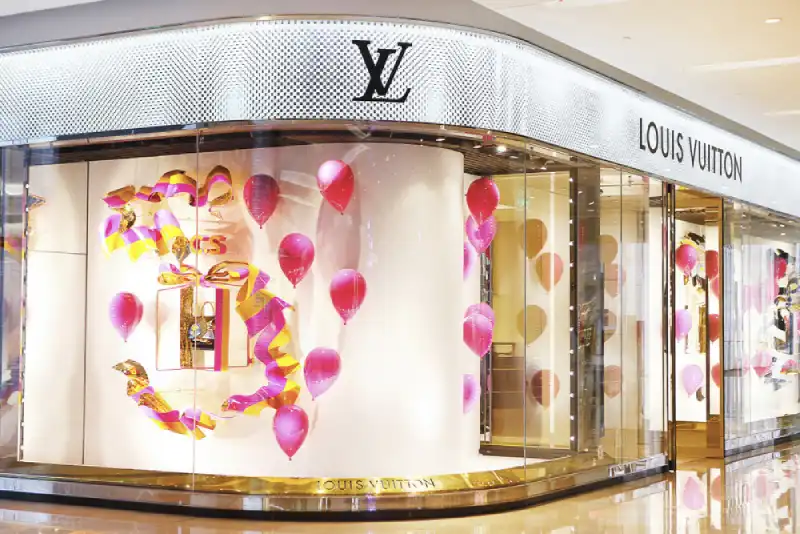
KOL MARKETING CASE STUDY: LV'S SUCCESS WITH Z-GENERATION INFLUENCERS IN CHINA
Louis Vuitton (LV), a leading global luxury brand, has continually showcased its adaptability to shifting market dynamics. A standout example of this is its recent partnership with three Z-generation influencers in China for the 2025 Spring Campaign. These influencers—@Tansuanyinliaobaibai (碳酸饮料拜拜, a prominent Chinese fashion blogger), Madeline Argy (a UK-based TikTok influencer), and Flowerovlove (a London-based music artist)—were selected for their strong appeal to younger consumers and their significant influence across platforms like WeChat, RedNote, and Bilibili.
STRATEGIC SHIFT: EMBRACING MICRO-INFLUENCERS
The decision to collaborate with micro-influencers and niche KOLs reflects a strategic pivot for LV. While traditional luxury brands often rely on global megastars such as Zendaya or Lisa for representation, LV’s choice to partner with locally relevant influencers signals a new approach. Influencers like @Tansuanyinliaobaibai have cultivated a dedicated following within the Chinese fashion scene, aligning their style with the values of youth culture. While these influencers may not boast the vast followings of top global celebrities, their engagement rates are significantly higher, making them more effective in reaching niche audiences among the burgeoning Z-generation in China.
@Tansuanyinliaobaibai, with close to 300 million followers, brings authenticity to the campaign as a voice for self-expression and individuality. She challenges traditional beauty standards in China by embracing street style, skillfully mixing high-end luxury brands like Chanel with more affordable or local labels. This approach resonates deeply with Chinese youth, who are increasingly questioning conventional norms and seeking brands that embody diversity and authenticity.
WHY THIS STRATEGY WORKED
In line with its digital transformation, Nike embraced a DTC strategy to foster stronger, more direct relationships with consumers. This shift allowed Nike to bypass intermediaries and engage directly with its customer base, giving the brand more control over consumer experiences and data.
Nike’s DTC strategy includes:
1. Cultural Relevance
The Z-generation in China values authenticity, self-expression, and individuality over traditional notions of luxury. By collaborating with influencers who embody these principles, LV was able to forge genuine connections with younger consumers, reinforcing its relevance in the modern marketplace.
2. Local Adaptation
In contrast to previous strategies that leaned heavily on global stars, LV embraced local influencers who resonate more strongly with Chinese audiences. In a market dominated by local trends and preferences, micro-influencers provide a distinct advantage over international influencers, whose appeal may not translate effectively
3. Diversification of Influencers
LV’s collaboration with influencers from varied backgrounds—fashion, music, and lifestyle—enabled the brand to appeal to diverse segments within the Z-generation. This diversified influencer strategy allowed LV to penetrate niche markets while maintaining the exclusivity that is fundamental to the luxury sector.
4. Integrated Approach to Social Commerce
The campaign effectively integrated KOL influence with direct sales through platforms like RedNote and WeChat. For instance, @Tansuanyinliaobaibai’s video posts included direct links for viewers to purchase featured products, facilitating immediate sales while enhancing brand visibility.
5. Strong Social Proof
Influencers showcased LV products in authentic contexts—integrating luxury into everyday life rather than just on the runway. This demonstrated that luxury can be accessible and relatable, appealing to younger consumers who prioritize experiences over mere products. This approach fosters social proof, making the brand not only aspirational but also approachable.
WHO IS THIS BOOK FOR?
Digital China: Working with Bloggers, Influencers, and KOLs is perfect for:
BUSINESS OWNERS
If you're expanding into China and want to understand how to leverage KOLs and influencers to boost your brand's presence, this book is for you.
MARKETING PROFESSIONALS
Whether you’re in digital marketing, social media, or e-commerce, this book provides you with real-world strategies for engaging with Chinese influencers.
ENTREPRENEURS AND STARTUPS
If you’re looking to break into the Chinese market, knowing how to work with KOLs will give you the edge you need to succeed.
GLOBAL BRANDS
Established companies looking to tailor their marketing strategies to China’s digital ecosystem will find valuable insights and examples to optimize their KOL campaigns.
About The Authors
ASHLEY DUDARENOK
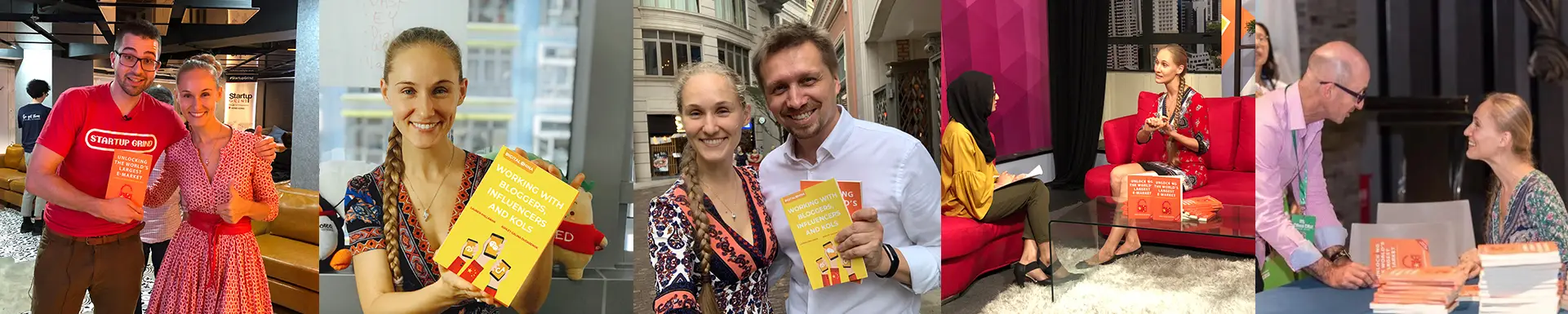
Ashley Dudarenok is a globally recognized expert on China’s digital economy, a serial entrepreneur, and the author of 11 acclaimed books on digital China. Her works explore the fast-evolving trends in Chinese marketing, technology, and consumer behavior, offering readers unique insights into one of the world’s most dynamic markets.
Named a “Guru on fast-evolving trends in China” by Thinkers50 and one of the world’s top 30 internet marketers by Global Gurus, Ashley is the founder of ChoZan 超赞, a consultancy specializing in China research and digital transformation, and Alarice, a digital marketing agency helping international brands succeed in China. Through her companies, she empowers businesses to bridge the gap between China’s digital innovations and global strategies.
As a LinkedIn Top Voice in Marketing, Ashley’s expertise is followed by over 500,000 professionals across LinkedIn, YouTube, and other platforms, where she shares daily insights into China’s digital breakthroughs. She is also a sought-after keynote speaker, having delivered talks for world’s leading companies like Shell, Microsoft, Alibaba and many others.
Ashley’s expertise has been featured in the BBC, Forbes, SCMP, Bloomberg, and major media outlets worldwide. Her books and thought leadership continue to inspire professionals and businesses eager to learn from China’s unparalleled digital growth and innovation.
LAUREN HALLANAN
Laureen Hallanan is a seasoned marketing leader and expert on China’s digital landscape. She is the Director of Marketing at Salesforce, where she leads marketing efforts for the company’s strategic partnership with Alibaba Cloud and its China-focused products. Previously, Laureen served as Head of Marketing at Chatly, VP of Live Streaming at The Meet Group, and the founder of chinamktginsights.com, a digital media platform dedicated to chronicling the rise of Chinese brands.
Laureen is the co-author of the Amazon bestselling book Digital China: Working with Bloggers, Influencers, and KOLs, a contributing writer for Forbes and Jing Daily, and the former host of the China Marketing Podcast. Her work offers invaluable insights into navigating China’s fast-evolving digital ecosystem and working with its influential content creators.
With a unique background that includes being a live streamer in China with over 400,000 fans, Laureen brings firsthand experience and a deep understanding of the intersection between technology, culture, and consumer behavior in China. She is a thought leader in digital marketing and a trusted voice for professionals looking to succeed in one of the world’s most innovative markets.
WHAT ARE PEOPLE SAYING?
If you are new to digital marketing, Digital China: Working with Bloggers, Influencers, and KOLs by Ashley Galina Dudarenok is a great place to start. Using her experience and first-hand knowledge of digital marketing, the author presents the information in a clear way that even beginners can follow and understand. The author explains the rise of collaborating with bloggers, influencers, and KOLs (key opinion leaders) to find consumers. If you are trying to get people to your website or sell products, working with these types of people can do huge things for your business. While the book is written specifically for China, the lessons the author shares can be used anywhere since the internet is universal.
Jen C
While I’ve been marketing in the US for nearly a decade, I have little experience in China. The insights and clear, thoughtful writing in this book helped break down the complexities of this space. In addition to explaining the evolution of China’s influencer market, co-authors Ashley Galina Dudarenok and Lauren Hallanan offer practical tips on working with Chinese KOLs (key opinion leaders). I recommend this book to any marketer or entrepreneur looking to break into the Chinese market!
Sara DeForest
If you are new to digital marketing, Digital China: Working with Bloggers, Influencers, and KOLs by Ashley Galina Dudarenok is a great place to start. Using her experience and first-hand knowledge of digital marketing, the author presents the information in a clear way that even beginners can follow and understand. The author explains the rise of collaborating with bloggers, influencers, and KOLs (key opinion leaders) to find consumers. If you are trying to get people to your website or sell products, working with these types of people can do huge things for your business. While the book is written specifically for China, the lessons the author shares can be used anywhere since the internet is universal.
Jen C
Faq About Digital China
Who are KOLs and KOCs in China?
KOLs (Key Opinion Leaders) are influential figures on Chinese social media who have built large followings through their expertise, lifestyle, or content. They can range from micro-influencers to mega-influencers, and their followers typically trust their opinions and recommendations.
KOCs (Key Opinion Consumers) are regular consumers or even employees who influence their peer groups through authentic, word-of-mouth reviews. They tend to have smaller followings but higher engagement rates and are seen as more trustworthy.
Why do I need to work with KOLs/KOCs in China?
KOLs and KOCs hold significant sway over Chinese consumers’ purchasing decisions. In China, social proof is essential for gaining trust and credibility. KOLs and KOCs often act as trusted advisors to their followers. Collaborating with them helps your brand gain visibility and influence consumer choices, as platforms like RedNote and Douyin are built around peer recommendations and product discovery.
How to find KOLs?
Identifying the right KOL for your brand requires understanding your target audience. Platforms like WeChat, Weibo, Douyin, and RedNote are excellent starting points. You can search for KOLs by keywords related to your industry or use influencer marketing platforms like Wei-Task and Taobao List Index, where you can access KOL rankings and insights. Agencies specializing in KOL marketing can also help connect you with the right influencers for your brand.
How do I evaluate the results of KOL promotions?
To assess the success of a KOL campaign, track metrics like engagement rate (likes, shares, comments), reach (views and impressions), click-through rate (for links), sales conversion, and follower growth. The data from social platforms like RedNote and Douyin can also provide real-time feedback, allowing you to optimize your approach in future campaigns.
Do all KOLs in China have fake followers?
While not all KOLs in China have fake followers, it’s a common issue in the industry. Some influencers buy followers to inflate their numbers or meet KPIs. To avoid working with KOLs who inflate their influence, brands should vet potential KOLs carefully, using platforms that authenticate engagement rates or working with agencies that specialize in data verification.
Who are Viya and Li Jiaqi?
Viya is a famous live-streamer who earned the title ‘Livestream Queen’ for her ability to sell millions of products during live broadcasts. She’s known for her personal charm and ability to engage with her audience while promoting a range of products.
Li Jiaqi, often called the ‘Lipstick King’, is another live-streaming sensation. He is best known for selling lipsticks on live-streaming platforms, where he once sold 15,000 lipsticks in 5 minutes. His influence has made him a top KOL in China’s beauty industry.
Are KOLs and live-streamers the same?
Not all KOLs are live-streamers, but many live-streamers are indeed classified as KOLs. KOLs represent a broader group of influencers who may use blogs, social media, or videos, while live-streamers specifically engage their audience through real-time broadcasts, which is a highly popular format in China, especially on platforms like Douyin and Taobao Live.
What are the benefits of working with KOLs in China?
Collaborating with KOLs allows brands to tap into large, loyal audiences and drive sales, particularly in the social commerce space. KOLs help create a trustworthy image for brands and increase consumer engagement through authentic content, which is particularly important in a market where consumers are sensitive to marketing tactics. Moreover, KOLs bring cultural relevance and localized knowledge, ensuring your brand message resonates with the target market.
What are the most popular KOL platforms in China?
The most popular platforms for KOLs in China include WeChat, Weibo, Douyin (Chinese TikTok), and RedNote. These platforms are where influencers drive engagement and product recommendations. Bilibili is also a growing platform, particularly for younger audiences interested in anime, gaming, and lifestyle content. Each platform has its own demographic, so understanding which platform works best for your target audience is key.
How can I measure the return on investment (ROI) for KOL marketing?
Measuring ROI for KOL campaigns requires monitoring both qualitative and quantitative metrics. On the quantitative side, track metrics like sales, traffic from KOL links, click-through rates, and conversion rates. On the qualitative side, measure brand sentiment, engagement quality, and consumer feedback on social platforms. Using tools like Google Analytics and platform insights from Weibo or Douyin will also give a clear picture of how well your KOL marketing efforts are performing.
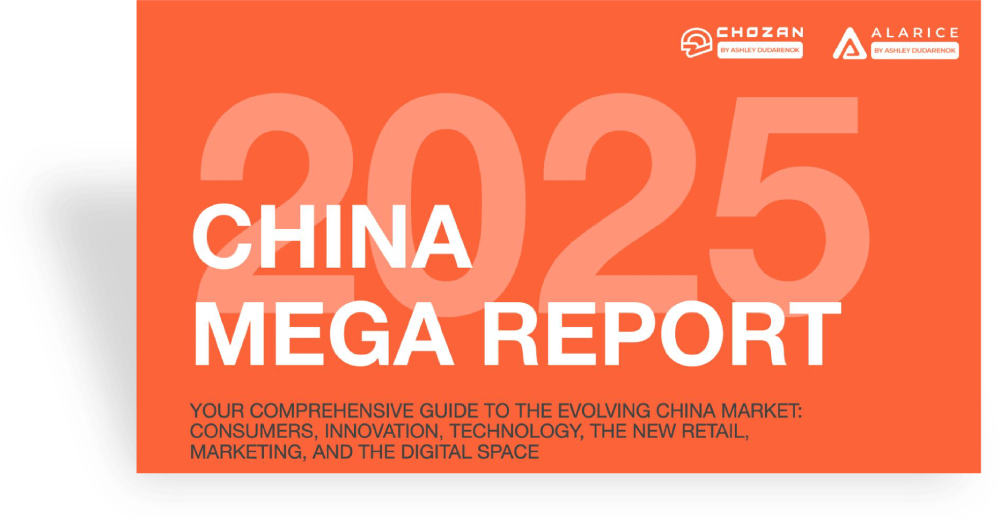
Get Your Free China Report
China Mega Report 2025 is here! It’s 700 insightful page on. China’s consumers, innovation, technology, new retail, marketing, and digital space. The report is your ultimate resource for navigating the complexities of the China market in 2025 and beyond.

READY TO EMBRACE NEW RETAILS IN CHINA?
Are you ready to harness the power of KOLs and KOCs to elevate your brand in China’s digital landscape? Digital China: Working with Bloggers, Influencers, and KOLs is your ultimate guide to influencer marketing in China.
This book provides strategies, real-life examples, and insights to connect with influencers and drive engagement on platforms like WeChat, Douyin, and RedNote.
Grab Your Copy Now and Boost Your Brand in China!


More Reports From Chozan
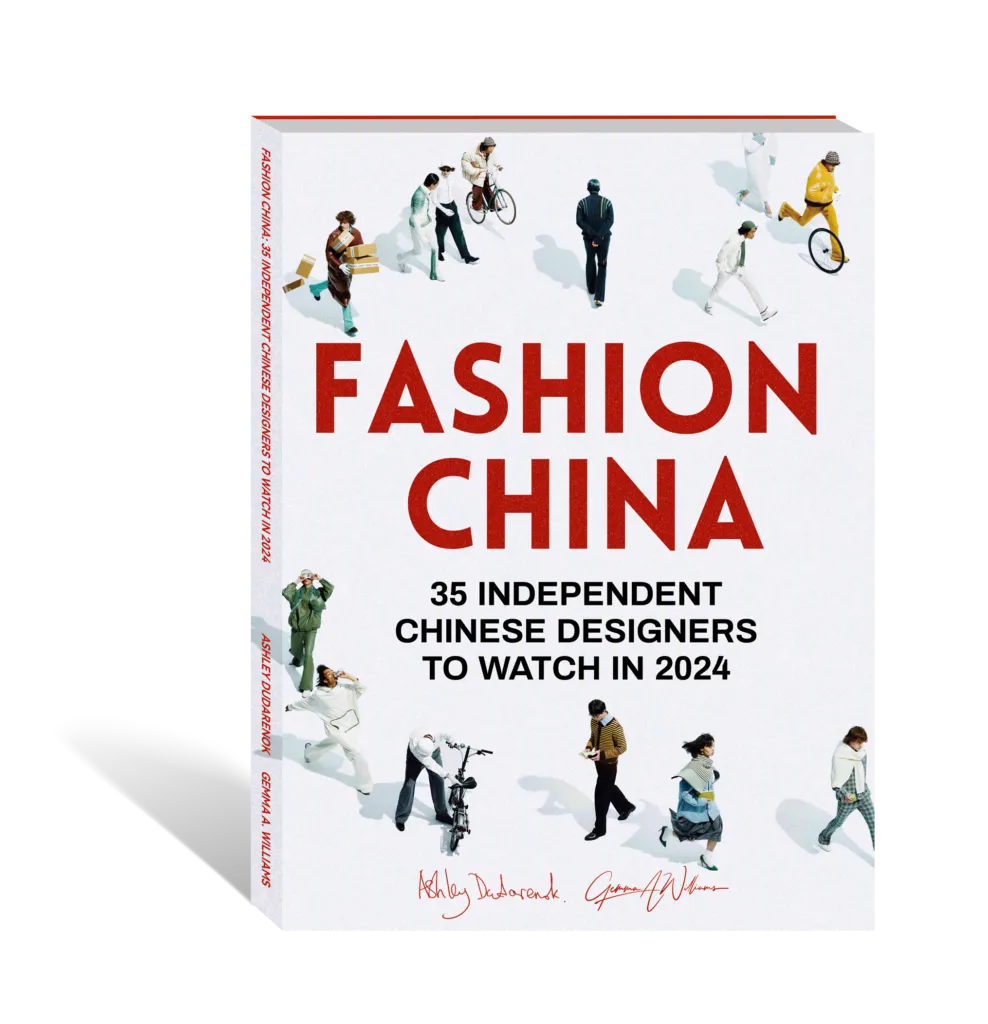
FASHION CHINA:
35 INDEPENDENT DESIGNERS SHAPING THE FUTURE
CHINESE CONSUMERS:
SUPER MUMS AND DADS
CHINA TOURISM REPORT:
HOW TO WIN WITH CHINESE TOURISTS IN 2023

CHINA MEGA REPORT 2025
ANNUAL 700 PAGE REPORT ON THE CHINESE MARKET, INNOVATIONS AND CONSUMERS

GEN Z UNVEILED:
UNDERSTANDING CHINA’S NEXT WAVE OF CONSUMERS

CHINESE CONSUMERS:
PET LOVERS