CONTENT

What defines beauty in China today—and why is the world paying attention? From porcelain skin to V-shaped faces, Chinese beauty standards are more than personal preference; history, media, and digital culture shape them. Rooted in imperial ideals and refined over centuries of art, these standards now evolve in real-time on platforms like Douyin and RedNote.
Cosmetic surgery, multi-step skincare, and viral filters reflect a pursuit of ancient and modern perfection. At the same time, a growing wave of youth-led resistance is challenging rigid norms, promoting body positivity, and embracing individuality.
Whether celebrated, critiqued, or imitated, Chinese beauty standards now have an undeniable global influence. This guide breaks down the transformation’s past, present, and future.
Here’s a brief overview of the following article:
Support from CHOZAN: CHOZAN helps brands decode these fast-moving beauty trends and cultural shifts through training, insights, and strategy workshops. Work with CHOZAN to bridge global strategy with local cultural fluency.
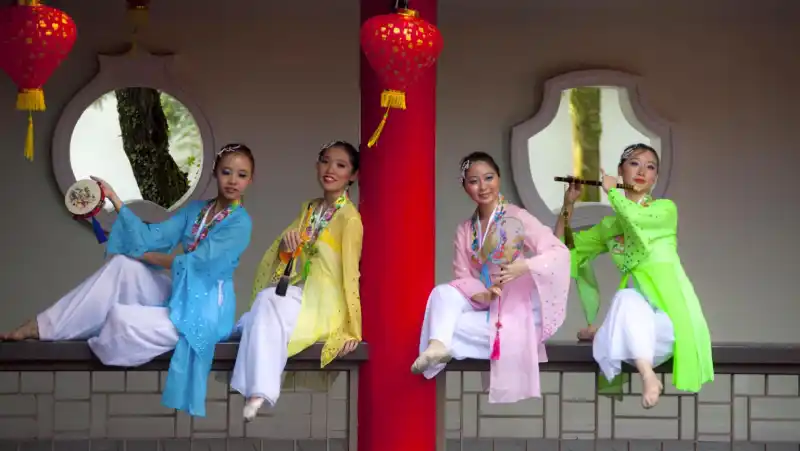
Chinese beauty standards are deeply rooted in history. Elegance and virtue were closely tied to physical appearance. As early as the Tang and Ming dynasties, feminine ideals reflected the cultural values and aesthetic preferences of each era.
In the Tang Dynasty (618–907), beauty was defined by a fuller, robust figure, which was seen as a sign of wealth and confidence. Yang Guifei, a famous imperial consort, embodied this ideal with her curvaceous form.
By the Song and especially the Ming Dynasty (1368–1644), preferences shifted toward a more delicate look. Slender frames, petite features, and bound feet became associated with refinement and modesty, which aligns with Confucian values.
This shift—from celebrating fullness to favoring fragility—illustrates how beauty ideals adapted to evolving cultural expectations.
Classical Chinese art and literature played a significant role in shaping and disseminating these ideals. Tang court painter Zhou Fang depicted women with round faces and fuller figures, reinforcing the aesthetic of the time. Poets described admired traits with metaphors like “moth-like eyebrows” and “willow waists.”
By the Ming and Qing periods, portraits and verse celebrated demure expressions and delicate features. Fair skin, often likened to jade or snow, was highly valued as a sign of status and refinement. These depictions didn’t just reflect taste—they helped codify standards that women across generations sought to emulate.
Traditional Chinese Medicine (TCM) has long viewed beauty as a reflection of internal health. Empress Wu Zetian reportedly used crushed pearl powder and egg whites to maintain a smooth complexion, while Empress Dowager Cixi favored jade rollers to boost circulation.
Practices like acupuncture and herbal treatments—such as ginseng, goji berries, or snow fungus—were believed to nourish the skin and slow down the aging process. This holistic view of beauty laid the foundation for China’s modern skincare philosophy, where balance and wellness remain central.
Beauty ideals in China today reflect a blend of tradition, digital media, and global pop culture. While many still admire classical features, modern influences from K-pop and Western entertainment have reshaped the pursuit and presentation of beauty.
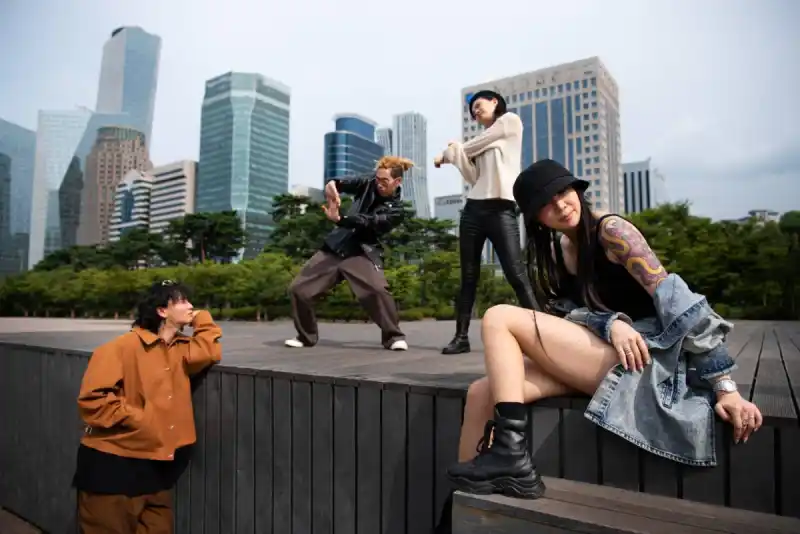
Korean pop culture continues to set beauty trends across China. Korean trends introduced the dewy skin, wide eyes, and V-shaped face look, which now influence modern Chinese beauty ideals.
Korean-style aesthetics—such as straight brows, soft blush, and gradient lips—have become an integral part of daily styling routines. South Korea’s influence extends to cosmetic procedures, inspiring popular features such as double eyelids and contoured jaws.
At the same time, Western ideals are gaining traction. Many Chinese women now see tanned skin as a sign of health and confidence, in contrast to the long-held preference for fair complexions.
Hollywood films and global fashion have introduced sharper features, higher nose bridges, and more sculpted profiles as aspirational. These shifting ideals reflect how international media continues to broaden the definition of beauty in China.
Skincare is a cornerstone of Chinese beauty culture. Young consumers increasingly commit to multi-step routines, prioritizing clear, radiant skin over heavy makeup.
The rise of Korean beauty in the 2010s popularized layering products, and by 2024, that approach remains the norm in China.
Standard products in daily routines include:
In 2024, millions of sheet mask products were registered in China, and daily masking has become a common practice. BB cream transformed makeup habits by introducing a light, breathable alternative to full-coverage foundation. Chinese brands quickly adapted, offering formulas that enhance natural texture and brightness while preserving the skin’s glow.
This skincare-first mindset has led to rising demand for treatments that promise refined, luminous skin. The goal—often described as achieving a “glass skin” effect—is a smooth, light-reflective complexion that appears effortlessly healthy.
To achieve it, many turn to noninvasive treatments like:
Even college students start these procedures early, viewing them as preventive care rather than a luxury. In today’s China, skincare is more than a routine—it’s a lifestyle linked to self-discipline, status, and long-term beauty.
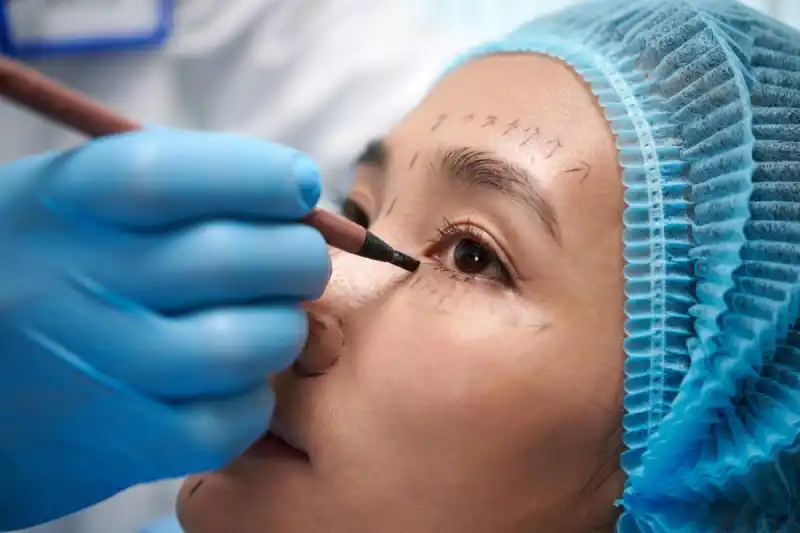
Cosmetic procedures have become increasingly prevalent in China, particularly among women under the age of 30. What was once discreet is now widely accepted and even encouraged across social media and lifestyle platforms.
Most Popular Procedures in 2024–2025:
Clinics increasingly market these services as tools for personal and professional success. Enhanced looks are investments to boost confidence, improve first impressions, and align with modern digital aesthetics.
While beauty is constantly evolving, certain physical traits continue to define the mainstream ideal in China. These features are often celebrated in the media, promoted by influencers, and reflected in popular culture aesthetics. Although preferences are expanding, the core ideals still emphasize harmony, delicacy, and youthfulness.
Let’s explore the standout traits that shape modern Chinese beauty ideals today.
Fair skin remains a key beauty standard in China, often linked to status, refinement, and femininity. The traditional saying “一白遮三丑” (“One fair shade hides three flaws”) captures the long-held belief that light skin enhances overall attractiveness.
This idea stems from class distinctions—pale skin once signified wealth and a life indoors. Today, it’s maintained with sunscreen, parasols, and a booming market in tone-brightening products.
A slight shift is emerging among younger users who embrace tanned skin as a sign of health and athleticism. Still, pale, even-toned skin remains the dominant ideal in consumer behavior and media representation.
However, appreciation for warmer or tanned complexions is emerging. Beauty campaigns and editorial shoots have begun showcasing more bronzed tones, including from regions like Yunnan and Guangdong. Some domestic brands now feature models with deeper skin tones, signaling subtle shifts in the one-tone ideal.
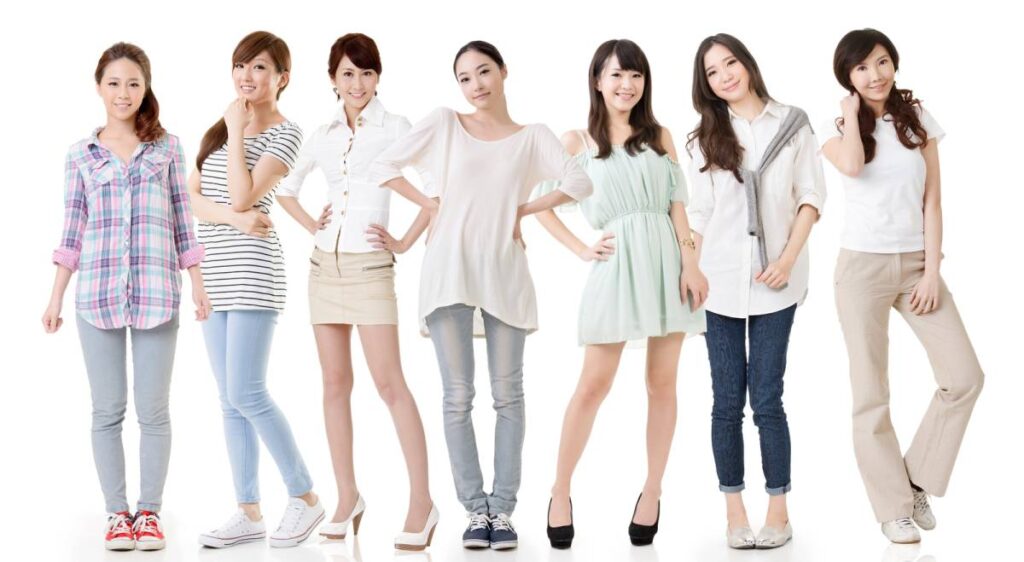
Chinese beauty standards emphasize balance, softness, and a youthful appearance. Specific face shapes are widely discussed across media, often influencing trends in surgery, filters, and casting.
This is the classic ideal—an oval face with a narrow chin and softly rounded cheekbones. It’s long been favored for its refined, feminine appearance and remains a standard in celebrity and influencer aesthetics.
Also known as the “V-shaped face,” this sharper version of the oval face is defined by a pointed chin and ultra-slim jawline. Popularized by filters and beauty apps, this trend is common among social media influencers. Critics argue it promotes unrealistic sameness.
Once seen as too soft, the round face is now associated with youth and approachability. The “baby face” trend—marked by full cheeks, large eyes, and a short chin—has gained traction among fans of cute, playful looks.
More about impression than structure, this look features gentle eyes, soft brows, and a natural, unpolished feel. It evokes innocence and charm, often seen in actresses cast as the girl-next-door. The appeal lies in its warmth and emotional relatability.
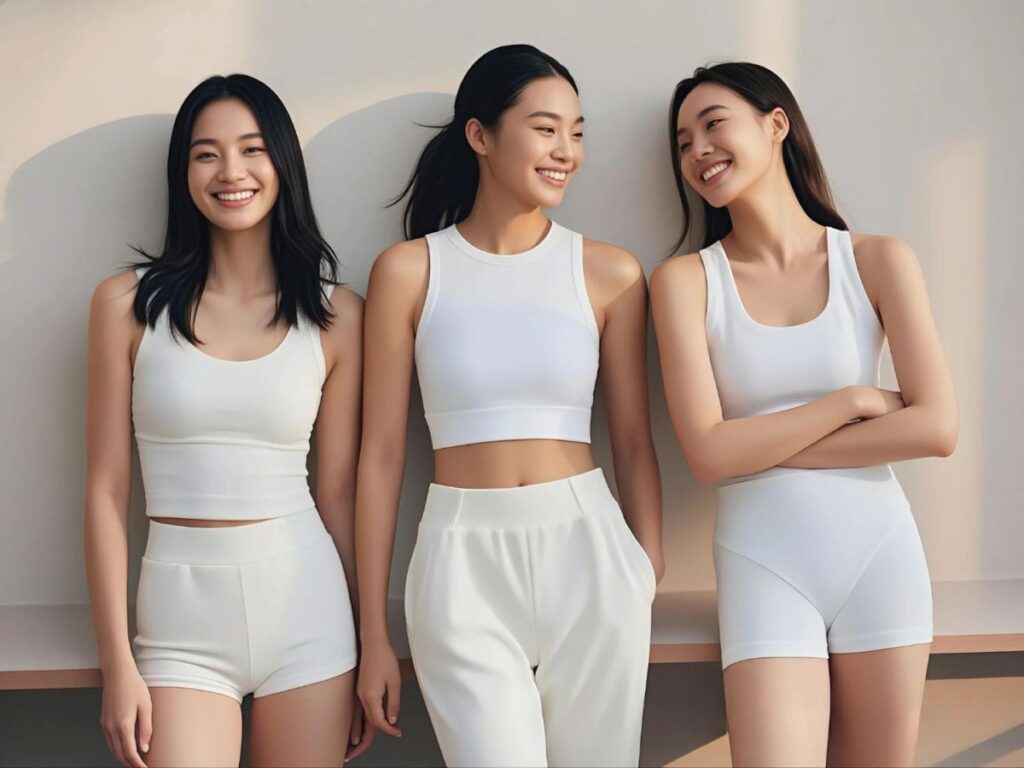
Slim and petite remains the dominant body ideal in China. Media and fashion largely favor long legs, a small waist, and a dainty frame. Descriptors like “纤细” (slender) and “娇小” (delicate) are commonly used to praise this look.
Viral thinness challenges—like the A4 waist or iPhone 6 legs—highlight how ingrained these ideals are. Though often criticized, such trends reveal the pressure to conform to narrow standards.
Fashion has reinforced this mindset. The rise of “BM style”—inspired by Brandy Melville’s one-size-fits-small clothing—made ultra-slim bodies a badge of style on RedNote. Hashtags like #BMgirl equated beauty with the ability to fit into tiny outfits.
While some pushback has emerged, including discussions around body-shaming and exclusivity, mainstream fashion still favors straight-sized models. Plus-size and mid-size representation remains rare. Despite growing awareness, the message remains clear: slim is still the standard in China’s beauty landscape.
Chinese beauty trends favor a soft, natural aesthetic that enhances features without appearing overly styled.
Hair is typically lengthy and straight. The classic “黑长直” (black long straight) style—sleek, center-parted, and glossy—remains popular for its simplicity and femininity. Styles like airy bangs and loose layers are common, while younger women favor subtle dye tones (brown or burgundy). Bold hair colors remain niche.
Makeup centers on the “伪素颜” (no-makeup makeup) look—radiant skin, sheer coverage, and delicate detailing. Think light foundation or cushion compacts, softly filled brows, peach or pink blush, and MLBB (my-lips-but-better) lip tints. Heavy contouring and smoky eyes are typically reserved for photo shoots or nighttime events.
One standout style is the flushed, doll-like look featuring:
Another trend is glass skin—a dewy finish achieved with highlighters and hydrating primers, reflecting the emphasis on clear, glowing complexions.
Overall, the goal is to look youthful, effortless, and naturally polished—beauty that appears innate, not constructed.
In China, beauty standards are not just personal preferences—they’re shaped and spread by powerful social forces. Social media, livestreaming, celebrities, and influencers now drive trends with unmatched speed and influence.
In China, social media doesn’t just reflect beauty standards — it manufactures and multiplies them. Apps like Douyin, RedNote, and Weibo define what’s considered attractive in real-time, making certain faces, styles, and procedures go viral almost overnight.
Beauty live streaming has matured into a whole industry. In 2024, China’s live streaming e-commerce sector surpassed ¥4.9 trillion ($670 billion) in sales—skincare and cosmetics were the top-performing categories.
Key drivers of influence:
This creates a loop: curated faces go viral, followers replicate them, and brands produce to match the demand.
In China, beauty trends often originate at the top—on screens, in photoshoots, and on live streams. Celebrities and influencers are not just admired; they shape how beauty is defined, pursued, and even surgically recreated.
While celebrities spark trends, beauty influencers make them achievable. Influencers show viewers how to replicate celebrity looks step by step using mainstream products or makeup hacks.
Popular names like DearMayuki and Gogoboi build large followings by reviewing products, demonstrating techniques, and recommending what’s worth buying. A single post can turn a niche lip tint or serum into a nationwide best-seller.
These influencers also normalize cosmetic enhancements. Many openly share their experiences with injectables, contouring, or skin treatments, making aesthetics a common topic among young viewers.
Understanding how digital culture drives beauty trends in China requires more than observation—it demands local insight. CHOZAN offers training and consultation that help brands understand these fast-moving dynamics.
The rise of the “高级脸” (high-fashion face)—seen in figures like Du Juan and Ni Ni—challenges the dominance of ultra-soft, symmetrical features by celebrating sharper, more angular beauty.
Authenticity is gaining value among Gen Z. Young followers are increasingly praising stars and influencers who display visible freckles, bare skin, monolids, or natural imperfections. Some even adopt anti-filter or no-edit content strategies, pushing against the idea of digital perfection.
Chinese beauty ideals are evolving. While extreme thinness, pale skin, and uniform features still dominate, younger generations challenge these standards with calls for health, diversity, and self-acceptance.
Viral challenges like the A4 waist and iPhone knees drew sharp backlash for glorifying unhealthy ideals. Parody images and sarcastic posts spread widely, mocking the pressure to maintain a thin physique. Hashtags such as “健康美才是真美” (“Healthy beauty is true beauty”) signaled a turning point: beauty shouldn’t come at the cost of wellbeing.
Public discourse around appearance anxiety is growing. Chinese media increasingly reports on links between beauty pressure and mental health issues like eating disorders and depression. Experts warn against extreme dieting and cosmetic overuse, especially among teens. This marks a cultural shift toward prioritizing emotional health over physical perfection.
Alternative aesthetics are gaining recognition. Unique features—once overlooked—are now being embraced through trends like the “高级脸” (high-fashion face), which prioritizes distinctiveness over conformity. Actresses like Zhou Dongyu, known for her expressive and natural appearance, have helped broaden the definition of beauty.
Although still niche, plus-size visibility is on the rise. Some influencers share fashion tips using hashtags like #不瘦也美 (“Beautiful without being thin”) and push for more size representation in beauty. The term “身体积极” (Body Positivity) is becoming familiar, reflecting Chinese youth’s exposure to global self-love movements.
As China’s beauty industry thrives and its trends proliferate online, the influence of Chinese beauty standards is increasingly reaching beyond its borders. In a globalized beauty landscape, not only are Chinese consumers adopting foreign trends, but Chinese beauty ideals and innovations are also making their mark worldwide.
Concurrently, homegrown Chinese beauty brands – often referred to as C-beauty – are expanding internationally, bringing a touch of Chinese aesthetics and philosophy to global consumers.
Beyond products and brand expansion, China’s beauty aesthetics quietly shape global style and storytelling.
Chinese beauty brands are no longer confined to the domestic market. Several have expanded overseas, bringing Chinese identity, storytelling, and product innovation to global audiences.
After dominating China’s online beauty market, Perfect Diary expanded into Southeast Asia with localized marketing and influencer partnerships. Its strategy blends affordability, sleek branding, and culturally relevant campaigns. The brand’s push into Western markets includes international acquisitions and appearances at beauty expos, signaling long-term ambitions.
With roots in traditional Chinese skincare, Chando has positioned itself globally by highlighting Himalayan ingredients and its heritage of “Oriental beauty.” The brand entered cross-border e-commerce early and has since leveraged travel retail and international events to boost visibility. Its messaging focuses on the harmony of nature and science—a story that resonates with wellness-conscious consumers abroad.
Known for its domestic success, Proya is gradually testing international waters via e-commerce platforms and diaspora markets. Its expansion strategy prioritizes performance and innovation, aiming to build credibility before launching full-scale retail abroad.
Florasis’ ornate packaging and cultural storytelling have drawn international attention. While previously discussed for its aesthetic impact, the brand’s entry into Japan’s luxury retail scene and plans for the U.S. market are worth noting. Florasis leads with identity-driven branding, proving Chinese culture can be a global asset, not just a domestic selling point.
CHOZAN equips global brands with in-depth cultural insights into China’s rapidly evolving beauty industry. Through five core services, we help teams decode trends, localize strategy, and connect authentically with Chinese consumers.
1. China Research
Our research encompasses beauty trends, consumer sentiment, and brand performance across platforms such as Douyin and RED. Reports analyze skincare habits, C-beauty innovation, and the growing fusion of health and aesthetics.
2. China Digital Training
We train international teams to understand China’s beauty ecosystem—how influencers, livestreams, and viral challenges shape preferences and drive sales.
3. Expert Dialogue & Consulting
Our consultants guide brands in adapting products, messaging, and creative direction to local ideals while preserving global identity.
4. China Learning Expeditions
Through immersive market visits, executives experience the real-world beauty culture, meet local creators, and observe how Chinese consumers interact with brands both online and in-store.
5. Expert Calls
One-on-one calls with CHOZAN specialists offer rapid, practical insight into emerging trends, product positioning, or campaign evaluation.
In a market where beauty ideals are constantly evolving, CHOZAN bridges data with culture—helping global teams navigate China’s beauty standards with clarity and confidence.
Learn more about CHOZAN’s China Digital Trainingand Insights.
Yes. Pale skin reflects wealth and nobility. This preference remains strong in beauty culture and skincare marketing across China. Today, many people follow this trend due to cultural beliefs, media influence, and skincare products that focus on brightness and fairness.
Chinese beauty standards changed with time. Every new generation adopts new beauty standards, depending on what is popular in their age. For instance, the current global trend in modern society combines Korean-style makeup, Westernized facial features, and more localized aesthetics.
Gen Z increasingly values authenticity, embracing natural features like freckles, moles, and diverse body types and promoting health over perfection.
Yes, beauty standards are increasingly affecting men in China. There is a sharp rise in male skincare products in the country. More men are starting to take care of their bodies, skin, and overall health. They are also opting for cosmetic surgeries to achieve the desired appearance.
Absolutely. Apps like Douyin, Meitu, and Xiaohongshu, along with beauty filters and AR tools, have a significant impact on how beauty is perceived and pursued in China. Social media creates new beauty icons and often sets fast-changing beauty trends.
No. Korean beauty tends toward soft luxury and skincare minimalism, while Chinese standards emphasize delicacy—such as V-shaped faces, bright skin, and precise makeup.
AI technology is reshaping beauty standards for everyone, including companies, shoppers, and influencers alike. For example, using AI tools, customers can discover the best products for their skin type, preferences, and other concerns.
Companies can produce and sell more sustainable beauty and skincare products that cater to the needs of Chinese people and their lifestyles.
Modern Chinese beauty standards favor a youthful, delicate, and polished appearance, whereas Western ideals often idealize a curvier and more mature look.
K‑beauty and Western fashion have reshaped beauty ideals toward dewy skin, higher nose bridges, and East–West hybrid aesthetics. Meanwhile, C‑beauty brands challenge global beauty tropes with uniquely Chinese storytelling and aesthetics.