CONTENT
Eastern Asia has the highest number of internet users in the world, with 1.34 billion as of 2025. Because China has a huge online population, foreign digital stars are seizing new opportunities to connect with increasingly globalized Chinese audiences.
The foreign influencer trend is driving authentic engagement and e-commerce growth. But success in China demands more than international fame. It requires mastering China’s unique digital culture and regulations.
This article examines how foreign celebrities are reshaping Chinese social media, including the trends driving their rise, the cultural and economic impact they create, and what the future holds for global stars navigating the world’s most dynamic digital ecosystem.
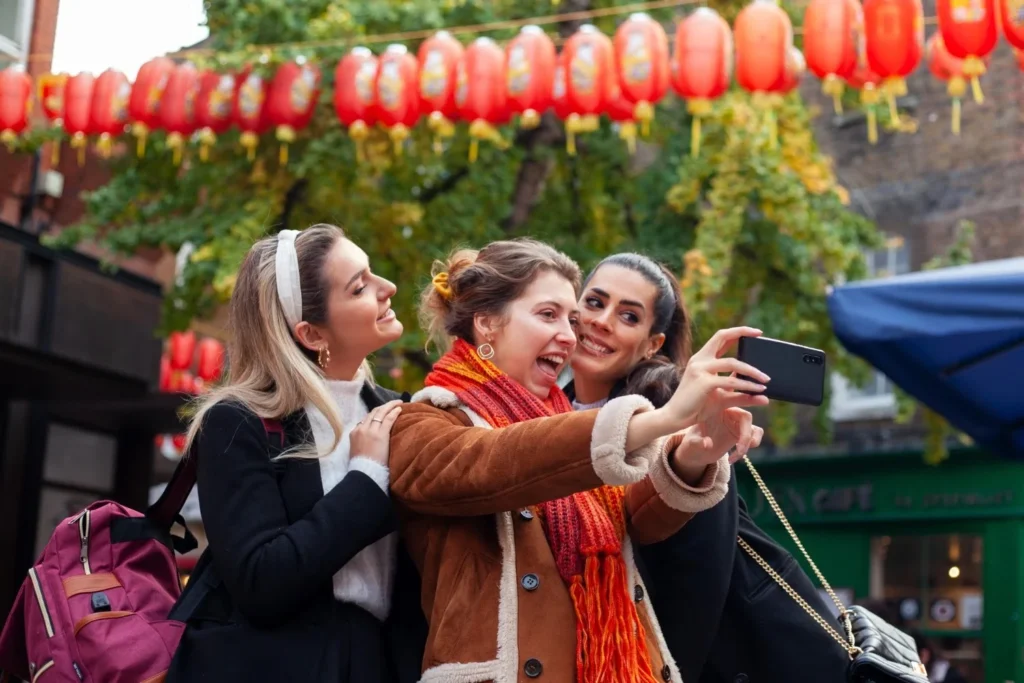
Since 2010, China’s growing digital economy has begun to interact with global trends. Foreign influencers cautiously entered the market through partnerships with local KOLs and brands, gradually gaining visibility on Weibo and other platforms. Verified foreign accounts began to climb, reflecting an opening digital culture.
The launch and rise of Douyin, Bilibili, and RedNote fueled a surge in foreign influencer activity in China. These platforms’ youthful user base and viral content algorithms helped celebrities amass huge followers. Foreign influencers have adopted localized strategies, including adapting language and creating culturally relevant content.
The rise of livestream commerce and short videos as dominant formats in China empowers foreign influencers to engage audiences actively. The ongoing development of AI in personalized content creation accelerates this integration, allowing foreign influencers to stay competitive in an increasingly sophisticated market.
Successful foreign stars, such as MrBeast, have adapted by localizing their content through AI-powered translation tools and collaborating with domestic platforms and influencers. These hybrid strategies resonate with Chinese viewers who value both authenticity and cultural relevance.
China’s complex social media landscape presents a dual reality for foreign influencers, and TikTok’s role is pivotal. While global TikTok offers a powerful launchpad for building an international fanbase, success in China itself depends on mastering its strictly segregated counterpart, Douyin.
For influencers, global TikTok trends can spill over into China, granting pre-approval and cultural credibility. However, direct access is blocked. Therefore, the strategic imperative is to build a localized presence on Douyin and partner with domestic platforms such as Keep or Weibo.
This “glocal” approach—using global TikTok for reach and Douyin for deep market penetration—is the key to navigating the 2025 ecosystem. Ultimately, TikTok acts as a cultural amplifier, but Douyin and local partners remain the essential gateways to commercial success and regulatory compliance in China.
China’s social media remains the largest globally, with over 1.08 billion user identities in early 2025. Its reach is almost 98% of the country’s internet users. However, geopolitical tensions and tighter regulatory environments have added new layers of complexity for foreign influencers.
Overall, the recent phase reflects a mature yet challenging ecosystem for foreign influencers in China. The growing digital infrastructure, increasing consumer sophistication, and evolving regulatory frameworks necessitate continuous innovation in content and compliance.
This delicate balance creates rich opportunities for those who master the art of localization and cultural resonance in 2025’s dynamic Chinese social media.

Jerry Kowal, an American influencer, is best known in China as Guan Jie Rui. He was already a popular and established creator on Bilibili and Douyin well before 2020. His viral food comparison videos (e.g., “American vs. Chinese Starbucks”), dating back to 2018-2019, were the true foundation of his fame in China.
He gained widespread attention on Chinese social media platforms in 2020 following a highly viewed interview on state-owned CCTV. This interview centered on his critical views of New York City’s response to the COVID-19 pandemic and his praise of China’s epidemic control efforts.
Jerry Kowal’s authority is based on his identity as an educated analyst. His finance degree and formal Chinese training help him to frame his critiques with analytical credibility. His content strategically positions him as a rational Westerner using comparative analysis to validate China’s governance model.
He is increasingly appearing in state-media documentaries on “telling China’s story well.” His role is evolving from a social commentator into a recognized figure in China’s public diplomacy efforts, often invited to discuss China-U.S. youth perceptions on official forums.
His bilingual content attracted a large following eager for cross-cultural insights, and he gained 11 million followers on Bilibili and Weibo.
Jerry’s rise was supported by multi-channel networks (MCNs) that promote foreign content creators on China’s platforms. State media endorsements further amplified his profile, positioning him as an influential figure who challenges negative Western narratives about China.
Jerry’s videos combine cultural commentary, lifestyle insights, and humor in both English and Chinese. In 2024, Jerry participated in official programs for foreign influencers organized by Chinese government bodies. His authentic, relatable storytelling and focus on cross-cultural experiences engage diverse audiences by breaking down cultural barriers and stereotypes.
Jerry Kowal has reshaped Chinese perceptions of foreigners, fostering greater cultural acceptance and international perspectives. His content promotes openness and understanding among young Chinese netizens, aligning closely with China’s nationalist digital environment. He remains one of the most influential cross-cultural creators on China’s social media.
Jerry gained widespread attention for his candid views on China’s COVID-19 response, praising its organization compared to Western countries. His videos went viral, leading to invitations for Chinese TV interviews and a reputation as an “objective observer” in contrast to Western media bias.

Pamela Reif is a German influencer who entered China’s health and fitness market by partnering with major local platforms such as Keep. She first joined it in 2020 and rapidly gained popularity. Keep, one of China’s leading fitness apps, recognized Pamela’s global influence and officially appointed her as the international sports ambassador for Keep’s smart fitness devices in 2021.
Her timing was perfect, capitalizing on COVID-19 lockdowns that fueled demand for home workouts. Pamela Reif’s social media presence in China has had a multifaceted effect, driving both commercial and cultural trends.
Her localized content on platforms like Weibo and Red popularized a “strong is beautiful” aesthetic, shifting female fitness ideals away from pure thinness. This empowered many young women through self-discipline.
Commercially, her viral workout plans and challenges directly boosted user engagement for partner apps like Keep and drove sales of home fitness gear. Her authentic, apolitical persona made her a model for successful foreign influencer localization, demonstrating how to build a trusted, impactful brand within China’s unique digital ecosystem.
This strategic collaboration enabled Pamela to tailor her workout routines and fitness content specifically for Chinese users, adjusting the intensity and style to local preferences. That’s why her Weibo followers reached 2.643 million in January 2025.
Her content’s universal appeal is built on a unique formula. Her signature “silent training” method eliminates language barriers, relying solely on visual demonstration and music to create an intensely focused workout experience.
This professional aesthetic, combined with her own physique as proof of efficacy, establishes powerful credibility. She provides a structured, “foolproof” fitness solution that systematically guides users from beginner to advanced levels, reducing decision fatigue and fostering long-term adherence.
Pamela’s influence is deeply embedded in contemporary Chinese wellness culture. Her name has become a verb (“to do Pamela”), signifying her status as the default standard for home workouts. She represents a modern ideal of discipline and self-improvement, particularly resonating with young urban professionals.
This credibility has enabled her to expand into a comprehensive lifestyle brand through collaborations with major Chinese companies, such as sportswear giant Anta, solidifying a multifaceted presence that extends far beyond digital video content.

IShowSpeed, known as Darren Watkins Jr., quickly rose to fame on Douyin and Bilibili, captivating China’s Gen Z with his hyperactive, unfiltered livestreams and gaming videos.
iShowSpeed’s July 2024 visit to China, a state-invited “Charming China” tour, was a soft power effort to showcase the country’s modernity and culture to its global youth audience. iShowSpeed visited major Chinese landmarks, including the Great Wall and Beijing’s Forbidden City.
He also traveled to Chengdu, where his viral encounter with a panda occurred, and to modern cities like Shanghai and Shenzhen, showcasing China’s blend of ancient heritage and technological advancement through its high-speed rail network.
His 6-hour livestream from Shanghai broke records, drawing over 5.6 million concurrent viewers —a rare feat for a foreign influencer in China. Despite Western social media restrictions, his viral presence stems from fans translating and sharing his content widely across Chinese social media platforms.
iShowSpeed’s visit to China was an official soft power initiative. The government aimed to use his global fame to present a modern and appealing image of the country. However, a major controversy erupted when he wore a Portugal football jersey (supporting Cristiano Ronaldo).
Western observers viewed the event as a calculated PR stunt. They focused on the risks involved and saw the subsequent controversy over the Portuguese jersey as a failure.
In China, public opinion was split. Many supported the positive portrayal of their country but a strong nationalist backlash occurred when the streamer wore a Portuguese jersey.
IShowSpeed’s energetic personality, comedic sketches, and gaming streams resonate strongly with young Chinese audiences. His spontaneous reactions, humorous attempts at Mandarin, and engagement with Chinese culture create relatable and entertaining content.
His obsessive fandom for Cristiano Ronaldo is a major theme, culminating in a viral video of him rushing onto a soccer pitch to meet his idol. Other memorable moments include his frenetic singing of songs like “Rainbow” and “Sunshine, Lollipops, and Rainbows.”
IShowSpeed is one of the most influential international creators in China. He helps reshape perceptions of Western influencers by presenting a positive and relatable image of modern China. His streams promote gaming culture and digital entertainment trends, influencing millions and serving as a bridge for cross-cultural interaction.
His Douyin account surpassed 1 million in just three days in March 2025. He successfully blends his unique style with local language trends, cultural references, and internet humor. This cultural flexibility ensures his content feels authentic and relevant without losing his distinctive voice.
Old Foreigner Kris, a Ukrainian content creator, has established himself as a prominent figure on major Chinese platforms, including Douyin, Kuaishou, and WeChat Channels. He commands a combined following of over 18 million fans.
His unique appeal is not merely based on cultural observation but on his deep personal integration into Chinese society as a “Ukrainian Son-in-Law” who has settled in rural Hunan. This identity as a family member, rather than just a foreign commentator, forms the authentic core of his content and his success.
Kris’s rural setting provides a nostalgic, “authentic China” aesthetic that resonates with urban viewers. Ultimately, Kris demonstrates that in today’s China, the most successful foreign voices are those that integrate as “one of us,” transforming cultural difference from a spectacle into a bridge for genuine connection.
On Chinese social media, Kris represents a new archetype: the “grassroots integrated foreigner.” His appeal isn’t his mastery of Peking Opera or calligraphy, but his mastery of everyday Chinese life—cooking local dishes, dealing with in-laws, and farming. This is a more relatable and scalable model for success.
Kris crafts engaging videos that document his daily life with his Chinese family in the Hunan countryside. His content is a blend of warm family interactions, culinary adventures in local Hunanese cuisine, and participation in traditional Chinese festivals.
He has effectively created a persona of a fully assimilated “son-in-law,” showcasing an idealized rural life filled with harmony and cross-cultural understanding. This focus on family and rural vitality resonates deeply with Chinese cultural values and aligns with national policies like “Rural Revitalization” (乡村振兴).
Kris’s impact extends beyond entertainment; he is portrayed as a living embodiment of the “Chinese Dream.” His story is explicitly framed as a successful alternative to the “American Dream,” highlighting his appreciation for China’s public safety, convenient e-payments, and efficient high-speed rail.
By choosing a fulfilling life in rural China, he validates the country’s modern development and social values. Consequently, he plays a vital role in enhancing cultural cohesion, bridging understanding through familial integration, and presenting a positive model of a foreigner who has not just adapted to, but has wholeheartedly embraced, life in China.

MrBeast, an American megastar, is known for his viral charity events and large-scale challenges. He has also captivated Chinese audiences with his unique content, which blends entertainment with philanthropy. In January 2024, he officially entered the Chinese market by launching his channel on Bilibili.
MrBeast’s impact in China is a tale of pervasive influence without official presence. His content floods Chinese platforms like Bilibili via unauthorized translations, making him a household name among youth and inspiring domestic creators to adopt his high-production philanthropy format.
However, he represents a “walled-off” phenomenon—while his viral concepts are widely imitated, China’s strict internet controls prevent him from building an official, monetizable presence.
His debut video quickly amassed millions of views and became one of the top-trending clips on the site, marking his successful introduction to Chinese viewers. Although his single video production budget is $4.5 million, this move aligns with the growing interest among Chinese audiences in social responsibility and global participation.
To resonate with Chinese viewers, MrBeast subtly adapts his content, emphasizing charitable acts and large-scale philanthropy that align well with local values and socialist ideals. His content on Bilibili and plans for other platforms, such as Douyin and Weibo, are tailored to ensure relatability and appeal.
He avoids content that conflicts with Chinese cultural and regulatory standards, making his global challenges more relevant and engaging for the Chinese audience.
MrBeast’s philanthropic challenges have sparked increased interest in large-scale charity and social welfare events across Chinese platforms, such as Douyin and Bilibili. His fusion of entertainment with a message of giving has inspired a wave of similar content and increased engagement.
He has successfully positioned himself as a key influencer in promoting global charitable initiatives among Chinese youth. MrBeast collaborates with Chinese brands and influencers, leveraging platforms like Douyin to boost his local presence.
His partnerships with content localization experts and Chinese digital marketing teams facilitate smooth integration into the Chinese social media ecosystem. These collaborations have enabled him to reach millions of followers and extend his influence beyond entertainment into commercial domains.
China’s top platforms—Douyin, RedNote, and Weibo use engagement-driven algorithms to promote diverse content, including that from foreign influencers. With Douyin’s 766.5 million monthly users and RedNote’s millions of users, these platforms elevate foreign voices by offering novel, global perspectives highly sought by Chinese audiences. Algorithms favor original, highly engaging videos, helping foreign stars quickly gain visibility and followers in China’s digital space.
Chinese youth, especially the generation born after 1995, show a strong interest in global culture, from fashion to travel. Nearly 51% of Chinese Gen Z consumers report being influenced by foreign content on social media for their purchasing decisions. This curiosity provides foreign influencers with an audience eager for fresh, international viewpoints, making China a fertile ground for cross-cultural content.
Foreign influencers benefit from live-stream e-commerce and brand partnerships on platforms like Douyin and RedNote, accessing millions of social media users. Brands pay a premium for authentic global appeal, making China an exceptionally lucrative market for foreign influencers.
AI-powered translation and automated subtitling greatly ease content localization, with over 97% of Chinese translation agencies adopting AI tools. Real-time translation tools enable foreign influencers to engage effectively with Mandarin-speaking audiences. These technologies, combined with cross-border communication tools, facilitate seamless cultural exchange and market entry.
Foreign influence on Chinese social media is expected to grow in complexity and impact, shaping China’s digital content ecosystem and cross-cultural communications in several ways.
Foreign content creators from countries like the UK, the US, and South Korea have gained popularity on major Chinese social media platforms, including Douyin, Bilibili, and Weibo. They engage in formats such as reaction videos on Chinese movies, TV shows, music, and cuisine, creating interactive cross-cultural exchanges. This amplifies the international reach of Chinese media content and enriches the diversity of social media narratives within China.
Domestic and foreign influencers collectively shape China’s cultural image globally. Influencers like Li Ziqi present a personal storytelling approach that counters Western stereotypes about China. Increased visa-free travel and open policies facilitate more participation from foreign influencers who showcase China from multicultural perspectives, helping foster cultural coexistence.
With more foreign creators and growing cross-border interactions, the Chinese social media ecosystem becomes more diverse but also faces challenges. The coexistence of varied platform policies, content regulations, and marketing strategies leads to ecosystem fragmentation. Brands and enterprises will need to adapt creatively and strategically to succeed in this evolving and competitive social media landscape.
To navigate China’s complex digital market successfully, you need more than basic insights—you need deep expertise from trusted leaders. Ashley Dudarenok and ChoZan provide targeted strategies and hands-on support to help global brands thrive in China’s rapidly evolving ecosystem.
Ashley Dudarenok brings experience working with top global brands like Coca-Cola and Disney. She is recognized as a leading expert on China’s digital transformation and consumer behavior.
Since 2011, ChoZan has enabled global companies to build tailored strategies for China’s unique digital ecosystem, spanning social media marketing, e-commerce, and live streaming.
Key Services from Ashley Dudarenok & ChoZan:
Partnering with Ashley Dudarenok and ChoZan equips your brand with proven tools, cultural insights, and strategic guidance to unlock growth in China’s competitive market.
Book a consultation with Ashley Dudarenok to start your China digital journey confidently.
Foreign influencers can build a strong following in China by understanding the local culture and adapting their content to suit Chinese tastes. Regularly engaging with followers, using localized content, and collaborating with local influencers or brands are key strategies. Additionally, maintaining authenticity while respecting local norms is crucial for gaining trust and credibility in the Chinese digital landscape.
Yes, making money as a foreign influencer in China is very possible. Influencers can generate revenue through brand collaborations, sponsored content, affiliate marketing, and live-streaming sales. Platforms like Douyin and RedNote also offer influencers opportunities to earn money by promoting products or hosting live sessions. The Chinese e-commerce ecosystem is one of the most lucrative for content creators, making it a profitable space for influencers.
Content that resonates with Chinese audiences is generally entertainment-driven, culturally relevant, and visually engaging. Short videos on platforms like Douyin thrive with humorous, relatable, or awe-inspiring content, while long-form videos on Bilibili often attract more thoughtful or educational material. Content that celebrates local culture, addresses health and wellness, or showcases unique lifestyle trends performs particularly well.
The biggest challenges foreign influencers face in China include navigating censorship, adhering to content regulations, and overcoming language barriers. Additionally, cultural missteps can easily alienate audiences. The Great Firewall and strict digital policies make it necessary to tailor content to local sensibilities, while navigating the complexities of cross-border digital marketing laws can be a hurdle.
Foreign influencers collaborate with Chinese brands through sponsored content, product placements, and joint marketing campaigns. Influencers can help Chinese brands reach global markets by leveraging their established international audiences. To succeed, influencers should focus on creating content that aligns with the brand's values, caters to Chinese consumer preferences, and complies with local advertising laws.
Using Western content in China directly is challenging due to content censorship and cultural differences. While you can adapt some elements, it's vital to localize your content. This might involve adjusting language, addressing local tastes, and avoiding topics sensitive to Chinese audiences. Localized content resonates better and ensures compliance with local regulations.
WeChat is indispensable for foreign influencers seeking to establish long-term relationships with their Chinese audiences. It serves as a platform for sharing updates, engaging in direct communication, and building a community through official accounts. WeChat's mini-programs also enable influencers to sell products and services directly to their followers, making it a critical tool for monetization and audience engagement.
Foreign influencers in China can access sponsorships from various industries, particularly fashion, tech, beauty, gaming, and health. E-commerce platforms like Alibaba and JD.com offer influencer collaborations to boost product visibility, while Chinese luxury brands often partner with influencers to enhance brand prestige. Influencers with niche expertise can also find partnerships in education or finance.
While having a Chinese partner can certainly ease the process, it is not strictly necessary. A Chinese partner can help navigate legal frameworks, provide local insights, and connect with key brands and influencers. However, foreign influencers can succeed by building local networks, using cross-border marketing tools, and understanding Chinese content and commercial activity regulations.
Handling cultural differences requires research and adaptation. To avoid offending your audience, focus on learning about local traditions, values, and taboos. Avoid topics that may be sensitive in Chinese culture, such as political issues or content that clashes with national pride. Collaborating with local creators or consulting cultural experts can help ensure your content is well-received.
Live streaming is an incredibly effective tool for foreign influencers in China. It enables real-time engagement, direct product sales, and personalized interaction with followers. Platforms like Douyin and RedNote have integrated e-commerce features into their live-streaming, enabling influencers to promote products and generate revenue while growing their audience organically.
Chinese social media algorithms, particularly on Douyin and Bilibili, prioritize user engagement and content relevance based on local preferences. These platforms rely heavily on AI-driven recommendations, showing content that aligns with individual interests, behaviors, and trends. In contrast, Western platforms like Instagram and Facebook often emphasize follower count and personal networks more than engagement metrics in content distribution.
As of 2025, Chinese social media trends include a rising focus on short-form videos, live streaming, e-commerce integration, and augmented reality. Gaming content, virtual influencers, and AI-driven content creation are also gaining traction. Furthermore, there’s a growing interest in environmentally conscious content and personal wellness, particularly as younger audiences push for more sustainable and health-focused lifestyles.
To ensure compliance with Chinese regulations, foreign influencers must stay informed about censorship rules, content restrictions, and online behavior guidelines set by the Chinese government. Collaborating with local agencies or legal experts can help navigate these complexities. To maintain a smooth and compliant presence in China, avoid sensitive topics such as politics, religion, or content deemed offensive by local authorities.