
CONTENT

WeChat is one of the most powerful digital platforms in the world, yet most first-time users misunderstand what it actually does. People often download it because a friend, supplier, or client asked them to. They open the app expecting a simple messaging tool and quickly realize the environment feels different.
WeChat operates as a digital infrastructure. Messaging exists inside it, but so do payments, media distribution, service platforms, ecommerce systems, and corporate communication tools. In China, daily life runs through this ecosystem.
This guide does not treat WeChat as a casual chat application. It explains how the platform is structured, how to set it up correctly, how to use it personally, and how businesses leverage it strategically. By the end, you will understand both the user experience and the underlying mechanics that make WeChat so dominant.
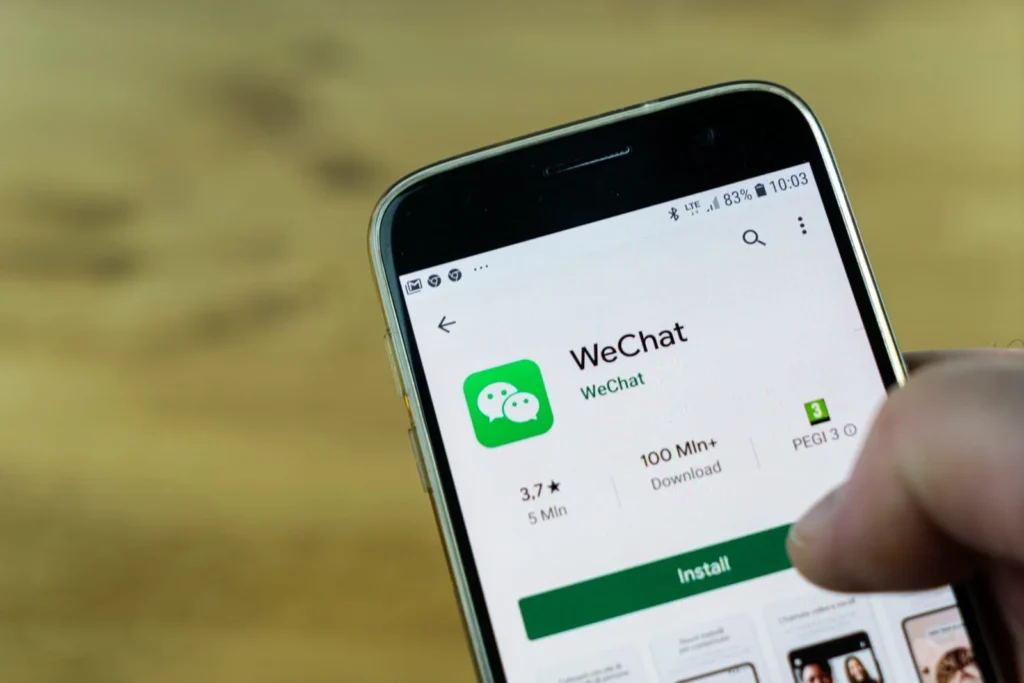
To use WeChat properly, you need to understand how large it actually is. WeChat is operated by Tencent and has more than 1.3 billion monthly active users worldwide, with the vast majority in China.
That scale changes how the platform functions. WeChat is not competing with messaging apps. It acts as infrastructure inside one of the world’s largest digital economies.
WeChat is structured as a super app. This means multiple digital functions operate within a single unified environment. Instead of switching between apps for chat, payments, shopping, and bookings, users stay inside WeChat.
The platform contains four major layers.
Each layer connects to the others. A message can lead to a product link. A product link can lead to a purchase. A purchase can trigger customer service inside the same chat thread.
WeChat’s structure keeps user attention inside the platform. Unlike Western platforms that push traffic outward to external websites, WeChat retains users internally.
For businesses, this means customer journeys occur within a single controlled environment. For individuals, this means daily tasks feel centralized, and friction is reduced.
Understanding this ecosystem is essential before you move into setup and usage. Without this context, the interface feels crowded. With this context, it feels intentional.
A proper setup prevents most long-term issues. Many users rush through registration and only adjust settings after problems appear. Taking control from the beginning keeps your account stable.
Install WeChat from the Apple App Store or Google Play Store. Confirm that the developer listed is Tencent. Avoid third-party download sites, since modified versions of popular apps circulate online and can compromise security.
After installation, open the app and select sign up.
WeChat requires a valid mobile number for account creation. Select your country code carefully and enter your number accurately. You will receive an SMS verification code to confirm ownership of the number.
In some cases, WeChat may require additional verification through an existing user. This measure exists to reduce automated registrations. Follow the instructions carefully if prompted.
Create a strong password that you can store securely. Avoid reusing passwords from other platforms.
Choose a display name that matches how you intend to use the account. If you expect business communication, use your real name or a recognizable brand identity. Clarity builds trust from the first interaction.
Upload a professional profile photo. Clear identification reduces hesitation when people receive your connection request.
Review your region and language settings. Certain services, including payment features, depend on your registered region.
Before adding contacts, open the settings panel under your profile section.
Review privacy controls and restrict how others can find you. You can disable searchability by phone number or WeChat ID if needed.
Enable friend confirmation to prevent automatic additions.
Activate login alerts and review the device management section to ensure only your current device is linked.
Configure notification preferences to avoid overload once you begin joining groups.
This initial configuration establishes control. Users who ignore these steps often end up spending time correcting preventable issues later.

Communication forms the foundation of WeChat, but it operates within a structured system. Understanding how conversations are organized will prevent confusion and improve efficiency.
Every private conversation appears as a dedicated thread tied to a specific contact. Within that thread, you can send text, images, documents, voice messages, location pins, and short videos.
Voice messaging is widely used because it reduces typing time and feels direct. Before sending media or financial information, confirm the correct recipient. Profile names and photos can appear similar in active contact lists.
You can press and hold any message to reply, forward, delete, or save it to Favorites. This built-in organization tool helps you retain important information without exporting it elsewhere.
Group chats include multiple participants and have a designated owner. The owner may assign administrators who manage membership and announcements.
Each group usually exists for a defined purpose. Keep discussions aligned with that purpose to maintain clarity. Use mentions when addressing a specific person so your message does not get lost in active threads.
If notifications become excessive, mute the group rather than leaving it. Muting stops alerts but keeps you connected.
Private chats include options for voice and video calls. These calls operate through your internet connection rather than traditional phone networks.
Confirm network stability before starting business conversations. Clear audio and video quality reflect professionalism and prevent misunderstandings.
As your contact network expands, organize conversations by pinning important chats and muting low-priority ones. Structured communication habits keep the platform manageable as activity increases.
QR codes play a central role in how people connect on WeChat. Each account has a personal QR code that others can scan to instantly send a friend request. This removes the need to search by name or type long IDs.
To add someone, open the scan feature, point your camera at their QR code, review their profile, and send a request. If friend confirmation is enabled, they must approve before you can message them. You can also share your own QR code directly from your profile.
QR codes are also used to join group chats, access services, and complete payments. Always confirm what action appears on your screen before proceeding. Avoid scanning codes from unknown or suspicious sources. Understanding QR use makes daily interactions inside WeChat faster and more efficient.
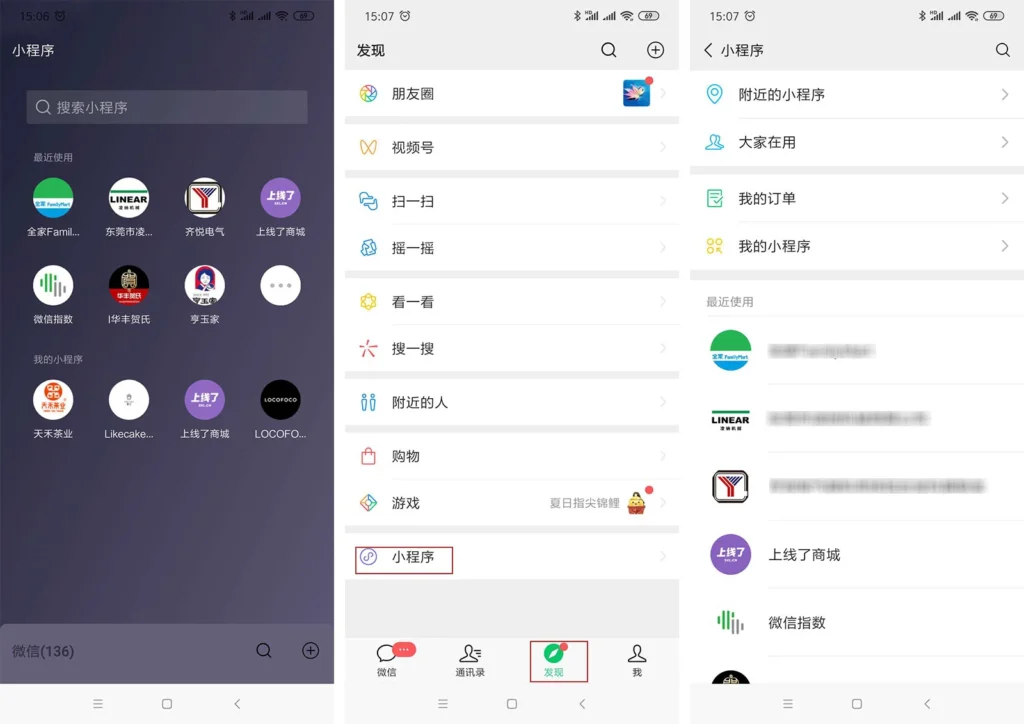
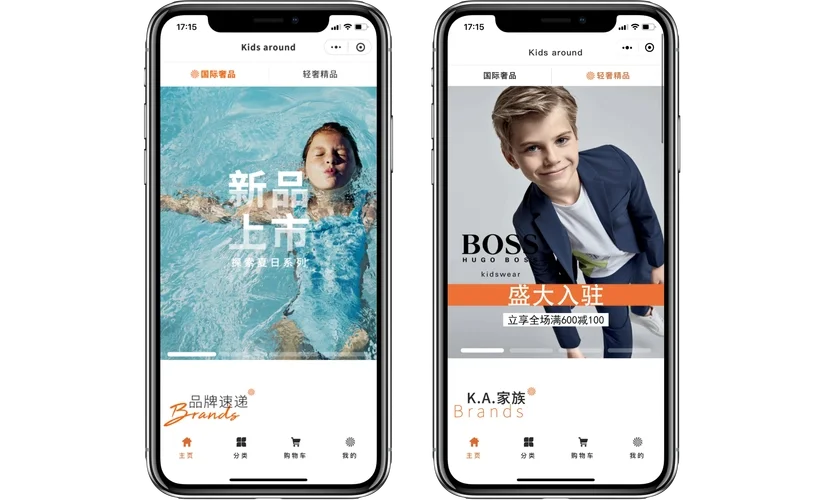
Mini Programs are not simple in-app features. They are a parallel application layer built inside WeChat. They allow brands to create service systems, e-commerce stores, booking engines, loyalty programs, and digital utilities that operate entirely within the WeChat ecosystem.
WeChat reported more than 900 million monthly active Mini Program users in recent years, which means the majority of its user base interacts with them regularly. This scale makes Mini Programs foundational to how digital commerce functions inside China.
Mini Programs remove friction from digital journeys. A user can discover content, click into a service interface, complete a transaction, and receive confirmation without ever leaving WeChat.
That containment increases completion rates by eliminating redirects to external browsers or separate applications.
For businesses, Mini Programs function as:
• E-commerce storefronts
• Appointment booking systems
• Membership and loyalty platforms
• Event registration portals
• Customer service dashboards
• Utility payment systems
The key advantage is integration. Payments, messaging, and content distribution connect directly to the Mini Program.
Most beginners treat Mini Programs as single-touch tools. Successful brands treat them as multi-phase systems.
There are three core phases.
Mini Programs are designed for repeat behavior, not one-time visits.
WeChat includes built-in discovery mechanics that many foreign brands ignore. Internal search allows users to find Mini Programs by keyword. This means naming conventions and keyword alignment affect visibility. Official Account custom menus can link directly to Mini Programs, creating structured conversion paths.
QR codes placed on packaging, storefronts, invoices, or email signatures convert offline traffic into digital transactions. Group sharing also serves as a distribution channel, as satisfied users share access links with peers. Growth depends on using all available touch points, not relying on a single traffic source.
Successful operators track:
• Active user retention rate
• Conversion rate from visit to transaction
• Average transaction value
• Repeat purchase frequency
• Time spent inside the service interface
These metrics reveal user behavior patterns and highlight areas for optimization.
Mini Programs transform WeChat from a communication platform into a transaction ecosystem. Understanding their lifecycle, discovery mechanics, and integration pathways separates casual users from strategic operators.
WeChat Pay integrates payments directly into the app, which allows users to transfer money, pay businesses, and complete purchases without leaving the platform.
WeChat Pay connects to your bank account or supported card and creates a digital wallet inside the app. Once activated, you can use it for peer-to-peer transfers, merchant payments, and in-app purchases through Mini Programs.
Payment methods and availability vary by region. Some international users may face restrictions depending on local banking rules and account verification requirements. Always confirm eligibility based on your country of registration.
QR payments are common. A merchant displays a QR code that you scan to complete payment, or you present your personal payment code for the merchant to scan. Confirm the merchant name and amount before authorizing any transaction.
This system is widely used in retail stores, restaurants, and service counters across China.
Inside a private chat, you can transfer money directly to another user. Enter the amount, add a note if necessary, and confirm with your payment password. The recipient receives a notification instantly.
Red packets are a more informal way to send money, often used during holidays or celebrations. While this feature is culturally significant in China, it still functions as a real financial transfer and should be treated responsibly.
Always review payment details before confirming. Avoid urgent payment requests from unfamiliar contacts. Enable security features such as payment passwords and biometric verification when available.
Keeping your wallet secure ensures that WeChat remains a convenient tool rather than a financial risk.
A marketing funnel inside WeChat does not look like a traditional website funnel. There is no heavy reliance on landing pages or on redirecting external traffic. The entire journey happens within the ecosystem.
Most funnels begin with a QR scan, an Official Account follow, or a shared article. Offline events, physical stores, packaging, and referrals are common entry points.
At this stage, the goal is simple. Convert an anonymous viewer into a connected contact inside the platform.
Once connected, content becomes the trust layer. Official Account articles, short updates, and useful resources educate the user and position the brand as credible.
Engagement may also occur inside group chats or through direct messaging. The objective is to deepen familiarity and demonstrate expertise without pushing immediate sales.
Conversion typically happens inside a Mini Program or through structured chat-based transactions. Since users remain inside WeChat, the transition from interest to purchase feels seamless.
Integrated payments through WeChat Pay remove checkout friction and shorten decision cycles.
Retention happens through continued value delivery. Brands send updates, service reminders, or exclusive offers to existing contacts.
Group communities and membership-based Mini Programs strengthen loyalty. The funnel does not end at purchase. It evolves into a long-term relationship cycle inside the same ecosystem.
A well-designed WeChat funnel focuses on connection, education, transactions, and retention without ever forcing users to leave the platform.
Many foreign brands enter WeChat with strategies copied from Western social platforms. That approach usually leads to weak engagement and poor conversion.
WeChat is not built around public discovery feeds. Brands that focus on visual broadcasting without building direct connections struggle to gain traction.
Success depends on converting users into followers or private contacts. Without that connection layer, content visibility remains limited.
Some companies operate through personal accounts because the setup feels easier. This creates scalability problems and compliance risks.
Official Accounts and WeChat Work provide structured tools for customer management, analytics, and payment integration. Skipping proper registration limits long-term growth.
Redirecting users to external websites often reduces conversion. Many Chinese users prefer to complete actions within WeChat. Mini Programs provide a better solution. They maintain user continuity and increase completion rates.
Language translation alone does not create relevance. Content style, tone, and cultural references must align with local expectations. Brands that fail to localize messaging struggle to build trust, even when product quality is strong.
WeChat growth requires steady contact growth. Brands expecting rapid follower spikes often abandon strategy prematurely. Structured acquisition and consistent engagement deliver stronger long-term performance.
Measuring success inside WeChat requires a different mindset from traditional social media reporting. Follower count alone reveals very little about performance.
Track how many new followers or direct contacts you gain each week or month. Growth rate matters more than total size because it reflects acquisition efficiency. If growth slows, review your QR placement strategy, partnership channels, and referral incentives.
For Official Accounts, open rates indicate the strength of the subject line and audience interest. Read completion rate reveals content quality and relevance. High open rates and low completion rates suggest a weak content structure. Low open rates suggest weak positioning or poor timing.
Monitor how many users move from content into transactional interfaces. This metric shows whether your educational content effectively drives action. If click-through is low, refine your call-to-action placement and the clarity of your value proposition.
Measure how many visitors complete purchases or bookings after entering your Mini Program. This reflects the quality of the user experience, pricing alignment, and trust. Small improvements in checkout flow can significantly increase overall revenue.
Retention is a core advantage of the WeChat ecosystem. Track how many customers return after their first transaction. Strong retention indicates that your value delivery continues beyond the initial sale.
WeChat performance should be evaluated across acquisition, engagement, conversion, and retention. Businesses that monitor all four layers build stable growth rather than temporary spikes.
Outside China, messaging platforms are usually just communication tools. In China, WeChat often functions as the default digital contact point for both personal and professional interactions.
If you work with Chinese suppliers, partners, or clients, WeChat is commonly the first platform people use to connect. Contact details are frequently exchanged via QR codes rather than email addresses or phone numbers. In many situations, asking for a WeChat contact is simply the fastest way to start a conversation.
This expectation also extends to everyday business interactions. Product discussions, partnership introductions, customer service conversations, and event networking often begin on WeChat. Without an account, participating in these exchanges can become slower because contacts may need to switch platforms.
Setting up WeChat ensures you can communicate within the same environment your counterparts already use. Even if you only interact with China occasionally, having an active account removes friction when new opportunities or connections appear.
If you want more than just basic how-to tips, ChoZan helps global brands build strategic, data-driven, and China-ready digital capabilities that go far beyond them. ChoZan works with companies to understand the Chinese consumer, adapt to local digital logic, and unlock growth inside platforms like WeChat, Douyin, Xiaohongshu, and beyond.
ChoZan offers practical services that support both learning and execution, helping you build a WeChat presence that drives measurable outcomes. Guaranteed deliverables focus on strategy, insight, and execution readiness.
ChoZan helps you understand not just what works on WeChat, but why it works inside China’s digital environment. Our approach blends local expertise with global strategy, so you make informed decisions, avoid common pitfalls, and accelerate results.
Ready to build a WeChat presence that drives connection, conversion, and growth?
Contact ChoZan to explore tailored consulting, reports, training, or immersive learning experiences that give your team a strategic edge.
Yes, WeChat for business communication can be safe when proper privacy settings and verification practices are followed. Enable login alerts, confirm contacts before sharing documents, and use verified Official Accounts to reduce risks and protect sensitive conversations.
The differences between WeChat and WhatsApp come down to the depth of their ecosystems. WhatsApp focuses mainly on messaging, while WeChat integrates payments, services, and commerce. If you work with China-based partners, WeChat often becomes essential for daily coordination and transactions.
Yes, you can run e-commerce on WeChat using Mini Programs and WeChat Pay integration. Many brands operate full storefronts within the platform. This approach reduces friction and keeps customers inside a single, seamless transaction environment.
If your WeChat account is restricted, start by reviewing the in-app notification for the stated reason. Follow the official appeal process carefully. Persistent issues may require identity verification or assistance from verified WeChat support channels.
Yes, using WeChat outside China is fully possible for messaging and content access. However, certain features, such as local payments, government services, or advanced integrations, may depend on regional regulations and verification status.
WeChat's localization strategy is critical for credibility. Direct translations rarely resonate with Chinese audiences. Adjust tone, cultural references, content style, and visual presentation to align with local expectations and digital behavior patterns.
Yes, small-business marketing on WeChat can succeed through private-traffic strategies. Building direct contact lists, nurturing group communities, and leveraging Mini Programs often deliver sustainable growth without heavy reliance on paid ads.
The difference between WeChat and WeChat Work lies in purpose. WeChat supports personal and customer interaction, while WeChat Work is designed for structured corporate communication, internal management, and secure client relationship coordination.
Building a successful WeChat presence requires steady relationship growth rather than rapid spikes in followers. Most brands see meaningful traction after consistent engagement over several months, especially when combining content, Mini Programs, and structured acquisition strategies.