CONTENT

If you look at most comparisons of DeepSeek vs Gemini, you’ll see the same recycled talking points. Model size. Benchmarks. Funding. None of that tells you how these systems behave in real environments or why companies are choosing one over the other in 2026.
China’s AI strategy is driving this shift faster than most markets. Over 67% of Chinese industrial firms have already deployed AI in production environments, compared with roughly half in Western markets.
What matters now is alignment with ecosystem, cost structure, data control, and how each model fits into real workflows. That is where the gap between DeepSeek and Gemini becomes clear.
At a surface level, both models aim to compete at the frontier of AI capability. The difference shows up in how they are built and where they are meant to win.
DeepSeek stems from a Chinese engineering mindset that prioritizes efficiency and scalability in deployment. Teams behind it have roots in quantitative finance and high-performance computing. That influence shows in how aggressively they optimize for cost and inference efficiency.
Gemini, developed by Google, prioritizes differently. It is designed as a deeply integrated intelligence layer across products like Google Search, Gmail, and Google Workspace. The goal is not just performance but ecosystem dominance.
This creates a practical divide. DeepSeek vs. Gemini is not a purely model-based comparison. It is a comparison between an efficiency-first challenger and an ecosystem-first incumbent. A similar divide appears in DeepSeek vs ChatGPT when deployment model and control are compared directly.
The gap between DeepSeek vs Gemini starts at the architectural level. This is not a theory. It directly shapes cost, speed, and what each model can realistically handle in production.
DeepSeek AI leans heavily on a mixture of expert architectures. Only a small portion of the model activates per request. This reduces compute load without sacrificing reasoning depth. Reports from 2026 model comparisons show that DeepSeek models can run with a fraction of active parameters while still handling complex logic tasks.
That design explains two things:
It also explains why companies deploy DeepSeek AI on their own infrastructure. Open weights give teams full control over how the model runs and how data flows.
Gemini AI, built by Google, takes a different route. It uses a multi-tier transformer setup designed for multimodal input from the start. Text, images, and video are processed within the same system rather than stitched together later.
This design shows up clearly in capabilities:
For example, Gemini models in 2026 support context windows of up to one million tokens, allowing them to process entire books or large datasets in a single pass.
DeepSeek models usually operate with smaller context windows around 128k tokens. That is still large, but it changes how developers design workflows. Tasks often need to be chunked or structured differently.
Another key difference comes from openness.
This shapes long-term strategy more than most people realize.
Teams using DeepSeek AI treat it like infrastructure. They optimize, adapt, and deeply integrate it into internal systems.
Teams using Gemini AI treat it like a service. They build on top of it, but they do not control it.
One more detail that matters in real deployments is how each model handles specialization. Testing across 2026 benchmarks shows a consistent pattern:
This difference comes directly from architectural priorities, not just training data.
So when you look at DeepSeek vs Gemini, you are really looking at two design philosophies:
That distinction shapes everything downstream, from cost to user experience. That same structural question also appears in other Chinese model evaluations, such as Hunyuan AI.
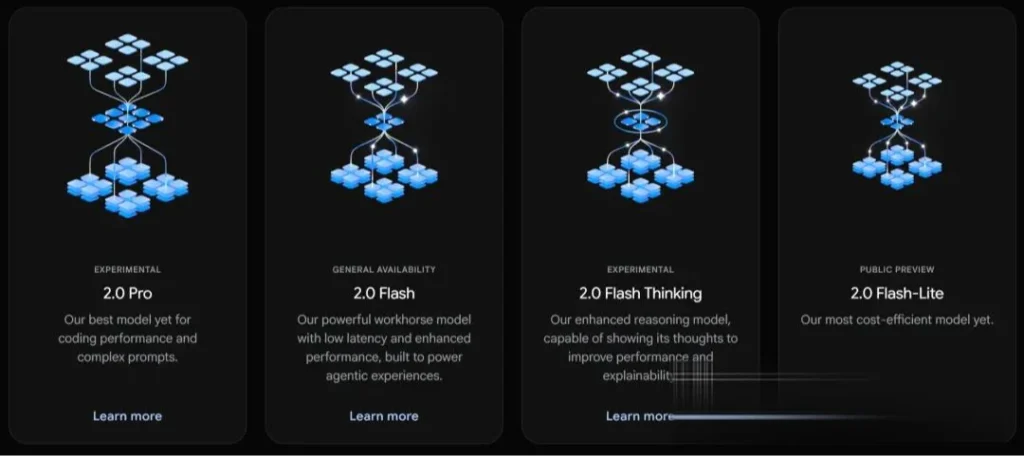
Architecture explains potential. Real-world usage shows what actually holds up under pressure. In 2026, the gap in DeepSeek vs Gemini becomes clear when you look at how teams use them day to day.
DeepSeek AI performs best in environments where logic, precision, and cost control matter.
Developers across Chinese platforms like Zhihu and CSDN consistently point to strong results in:
These adoption patterns also align with broader China tech trends toward production-focused AI deployment.
The key advantage is consistency under repeated use. When tasks involve multi-step reasoning, DeepSeek AI tends to stay stable across long chains of thought.
Cost also changes behavior. Since inference is cheaper, teams run more queries rather than compressing everything into a single prompt. This leads to better outputs over time because workflows are designed around iteration.
A 2026 developer survey across Asian AI communities found that more than 60 percent of startups working on AI-driven tools prefer lower-cost models for internal systems. That preference aligns directly with how DeepSeek AI is being adopted.
Gemini AI, developed by Google, stands out in user-facing environments.
It performs strongly in:
Because it integrates with products like Gmail and Google Docs, it fits into daily user behavior rather than functioning as a separate tool.
This creates a different kind of performance advantage. It is less about raw reasoning and more about responsiveness, context, and convenience.
Internal estimates shared in the 2026 product updates suggest that AI-assisted features influence a large share of actions inside Google’s ecosystem. That level of exposure improves the model’s handling of real-world user intent.
This is one of the clearest differences in DeepSeek vs Gemini.
Developers often describe DeepSeek outputs as more “deterministic,” which matters when precision is critical.
That is why many engineering teams use DeepSeek AI for internal tooling, even while relying on other models for different tasks.
For content-heavy workflows, the gap shifts.
For example:
This difference stems from differences in context handling and training focus.
This is where Gemini AI clearly leads.
Its ability to process text, images, and video in a unified way makes it more effective in:
Since it is integrated into platforms like Android, users interact with it without switching tools. DeepSeek AI is improving in this area, but it is still more focused on text-based reasoning.
The most interesting pattern in 2026 is that companies are not choosing just one model.
Instead, they split usage based on strengths:
This hybrid approach reduces cost while maintaining product quality.
It also reflects a more mature understanding of how AI creates value across different layers of a business.
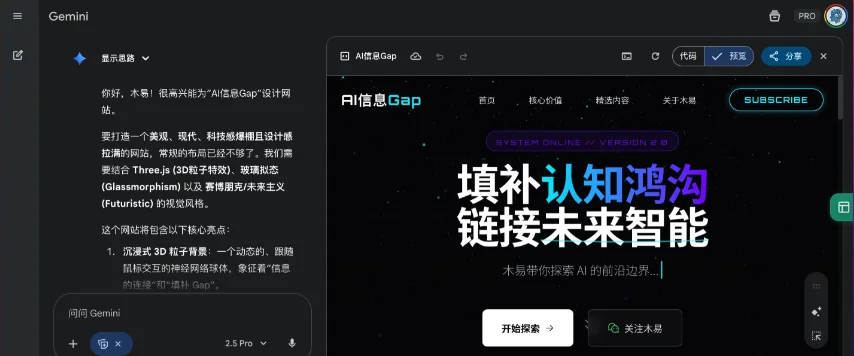
The decision between DeepSeek and Gemini becomes clear as usage scales. Cost directly determines how widely a model can be deployed across systems.
DeepSeek is built for cost efficiency. Its API pricing stays low, with input costs around $0.28 per million tokens and lower with caching. This allows high-volume workloads without sharp cost increases. In real deployments, teams rely on this stability for backend automation and continuous processing.
Gemini uses a tiered pricing model. Entry-level variants remain inexpensive, with options like Flash Lite around $0.075 per million tokens for simple tasks. More advanced versions, such as Gemini Pro, cost significantly more when tasks require deeper reasoning, larger context, or multimodal inputs. Pricing varies based on workload complexity.
The key difference between DeepSeek and Gemini lies in cost behavior under real-world usage. DeepSeek keeps costs stable as volume increases. Gemini costs rise as task complexity increases, particularly when context depth expands.
This shapes how each model scales. DeepSeek fits systems that process large volumes of structured queries where the cost per request must remain consistent. Gemini fits environments where each request carries greater depth, such as long-document analysis or multimodal workflows.
Teams align pricing with workload. DeepSeek supports high-frequency operations where efficiency is critical. Gemini supports complex tasks where deeper context justifies a higher cost per interaction.
The decision in deepseek vs gemini depends on how your workflows operate in practice. Each model aligns with a different type of workload, so the right choice comes from matching the model to the task, not comparing them in isolation.
DeepSeek fits environments where efficiency and scale drive decisions. Teams choose it when systems process large volumes of structured queries, and the cost must remain stable over time.
It works well in backend automation, data processing pipelines, and analytical systems that rely on consistent reasoning performance. In these cases, lower cost per request allows wider deployment without increasing infrastructure pressure.
DeepSeek also supports greater control. Companies can adapt deployment, manage workloads internally, and optimize performance based on their own systems. This matters when AI becomes part of core operations rather than an external tool.
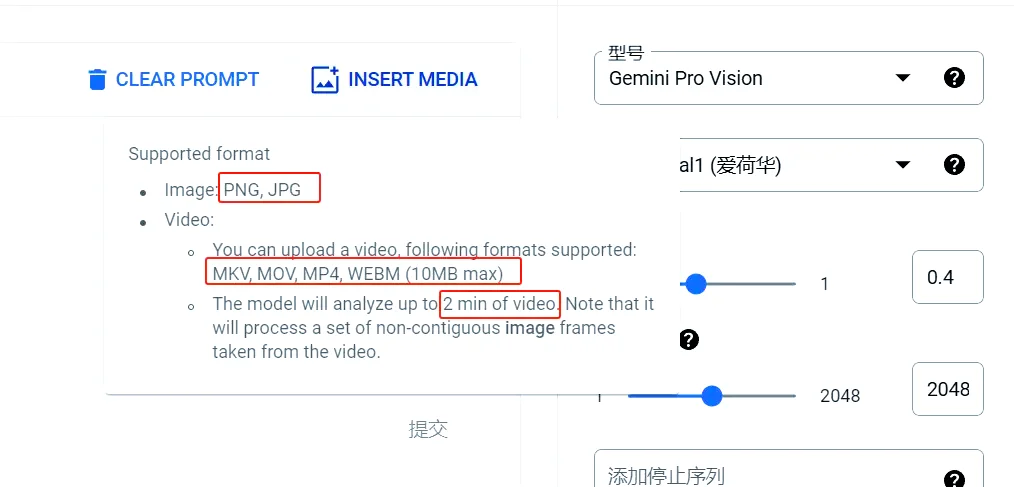
Gemini fits environments where context and integration matter more than volume. Teams choose it when tasks involve large documents, multiple data sources, or multimodal inputs.
It performs well in research workflows, reporting, and knowledge-intensive tasks where deep context understanding improves output quality. Its large context window allows entire datasets or documents to be processed in a single interaction, reducing fragmentation.
Gemini also integrates easily with tools and data ecosystems. This makes it useful in workflows that depend on connected systems rather than isolated processing.
In most advanced deployments, the decision is not exclusive. Teams assign models based on workload type.
DeepSeek handles structured, high-frequency tasks where efficiency matters. Gemini handles complex, context-heavy tasks where depth adds value. This division allows companies to control costs while still accessing advanced capabilities where needed.
So the outcome of Deepseek vs Gemini is straightforward in practice. Choose DeepSeek when scale and efficiency define success. Choose Gemini when context and integration define success.
Understanding DeepSeek vs Gemini is one thing. Turning that insight into real business results is where most teams struggle.
That is where Chozan comes in.
Chozan helps companies move beyond theory and implement AI in ways that fit their operations, budgets, and growth goals. Instead of pushing a single model or trend, the focus stays on what works best for your specific use case.
Most businesses waste time testing tools without a clear strategy. Chozan cuts through that by aligning AI decisions with actual business outcomes.
If you are serious about using AI as a growth lever instead of a side experiment, this is the next step.
Start building smarter with Chozan.
The main difference between DeepSeek vs Gemini lies in the deployment approach. DeepSeek focuses on cost-efficient infrastructure and internal controls, while Gemini focuses on ecosystem integration, multimodal capabilities, and a seamless user experience across connected products and services.
It depends on how your systems operate. DeepSeek for enterprise AI works better when scale and cost efficiency matter, while Gemini is often preferred when workflows rely on integration, context awareness, and consistent performance across user-facing environments.
In most cases, DeepSeek vs Gemini pricing shows DeepSeek is significantly cheaper at scale. Its architecture reduces inference cost, enabling high-volume usage, whereas Gemini costs increase with complexity, especially when using long context or multimodal features.
Yes, DeepSeek self-hosting is possible and widely used. Companies deploy it within their internal infrastructure to control data, optimize performance, and reduce reliance on external APIs, a critical need as AI is deeply embedded in operational systems.
Companies choose Gemini multimodal AI because it processes text, images, and video in a unified system. This makes it more effective for tasks like visual analysis, research workflows, and user interaction, where multiple data types must be handled together.
In DeepSeek vs Gemini coding, DeepSeek often performs better for complex logic and debugging, while Gemini excels at general development tasks. Teams typically use DeepSeek for precision and Gemini for broader productivity and integration within tools.
DeepSeek’s cost advantage stems from its efficient architecture, which activates fewer parameters per request. This reduces compute usage and enables repeated queries without significant cost increases, making it suitable for continuous processing and large-scale automation systems.
Yes, Gemini’s long-context analysis is stronger because it can process large datasets in a single pass. This makes it effective for research, reporting, and knowledge tasks where understanding the full context improves accuracy and reduces fragmentation.
Yes, many teams use DeepSeek and Gemini together. DeepSeek handles high-volume internal processing, while Gemini supports user-facing and context-heavy tasks. This hybrid approach balances cost efficiency with capability across different parts of a system.
The main risks of DeepSeek in enterprise AI relate to integration complexity and governance. Companies must manage deployment, monitoring, and security internally, which requires technical expertise but also provides greater flexibility and control over data.
Gemini real-time integration works through tight integrations with existing ecosystems, such as search and productivity tools. This allows it to access updated information quickly, making it useful for workflows that depend on current data and dynamic inputs.
For AI automation and backend workflows, DeepSeek is usually more effective. Its lower cost and consistent reasoning allow systems to run frequent queries and automate processes without increasing operational expenses or limiting usage across internal tools.
In DeepSeek vs Gemini data control, DeepSeek offers more flexibility because it can be deployed internally. Gemini operates through managed environments, which simplifies usage but limits organizations’ control over data flow and system behavior.