CONTENT

The Employment Ordinance (Cap. 57) of Hong Kong outlines statutory holidays, rest days, and leave that every employer must provide to employees. For foreign domestic helpers (FDHs), these legal holidays are significant because they often work and live in their employers’ homes, relying on clear holiday arrangements to rest, attend to religious obligations, and maintain social ties.
The number of statutory holidays in Hong Kong has continued to expand under legislative reform. As of 2026, employees are entitled to 15 statutory holidays, reflecting the latest phase of the government’s progressive increase plan. This guide explains the 2026 statutory holiday framework, outlines employers’ legal duties, and clarifies the specific rights and practical considerations that apply to foreign domestic helpers.
Hong Kong law recognizes two separate categories of public holidays, each governed by a different ordinance and carrying different legal obligations.
Statutory holidays, often referred to as “labour holidays,” are established under the Employment Ordinance. All employees, regardless of job type, working hours, or length of service, are entitled to these holidays. Employers may only require work on a statutory holiday if an alternative holiday is arranged within the legally permitted timeframe. Foreign domestic helpers fall squarely within this protection.
General holidays, sometimes called “bank holidays,” are listed under the General Holidays Ordinance. These include traditional and religious observances such as Good Friday and Easter Monday. Many office-based or financial-sector employees receive general holidays in addition to statutory holidays. However, FDHs are only guaranteed statutory holidays by law, unless employers voluntarily provide more.
The statutory holiday system exists to ensure baseline protection for all workers, allowing participation in significant civic and cultural observances while preventing excessive work demands. Under the Employment (Amendment) Ordinance 2021, Hong Kong introduced a phased plan to raise statutory holidays from 12 to 17 by 2030.
Following this schedule:
As a result, 2026 marks the first year with 15 statutory holidays, with further additions planned for 2028 and 2030. Employers and domestic helpers should understand these changes clearly, as statutory holiday entitlements cannot be waived, replaced with payment, or informally altered.

Hong Kong’s Labour Department publishes an official list of statutory holidays each year. For 2026, the 15 statutory holidays (and the weekday they fall on) are as follows:
| No. | Date in 2026 | Holiday | Notes |
| 1 | 1 January (Thurs) | New Year’s Day | Start of the year. |
| 2 | 17 February (Tues) | Lunar New Year’s Day | First day of the Lunar New Year. |
| 3 | 14 February (Wed) | Second day of the Lunar New Year | |
| 4 | 19 February (Thurs) | Third day of the Lunar New Year | |
| 5 | 5 April (Sun) | Ching Ming Festival | Commemoration of ancestors. |
| 6 | 6 April (Mon) | Easter Monday | |
| 7 | 1 May (Fri) | Labour Day | International labor celebration. |
| 8 | 24 May (Sun) | Birthday of the Buddha | Added in 2022; important Buddhist holiday. |
| 9 | 25 May (Mon) | Birthday of the Buddha | Substitute |
| 10 | 19 June (Fri) | Tuen Ng Festival (Dragon Boat Festival) | |
| 11 | 1 July (Wed) | HKSAR Establishment Day | Anniversary of Hong Kong’s establishment as a Special Administrative Region. |
| 12 | 1 October (Thurs) | National Day | National Day of the People’s Republic of China. |
| 13 | 7 October (Sat) | The day following the Mid‑Autumn Festival | |
| 14 | 18 October (Sun) | Chung Yeung Festival | Festival of climbing high and remembering ancestors. |
| 15 | 19 Oct (Mon) | Chung Yeung Festival | Substitute |
| 16 | 21 December or 25 December (Fri) | Winter Solstice or Christmas Day | Employers choose either Winter Solstice or Christmas Day as a statutory holiday. If the Winter Solstice is chosen, the date may vary depending on the lunar calendar; in 2026, it falls on 21 December (Sunday). |
| 17 | 26 December (Sat) | The first weekday after Christmas Day | Added from 2024; ensures employees receive a holiday following Christmas. |
Important Notes:
Only 15 days count as statutory holidays. Substitute days replace holidays that fall on rest days; they do not create additional entitlements.
When a statutory holiday falls on a rest day, usually Sunday for FDHs, employers must grant a substitute holiday on the following day that is not a statutory holiday, rest day, or alternative holiday.
In 2026, this applies to:
Failure to provide a substitution constitutes a breach of the Employment Ordinance.
2026 is the first year Easter Monday is legally recognized as a statutory holiday. Employers who previously treated it as a general holiday only must now grant it to all eligible employees, including FDHs, with proper holiday pay where applicable.
As in previous years, employers must choose either Winter Solstice or Christmas Day as the statutory holiday, not both.
In 2026:
Employers must clearly inform employees which day is designated. If the chosen day falls on a rest day, a substitute must be arranged.
Under the ongoing statutory holiday expansion:
Employers should begin long-term planning to accommodate these changes in household staffing and payroll calculations.
Hong Kong has general holidays (commonly called “public holidays” or “bank holidays”), which include Good Friday, Easter Monday, the day after Good Friday, and all statutory holidays. Employees in banks or other professional sectors may receive general holidays, but the Employment Ordinance mandates only statutory holidays.
FDHs and many blue‑collar workers, therefore, have fewer holidays. Employers can voluntarily grant general holidays, but they cannot replace statutory holidays with money or with other general holidays of equal value.
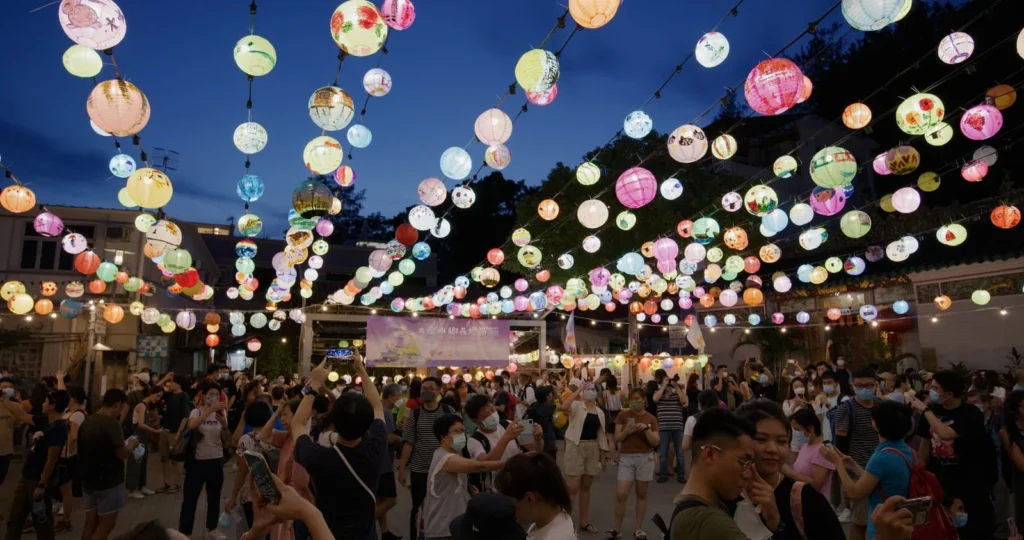
Statutory holidays in Hong Kong are not only days off work. They are deeply embedded in how the city relaxes, shops, travels, and reconnects with culture. For brands, retailers, and employers, these periods create predictable spikes in foot traffic, travel movement, and discretionary spending.
During long weekends and festival clusters, the city shifts from its usual high-tempo work rhythm to a leisure-driven, experience-focused mode.
Lunar New Year remains the most culturally significant holiday period in Hong Kong. While many residents travel overseas or return to mainland China, those staying in the city gravitate toward:
Retail zones such as Lee Tung Avenue, Harbour City, and Times Square typically attract heavy footfall through decorative installations, seasonal pop-ups, and extended mall hours.
From a brand perspective, Lunar New Year is less about aggressive promotions and more about symbolism, gifting aesthetics, and emotional resonance.

Holidays such as Ching Ming Festival, Easter Monday, Buddha’s Birthday, and the Dragon Boat Festival often trigger short domestic escapes rather than international travel.
Common patterns include:
For lifestyle and F&B brands, these holidays favor day-trip consumption, casual dining, and convenience retail over luxury shopping.
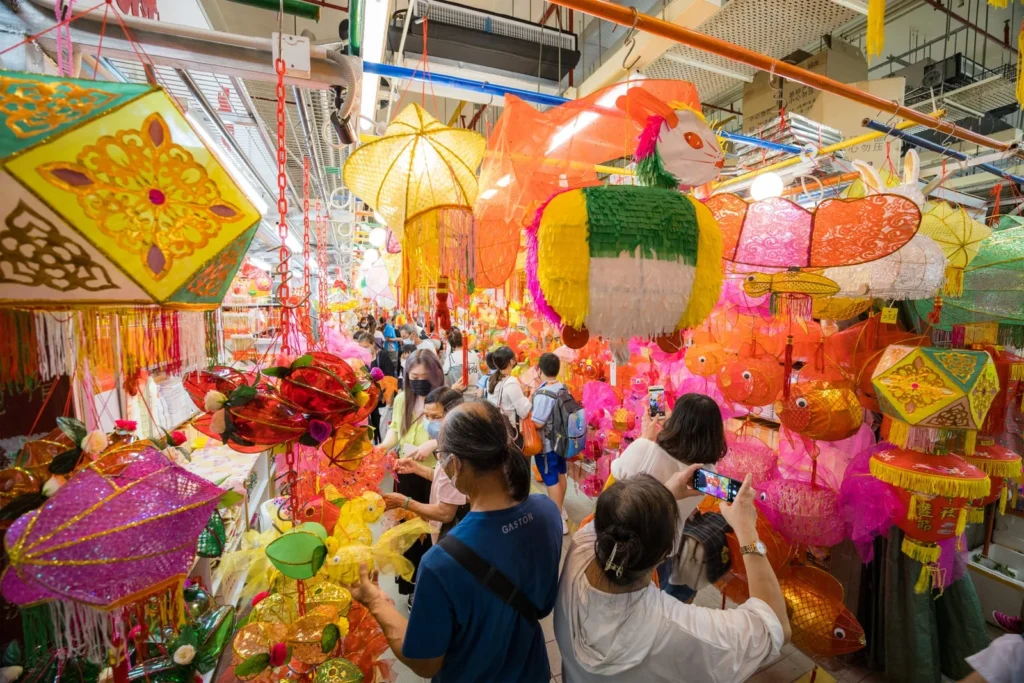
The Mid-Autumn Festival and its subsequent statutory holiday drive a strong evening economy. Parks, waterfronts, and promenades fill with families and social groups gathering after sunset.
Key behaviors include:
Retailers and brands often focus on limited-edition packaging, premium gifting, and family-friendly messaging, rather than discounts.
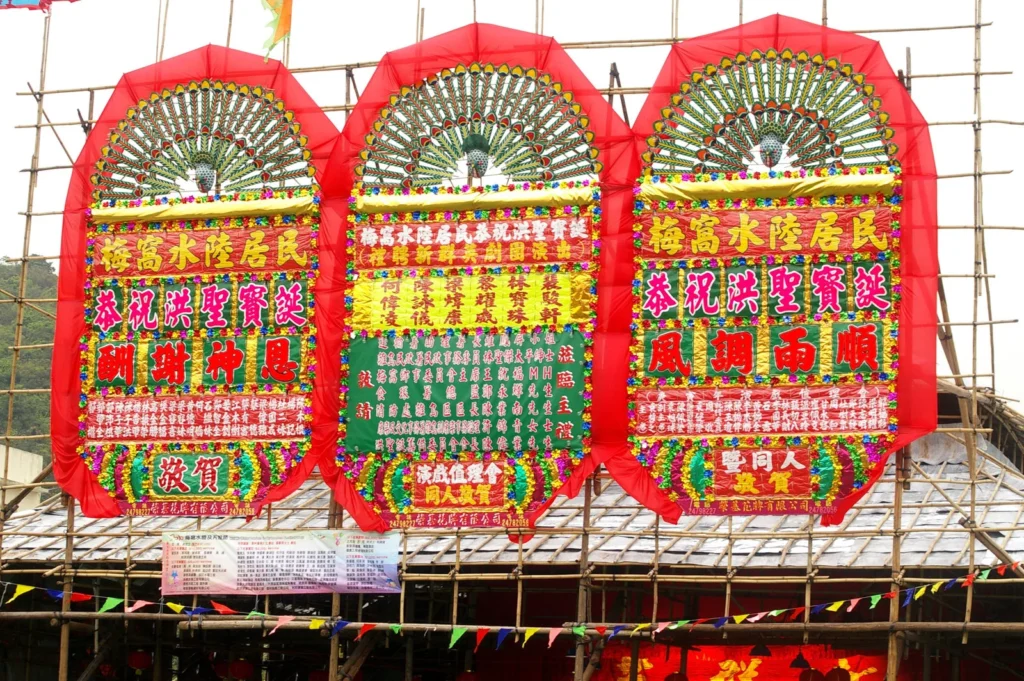
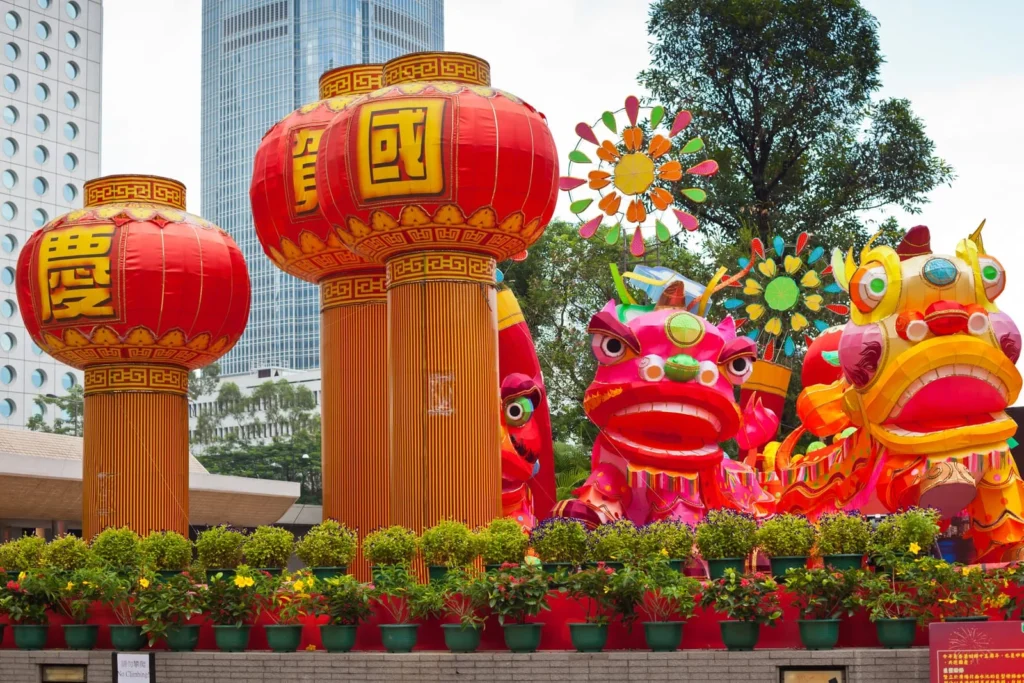
National Day, Christmas, and year-end holidays consistently drive:
Districts such as Causeway Bay and Tsim Sha Tsui become high-intensity retail corridors, with brands leveraging window displays, experiential activations, and festive storytelling.
An employee employed under a continuous contract—working for the same employer for at least four weeks with no fewer than 18 hours per week—who has served for three months or more immediately before a statutory holiday is entitled to holiday pay.
Employees who have not completed three months’ service must still be granted the day off, but are not entitled to paid holiday. Many employers still choose to pay for goodwill.
Holiday pay must be no less than the average daily wages earned by the employee in the 12 months preceding the holiday. Periods not counted as working (e.g., maternity leave, sick leave, holidays) are excluded from the divisor, ensuring that employees are not penalized for taking leave. Payment must be made on the regular payday after the holiday.
Employers cannot pay money instead of a statutory holiday or rest day. Even if an employee agrees, the arrangement is invalid. The only lawful option is to arrange an alternative holiday or, for rest days, a substitute within the same month or within 30 days.
Employers may require an employee to work on a statutory holiday only if they give at least 48 hours’ prior notice and arrange an alternative holiday within 60 days before or after the original holiday. Fair Employment Agency emphasises that employers should notify the helper as early as possible to allow them to plan personal activities.
It is best practice to document holiday arrangements in writing. My Sweet Home, a Hong Kong employment agency, advises employers to keep clear records of the helper’s alternative holidays to avoid disputes. Helpers should only sign holiday or leave records when they fully understand them.
Failure to grant statutory holidays, alternative holidays, or holiday pay can result in prosecution and a fine of HK$50,000. Pressuring a domestic helper to work on rest days or holidays without proper compensation is considered an offense.
Under the Employment Ordinance, every employee is entitled to at least one rest day every seven days. Rest days must last at least 24 consecutive hours. Employers can designate rest days as fixed (on the same day each week) or non-fixed.
However, for non-fixed rest days, they should inform the employee at the beginning of each month. If both parties agree, the rest day may be substituted, provided it falls within the same month or within 30 days after the original rest day. Employers cannot pay money instead of a rest day.
A key difference between statutory holidays and annual leave is that statutory holidays are granted to all employees, regardless of their length of service. In contrast, annual leave accrues only after an employee has completed a year of service. The Employment Ordinance provides the following entitlements:
| Years of continuous service | Annual leave entitlement (days) |
| 1–2 years | 7 days |
| 3 years | 8 days |
| 4 years | 9 days |
| 5 years | 10 days |
| 6 years | 11 days |
| 7 years | 12 days |
| 8 years | 13 days |
| 9 years or more | 14 days |
Employers must give at least 14 days’ notice before the annual leave begins. A portion of the annual leave (at least 7 days if entitlement exceeds 10 days) must be taken in a single period; the rest can be taken separately.
Payment for annual leave is also based on the average daily wages over the preceding 12 months. The employer cannot require the employee to forgo leave in return for payment unless the leave entitlement exceeds 10 days and the employee agrees voluntarily.
If a domestic helper works for more than 3 months but less than a year, and the contract ends, the employer must pay for the unused annual leave in proportion to the time worked.
Sunlight Domestic Helper Centre provides a formula:
(days of service / 365) × 7 = the number of entitled leave days, and (monthly salary × 12 / 365) × the number of entitled leave days = the payable compensation.
For instance, a helper who worked for 6 months at HK$5,000/month would be entitled to (180/365) × 7 ≈ 3.5 days of leave. The compensation would be (5,000 × 12 / 365) × 3.5 ≈ HK$575.
Foreign domestic helpers share the same statutory protections as local employees under the Employment Ordinance. The Foreign Domestic Helpers’ Guidebook emphasises that helpers are entitled to rest days, statutory holidays, and paid annual leave regardless of the length of service. Key rights include:
The standard contract also mandates that wages be paid in full no later than seven days after the end of the wage period and must not fall below the Minimum Allowable Wage set by the Hong Kong government.
Employers must not withhold wages as a disciplinary measure and must reimburse helpers for any official fees they pay when processing employment documents.
Statutory holiday obligations are legal requirements, but responsible employers go beyond mere compliance. The following practices can help maintain a harmonious household:
My Sweet Home employment agency advises employers to plan so that holiday arrangements do not disrupt household needs. Create a calendar of statutory holidays and discuss with your helper whether she would prefer the Winter Solstice or Christmas Day. For rest days, specify whether they are fixed or flexible and provide a monthly schedule if they are non‑fixed.
Holidays and rest days provide helpers with opportunities to rest, worship, or engage in community activities. Employers should avoid asking helpers to work on their days off unless necessary, and if they do, they must provide an alternative day off within the required timeframe. A positive working relationship often improves work performance and loyalty.
Document all holidays, substitute days, and annual leave taken. When a helper works on a statutory holiday and receives an alternative holiday later, record the date of the alternative holiday. Helpers should sign the record only after thoroughly understanding it, and employers should retain the records for at least 12 months to minimize disputes.
Calculate holiday pay and annual leave based on average daily wages over the past 12 months. Avoid arbitrarily deducting wages for rest days or holidays. Payment should be made on the next regular pay day. Many employers also voluntarily pay wages for statutory holidays even when helpers have not yet served three months as a gesture of goodwill.
Many FDHs come from the Philippines, Indonesia, or Thailand and may celebrate Christian or Muslim holidays in addition to Hong Kong’s statutory holidays. While these are not statutory holidays, some employers choose to give additional leave (e.g., Good Friday or Eid) to build trust and respect cultural diversity. Communication is key—ask what festivals are essential to your helper.
My Sweet Home suggests giving helpers emergency contact details, advising them to travel with friends and avoid returning late at night. This is particularly important for helpers unfamiliar with Hong Kong’s neighbourhoods.

Domestic helpers should also take an active role in managing their leave:
Understanding Hong Kong’s employment and labor systems, from statutory holidays to domestic worker rights, reveals much about how governance, business culture, and compliance frameworks function across Greater China. But translating these insights into a strategy for your organization requires deeper context — and that’s where ChoZan comes in.
Through ChoZan’s China Learning Expeditions, your leadership team can explore how policies like Hong Kong’s Employment Ordinance intersect with mainland China’s labor modernization, automation, and workforce digitization. You’ll see how these legal frameworks influence business models, HR standards, and social trust — and what that means for expansion or collaboration in the region.
For HR, compliance, and leadership teams managing operations across Asia, ChoZan’s China Research and Executive Learning Tours decode how regulation, worker protection, and digital transformation intertwine in China’s rapidly evolving economy. From Hong Kong’s statutory systems to mainland China’s AI-driven employment platforms, we connect legal awareness with market foresight.
If your organization wants to go beyond reading laws and start understanding the systems behind them, partner with ChoZan.
Contact ChoZan to tailor your next learning journey — and discover how policy, people, and innovation truly connect across Hong Kong and China.
Yes, but only under strict conditions. Employers may arrange an alternative holiday within 60 days before or after the original date. This must be clearly communicated in advance. Workers cannot lose their entitlement, and employers should record the arrangement to avoid disputes or penalties during inspections.
Yes, if they are employed under a continuous contract, defined as at least 18 hours per week for four consecutive weeks. Once this threshold is met, part-time workers enjoy the same statutory holiday rights as full-time staff. Employers must calculate pay fairly, based on average daily wages.
Holiday entitlements apply even during probation, provided the worker meets continuous contract criteria. However, pay is mandatory only if the employee has worked for at least 3 months. During early probation, employers may grant unpaid rest days, but must still respect the right to take the holiday off.
While not legally mandated, the Labour Department strongly encourages employers to publish statutory holiday schedules. Posting them helps reduce disputes, ensures transparency, and demonstrates compliance in the event of an inspection. Many employers include the holiday list in contracts, staff handbooks, or digital HR portals for clarity.
Shift workers remain entitled to statutory holidays. If a holiday begins during a scheduled night shift, the employer must ensure an equivalent full day off is given. Employers must carefully manage rosters so night shift employees are not disadvantaged compared to daytime workers in receiving their statutory holiday rest.
There is no double pay rule in Hong Kong law. Instead, employers must provide an alternative holiday within 60 days. If no replacement is given, the employer risks penalties. Some companies voluntarily offer double pay as a goodwill practice, but it is not a statutory requirement under the Employment Ordinance.
For foreign domestic helpers, statutory holidays are written into their Standard Employment Contract. Employers must provide the holiday or a substitute day within legal timeframes. The Immigration Department and Labour Department handle complaints, and proven violations may affect the employer’s eligibility to hire FDHs in the future.
No. Statutory holiday rights are non-waivable under Hong Kong law. Even if employees verbally agree to skip a holiday, the employer remains legally responsible to grant it or provide an alternative. Waivers, “cash-outs,” or private arrangements that remove the entitlement are not legally enforceable and expose employers to penalties.
Trade unions in Hong Kong often assist workers in filing complaints about holiday violations. They provide advice, legal support, and negotiation services. For FDHs, unions like the Mission for Migrant Workers regularly intervene when employers deny holidays. Unions also lobby for expanding the statutory holiday list to match general holidays.
No, statutory holiday rights only apply to employees under contracts governed by the Employment Ordinance. Self-employed individuals, freelancers, and contractors must negotiate holidays into their service agreements. This makes proper classification of employment status critical to avoid disputes over entitlements in legal or tax proceedings.
Employers should maintain clear wage records, contracts, and attendance logs. The Labour Department requires employers to keep wage records for at least 12 months. In disputes, documented pay slips, holiday notices, and signed acknowledgments are strong evidence. Without records, employers often lose credibility in tribunal proceedings.
Employers who fail to grant statutory holidays may face prosecution under the Employment Ordinance. Convictions can result in fines of up to HK$50,000. In addition, the Labour Tribunal can order employers to pay compensation, damages, or outstanding holiday pay. Repeated violations harm an employer’s reputation and hiring eligibility.
If a statutory holiday overlaps with approved sick leave, the holiday is still counted as a statutory holiday. Employers cannot replace it with another day. Employees may receive both statutory holiday pay and sickness allowance, depending on eligibility. Careful record-keeping is essential to avoid errors or disputes in such cases.
Employers should create annual holiday calendars, circulate them early, and keep signed acknowledgments from staff. Using HR software to track entitlements helps avoid errors. For FDHs, employers should plan schedules around cultural observances like the Lunar New Year or Christmas. Transparent communication reduces conflict and ensures smooth compliance with the law.