CONTENT

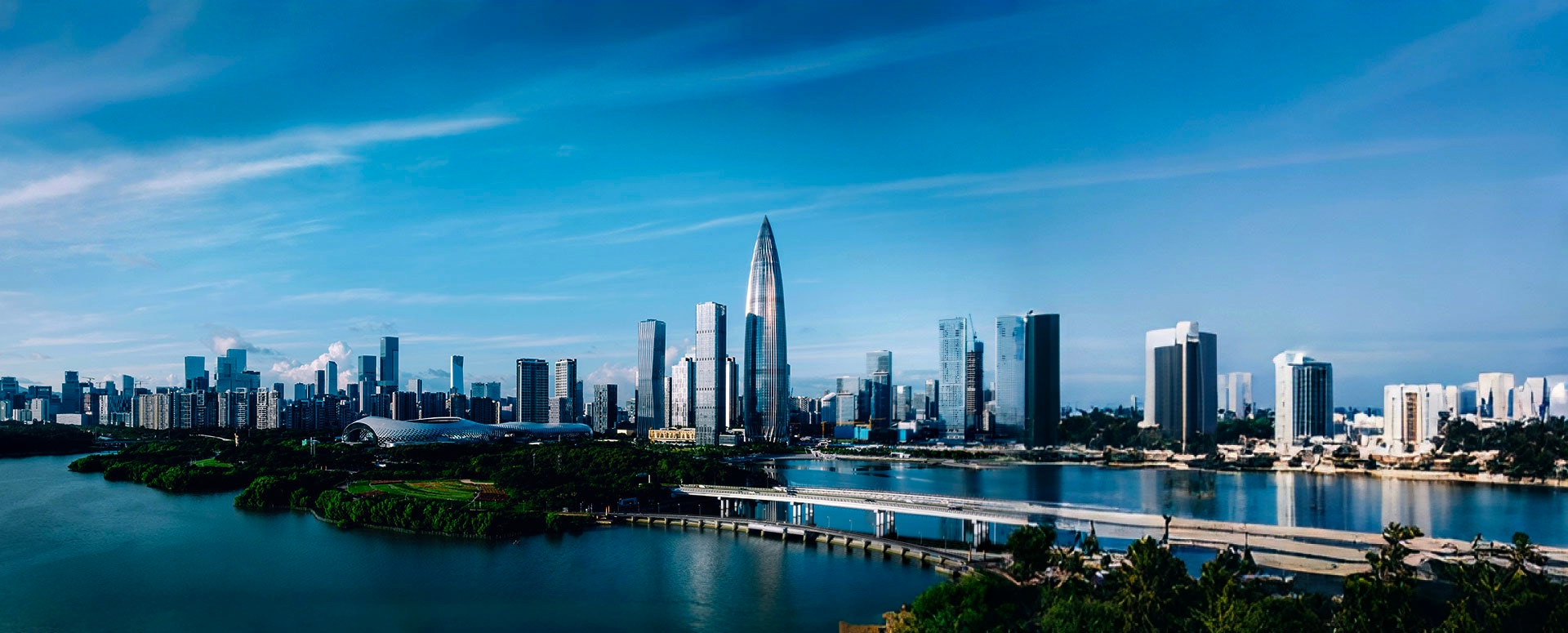
In northern China, a new urban district is transforming expectations of what a city can be. The Xiongan New Area is being developed roughly 100 kilometers southwest of Beijing as part of a deliberate policy to disperse some non‑capital functions and promote coordinated development across the Beijing–Tianjin–Hebei region.
Starting in 2025, the area entered a high‑quality construction phase, with operational headquarters, universities, hospitals, a smart urban network, and green spaces rapidly taking shape. Chinese authorities describe it as a “city of the future” that blends smart infrastructure, environmental restoration, innovation clusters, and human‑centered design.
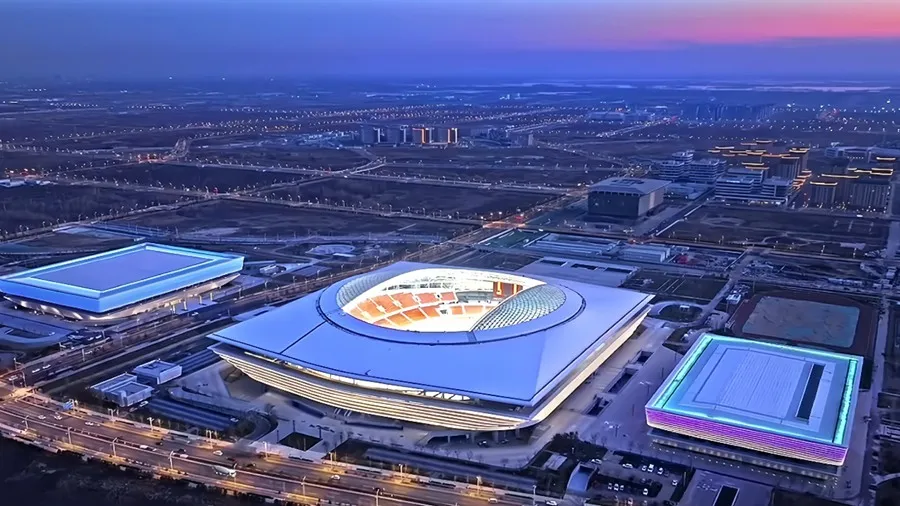
In April 2025, Xiongan had reached a pivotal stage. Large‑scale infrastructure projects and relocation efforts were underway simultaneously. New sports and cultural facilities appeared; a 40,000‑seat stadium opened in March that year.
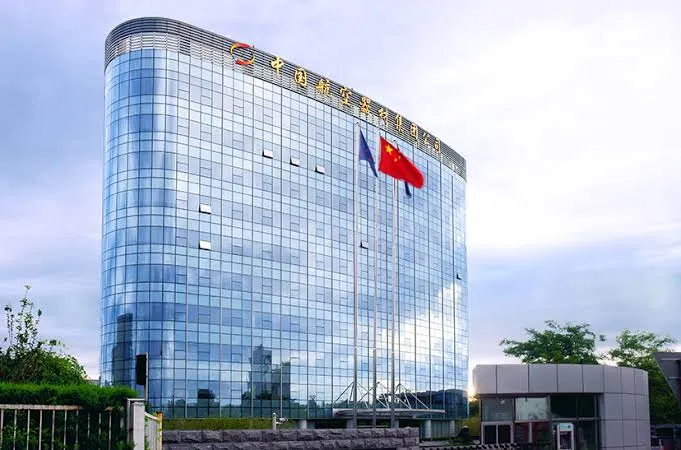
Crucially, centrally administered state‑owned enterprises (SOEs) began moving their headquarters into the new area. The China Satellite Network Group Co., Ltd. (CSCN), for example, started operations at the end of 2024, while other SOEs were constructing headquarters nearby.
This cluster effect attracted about sixty aerospace‑information enterprises and catalyzed an industrial ecosystem spanning satellite internet, spatiotemporal information, aerospace vehicles, and intelligent manufacturing.
Relocation efforts extended beyond corporate offices. In early 2025, over 4,000 enterprises originally based in Beijing had registered operations in Xiongan. Education and healthcare institutions followed. Four universities from Beijing began building campuses, and the Xiongan branch of Peking Union Medical College Hospital was scheduled to start construction soon.
The reform and development bureau reported that investments in the new area exceeded 860 billion yuan in February 2025. These developments signaled serious progress toward creating a liveable, diverse city rather than a sterile administrative zone.
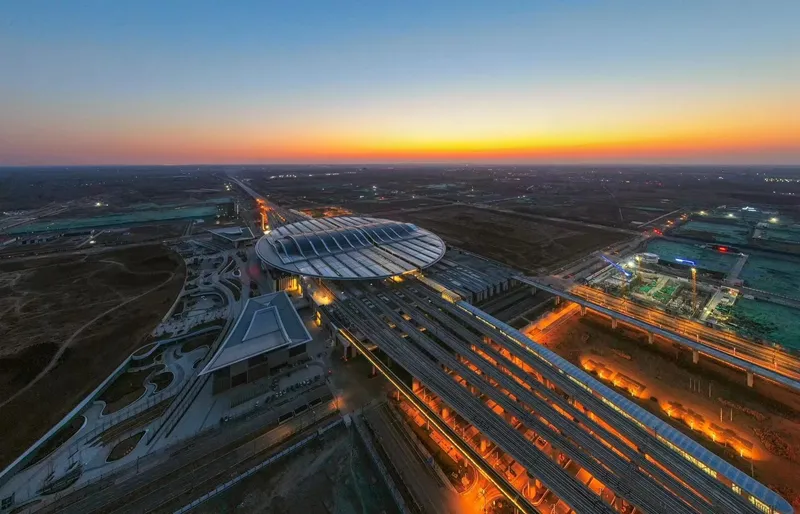
Transport and urban services were designed with digital-first principles. By mid‑2025, Xiongan had built 153 kilometers of digital roads equipped with smart lampposts that integrated sensors and traffic lights. Real‑time traffic flow data helped an intelligent system adjust signal timing to reduce red‑light stops, improving traffic efficiency. This infrastructure underpinned autonomous buses and other connected vehicles.
Smart mobility extended into municipal management. In the Rongdong district, more than 1,000 AI‑enabled cameras monitored streets and neighborhoods and could detect nineteen categories of urban issues, from overflowing bins to illegal parking. Issues were sent to community workers for rapid resolution.
At the core of this system is the Xiongan urban computing center, described as the city’s “brain.” It integrates Internet of Things sensors, big data, artificial intelligence, and cloud computing to enable real‑time and refined urban management. This platform allows the city to respond quickly to problems rather than relying on manual reports.
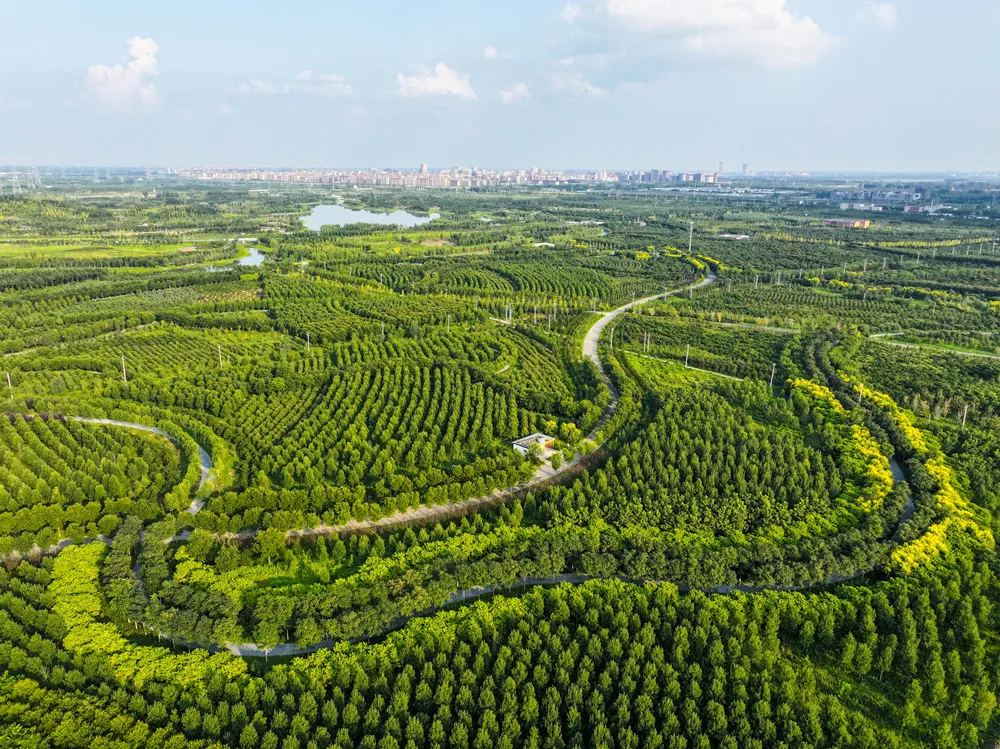
Xiongan’s planners emphasized livability and ecological health. Since 2017, the area has added over 481,000 mu (32,067 hectares) of new trees, raising forest coverage from 11 percent to 35 percent. In the Baiyangdian Lake wetland, systematic ecological restoration improved water quality to its best level since 1988, increasing the number of wild bird species to 295.
These green spaces were designed to occupy about 70 percent of the land area, leaving only 30 percent for built‑up zones. Residents reported that parks, shops, and schools were accessible within a 15‑minute walk, illustrating the “15‑minute neighborhood” principle.
Subsidized rental apartments and talent-attraction programs also improved the quality of life, encouraging professionals to relocate.
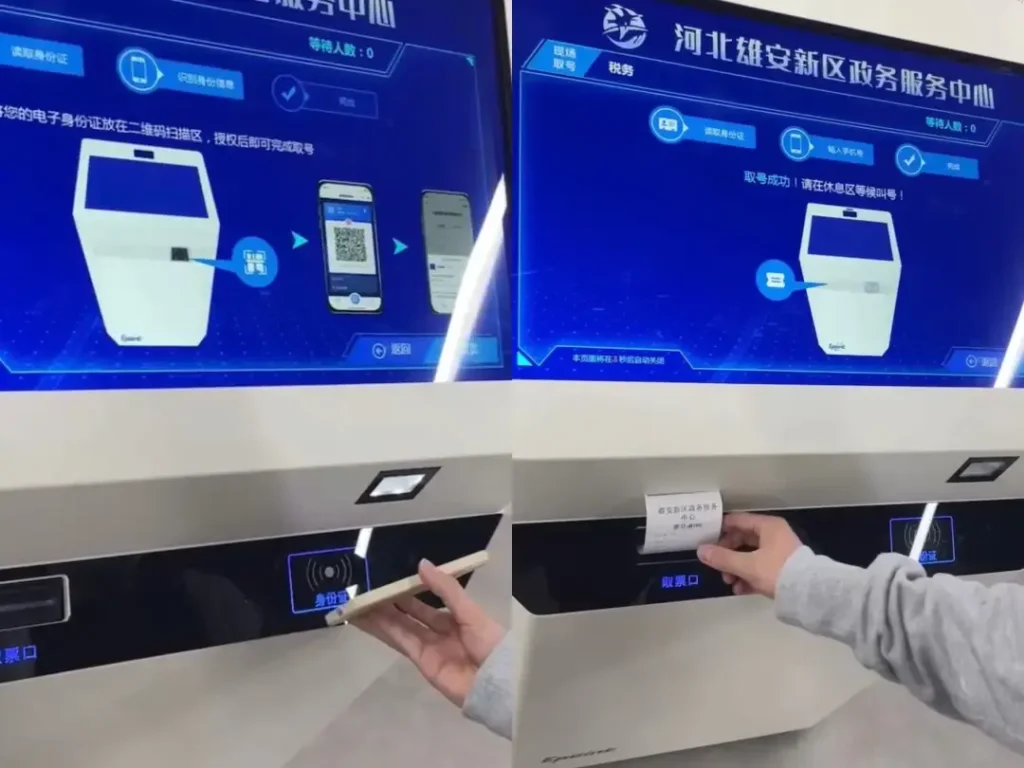
In March 2025, commentators highlighted the area’s blueprint for smart governance and inclusive growth. Digital technology was applied to simplify government services. A cloud‑based service platform allowed residents and businesses to access permit applications and investment approvals online. This “cloud window” service aimed to cut bureaucracy and make government processes more transparent and responsive.
Xiongan also worked to attract high‑quality education. Top Beijing schools such as Beihai Kindergarten and Shijia Hutong Primary School opened branches in the new area.
Universities relocated programs to Xiongan, reinforcing the human‑centered vision. These efforts underscored the belief that a future city must integrate education, culture, and public services, not just infrastructure.
The year 2026 marked a new phase as the area entered the implementation of China’s 15th Five‑Year Plan (2026–2030). On March 27 2026, President Xi Jinping visited Xiongan and toured its start‑up zone.
He observed that the developed area covered around 215 square kilometers with more than 5,300 buildings, 1.41 million residents, and 669 high‑tech enterprises. Xi praised the progress and emphasized that the area’s primary function remains receiving non‑capital functions relocated from Beijing while promoting high‑quality development.
During the inspection, Xi called for efforts to build Xiongan into an innovation hub and a model of high‑quality development. He urged the integration of technological and industrial innovation and the cultivation of a modernized industrial system. He also stressed the need to improve public services, explore smart city management models, and ensure blue skies and clean water.
Global Times coverage of the visit added more details. By March 2026, Xiongan had relocated more than 4,000 companies from Beijing and hosted over 400 branches of centrally administered SOEs. To nurture innovation, the city announced 16 measures to lower administrative barriers and encourage talent to start businesses.
Lower rental costs and supportive policies attracted many young professionals. Hebei Daily reported that twenty livelihood projects were advancing in 2026 across living environment, transport, education, healthcare, elderly care, child care, and employment support. These initiatives illustrate the government’s determination to deliver tangible benefits to residents.
Environmental improvements continued. Since 2017, the area has afforested 483,000 mu (32,200 hectares), raising forest coverage to 35.1 percent. Baiyangdian’s biodiversity improved: wild bird species increased to 296, and fish species recovered to 50. Smart monitoring using AI helped protect birds and wildlife.
In March 2026, Xiongan launched its first international air cargo terminal within a comprehensive bonded zone. The terminal operates under the NXA airline code and allows direct air freight handling and customs clearance. Analysts said this initiative integrates Xiongan into global aviation networks and enhances regional logistics.
The region’s integrated development is expected to deepen. By facilitating the flow of talent, technology, and capital, Xiongan aims to accelerate technology transfer into industry and build a robust innovation ecosystem. Experts predict that integrated development will make the Beijing‑Tianjin‑Hebei region a model of high‑quality growth and green transformation.
The Xiongan urban computing center receives data from smart lampposts, cameras, and sensors installed along roads. The center enables refined and intelligent management of city services. For example, AI‑equipped cameras detect municipal issues and send alerts to workers, while traffic flow data guides real‑time signal adjustments. Such systems reduce congestion, improve safety, and allow prompt responses to issues.
The city also partners with technology companies to develop advanced traffic management solutions. The “Kunchao Shuangzhi Intersection 3.0” system uses real‑time data and algorithms to optimize traffic flow.
This system, previously tested in Beijing, is being implemented in Xiongan as part of a broader smart traffic platform. Digital roads support autonomous buses and provide data to the unified platform, enabling predictive analytics for traffic management.
Although progress has been impressive, Xiongan faces challenges typical of large-scale urban projects. Balancing rapid construction with ecological protection requires careful planning. The region must avoid the inequality seen in other urban experiments, where economic benefits concentrate in core zones.
Commentators noted that bridging regional disparities in the surrounding Hebei area is vital. Xiongan must continue policies that attract investment and share benefits across the broader region. Transparency, inclusive public services, and strong governance are essential.
Looking ahead, Xiongan aims to build a modern industrial system that integrates technological innovation with local conditions. The 15th Five‑Year Plan calls for developing new, quality productive forces and exploring future‑oriented models of smart city management.
Analysts believe the integrated Beijing‑Tianjin‑Hebei region, with Xiongan as a key node, could serve as a template for sustainable urbanization. As more universities, research institutes, and enterprises settle in the area, Xiongan may evolve into a major hub for innovation, green development, and digital urban governance.
Xiongan shows how China is turning smart infrastructure, digital governance, and urban innovation into real-world systems. ChoZan helps global leaders understand these shifts through China learning expeditions, executive workshops, expert briefings, innovation research, and strategy consulting.
If your team wants to see how China’s future cities, smart mobility, AI infrastructure, and green development models are evolving, book a consultation with ChoZan to build a clearer view of what comes next.
Yes, Xiongan is designed as a sustainable city with green space, wetland restoration, smart infrastructure, and low-carbon planning. Its development model limits built-up land and prioritizes water systems, parks, public services, and ecological protection.
In October 2025, Sinochem, China Huaneng Group, and Beijing Tianjin Hebei Railway Company moved their headquarters from Beijing to Xiongan. This strengthened Xiongan’s role as a hub for state-owned enterprises.
Xiongan uses digital roads, smart lampposts, AI cameras, cloud computing, big data, IoT sensors, and an urban computing center known as the city brain. These systems support traffic control, public services, municipal management, and smart city operations.
The Xiongan Urban Computing Center is the city’s digital operations hub. It supports government services, urban planning, ecological management, and citywide data systems through edge computing, cloud computing, supercomputing, intelligent computing, big data, blockchain, and IoT.
Xiongan Pass connects residents to government affairs, social security, healthcare, transport, and daily consumption through a third-generation social security card system. More than 810,000 cards have been issued, with over 6 million recorded uses.
Digital twin technology gives buildings, roads, and pipelines a digital ID. Sensors and building information modeling help monitor water, electricity, gas, heating, communications, and utility tunnels, so city managers can detect risks earlier.
Xiongan uses AI-powered traffic lights that adjust in real time based on traffic flow. In Rongdong District, this system supports smoother rush-hour movement and demonstrates how the city links digital models to physical infrastructure.
Yes, Xiongan’s Urban Computing Center uses domestically developed chips, servers, cloud platforms, and applications. This supports China’s broader push for self reliant digital infrastructure while powering government services, smart mobility, environmental protection, and energy management.
Baiyang Lake is Xiongan’s most important natural feature and northern China’s largest freshwater lake. It supports the area’s ecological identity, wetland restoration plans, and long-term goal of balancing urban growth with natural systems.
Xiongan is planned to accommodate about 5 million people by the time it is completed. Its development is expected to continue through 2035 and be fully completed by the middle of the 21st century.