CONTENT

MicroPort is a Shanghai-headquartered medical technology group that develops and commercializes devices through subsidiaries and associated companies. Its portfolio spans cardiovascular intervention, orthopedics, electrophysiology, structural heart treatment, neurovascular care, and surgical robotics.
Its significance lies in the attempt to connect specialist products with broader commercial reach. That makes the company a useful case study in China’s ability to build complex medical technologies and take them into international clinical practice.
The business question is how effectively those connections translate into adoption, recurring revenue, and sustainable operating performance.
MicroPort’s structure combines controlled businesses with investments in separately listed specialists. Each field has distinct development cycles, clinical evidence requirements, and purchasing decisions. A group-wide product count therefore offers only a starting point for understanding the business.
The company’s October 2026 portfolio update and international joint-replacement disclosure illustrate the range:
| Field | Representative products or systems |
| Cardiovascular intervention | Firesorb bioresorbable scaffold |
| Orthopedics | Hip and knee reconstruction implants |
| Electrophysiology | Columbus 3D mapping and ablation catheters |
| Structural heart | VitaFlow transcatheter valve systems |
| Neurovascular intervention | Tubridge flow diverter |
| Surgical robotics | Toumai laparoscopic surgical system |
These products have different regulatory statuses and geographic availability. Their commercial connections require examination at the operating-company level.
A practical market-entry map should identify the clinical champion, procurement decision-maker, payer, and service partner for each category. Map those relationships country by country before assigning value to group-wide distribution reach.
Commercial reach has limits that a market-entry plan should make explicit. A distributor may know a hospital well while lacking the technical staff for a different device.
A cardiac department may recognize the brand while evaluating a new product through a separate process. A platform gains commercial value when it can close those gaps at a reasonable cost.
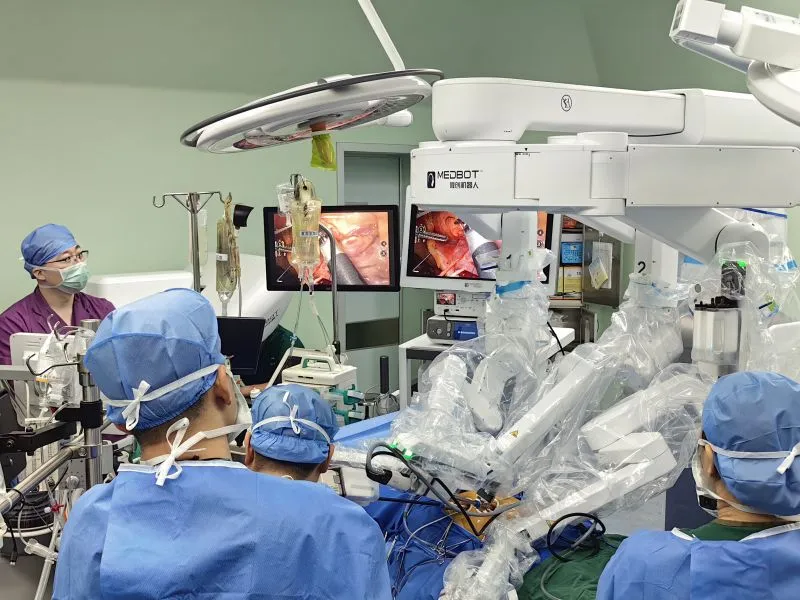
On December 21, 2025, CardioFlow announced it had completed its merger with the cardiac rhythm management business. CRM became its wholly owned subsidiary. The combined business brought together structural heart intervention, implanted rhythm-management devices, and monitoring capabilities.
The strategic logic follows a clinical pathway. Valve treatment addresses one set of cardiac problems; rhythm management supports another. The company intends to connect those capabilities within a broader heart-failure strategy.
The merger’s commercial value will depend on measurable improvements in product access, clinical support, or development efficiency. Local clinical and purchasing systems will determine what it will take to turn those advantages into revenue.
The transaction also creates a coordination task: product teams, regional commercial staff, and monitoring services need a common plan for the cardiac departments they serve.
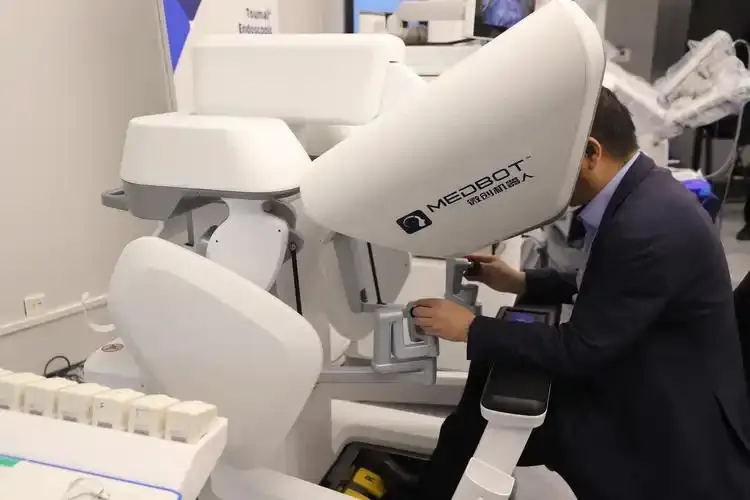
MicroPort MedBot reported more than 300 global commercial orders for Toumai on June 16, 2026. The announcement provides a dated adoption signal. Orders, installed systems, procedure volumes, and recognized revenue remain separate measures.
On June 26, 2026, MicroPort MedBot also reported that Toumai had reached 200 commercial installations worldwide, all supported by customer acceptance reports. Installations remain distinct from procedure volumes and recognized revenue.
A hospital provides evidence of actual use. In a March 2026 report, The London Clinic described a surgeon in London operating on a patient in Gibraltar using the system. The arrangement involved local surgeons at the patient site and a secure network infrastructure across approximately 2,400 kilometers.
The business relevance extends beyond the robot’s engineering. A hospital needs a functioning delivery model, including trained teams, reliable connectivity for remote applications, and clear clinical responsibilities. A successful procedure demonstrates feasibility under those conditions. It does not establish that every hospital can reproduce the arrangement or that remote surgery has become routine.
Commercial assessments should request site-level evidence: active use, available specialties, support arrangements, and repeat procedures after initial deployment. Those details help distinguish a growing installation network from durable clinical demand.

The electrophysiology business offers a smaller, concrete example of platform design. In November 2025, the company announced NMPA approval and launch of its PulseMagic TrueForce catheter. It combines pulsed field ablation with pressure sensing and is designed for use with the Columbus 3D mapping system.
The design supports a commercial logic of equipment placement followed by demand for single-use catheters. Revenue depends on clinical use and purchasing agreements. A credible forecast would specify compatible installed systems, trained clinicians, and expected catheter use per system. The equipment base gives a starting point for that forecast; actual procedure activity determines its value.
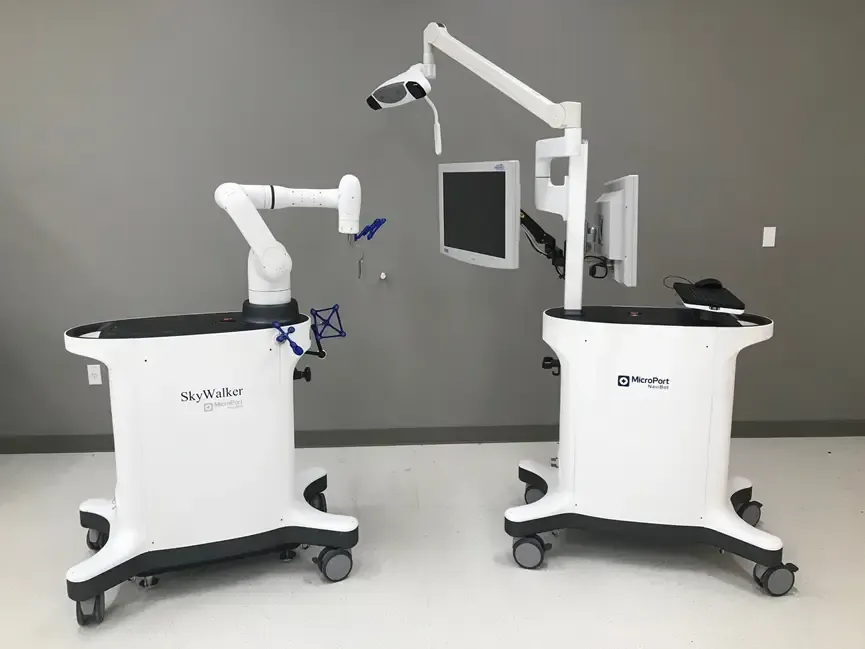
The ownership model is changing too. A July 29, 2026 exchange filing disclosed a conditional agreement for Tinavi to acquire 62% of Shanghai MicroPort Orthopedics, the international joint-replacement business. The sellers include Suzhou MicroPort and other shareholders, and Tinavi will pay consideration in newly issued shares.
The filing states that Suzhou would retain 38% of the target if the transaction completes. The disclosure also noted valuation, approvals, and further contractual terms as conditions.
The proposed combination links an implant portfolio and overseas commercial channels with Tinavi’s orthopedic robotics expertise. It also shows how a Chinese medtech group can retain economic exposure while transferring control.
The transaction’s structure deserves attention alongside its product rationale: an exchange for shares preserves participation in the combined business, with a different risk profile from cash proceeds or direct operational control.
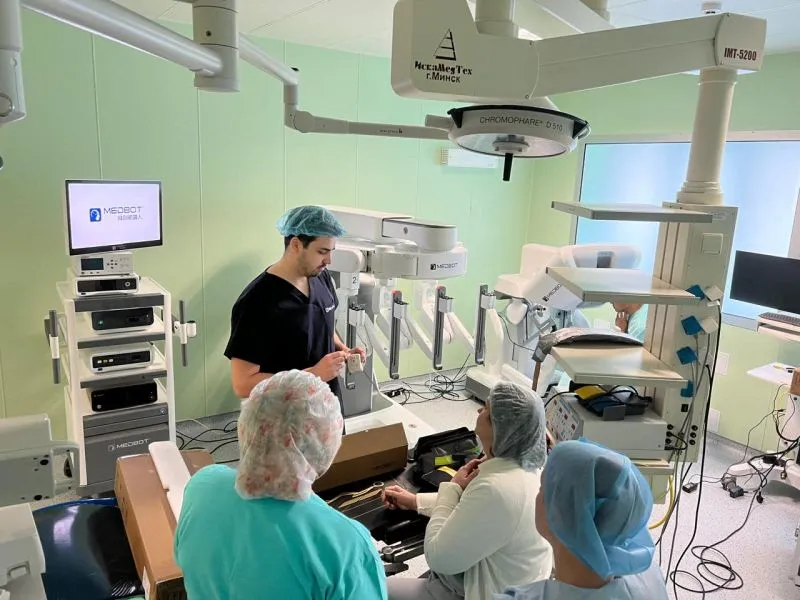
The 2025 audited annual report states total revenue of US$1.105 billion, including the discontinued Neuro Scientific operation. Continuing operations generated US994.9 million.
The group recorded total net profit of US$38.4 million in 2025, comprising a US$255.7 million loss from continuing operations and a US$294.1 million profit from discontinued operations. A US$276.9 million gain arose when it lost control of NeuroScientific and retained an associate investment. The auditor also highlighted material uncertainty related to going concern.
A platform assessment should separate recurring commercial earnings, portfolio transactions, and financing capacity. Those distinctions matter when ownership changes alter both revenue scope and reported profit.
The company’s August 12, 2026 guidance projected 12% to 14% first-half revenue growth from continuing operations, excluding currency movements, and a continuing net loss of no more than US$50 million. These figures were preliminary and had not been reviewed by auditors.
An August 31, 2026 announcement subsequently disclosed delayed interim results and a trading suspension effective September 1. The company cited further work on lease terms, deposits, renovation costs, and landlord relationships.
Assessing the platform’s strength requires separate evaluation of commercial progress and financial-reporting quality.
In an announcement published October 20, 2026, the company said it and its associated companies had reached 50 products accepted into China’s innovative-device special review program. The latest addition was NuWismen, a liquid embolic agent under development.
Acceptance provides a dedicated review pathway and additional regulatory communication. It does not constitute marketing approval.
This is a useful starting point for studying China’s medical innovation capacity. The next step is to track each product through clinical evidence, registration, reimbursement, and repeat hospital purchasing. Record the time and capital required at each stage.
That approach makes the opportunity concrete and reveals where outside partners could contribute distribution, clinical support, or specialized expertise.
The MicroPort case raises practical questions about product platforms and international expansion. ChoZan, founded by Ashley Dudarenok, offers China market research, expert calls, and customized innovation tours.
Explore our China reports, then discuss a focused research brief around the competitors, commercial channels, and business models relevant to your plans.
The MicroPort founding year is 1998, as confirmed in its March 2025 company announcement. This refers to the group’s origins; individual businesses within its wider network have separate incorporation dates and development histories.
Searches for micro port can refer to MicroPort, but the company uses the single-word brand. Check the official website and full legal name before treating a similarly named supplier, product, or distributor as connected.
A MicroPort Medical quote should identify the registered supplier, manufacturer, device model, and local registration number. Request written terms for delivery, training, warranty, and service so the commercial offer matches the product you intend to purchase.
Search the FDA’s device databases using the exact model, manufacturer, or submission number. Compare the indications and configuration with the offered product, then request the relevant clearance or approval documentation from the supplier.
Toumai is surgeon-controlled. The London Clinic’s March 2026 account describes a surgeon operating remotely while local surgeons worked at the patient site. That documented procedure involved coordinated clinical teams, with the robot transmitting the operator’s actions.
A useful comparison needs the exact configuration and market. Request a multiyear cost schedule covering instruments, maintenance, software, training, installation, and downtime support. Compare costs against realistic procedure volumes, with replacement assumptions stated clearly in writing.
Compatibility needs confirmation for each device combination. Ask for the approved implant list, software version, and surgical workflow documentation. A shared corporate brand does not establish that every implant works with every robotic system on the market.
Start with the local regulator and the manufacturer’s notices. For the United States, the FDA’s database directory links to recalls and adverse-event reports. Match the model and affected lots before assessing relevance to a proposed purchase.
A China tender price should not serve as an overseas quotation. Compare device configurations, taxes, distributor charges, instrument commitments, and service terms. Request country-specific offers before using domestic procurement figures in an international business case or budget.
The parent, MicroPort Scientific Corporation, trades under Hong Kong stock code 00853. MedBot uses 02252, and CardioFlow uses 02160. These identify different listed issuers, so confirm the entity before reviewing financial statements or ownership exposure.