CONTENT

China’s space launch capacity combines state aerospace groups, commercial rocket companies, inland launch centers, coastal facilities, and mobile sea platforms. China conducted 92 space launch missions in 2025, according to the China National Space Administration (CNSA). In 2026, China achieved its first successful orbital-class booster recoveries and continued deploying satellite internet payloads.
The commercial question is how reliably this system can place a customer’s payload into the required orbit. That depends on available rockets, compatible ground infrastructure, and mission preparation. China offers useful lessons in coordinating those elements, alongside clear limits on what recent milestones prove.
The evidence becomes more useful when we examine launch activity, infrastructure, and delivery capability separately.
CNSA’s 2025 figures distinguish three categories within its commercial launch total: 25 launches by commercial carrier rockets, nine missions from the Hainan commercial spaceport, and 16 other commercial satellite missions. The agency also reported 311 commercial satellites entering orbit, representing 84% of that year’s satellite total.
These categories describe vehicles, facilities, and payloads. They do not establish that private companies performed all 50 missions. The distinction matters when estimating the addressable market for private launch firms.
A useful assessment of China space launches therefore separates ownership from activity. A state-developed rocket can carry a commercial payload, and a commercially operated spaceport can serve a state-owned rocket developer.
National launch cadence also gives an incomplete picture of supplier availability. For a specific delivery date, a provider’s flight record, compatible infrastructure, and committed missions matter more than the country’s aggregate launch count.
China’s facilities serve different mission requirements. Their names also require care: the state Wenchang spaceport and the nearby Hainan commercial spaceport are separate facilities.
| Facility | Recent Evidence of Its Role |
| Jiuquan Satellite Launch Center | Shenzhou-23 departed in May 2026, demonstrating its continued role in crewed missions. |
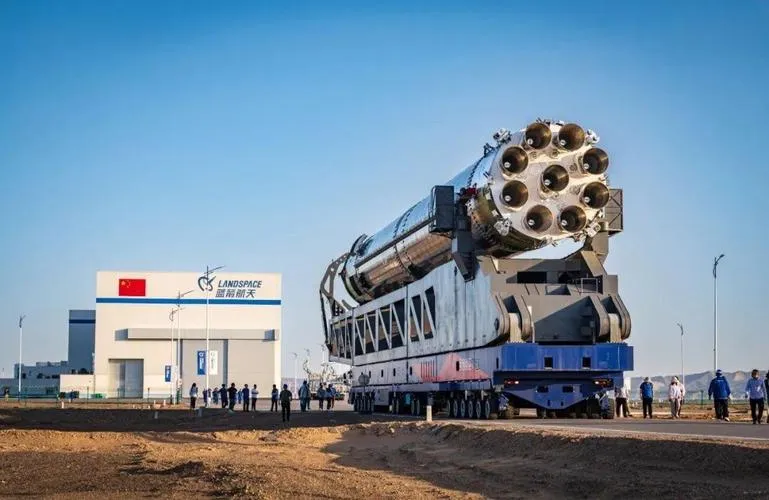
| Dongfeng Commercial Space Innovation Pilot Zone | LandSpace completed Zhuque-3’s orbital mission and booster landing in August 2026. |
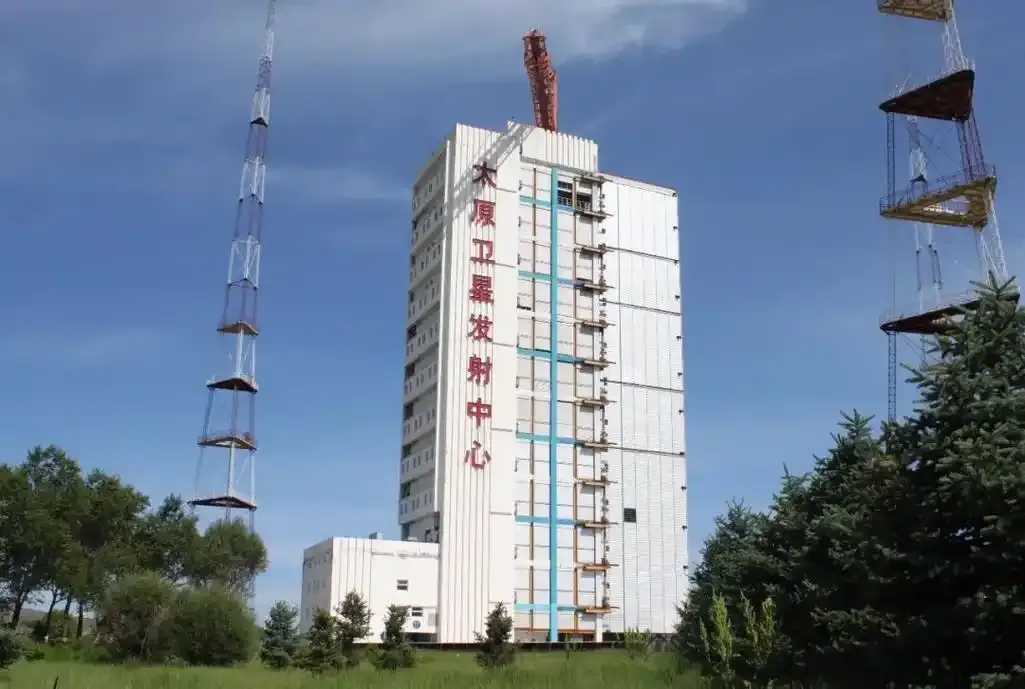
| Taiyuan Satellite Launch Center | A Long March 6A carried low-orbit internet satellites in December 2025. |
| Xichang Satellite Launch Center | Fengyun-4C launched a geostationary weather satellite in December 2025. |
| State Wenchang Spaceport | Hainan reported 12 launches during 2025. |
| Hainan commercial spaceport | CNSA recorded nine missions during 2025, separately from the state facility. |
Sea launches add another operating model. CNSA confirmed a Ceres-1 sea launch off Shandong in January 2026 under Taiyuan’s launch organization. A launch center’s name therefore does not always identify the rocket’s physical departure point.
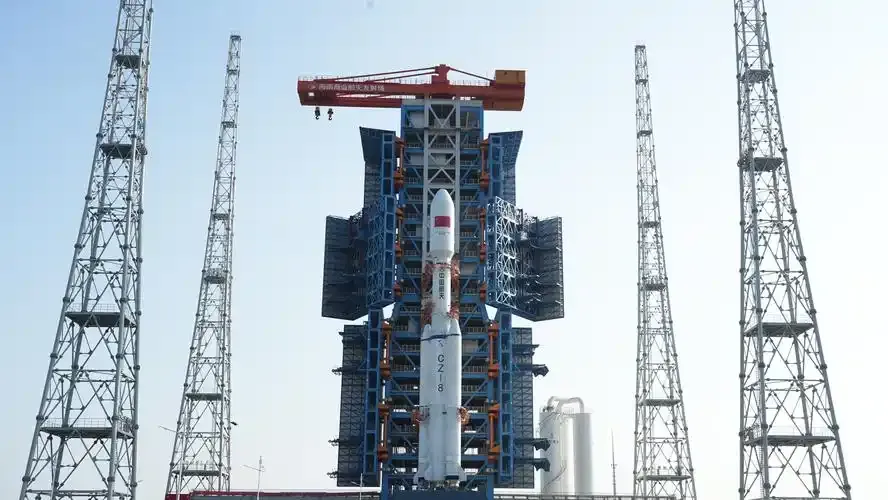
Hainan’s pads 1 and 2 already operate routinely. The China Aerospace Science and Technology Corporation (CASC) reported in September 2026 that phase two had completed its main construction and started integrated rehearsals on September 29. The two additional pads targeted launch readiness before year-end.
The update projected annual capacity above 60 launches after completion of the expansion and supporting systems. That is a capacity projection, rather than an achieved annual launch total. Facility assessments should distinguish construction, commissioning, and completed missions.
Rocket specifications need an orbit alongside the tonnage. The table uses low Earth orbit (LEO) and sun-synchronous orbit (SSO), with the developers’ stated altitudes where available. Those details determine which figures are meaningfully comparable.
| Rocket | Developer | Published Capability | Relevant Milestone |
| Long March 8A | CASC | Approximately 7 metric tons to a 700 km SSO | Successful maiden flight in February 2025 |
| Long March 12 | CASC | At least 6 metric tons to a 700 km SSO; at least 12 metric tons to LEO | Commercial satellite mission in August 2025 |
| Kinetica-2 | CAS Space | 8 metric tons to a 500 km SSO; 12 metric tons to a 200 km LEO | Successful maiden flight in March 2026 |
They describe published performance, rather than the measured payload mass on every flight. Kinetica-2’s 500 km SSO figure also cannot support a direct comparison with the two 700 km specifications.
A useful comparison includes altitude, inclination, rocket configuration, and the mass of deployment hardware. A larger headline figure does not automatically provide a better fit for a particular constellation.
CASC’s August 2025 Long March 12 account illustrates why deployment hardware matters. It described a new composite multisatellite adapter and reported 5% to 10% weight reductions in components, including the adapter and support section.
This company-reported result applies to selected components, not the entire rocket. It highlights an engineering opportunity beyond engine thrust: lighter supporting hardware can leave more of a mission’s mass allowance available for satellites.
On October 25, 2026, China launched satellite internet payloads in the mission designated Low Earth Orbit Group 28. A Long March 8A carried the group from Hainan.
Private developer LandSpace’s October 14 Zhuque-2E mission placed ten satellites into their intended orbit. CNSA identified it as the tenth flight in the Zhuque-2 family.
Together, these examples show state and private rocket activity serving satellite missions. They show delivery, but leave contract prices and customer margins unanswered.
CNSA confirmed Long March 10B’s first-stage recovery at sea on July 10, 2026. A recovery vessel captured the booster after the orbital launch.
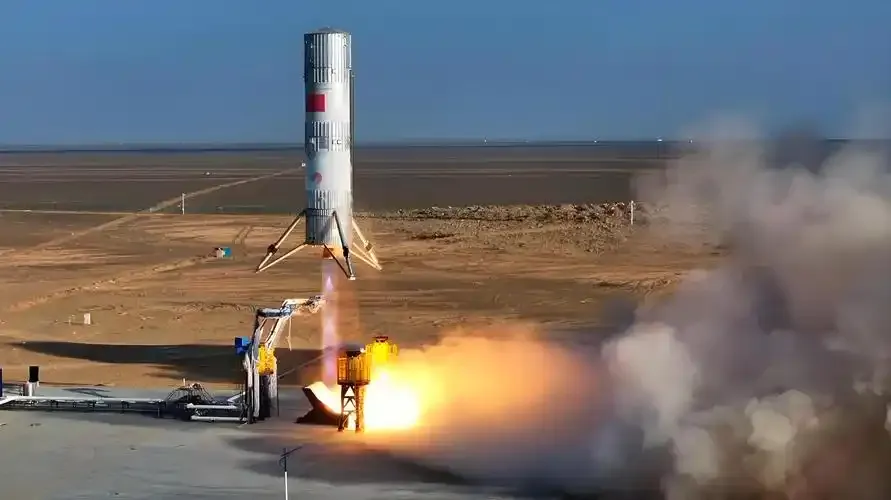
LandSpace successfully landed Zhuque-3’s first stage on August 19, 2026. However, subsequent reporting indicated that the booster toppled after a post-landing fire and sustained damage.
LandSpace’s mission account described the result as a foundation for subsequent inspection, maintenance, reuse flights, and commercialization.
The next commercial evidence to request is therefore specific: repeat flights of recovered hardware, refurbishment requirements, and dependable turnaround. A successful landing alone cannot establish a recurring cost advantage or an available customer slot.
China’s industrial coordination deserves attention alongside its rockets. Hainan’s August update reported groundbreaking on rocket supply-chain projects involving CASC Commercial Rocket, ExPace, and Space Pioneer. It also said the local satellite factory had entered trial production.
These developments suggest closer links between production and launch operations. They do not show a specific annual factory output or establish demand for each planned production line.
Another useful development concerns shared testing. On April 23, 2026, CNSA published its first facilities-sharing list: 20 items across eight categories, covering rocket and spacecraft testing. Rocket categories include aerodynamic, propulsion, engine, and recovery tests.
The strategic inference is that access to shared infrastructure could reduce duplicated investment. The list does not establish booking availability, access terms, or savings for an individual company. Teams studying other capital-intensive industries can investigate which expensive assets benefit from shared access and which capabilities need to remain company-specific.
A practical review should connect the evidence across the entire mission:
These checks turn a China space launch proposal into a clearer view of delivery risk, counterparty responsibility, and commercial exposure. They support a more useful comparison of launch services across state-backed suppliers and private companies, alongside the technical evidence.
ChoZan combines China research, expert dialogues, workshops, and tailored learning expeditions to help companies understand Chinese innovation.
If China space launch developments raise questions about industrial coordination or technology adoption, explore our China reports or book a consultation to define a focused research or learning brief.
Use launch trackers for an initial schedule, then check the relevant operator’s announcement for confirmation. Record the time zone and update date. Treat an estimated launch window as provisional until the mission organizer confirms it.
Hainan’s government describes public rocket-viewing activity in Wenchang. Confirm the designated viewing area, local access arrangements, and mission status before traveling. A public viewing opportunity does not imply permission to enter the operational launch facility.
China also launches foreign satellites. CNSA confirmed Pakistan’s PRSC-EO1 launch in January 2025. For any mission, identify the satellite owner, operator, manufacturer, and launch provider separately; the launch country’s name does not establish all four.
The number identifies a satellite group; it does not indicate how many spacecraft are aboard. CNSA’s October 2026 Group 28 announcement did not disclose a satellite count. Use explicit payload quantities when reporting deployment totals.
Request a mission-specific quotation that identifies the rocket, target orbit, integration work, deployment hardware, and schedule terms. Ask the provider to itemize optional services and explain which charges apply if the launch date changes.
A rideshare carries payloads from multiple customers on one mission. A dedicated launch serves one customer’s mission requirements. Compare the proposed orbit, deployment sequence, schedule flexibility, and integration responsibilities before choosing between the two arrangements.
Physical fit addresses only part of compatibility. Ask the provider to assess the satellite’s mass, mounting interface, vibration tolerance, electrical connections, and separation system. The rocket’s published fairing diameter does not confirm it can accept a payload.
Orbit insertion and service readiness are separate milestones. A February 2026 Chinese Academy of Sciences report described instrument testing and calibration after launch. Ask the operator for commissioning criteria and the expected date of usable data.
CAS Space uses Kinetica-2 in English and Lijian-2 in Chinese for the same vehicle. Match the manufacturer, model, and mission identifier when comparing sources. This helps prevent counting translated names as separate rocket programs.
CNSA and China’s market regulator issued Commercial Space Standards System 1.0 in April 2026. It covers six areas, including manufacturing, launch operations, applications, and facilities. For procurement, ask which specific standards apply to the proposed mission.