CONTENT

LandSpace became the first company worldwide to reach orbit with a methane-fueled rocket in July 2023. By 2025, this Beijing-based launch provider has moved from that historic Zhuque-2 achievement to testing Zhuque-3, a stainless-steel reusable vehicle designed to compete directly with SpaceX’s Falcon 9.
That establishes a concrete recovery milestone. The next commercial test is how reliably and economically the recovered hardware can fly again
The business significance reaches beyond the landing footage. China’s satellite ambitions need dependable transport capacity. The company’s progress offers a way to assess how propulsion, factory processes, and launch operations could support that demand.
The recent record contains distinct achievements that deserve separate treatment.
| Date | Mission | Verified outcome |
| May 17, 2025 | Zhuque-2E Y2 | Launched six satellites on the series’ fifth flight. |
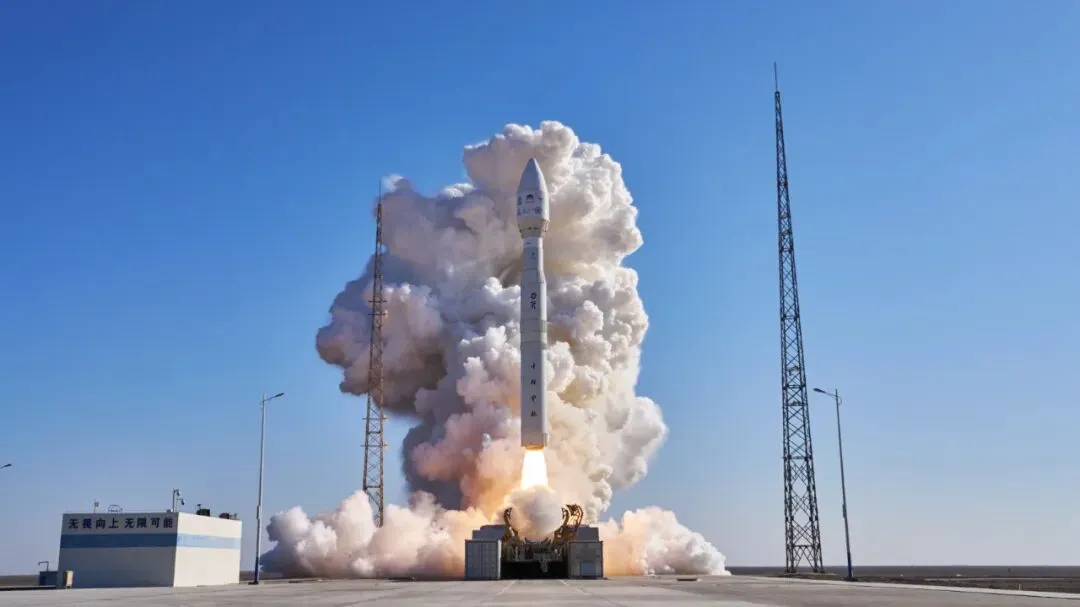
| December 3, 2025 | Zhuque-3 Y1 | Reached its intended orbit; the first stage failed to recover. |
| June 9, 2026 | Zhuque-2E Y6 | Delivered Qianfan DTC 01 and China Mobile 02 to their intended orbit. |
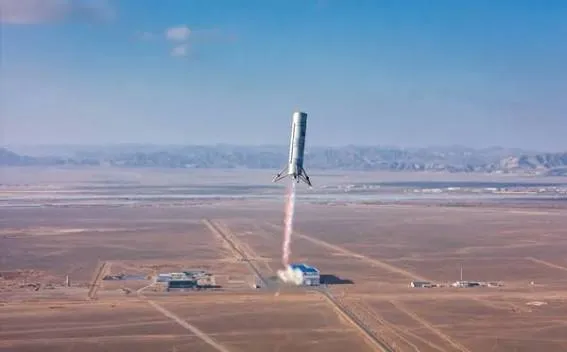
| August 19, 2026 | Zhuque-3 Y2 | Delivered Honghu-03 and completed a successful land-based booster recovery. |
A balanced assessment must also include setbacks. The European Space Policy Institute’s August 2025 review recorded a Zhuque-2E Y3 flight failure. Successful missions alone do not establish a complete reliability record.
The practical lesson is to track payload delivery and booster recovery independently. Each measures a different part of the service.
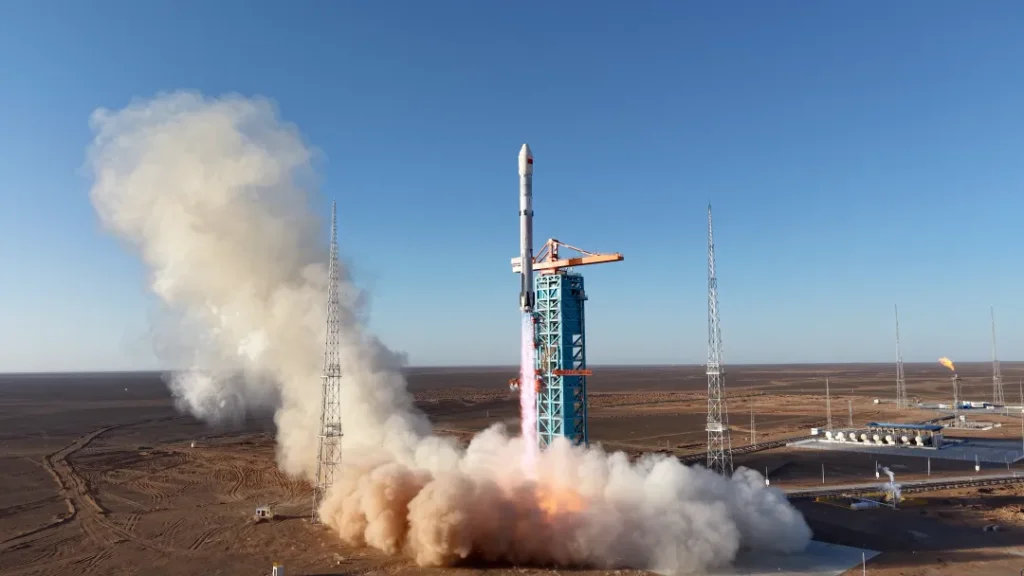
The August 2026 vehicle used nine TQ-12A engines in its first stage. Xinhua reported a thrust adjustment range of 40% to 110% of rated power. Its methane propulsion system combines liquid methane fuel with liquid oxygen.
The engineering challenge spans ascent and controlled descent. LandSpace said the second flight incorporated fewer engines in the landing ignition sequence, revised return control, and improved protection against reentry loads. These changes show how flight data can guide specific design decisions.
That gives technology teams a more useful assessment framework than fuel choice alone. Engine control, thermal protection, and guidance must work together before a vehicle can complete vertical landing.
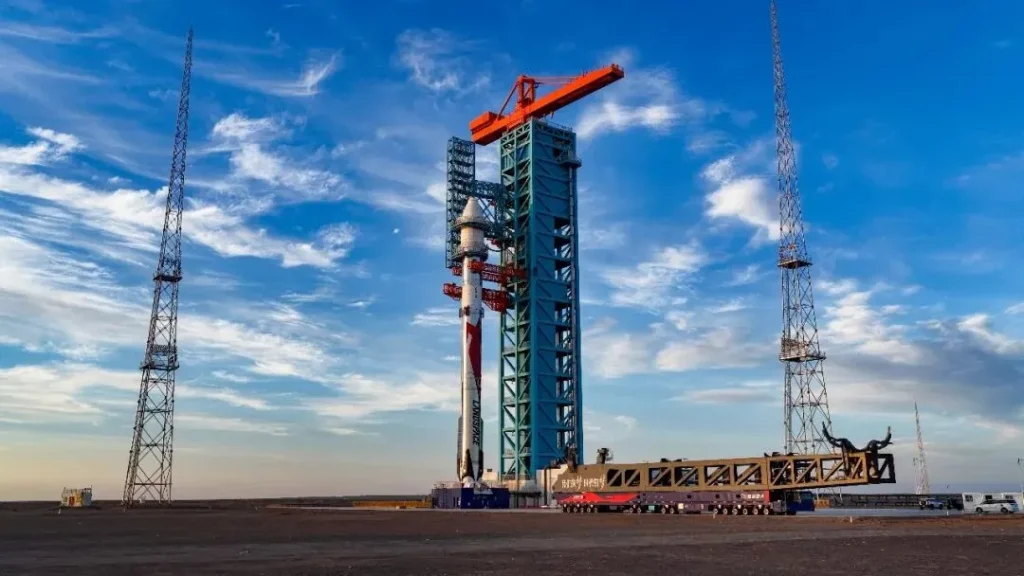
The stainless-steel rocket also provides a measurable factory claim. In December 2025, the company reported that its thin-wall stainless-steel tank manufacturing process reduced manufacturing costs by 80% and shortened production time by 40% compared with aluminum-alloy tanks. It attributed this to its materials and laser-welding process.
Those are company-reported tank figures. They do not establish equivalent reductions in complete rocket costs or customer launch prices.
The strategic value lies in the connection between rocket manufacturing and service capacity. A faster tank production process could support vehicle availability. Procurement teams should still ask how that improvement affects finished vehicles, quality acceptance, and delivery schedules.
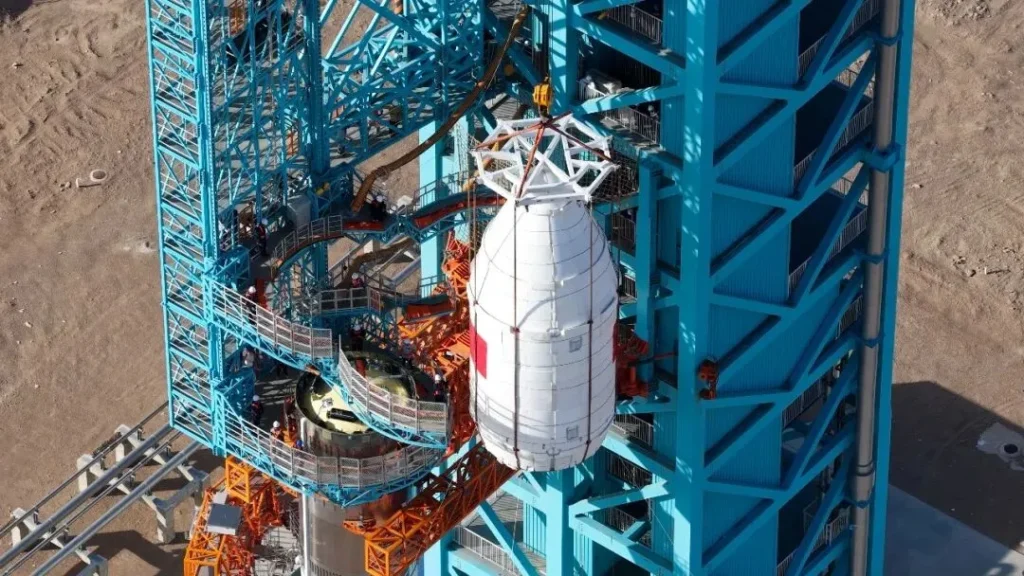
The smaller rocket remains relevant while the reusable program develops. In June 2026, LandSpace described its improved Zhuque-2 as offering six metric tons to low Earth orbit or four metric tons to a 500-kilometer sun-synchronous orbit. It also described combined launch-service options with the larger vehicle.
The two-stage vehicle uses liquid oxygen and methane, a combination that offers cleaner combustion, easier handling, and potential for reusability compared to kerosene-based systems.
This creates a portfolio question for satellite customers. The appropriate vehicle depends on orbit, satellite dimensions, integration requirements, and available mission slots.
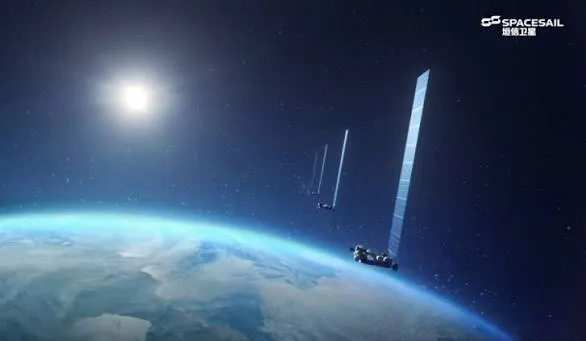
The June flight also gives the discussion a concrete customer connection: Qianfan DTC 01 and China Mobile 02 reached their intended orbit. That is evidence of a delivered mission. It does not disclose the value of a wider contract or guarantee future launch allocations.
For commercial planning, mission-specific evidence provides a firmer basis than assumptions about an entire constellation’s future demand.
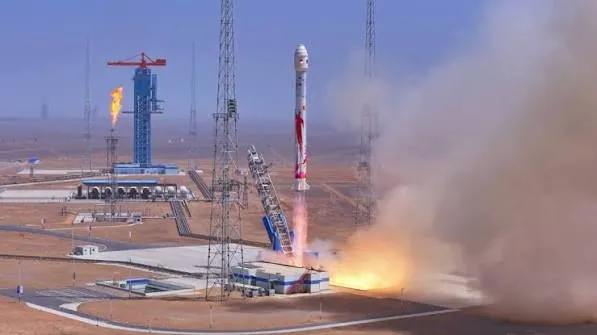
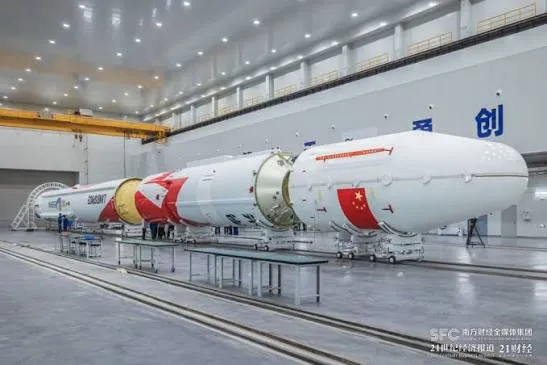
LandSpace Zhuque-3 represents a deliberate architectural choice. The rocket uses stainless steel for its primary structure rather than carbon fiber or aluminum-lithium alloys. Stainless steel costs less, tolerates reentry heating better, and simplifies manufacturing.
The vehicle features a 4.5-meter diameter and stands approximately 76 meters tall. Its first stage carries nine TQ-12A engines, while the second stage uses one vacuum-optimized TQ-15A engine. These methane engines produce thrust comparable to Falcon 9’s Merlin engines.
A useful technical comparison therefore names the configuration, destination orbit, and recovery mode beside every payload figure. Otherwise, a roadmap capability can quietly become an apparent flight achievement.
The August success supports the technical case for reusable launch vehicles. A durable business case requires operating data.
The following questions provide a practical commercial assessment:
These are analytical criteria, rather than disclosed company performance figures. Together, they connect launch economics to costs and availability across a booster’s working life.
Xinhua reported that the company planned to re-fly the recovered booster and test reliability across different payloads, orbits, and environmental conditions. Those remain further validation steps in that announcement.
The next meaningful evidence will come from repeated service delivery. A commercial launch customer ultimately needs an agreed payload placed in the required orbit on an acceptable schedule and budget.
Technology leaders evaluating satellite deployment strategies should track LandSpace progress. A reliable Chinese reusable rocket adds negotiating leverage with existing launch providers and creates redundancy in deployment plans.
Investors in space infrastructure should monitor Zhuque-3 test flights and commercial contracts. Success validates the methane-propulsion thesis and shows that non-American companies can execute reusable launch programs.
Supply chain managers in aerospace manufacturing should study LandSpace vertical integration. The company’s approach to engine production and structural fabrication offers lessons for reducing costs and lead times.
China LandSpace represents a test case for whether state-supported private enterprises can match the pace of American commercial space innovation. Early indicators suggest they can.
The company’s progress raises a broader question: how do Chinese technology businesses turn engineering milestones into scalable services?
ChoZan helps teams examine such questions through China research, trend analysis, expert calls, workshops, and China learning expeditions. Its reports and learning resources provide further context on China’s innovation economy.
Book a consultation to define the developments and business questions most relevant to your strategy.
LandSpace achieved the first orbital launch using methane propulsion in July 2023 with Zhuque-2. The company is developing Zhuque-3, a stainless-steel reusable rocket designed to compete in the commercial launch market.
Its current service page lists mission analysis and design, tracking and control, flight-test support, and customized aerospace systems. The available scope for a particular project needs direct confirmation, including interfaces, deliverables, and responsibility for mission integration.
The company’s June 2026 capability update describes multiple-satellite mission options. A small-satellite team should ask about its required orbit, mounting interface, separation arrangement, and integration deadline before assuming that a shared flight fits the mission.
ZQ-3 is the model abbreviation for Zhuque-3. Mission announcements add identifiers such as Y1 and Y2 to distinguish vehicles or flights. Retain those identifiers when researching outcomes so reports about different missions do not become mixed together.
Both rockets use nine first-stage engines and vertical landing for reuse. Zhuque-3 uses methane fuel while Falcon 9 uses kerosene. Payload capacity is similar, though LandSpace has not published final specifications.
Request quotes for the same payload mass, target orbit, integration scope, and launch window. Ask which services cost extra and how schedule changes affect payment. A headline price per kilogram cannot answer those procurement questions alone.
A useful initial request includes the applicable payload user guide, interface requirements, environmental limits, integration schedule, and mission assurance process. Ask the provider to identify the document version and the specific vehicle configuration it covers.
An announcement reveals only what it discloses. Satellite names and mission success do not reveal payment terms, margins, or future commitments. Commercial analysis should identify those missing fields rather than assign revenue to a mission.
LandSpace has expressed interest in international customers. Regulatory approvals and export considerations will determine which countries can access Zhuque-3 launch services.
Use disclosed technical changes to frame specific questions about qualification, production tolerances, testing, and procurement. A new design feature does not establish an open supplier contract. Confirm sourcing needs directly before assigning a sales opportunity.
LandSpace launches from Jiuquan Satellite Launch Center and has access to commercial facilities in Hainan. The company may use additional sites as Zhuque-3 enters operational service.
LandSpace is a private company backed by venture capital and strategic investors. China’s government supports commercial space through policy and infrastructure, but LandSpace operates independently.