CONTENT
China’s solar energy now matters because it is at the center of global clean-power economics. The story is no longer only about cheap panels. It is about manufacturing depth, domestic deployment, storage integration, grid reform, export exposure, and the new commercial rules shaping renewable power.
For executives, China’s solar energy offers a practical lens into China’s broader innovation model. Scale compresses cost. Competition accelerates technology cycles. Policy reforms push companies from volume growth toward system value.
As a result, global business leaders need to understand the full renewable power stack, from polysilicon to batteries and digital grid flexibility.
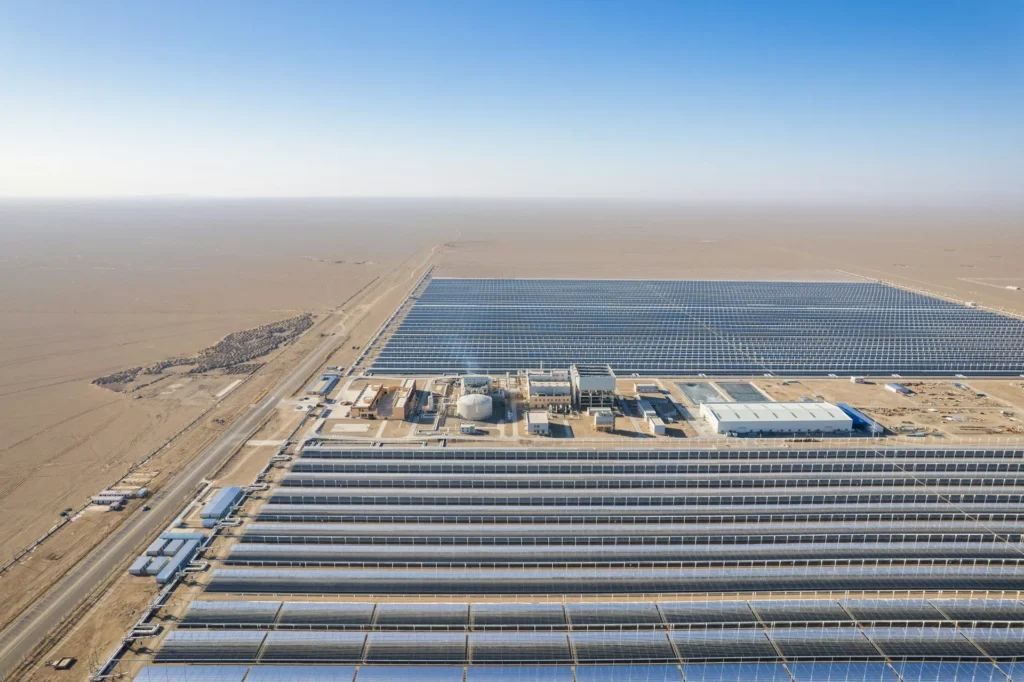
China’s solar energy has shifted from an industrial advantage to a power-system architecture. China ended 2025 with installed solar capacity of around 1.2 billion kW, according to NEA data reported by Chinese state media. IEA PVPS also placed China at roughly 60 percent of new global PV installations in 2025.
That scale changes the strategic meaning of solar energy in China. Solar now influences manufacturing prices, project finance, grid investment, industrial electricity sourcing, and global equipment availability. It also provides Chinese companies with unmatched field data from deserts, rooftops, industrial parks, coastal zones, and utility bases.
The broader renewable transition is equally significant. By the end of 2025, China’s combined wind and solar capacity reached 1.84 billion kW, accounting for 47.3 percent of the country’s total installed electricity generation capacity and surpassing thermal power for the first time. This signals that solar in China is increasingly part of mainstream power-system planning rather than a niche clean-energy initiative.
For global companies, the key lesson is clear. China’s solar power sector has become a proving ground for the next stage of renewable deployment. The winners will understand cost, storage, quality, data, and local power market rules together.
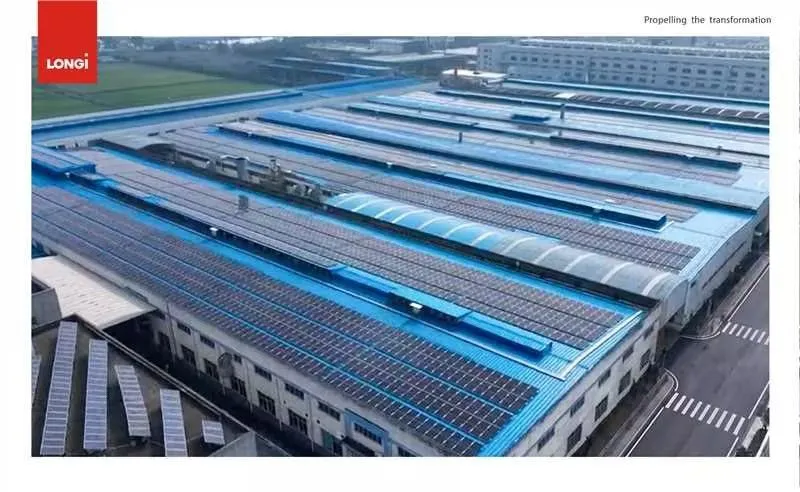
The Chinese solar industry still has the world’s deepest PV manufacturing chain. It covers polysilicon, wafers, cells, modules, inverters, trackers, storage systems, installation services, and engineering partners. This concentration allows rapid product iteration and fast commercial rollout.
Recent 2025 industry data shows a more complicated picture than simple expansion. CPIA data reported by PV Tech showed an upstream contraction in China’s polysilicon and wafer segments from January to October 2025, while solar cell and module output still expanded. That signals a sector moving from uncontrolled upstream growth toward more disciplined capacity use.
The pressure behind that shift is both financial and operational. According to PV Tech, China’s four largest listed solar manufacturers collectively reported nearly US$1.54 billion in losses during the first half of 2025, illustrating how oversupply and intense competition are forcing companies to prioritize profitability over volume expansion.
This matters because China’s solar production is no longer judged only by volume. The next competitive layer sits in manufacturing efficiency, energy consumption, product reliability, and module performance in specific environments. New polysilicon energy standards also point toward cleaner and more selective upstream production.
Many buyers searching for photovoltaic or solar panels in China now face a more complex procurement environment. Low prices remain attractive, yet quality control, traceability, certifications, bankability, warranty strength, and tariff exposure matter more than headline module cost.
A smarter China solar panel sourcing strategy reviews factory capability, cell technology, bill of materials, testing standards, shipment history, and after-sales support. For long asset lives, procurement teams should treat sourcing solar panels from China as infrastructure risk management rather than commodity purchasing.
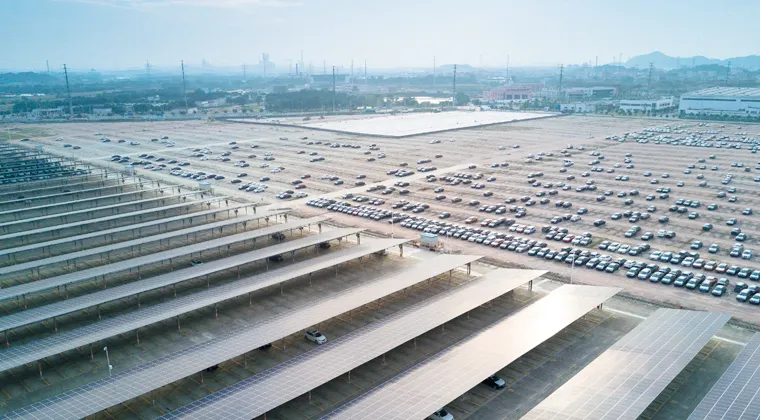
The domestic deployment story behind solar power in China is now about system integration. Large solar bases still matter, especially in resource-rich northern and western regions. Distributed rooftops, industrial parks, and commercial projects now add a second layer of local generation.
China’s deployment model has helped solar become a major power source. Yet greater solar penetration also increases the risk of curtailment in provinces with high output and weak local demand. Reuters reported that solar curtailment to average more than 5 percent in 21 provinces over the next decade.
This shifts the executive question. The value of China’s solar power depends on grid access, transmission, storage, corporate power purchase agreements, and virtual power plants. Project scale alone no longer defines success. Dispatch value and revenue certainty now matter.
In 2025, the NDRC and NEA moved renewable power pricing toward market-based mechanisms. The reform reduced reliance on fixed pricing and pushed new projects into more competitive regional power markets.
That reform changes the logic of investment in China’s solar power industry. Developers must now study provincial demand, auction rules, capture prices, curtailment, storage requirements, and local policy support. For investors, this creates a cleaner view of project quality. Weak projects will find fewer hiding places.
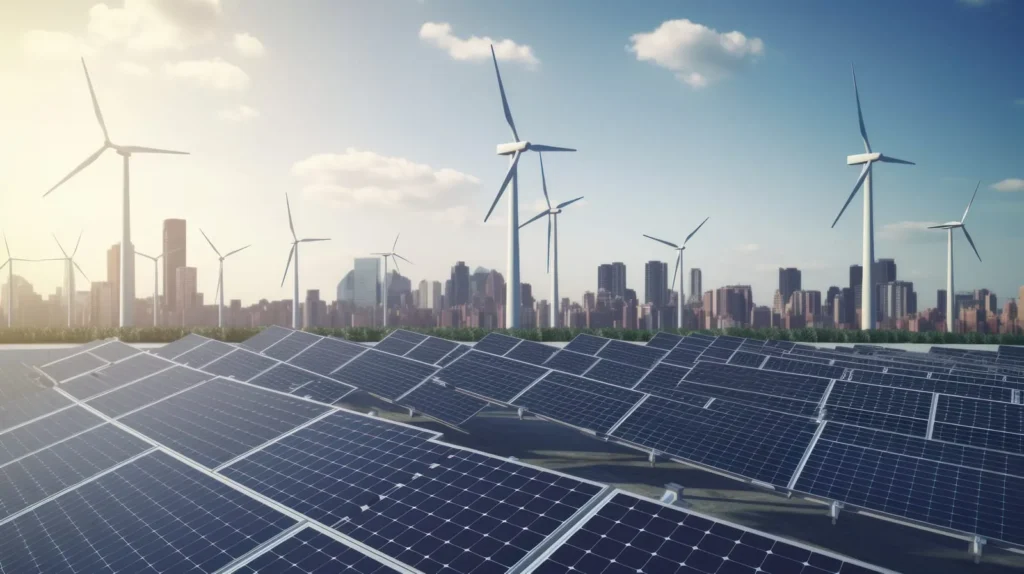
China’s solar technology is advancing through several routes at once. TOPCon remains important for high-efficiency n-type modules. Back-contact technologies are also gaining attention for their potential to improve conversion efficiency and unit-area yield. The market is now comparing real field performance, not only factory specification sheets.
LONGi launched HIBC technology and a mass-produced module above 700W at SNEC 2025. Trinasolar introduced its Vertex N G3 in 2026, featuring up to 760W of output and 24.5 percent efficiency for utility-scale applications. JA Solar also entered mass production of DeepBlue 5.0 in 2025.
These examples show why solar energy manufacturers in China remain central to global module roadmaps. Buyers now compare degradation, bifacial gain, operating temperature, mechanical strength, and performance under dust, humidity, heat, and low light.
The next stage of China’s solar growth is storage-ready. Reuters reported in June 2026 that major Chinese solar manufacturers, including JinkoSolar, JA Solar, LONGi, and Trina Solar, are accelerating energy storage expansion as PV margins tighten.
This is strategically important. Solar without storage faces weaker capture prices and curtailment pressure. Solar with storage can shift generation into higher-value hours, support industrial customers, and improve grid reliability. The commercial offering is shifting from module supply to integrated renewable infrastructure.
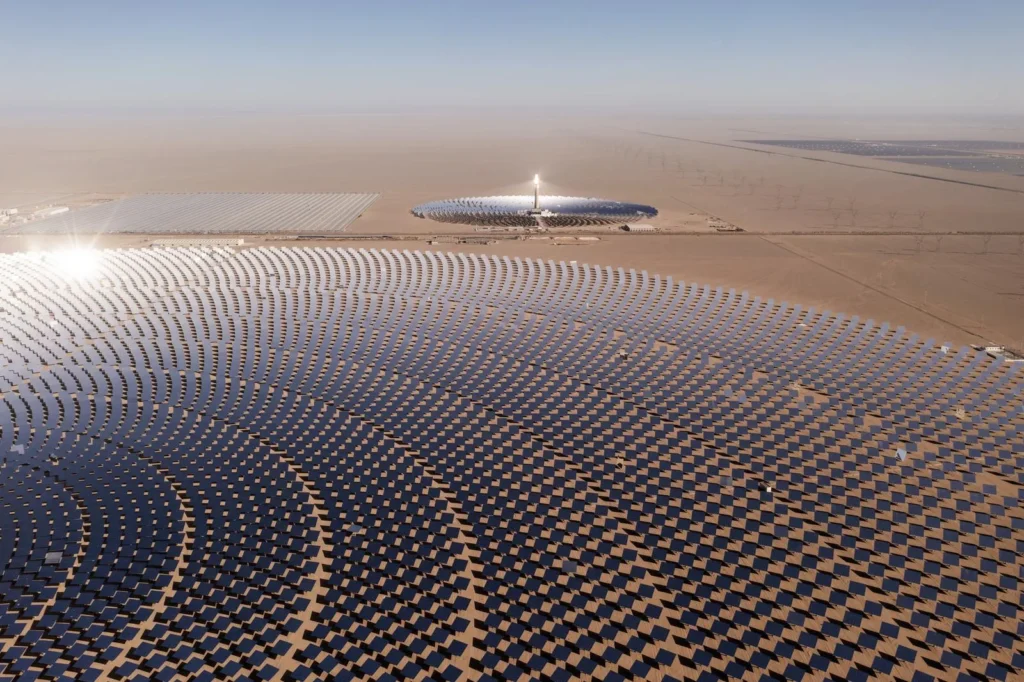
The Chinese solar industry gives global executives three practical lessons. The first is that scale matters only when paired with integration. The second is that policy reform can quickly change project economics. The third is that technology leadership increasingly depends on field performance.
Investors should assess China’s solar production through margin quality, capacity discipline, technology route, storage exposure, and export market resilience. The strongest companies will manage price pressure, quality expectations, and regulatory scrutiny simultaneously.
Technology teams should follow China’s solar technology because China’s domestic deployment creates fast feedback loops. Module design, inverter coordination, storage pairing, and grid software improve faster when companies can test across multiple operating environments.
For marketers, solar energy in China offers a strong example of how China turns industrial capability into global category influence. The story is not only environmental. It is about manufacturing trust, local energy security, cost leadership, and the credibility of integrated solutions.
For strategy teams studying solar energy in China, the next question is not which panel is cheapest. The stronger question is which supplier can support a full asset strategy across modules, storage, software, compliance, and service.
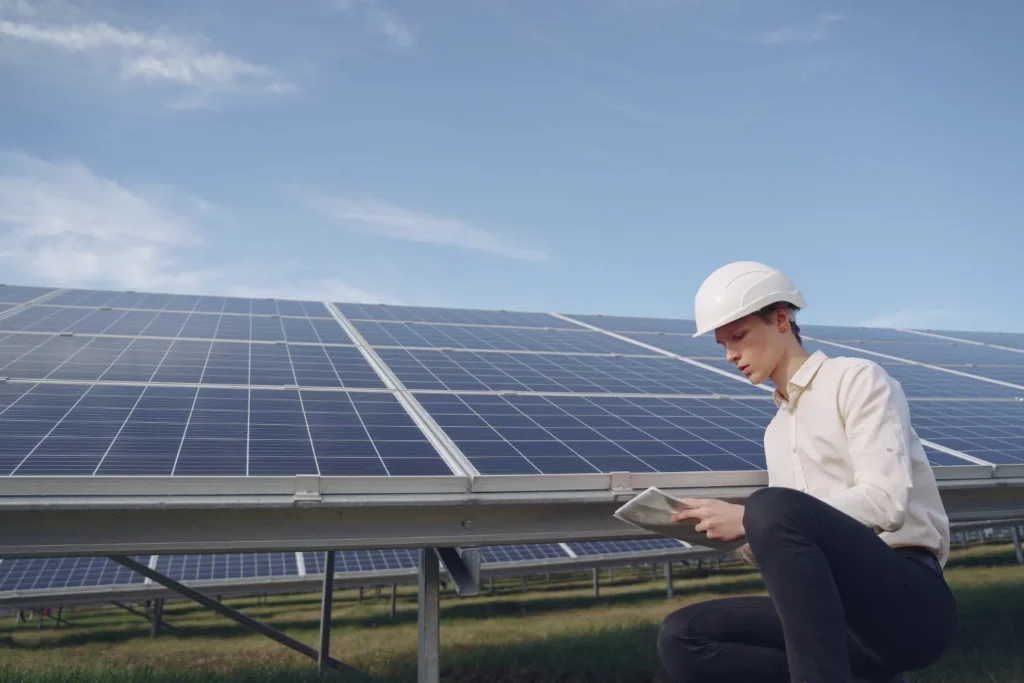
China’s solar energy is entering a more selective phase. Deployment will remain large, yet future growth will depend on grid integration, storage economics, pricing reform, upstream discipline, and high-quality manufacturing. The industry still operates on a global scale, but the competitive center is shifting.
This is why executives should treat China Solar as a renewable power stack. Panels remain essential. Yet the bigger advantage comes from the combination of manufacturing, storage, digital dispatch, industrial demand, and policy learning. That combination will shape global solar markets through 2026 and beyond.
Chozan helps global leaders understand China’s innovation ecosystem through research, executive briefings, workshops, advisory, and China learning expeditions. If your team wants to understand China’s solar energy, clean technology, industrial transformation, or the renewable power stack, ChoZan can turn market complexity into strategic clarity.
Book a consultation to explore how China’s solar, storage, and clean power systems can inform your next market, investment, or innovation decision.
China’s solar energy matters because China influences global module pricing, manufacturing standards, storage integration, and deployment models. Companies study it to understand supplier risk, technological direction, renewable procurement, and future competition in clean power.
Buyers should review bankability, certification history, factory audits, shipment track record, warranty terms, and after-sales support. Leading solar energy manufacturers in China offer traceable materials, consistent quality control, and clear post-shipment service support.
Chinese solar panels can suit desert projects when modules have strong heat tolerance, dust resistance, mechanical durability, and proven field data. Buyers should match module design to sand, temperature swings, cleaning cycles, and local installation conditions.
A Chinese solar panel should meet recognized IEC standards and the required local certifications for the destination market. Buyers should also check factory inspection reports, serial number traceability, fire ratings, and independent lab testing.
Tariffs can change final landed cost, supplier choice, and project economics. Companies sourcing solar panels from China should review current customs rules, country-of-origin requirements, local-content policies, and documentation before signing purchase contracts.
Chinese solar firms are expanding into storage because solar projects need better dispatch value and stronger grid integration. Storage also gives manufacturers a higher-value offering when panel margins tighten, and customers prefer integrated energy systems.
Distributed rooftop solar is important because it brings generation closer to industrial parks, factories, commercial buildings, and households. It can reduce transmission pressure and support local green electricity use when grid rules and economics work well.
Green electricity demand supports China’s solar growth by giving factories, data centers, and exporters a stronger reason to buy renewable power. Procurement now links energy cost, carbon goals, supply chain reputation, and compliance pressure.
Investors should watch installation pace, curtailment, module prices, polysilicon discipline, storage growth, export rules, and provincial power auctions. These signals show which companies can protect margins and which projects face revenue pressure.
Solar supports data centers when paired with green power purchasing, storage, and regional grid planning. In China, data center energy rules are becoming stricter, so renewable sourcing can become part of infrastructure approval and operating strategy.