CONTENT
In the global race to define the next generation of industrial powerhouses, most attention focuses on national policies or corporate giants in Shenzhen and Beijing. Yet a quieter, more structured transformation is underway in central China. Hefei has evolved from a mid-sized provincial capital into a national model for systematic innovation.
The city operates less like a traditional administrative center and more like a strategic holding company. It blends academic firepower from the University of Science and Technology Hefei with patient state capital and aggressive industrial execution.
For global executives tracking supply chains, next-generation energy storage, and quantum computing, Hefei is not a secondary location. It is a test case for a new economic playbook where cities build clusters rather than just factories.
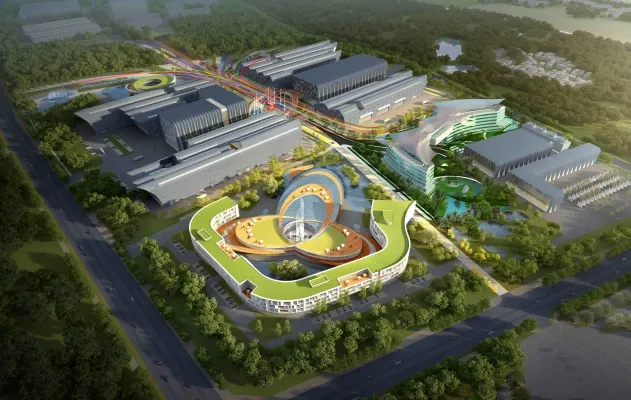
The driving force behind this transformation is the Hefei Comprehensive National Science Center. This initiative consolidates the city’s unique assets into a formal national strategy. While other science centers focus on specific verticals, Hefei has secured a mandate covering quantum information, magnetic confinement fusion, advanced light sources, and future networks.
In 2025, the city addressed financial bottlenecks for major projects such as the Compact Fusion Energy Experiment (BEST)园区, securing credit lines exceeding US$14.8 billion. The financial model shifted from transactional grants to systemic support.
The launch of three funds, each about US$1.5 billion, in early 2026 demonstrated this change. These funds operate on investment cycles of up to 20 years and tolerate failure rates as high as 80%. This creates a genuine “patient capital” environment tailored for deep tech.
For investors, the Hefei Comprehensive National Science Center provides a stable counterparty with long-term horizons and clear strategic priorities.
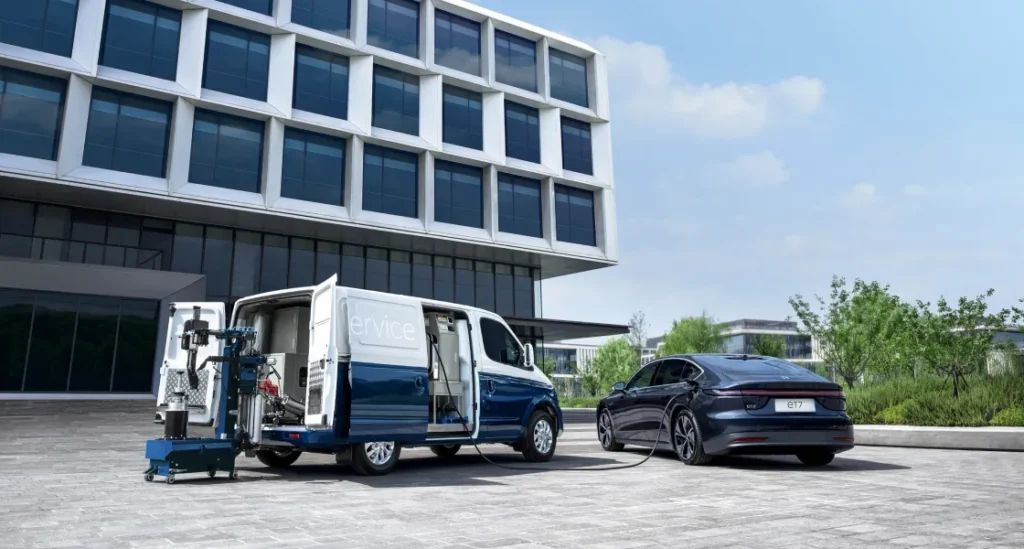
Hefei’s most visible success is its EV cluster. In 2020, the city invested in premium car maker NIO at a critical moment. By December 2025, NIO had delivered 997 592 vehicles, and in January 2026 it produced its one‑millionth car at its F2 plant. The company runs joint labs with the University of Science and Technology of China (USTC) and Hefei University of Technology (HFUT) on solid‑state batteries and autonomous driving.
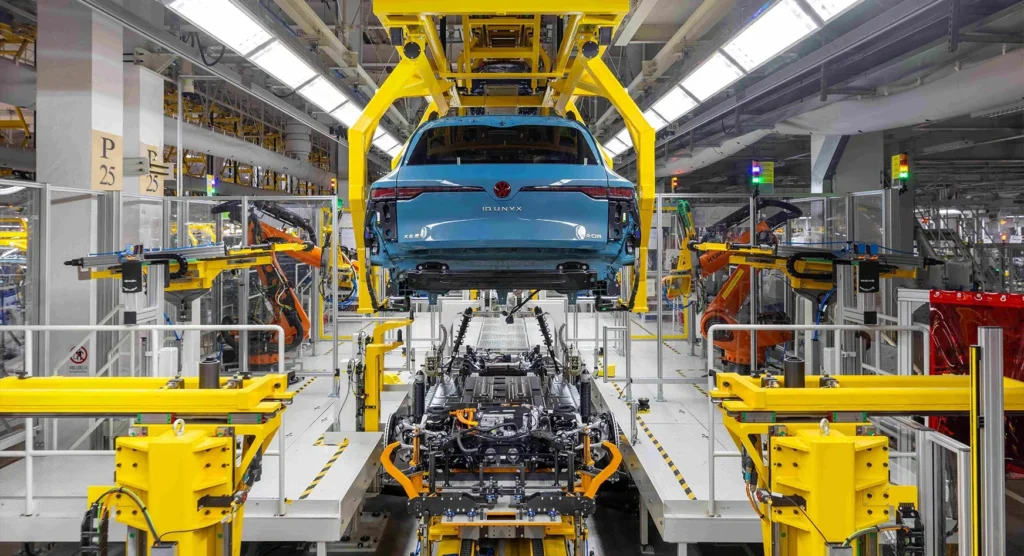
Foreign manufacturers are also part of the picture. The joint venture Volkswagen Anhui, formed by Volkswagen and JAC Motors, launched the ID.UNYX 07 and ID.UNYX 06 models in 2026, featuring Navigate on Autopilot and multiple screens. Volkswagen grants the Hefei‑based subsidiary freedom to determine product positioning and supply partners, allowing quick responses to China’s fast‑changing market.
These corporate moves sit within a broader provincial surge. Anhui’s output of new energy vehicles rose to 1.684 million in 2024, propelling the province to the top rank for NEV output and exports.
The government built one million charging stations along highways and in townships, providing drivers nationwide coverage. Such infrastructure, combined with supply‑chain clusters and joint ventures, positions Hefei as one of China’s leading EV cities.
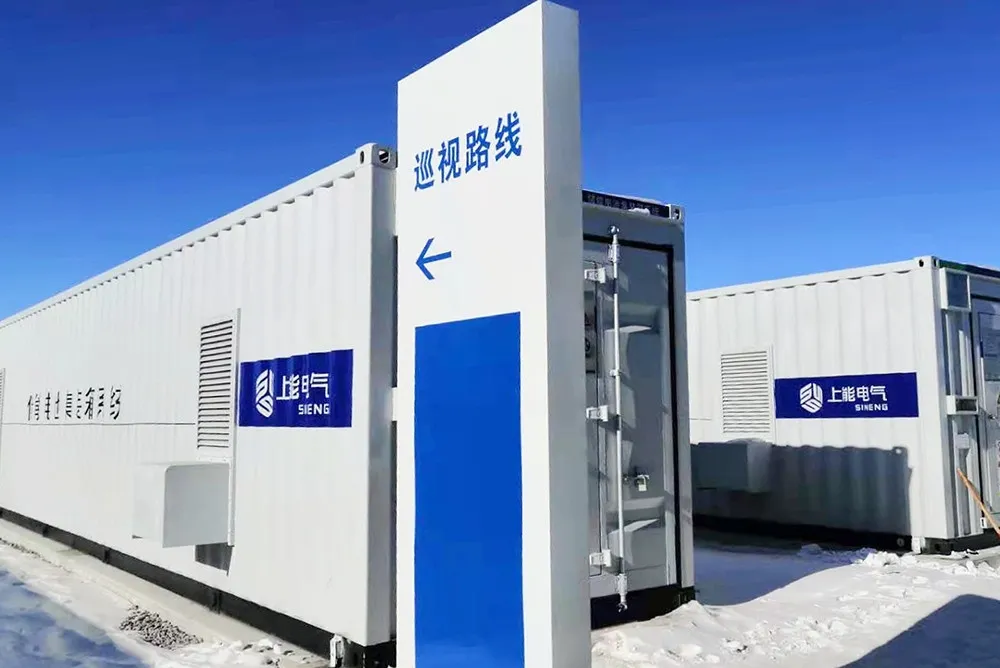
Local battery producer Gotion High‑Tech underscores Hefei’s strength in energy storage. In 2025, the company shipped over 30 GWh of energy‑storage batteries, capturing about 5 % of the global market. Revenue reached about US$6.7 billion, with net profit of about US$352 million.
Gotion installed 53.5 GWh of power batteries worldwide in 2025, giving it a 4.5 % global market share and ranking fifth. In early 2026, Hefei Gotion established two new photovoltaic power generation companies through indirect wholly owned subsidiaries. These firms focus on solar technology services and wind farm systems.
The company pairs global reach with local roots; a network of R&D centers on several continents feeds back into the Hefei Engineering R&D Institute, described as a platform integrating industry, universities, research, and application. Collaboration with USTC and HFUT provides a steady supply of talent in electrochemistry and materials science.
Hefei has emerged as China’s quantum computing hub. The National Laboratory for Quantum Information Sciences—valued at around US$10 billion—is the world’s largest single quantum research investment.
The city hosts more than 70 quantum companies and accounts for 12.1 % of China’s quantum patents. Funding flows through municipal programs such as the Hefei Angel Fund, the Seed Fund, and Anhui’s US$207 million Quantum Science and Technology Industry Development Fund.
Origin Quantum was valued at about US$1.0 billion in 2025. China’s Hefei’s cluster includes QuantumCTek, China Telecom Quantum Group, and Origin Quantum, which spun out of USTC.
Origin Quantum was valued at about RMB 6.88 billion in 2025 and, in February 2026, released Origin Pilot, the first publicly downloadable quantum computing operating system. The company employs more than 200 people, with three‑quarters in R&D, and holds 234 patents, ranking first in China. These milestones show how Hefei is commercializing quantum research.
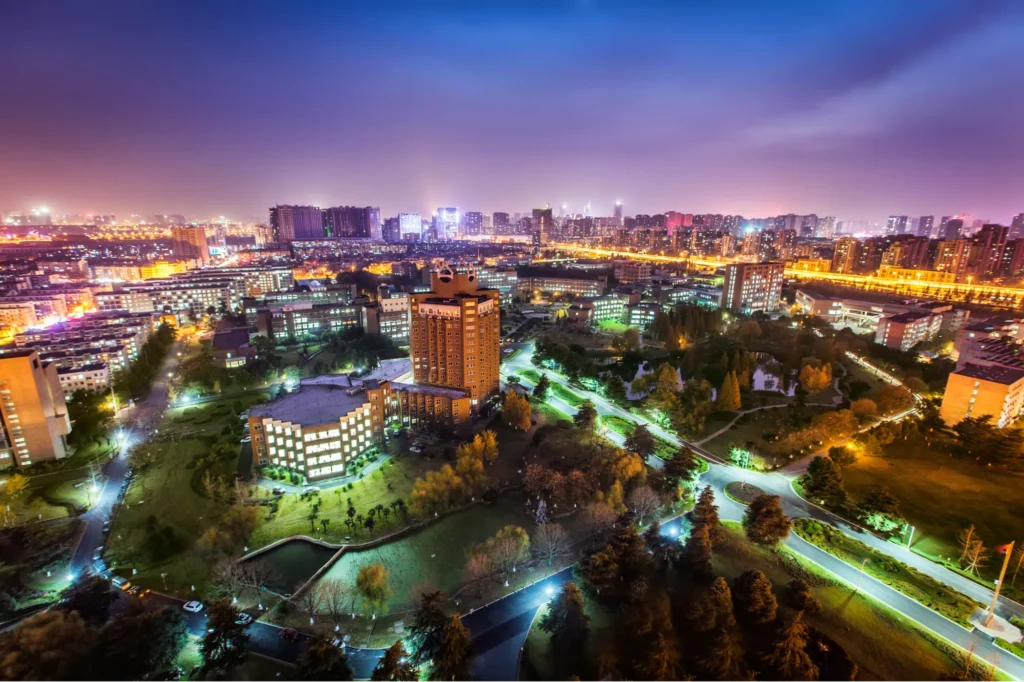
Academic excellence powers Hefei’s ecosystem. The University of Science and Technology of China ranks among China’s top universities—6th in the 2026 Times Higher Education list and 7th in U.S. News 2025.
Researchers from USTC and the Hefei National Laboratory achieved a breakthrough in the AI-enabled assembly of defect-free neutral-atom arrays. They assembled arrays of up to 2024 atoms with a constant time cost of just 60 milliseconds. This work in quantum simulation bridges pure science and potential industrial fabrication.
The Hefei University of Technology ranks 991st worldwide and focuses on automotive and power‑electronics research. A 2025 study published in Physical Review A featured collaboration between the School of Computer Science at USTC and Hefei University of Technology. They developed a connectivity-first swapping scheme that reduced quantum circuit execution time by over 50% in specific cluster environments
Both universities run joint labs with NIO and Gotion on batteries, autonomous driving, and manufacturing, and supply a steady pool of engineers.
Much of Hefei’s success stems from a distinctive city‑led investment model. Municipal committees assess projects’ scientific merit and commercial prospects and co-fund research labs with universities.
The model favors patient capital: in the “506 project” to build a memory‑chip plant, Hefei supplied initial funding and let an enterprise run operations; the BOE investment generated paper gains exceeding US$2.1 billion.
The Hefei model builds entire ecosystems rather than chasing unicorns. The city not only invested in NIO but also created supply‑chain clusters, industrial parks, and partnerships with Chery, JAC, and semiconductor firms.
In 2025, Anhui led China in vehicle production, NEV output, and auto exports. Installing a million charging piles gave the ecosystem end‑to‑end infrastructure. Observers note that replicating this model requires professional decision‑making bodies, strategic patience, and an existing research base.
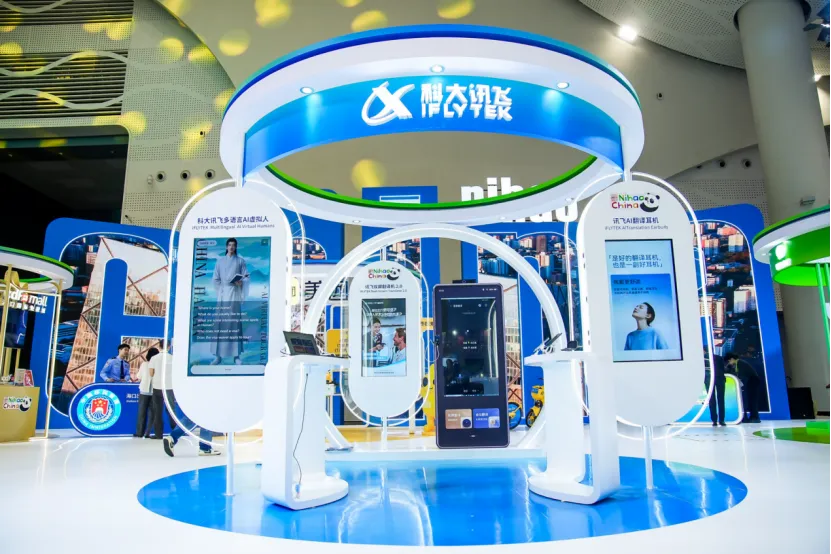
Hefei’s high‑tech vision extends beyond EVs and quantum. AI champion iFLYTEK has built a headquarters campus covering 200 mu (about 133 333 m²) with 400 000 m² of built space.
The site integrates laboratories, offices, and public amenities within a green park and uses 4 000 m² of building‑integrated photovoltaic panels. This campus signals Hefei’s commitment to sustainable and liveable innovation zones.
Hefei shows that city‑level policy can catalyze deep‑tech industries. Automakers find a mature supply chain and skilled labor; battery firms and quantum startups access world‑class labs and funding. The Hefei model demonstrates that municipal governments can act as venture investors when they rely on expert evaluation and long‑term thinking.
For Western firms localizing production in China, Hefei City, Anhui, offers a blueprint: the city provides parks, training, and financing, but expects partners to contribute technology and market access. Policymakers seeking to nurture emerging sectors can study how Hefei aligned academic incentives with commercial outcomes.
Understanding this model helps investors and marketers engage more effectively with China’s fast‑evolving innovation hubs.
Marketing teams should highlight local partnerships and sustainability messages to resonate with Chinese consumers. Investors should scrutinize municipal partners’ track records and risk‑sharing mechanisms when choosing sites.
Hefei shows how fast China’s innovation landscape is moving, and why global leaders need more than surface-level market updates. Chozan helps executive teams understand China’s technology ecosystems through research, expert briefings, learning expeditions, and strategic advisory.
From EVs and batteries to AI, robotics, quantum, and smart cities, ChoZan connects global decision makers with the people, companies, and signals shaping China’s next growth cycle.
Book a consultation with ChoZan to turn China insight into a clearer strategy.
Hefei is in central Anhui province in eastern China. Hefei City, Anhui, China, serves as the province’s political, economic, and cultural center, with strong links to the Yangtze River Delta economy.
Hefei City is also known for Anhui culture, Chao Lake, Bao Zheng heritage, museums, parks, and a calmer urban rhythm than China’s coastal megacities. This makes it useful for both business visits and cultural context.
Yes, Hefei is generally regarded as a strong Tier-2 city in China. Its appeal comes from operating at lower pressure than Tier 1 cities, while still offering universities, suppliers, industrial parks, and policy support.
Buyers should verify the exact legal entity, battery chemistry, certifications, warranty terms, delivery capacity, and after-sales support. This matters when assessing Hefei Gotion High-Tech Power Energy Co., Ltd. subsidiaries or related operating companies.
Yes, Hefei can be a strong base for China’s technology partnerships when companies need academic links, manufacturing depth, and coordination with the local government. It suits firms that value ecosystem access over pure consumer-market visibility.
Hefei is more science-center- and industrial-policy-driven, while Shenzhen is more market-led and hardware-entrepreneurial. Global leaders should study both because they represent two different paths within China’s technology ecosystem.
Future growth of Hefei technology will likely depend on the speed of commercialization, talent retention, grid capacity, export demand, and global policy risk. The city’s next challenge is turning research density into repeatable industrial outcomes.
Hefei offered a combination of strategic state investment, supportive local policy, and access to a skilled engineering workforce from local technical universities.
Foreign investment is generally funneled through joint ventures or supply chain contracts rather than direct ownership of strategic assets. The city welcomes technology partners for its open test platforms.
It is a state level initiative consolidating Hefei’s major research facilities including the quantum lab, the EAST fusion reactor, and the advanced light source into a coordinated innovation ecosystem.
The station uses quantum encryption for secure communication between vehicles and the grid. It also uses quantum precision measurement tools to ensure accurate billing for bidirectional power flows.