CONTENT

China’s electric vehicle story has entered a new phase. After years of rapid production growth, the strategic question is shifting toward what happens to batteries after they leave the road. In 2025, China produced 16.626 million new energy vehicles and sold 16.49 million, with NEVs accounting for 47.9 percent of new car sales.
By 2030, China expects used power batteries from NEVs to exceed 1 million tonnes. That makes battery recycling a supply chain, compliance, and brand trust issue all at once.
For global executives, lithium battery recycling in China matters because it sits at the intersection of EV adoption, lithium security, industrial policy, ESG scrutiny and circular manufacturing. It also shows how China converts scale into system design. The country is building a regulated loop around production, ownership, repair, collection, dismantling, and materials recovery.
China’s EV scale has created a second market: end-of-life batteries as a source of lithium, nickel, cobalt, manganese and graphite. This matters because battery materials remain exposed to price swings, mining concentration and geopolitical friction. Recycling offers China a way to retain material value inside its industrial system and reduce reliance on primary resource imports.
The business relevance is clear. Automakers need compliant aftersales systems. Battery makers need stable secondary material channels. Investors need to understand which battery recycling companies can operate inside the formal system. Consumer brands need credible circularity claims that do not collapse under regulatory checks.
Many buyers, fleet operators, and international procurement teams still treat recycling as a disposal question. In China, the policy direction treats it as a lifecycle management approach. The value is not in collecting waste alone. The value sits in traceability, standardized recovery channels, safe dismantling, and material reintegration.
China’s regulatory reset came through interim measures issued by six departments, including the Ministry of Industry and Information Technology, the National Development and Reform Commission and the Ministry of Ecology and Environment. The measures were published on December 31, 2025, and take effect on April 1, 2026.
A core change is the digital identity assigned to each NEV power battery. China’s official explanation states that each pack will receive a unique dynamic digital ID across the full life cycle. This connects production, sales, use, repair, ownership transfer, retirement, and comprehensive use through a national traceability platform.
For EV battery recycling, this matters because data becomes part of the asset. A battery without a traceable history is harder to price, insure, repurpose, or recycle through formal channels. For global automakers and battery suppliers, traceability is moving from back-office compliance to a commercial capability.
The 2026 measures strengthen extended producer responsibility. Battery producers and NEV manufacturers must build or authorize recovery service outlets and publicize recovery information. Service providers in repair, leasing, and trading also carry responsibilities for transferring used batteries into compliant channels.
This structure changes the economics of electric vehicle battery recycling. Automakers can no longer treat retired batteries as a peripheral issue. The battery becomes part of lifetime customer management, residual value planning, and dealer network operations.
China’s regulators are also targeting leakage into unsafe or noncompliant uses. The policy interpretation states that used NEV power batteries cannot be used directly or processed into electric bicycles. It also removes the older “echelon utilization” label and places reuse activities under broader comprehensive utilization rules.
That shift is important for electric car battery recycling because second-life use has commercial appeal, but safety and accountability now sit at the center of the model. A used battery cannot move into a lower-cost application without technical checks, ownership records and regulatory clarity.
The battery recycling market in China is defined by a single dynamic: the sheer volume of batteries approaching end of life. Power batteries typically serve 5 to 8 years before retirement. With China’s NEV fleet exceeding 38 million cumulative vehicles and power battery installations surpassing 1,650 GWh, the retirement wave is now arriving.
Industry estimates for 2026 project退役 battery volumes at the百万吨 level. By 2030, annual spent battery generation is expected to exceed 1 million tons, while cumulative retired batteries in the Chinese market could surpass 1,140 GWh.
These retired batteries represent an “urban mine” of lithium, cobalt, nickel, and other critical materials. Recycled materials can cost 30% to 50% less than virgin-mined equivalents, creating a compelling economic case alongside the environmental one.
The strongest economics in lithium-ion battery recycling depend on chemistry, metal content, technology, and recovery efficiency. Nickel-rich batteries tend to carry higher recoverable metal value. LFP batteries can be harder to monetize because they do not contain cobalt or nickel, yet China’s dominance in LFP deployment means the country must solve this chemistry at industrial scale.
This is where China’s circular strategy becomes commercially relevant. The country’s battery industry is not only chasing high-value metals. It is building recovery capability around the chemistries used at mass scale in EVs and stationary storage. For LFP, lithium recovery and process efficiency become decisive.
Policy is also evolving around recycled intermediate materials. In 2025, Chinese authorities allowed compliant imports of recycled black mass under regulated conditions. By the end of 2025, official reports indicated that China had imported 262 batches of regenerated black mass, totaling about 28,000 tonnes, with a declared value of 1.26 billion yuan.
For global battery material firms, this has broader implications: China is positioning recycling as part of its critical mineral processing capacity. Lithium battery recycling companies that can handle black mass, comply with environmental regulations, and document metal flows will become more relevant to cross-border supply chains.
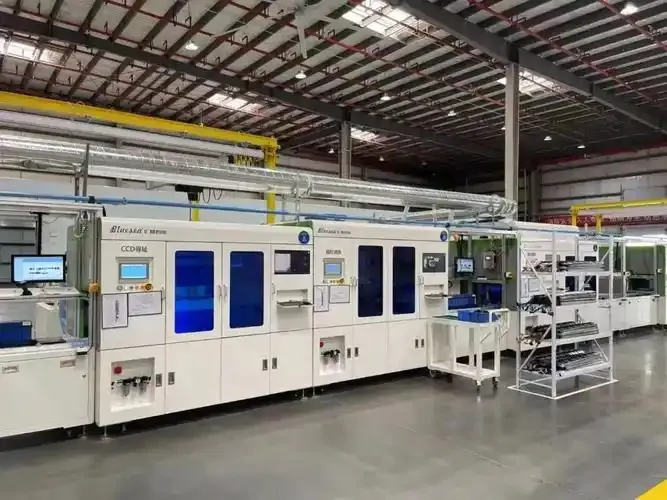
China’s battery recycling companies are moving from collection into integrated circular manufacturing. The strongest players are not competing on waste handling alone. They are connecting dismantling, hydrometallurgy, precursor materials, cathode materials, and battery manufacturing partnerships.
CATL’s recycling arm, Brunp, is one of the most visible examples. In 2025, CATL said Brunp had led or participated in more than 80 percent of China’s national standards for lithium-ion battery recycling. It also reported recovery rates of 99.6 percent for nickel, cobalt, and manganese, and 96.5 percent for lithium, using its directional recycling technology.
In 2026, Brunp said it had been named a National Manufacturing Single Champion for recycled nickel, cobalt, and manganese cathode material for power lithium-ion batteries. The company also cited SMM data stating that its 2025 battery recycling market share exceeded 30 percent. Since this is a company-published claim, it should be treated as a useful signal rather than a neutral market ranking.
GEM, another major player in EV battery recycling, signed a memorandum of understanding with US-based Ascend Elements in September 2025 to jointly develop Europe’s lithium power battery recycling market. This partnership aims to build a localized circular supply chain that meets the requirements of the EU Battery Regulation, demonstrating how Chinese battery recycling companies are expanding globally.
Ganfeng Lithium completed the nation’s largest green LFP recycling plant in Xinyu, Jiangxi, in 2025. Its subsidiary, Ganfeng Recycling, put into production a facility capable of producing 20,000 tons of battery-grade lithium carbonate and 80,000 tons of battery-grade iron phosphate annually and processing approximately 50,000 tons of LFP waste per year.
Xuneng New Energy, a specialist in the new energy aftermarket, completed over RMB 150 million in Series A+ financing in October 2025. The company’s mobile integrated recycling processor achieves 99.5% comprehensive recovery of valuable components through automated dismantling and multi-stage精细 crushing.
Xinwanda’s subsidiary, Xinwanda Recycled Materials, released the industry’s first white paper on lithium battery recycling and green circularity in April 2026. The company’s electrode sheet repair technology can restore spent cathode materials to performance comparable to virgin materials at roughly 40% lower cost than traditional hydrometallurgical processes.
Huayou Recycling was selected as an outstanding case in the 2025 Auto New Productivity initiative, the only company recognized in the lithium battery recycling sector. It has also joined the Global Battery Alliance’s core body and is expanding its European recycling footprint through partnerships in the Netherlands.
These developments confirm that lithium battery recycling companies in China are not niche operators. They are vertically integrated industrial players with global ambitions, substantial R&D budgets, and strategic cross-border partnerships.
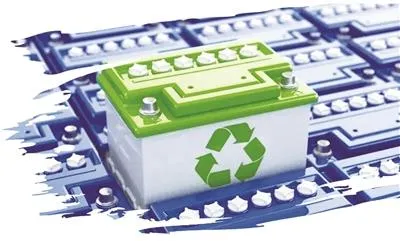
China’s next phase will be shaped by enforcement, channel consolidation and chemistry economics. MIIT said China already had more than 30 national and industry standards related to power battery recycling by early 2026. It also reported that comprehensive utilization of waste NEV power batteries exceeded 400,000 tonnes in 2025, up 32.9 percent.
The open question for global companies is how fast formal channels can capture batteries that previously moved through fragmented resale networks. Fraunhofer ISI’s 2026 analysis describes China’s approach as top-down, traceable, and linked to industrial value creation, while noting ongoing challenges posed by informal flows and regional implementation gaps.
For strategy teams, China EV battery recycling should be tracked alongside EV sales, battery chemistry mix, material prices and export policy. The companies that understand the recycling loop early will be better placed to price batteries, manage risk and build credible circular supply chains.
China’s circular battery economy is becoming a strategic signal for global business. Chozan helps executives, investors and innovation teams understand how China’s EV, battery and sustainability systems are changing in real time.
Book a consultation with Chozan to translate China market signals into practical strategy through executive workshops, custom research, learning expeditions, expert briefings, and digital transformation advisory.
Battery recycling in China means collecting, tracing, dismantling, and recovering materials from retired EV and storage batteries through regulated channels. The 2026 rules link battery identity, producer responsibility and comprehensive use under a national traceability system.
Lithium is important in lithium battery recycling because it remains a core material for EV and storage batteries. Recovering lithium from retired packs helps reduce material pressure and supports China’s wider circular battery supply chain.
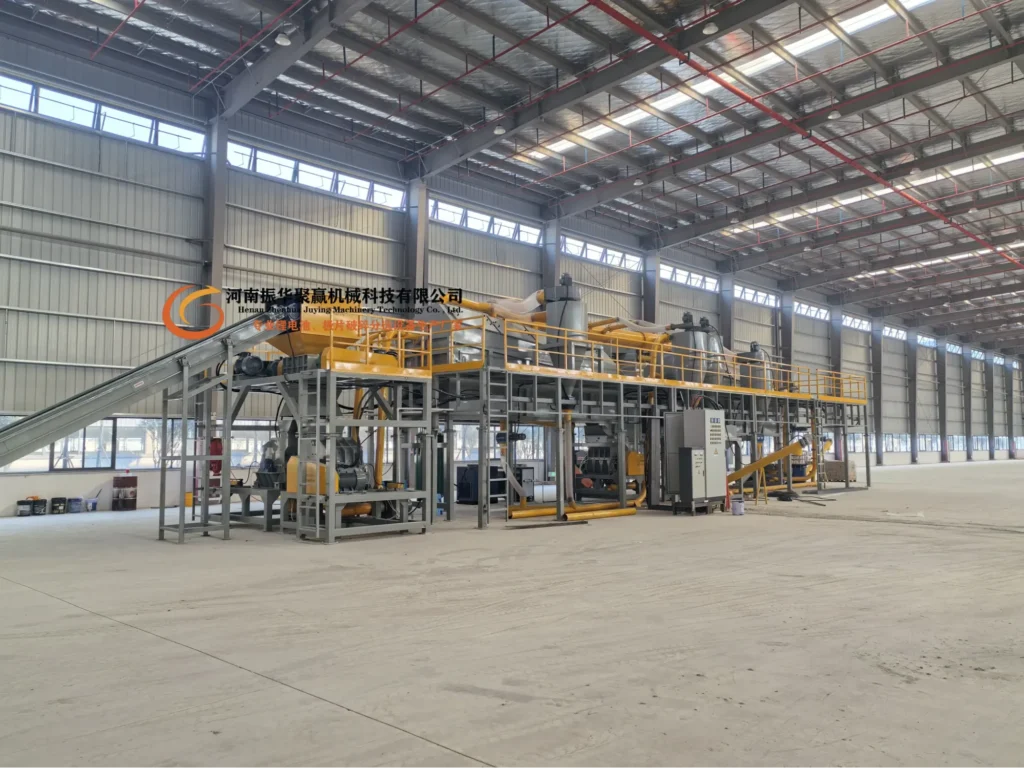
Lithium-ion battery recycling usually involves collection, discharge, dismantling, crushing, sorting, and chemical recovery. Industrial recyclers extract valuable materials such as lithium, nickel, cobalt, and manganese, then process them for possible return to battery material production.
EV battery recycling deals with larger packs, higher safety risks, vehicle ownership records, and stronger regulatory oversight. A retired EV pack must be traced, assessed, and moved through approved channels before material recovery or approved reuse.
China’s EV battery recycling is important because China dominates EV battery manufacturing and deployment. Its rules influence supplier expectations, material flows, battery passports, recycling technology choices and circularity standards across international EV supply chains.
Buyers should check licenses, environmental permits, traceability systems, recovery technology, chemistry coverage, and automaker relationships. Strong battery recycling companies can document battery origins, handle materials safely, and provide credible records of downstream material use.
Yes, EV battery recycling companies in China will operate under stricter regulations from 2026. The system covers traceability, recovery outlets, comprehensive utilization, environmental obligations, and penalties for data gaps or noncompliant battery handling.
Electric vehicle battery recycling means automakers need lifecycle responsibility beyond vehicle sales. Recovery channels, battery data, dealer processes, and recycling partnerships now influence compliance, residual value management, and consumer trust.
Electric car battery recycling profitability depends on chemistry, material prices, collection cost, recovery rates, and compliance expenses. Nickel-rich batteries usually offer higher metal value, while LFP recycling requires efficient lithium recovery and disciplined scaling.
The platform, launched in April 2026, assigns each power battery a unique digital ID and tracks its full lifecycle from production through recycling, enabling regulatory enforcement and supply chain transparency