CONTENT
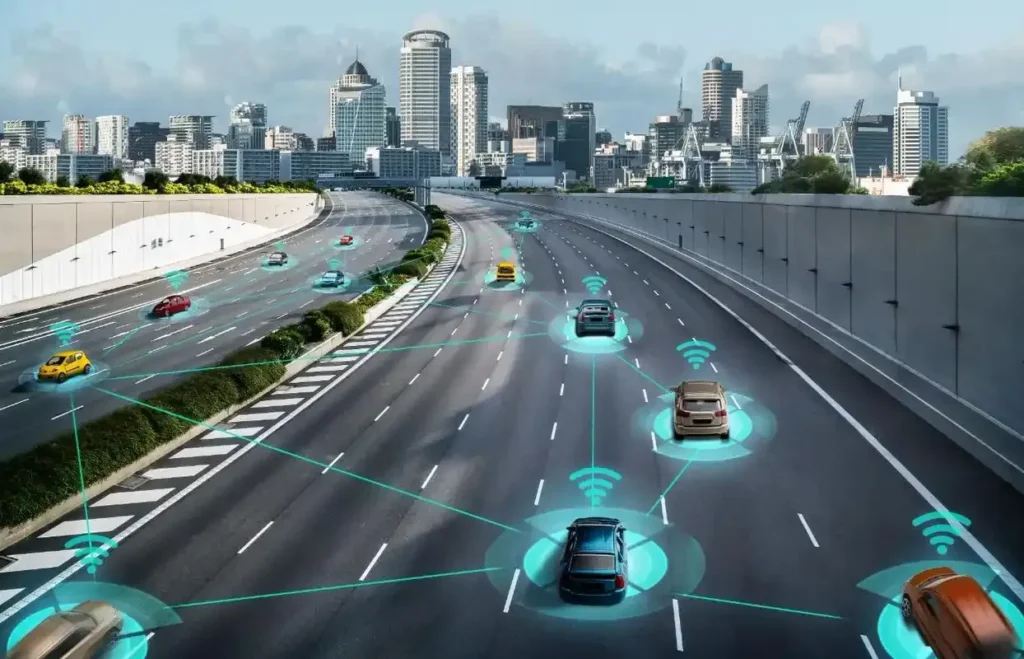
A traffic camera can spot a growing queue. The harder task is getting the next intersection, the approaching bus, and the control room to respond together. An Intelligent Transportation System connects sensors, communications, and software so transport operators can act on changing road conditions.
Traffic management is one application; passenger information, fleet coordination, and road maintenance also belong within its scope.
An electric bus alone does not establish an ITS. Its propulsion system changes energy use. An integrated transport system coordinates information and operational decisions around the service.
For intelligent transportation systems for smart cities, this distinction keeps procurement focused. A city should define the service problem before selecting devices. A useful starting question is simple: which decision becomes faster or more accurate once the proposed information becomes available?
China’s approach to intelligent transportation differs fundamentally from Western models. While Europe and North America focus on incremental upgrades to existing infrastructure, China has built ITS from the ground up as part of its smart city framework.
The State Council’s 2025 Digital Transport Action Plan mandated ITS deployment in all Tier 1 cities by December 2025 and Tier 2 cities by 2027, creating a unified national standard that foreign technology providers must navigate.
China’s September 2025 AI plus transport implementation opinion sets goals for wider AI application in typical transport scenarios by 2027 and deeper integration by 2030. Those dates reflect policy ambitions, not completed national deployment.
The document supports transport models, positioning, infrastructure monitoring, and coordinated decision systems. It also proposes using existing highway electronic toll infrastructure when planning vehicle, road, and cloud equipment.
That reuse principle deserves attention. Commercial deployment can involve connecting existing assets, improving data quality, and supporting operations. A proposal that requires wholesale infrastructure replacement needs a stronger financial justification.
China should also be assessed city by city. National direction helps explain priorities; local operating conditions determine the application. A freight corridor, a commuter district, and an airport connection create different demand patterns and service requirements.
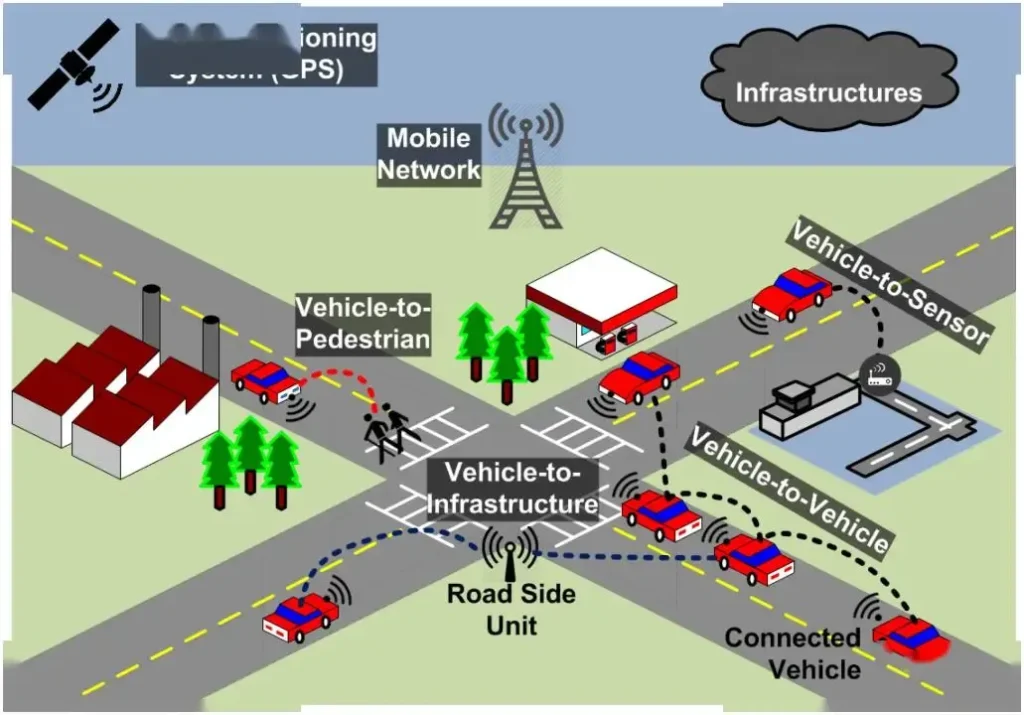
A practical intelligent transportation system architecture connects five functions. This is an explanatory framework, rather than a claim that every Chinese city follows one mandatory design.
| Function | Role in the system |
| Sensing | Cameras, radar, and vehicle data describe conditions |
| Connectivity | Networks carry observations and instructions |
| Processing | Edge computers and central platforms interpret information |
| Action | Signals, alerts, or operating teams respond |
| Feedback | Performance data show what changed |
Intel’s June 2025 guide describes sensor integration and processing infrastructure. Huawei’s September 2025 launch connects sensing, decisions, and execution. Together, they illustrate why individual components need a coordinated operating design.
The critical procurement question concerns authority. Can intelligent transportation software change a signal directly, recommend a change for approval, or only display an alert? Each option requires different safeguards, staffing, and response expectations.
Contracts should identify who handles an incorrect alert, a failed connection, and a software update. A technically complete platform still needs a clear chain of responsibility.
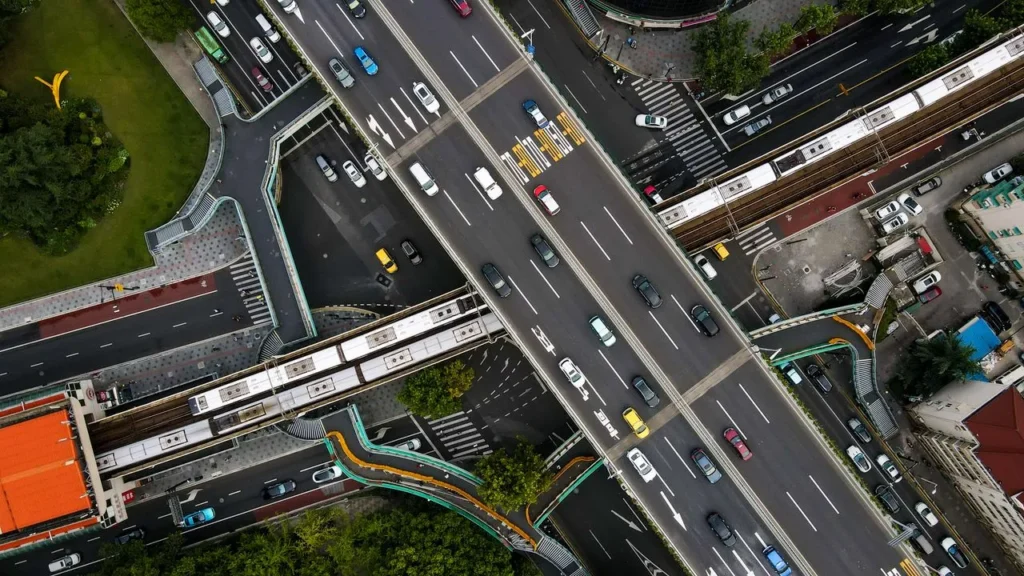
The following intelligent transportation systems examples show different stages of development. Each source establishes a specific activity or capability, with limits on what it proves.
Shanghai’s February 2026 government update reported 3,173 autonomous driving test roads totaling 5,238.82 kilometers at the end of 2025. Their coverage reached about one-third of the city’s area.
The update describes applications involving taxis, buses, and heavy trucks. It also identifies testing corridors around the Hongqiao transportation hub.
These figures establish the extent of the testing environment. They do not show that autonomous commercial services operate throughout that area. A partnership assessment should examine the particular vehicle, route, permission, and operating schedule behind the proposal.
Beijing’s smart transport solutions connect subway systems, bus rapid transit, ride-hailing services, and private vehicles through a unified mobility-as-a-service platform.
According to the Beijing Transport Institute, the system reduced average commute times by 18% between January 2025 and March 2026. The platform processes 47 million daily trips, using AI to predict congestion patterns up to 90 minutes in advance
A May 2025 Qianhai government update reported four autonomous bus routes available through free reservations in the Shenba Chuxing app. The system combined intelligent dispatch, positioning, vehicle sensing, and road connectivity.
The source used commercial-operation language while describing free passenger access. It therefore supports service availability at that time, but does not establish fare revenue or profitability.
For smart transport for smart cities, this is a useful evaluation lesson. Technical operation, passenger demand, and financial sustainability require separate evidence. A successful demonstration can justify further testing without proving the economics of expansion.
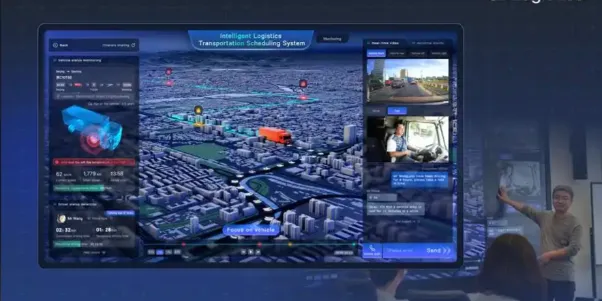
Huawei and partners launched an Urban Transportation Model Solution on September 18, 2025. The announcement describes adaptive signal control, intelligent inspection, and incident handling.
The event also included the Shenzhen Urban Transport Planning Center’s account of digital infrastructure monitoring across roads, bridges, tunnels, and slopes.
This broadens the investment discussion beyond autonomous vehicles. Asset maintenance and incident response can support distinct software and service opportunities. However, a supplier announcement establishes the announced capabilities; buyers still need evidence from their intended operating environment.
The strongest case for smart transport solutions begins with a measurable service problem. The following framework is a practical evaluation recommendation, not a reported benchmark of Chinese performance.
Average vehicle speed alone is insufficient. A bus operator may value consistent arrival times; a logistics provider may prioritize predictable delivery windows. A city must also consider pedestrian waiting, accessibility, and the effects on neighboring streets.
Choose a baseline, comparable operating periods, and a clear measurement boundary. A shorter queue at one intersection provides limited value if the intervention shifts congestion downstream.
The budget should cover connectivity, equipment maintenance, calibration, software support, cybersecurity, and staff response. Recurring costs determine how much of an initial efficiency gain survives over time.
Suppliers should explain who pays and who benefits. Reduced travel delays can create public value without producing revenue for the platform operator. The contract must connect that public benefit to a sustainable funding arrangement.
A Chinese reference project can inform overseas decisions, but local street design, procurement rules, and operating responsibilities need separate assessment.
Require interface documentation and an exit plan before expanding a pilot. Replacement components and data portability should form part of the purchasing decision, alongside initial performance.
China’s policy support comes with stronger scrutiny. In April 2026, three ministries called for nationwide self-inspection and corrective action around connected-vehicle road testing, including stronger emergency response.
An August 2026 announcement described a mandatory safety standard covering Level 3 and Level 4 automated driving systems in specified vehicle categories. It is scheduled to take effect on July 1, 2027. It concerns vehicle systems, rather than every component of urban ITS.
The strategic lesson is to evaluate readiness through evidence: a defined service, accountable operators, tested failure responses, and a workable budget. China’s deployments become more useful to study when those details sit beside the technology.
ChoZan supports China-focused decisions through tailored research, expert calls, and China learning expeditions. Its 2025 China Mega Report provides broader technology and business context.
If an Intelligent Transportation System opportunity is part of your strategy, start with the questions that need local evidence: operating maturity, supplier fit, and commercial relevance.
Book a consultation to discuss a research or learning brief around those decisions.
These are original questions written in People Also Ask style, not a claim that Google currently displays these exact questions.
No. An Intelligent Transportation System can support conventional vehicles through traffic information, incident alerts, and coordinated services. Autonomous driving is one possible application. Cities can improve transport operations without replacing their existing fleets with driverless vehicles.
No. Network selection should follow the application’s coverage, capacity, and response requirements. A project brief should specify the information exchanged and acceptable delay, then ask suppliers to justify the communications technology against those practical requirements.
Yes. A smaller city can begin with a defined service area or operational problem. A phased procurement should preserve compatibility with later additions and include an affordable maintenance plan before approving the first installation.
A sound project brief should minimize personal information collection, define access permissions, and set retention periods. Teams should ask if aggregated data can serve the purpose, then obtain local legal advice on the proposed processing.
It can support analysis of access and journey reliability around a potential location. Retailers should combine permitted, aggregated transport information with customer research and property data. Traffic volume alone cannot establish demand or likely store sales.
The operating plan should specify fallback behavior, staff responsibilities, and recovery procedures. Procurement teams should request a witnessed outage exercise so they can assess service continuity and emergency communication before accepting the system into operation.
The duration should match the conditions the pilot must demonstrate. Define required evidence for peak demand, incidents, weather, and maintenance before launch. A convenient calendar deadline should not replace adequate observation of the intended service.
A project team should combine transport operations, systems integration, data analysis, cybersecurity, and procurement expertise. Frontline staff also need a role in design reviews because they will handle alerts, service interruptions, and passenger questions during operation.
Yes, if the available information is timely, permitted for the intended use, and relevant to delivery routes. A logistics team should validate its effect on arrival predictions before changing customer promises or reducing schedule buffers.
A tender should prioritize service outcomes and verifiable performance. Suppliers can then explain where AI adds value. Require a comparison against a simpler alternative so the purchasing decision reflects operational benefit, maintenance needs, and cost.