CONTENT

Smart mobility in China connects transportation services, infrastructure, energy networks, and operational data through digital systems. Passengers can plan journeys across multiple transport modes, operators can respond to changing demand, and cities can coordinate vehicles, roads, and public services.
The commercial opportunity extends beyond manufacturing electric vehicles or installing roadside sensors. Increasingly, value comes from connecting customer access, data, physical operations, charging, and public oversight.
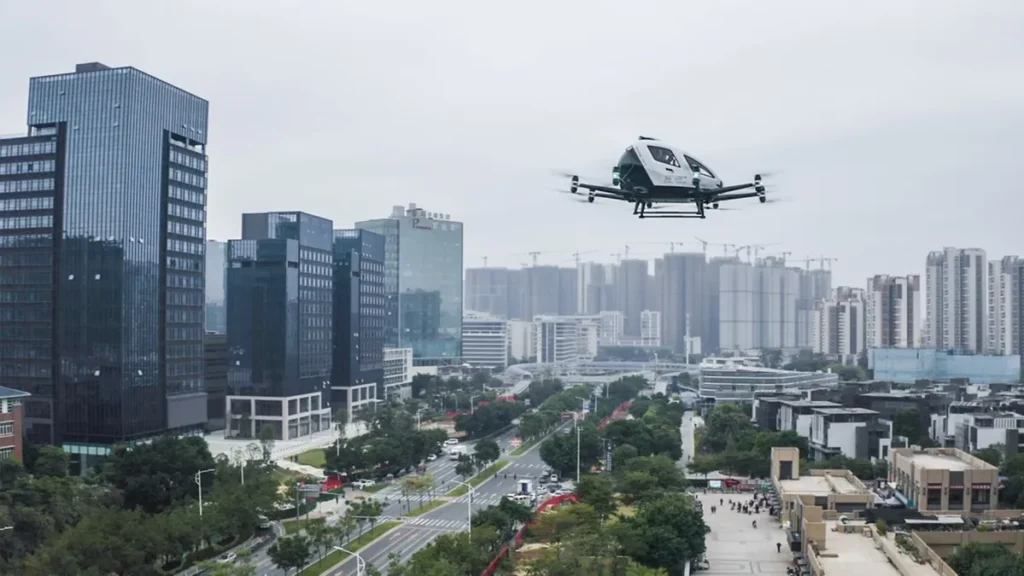
Smart mobility integrates transportation with digital tools that improve how people, vehicles, and goods move. Its applications include integrated ticketing, real-time travel information, connected infrastructure, autonomous vehicles, intelligent traffic management, and coordinated charging.
The scale of China’s transportation system makes these capabilities particularly relevant. In 2025, urban rail networks across 54 Chinese cities exceeded 11,000 kilometers and carried more than 90 million passengers daily, according to China’s State Council Information Office.
Across networks of that size, better coordination can influence station capacity, passenger transfers, energy consumption, and service reliability.
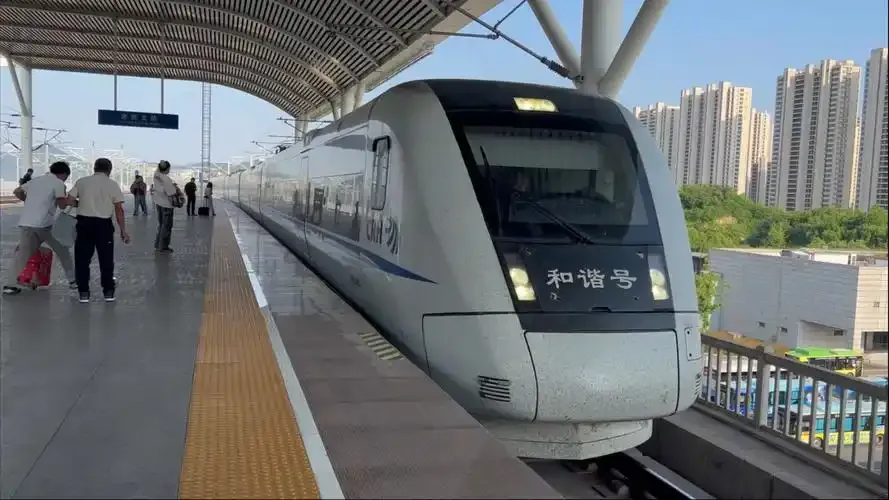
China’s approach combines five operational layers: customer access, shared data, connected infrastructure, transportation services, and energy.
Mobility as a Service, or MaaS, brings multiple transportation options into a single digital interface.
Shanghai’s Suishenxing platform illustrates the model. A 2025 update integrated buses, metro services, suburban rail, the Airport Link Line, maglev, ferries, taxis, shared bicycles, and smart parking. The platform also introduced live travel information and a single travel code.
The app does more than help passengers select routes. Shanghai launched more than 220 customized bus routes across all 16 districts in 2025, giving riders a channel to express demand and helping operators adjust service patterns.
This makes MaaS one of the clearest smart mobility examples: the customer interface influences both travel choices and the physical transport network.
In November 2025, Shanghai launched a trusted mobility data ecosystem connecting nine transport scenarios, including rail, taxis, parking, aviation, shared bicycles, and long-distance passenger travel.
The system supports governed data aggregation, sharing, circulation, and operations across participating services.
For businesses, access to reliable mobility data can support route planning, insurance, predictive maintenance, location-based services, retail partnerships, and fleet management.
However, commercial participation depends on clear rules for access, technical standards, security, accountability, and data use.
China’s vehicle-road-cloud model links roadside sensors, traffic signals, connected vehicles, and cloud platforms.
Instead of requiring each vehicle to make decisions based only on its immediate surroundings, these systems allow road infrastructure and centralized platforms to share relevant traffic information.
A small-scale Beijing test completed in 2025 provided cloud-generated speed recommendations to connected vehicles approaching a sequence of traffic signals.
The test reported approximately 50% more journeys without stops and estimated energy savings of at least 5% compared with new-energy vehicles using regenerative braking.
These figures describe a controlled test rather than citywide performance. Their significance lies in showing how coordinated infrastructure can influence traffic flow and energy use.
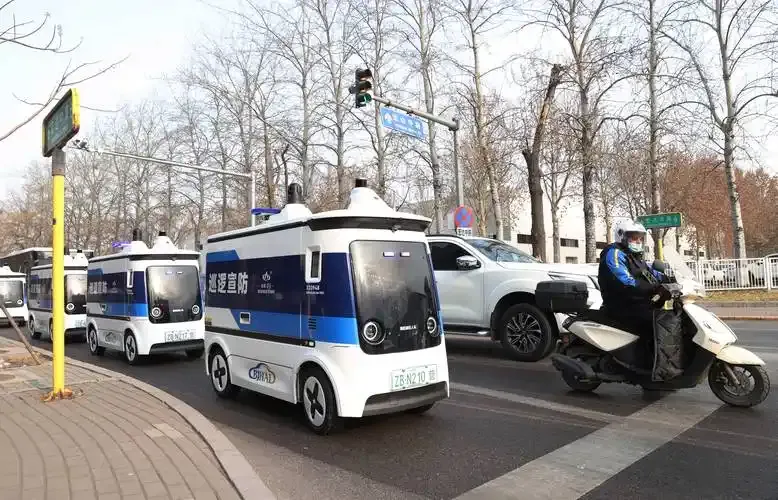
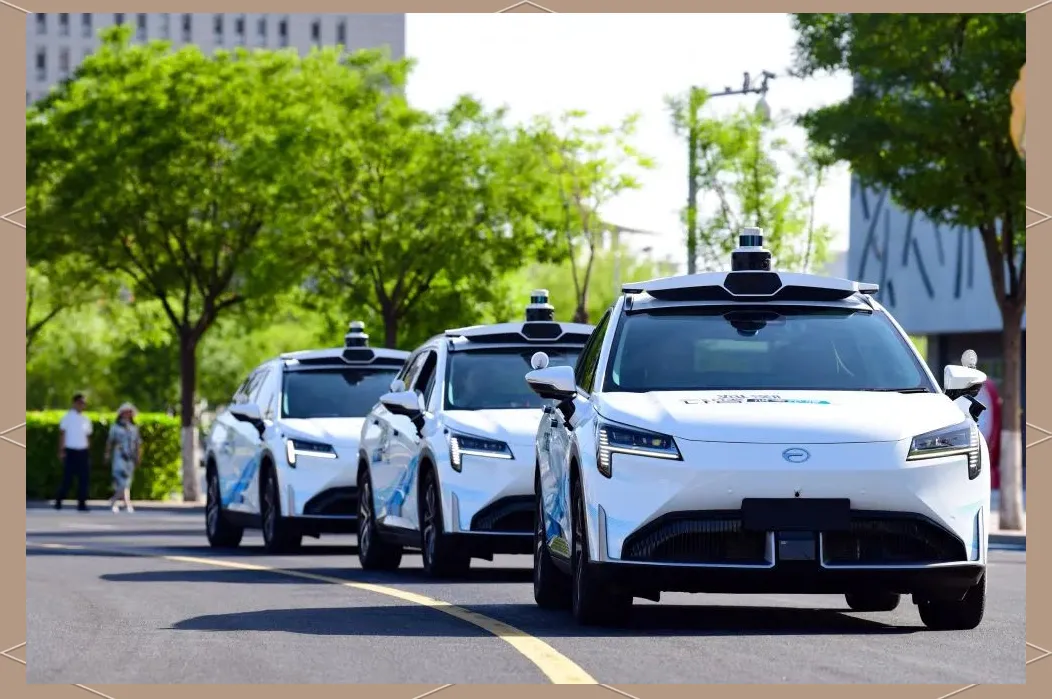
Autonomous vehicles are becoming another service within established transport networks.
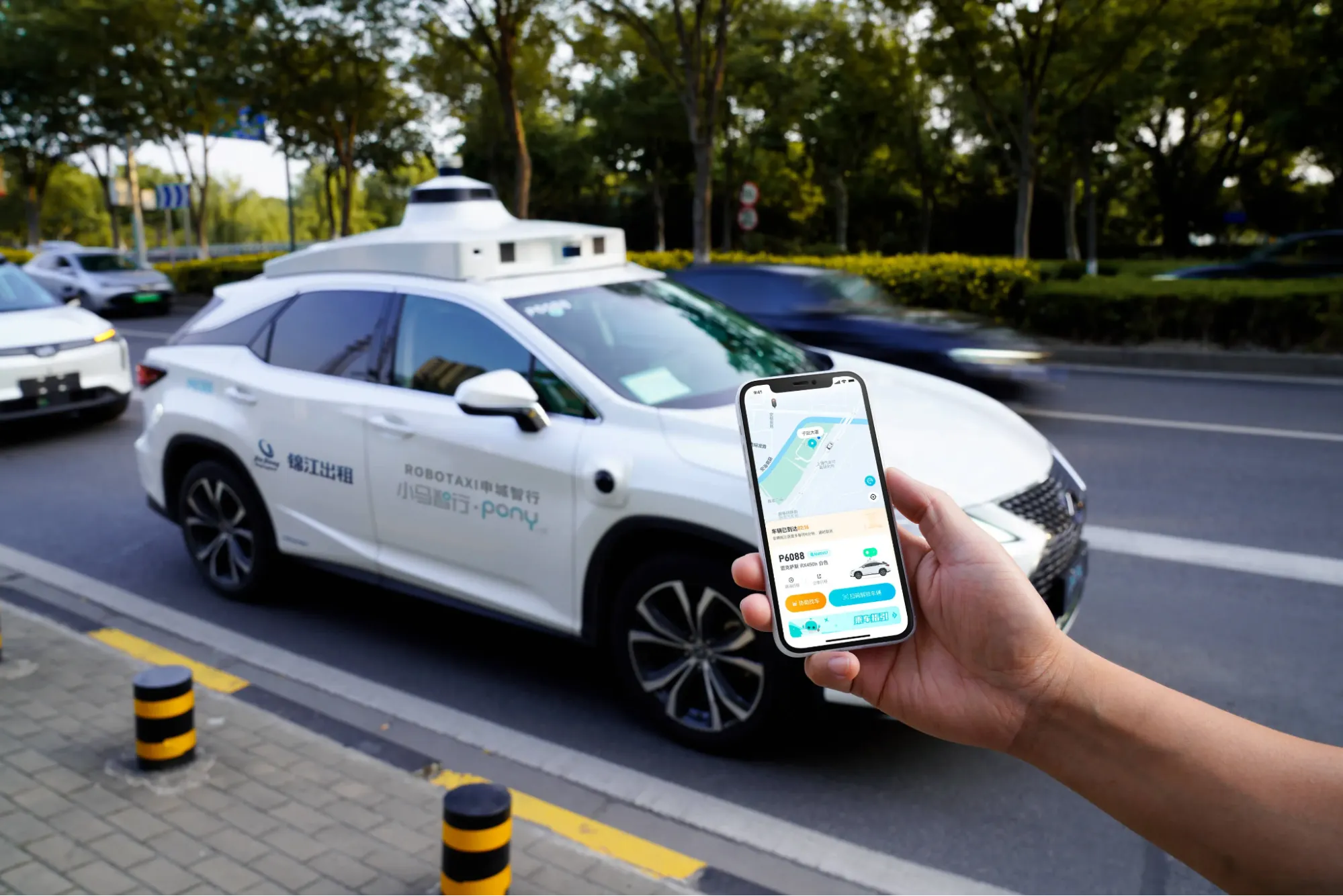
In October 2025, Pony.ai and Shenzhen taxi operator Xihu Group received the city’s first citywide permit for commercial driverless robotaxis. Initial operations covered Nanshan, Qianhai, and Bao’an, with additional expansion planned.
Other companies are connecting robotaxis to existing consumer platforms. Xpeng announced in November 2025 that three self-developed robotaxi models would enter 2026 trials through Alibaba’s Amap, which had already worked with WeRide and Pony.ai.
This arrangement gives autonomous vehicle operators access to established mapping, trip planning, and customer demand.
Investment partnerships show similar integration across industries. In June 2025, Hellobike, Ant Group, and CATL invested more than RMB 3 billion (about US$417.4 million) in a new Level 4 robotaxi company.
The partnership connects ride demand, digital payments, battery expertise, and autonomous driving development.
Electric mobility depends on charging networks that support reliable access, payment, scheduling, and vehicle availability.
China ended 2025 with 20.092 million electric vehicle charging connectors, including 4.717 million public connectors, according to the National Energy Administration.
For commercial fleets, charging points are only part of the operational requirement. Effective smart mobility services also need accurate availability data, compatible payment systems, demand management, and scheduling that limits vehicle downtime.
Charging therefore becomes part of fleet operations and service planning, rather than a standalone infrastructure category.
China’s September 2025 “AI plus Transportation” policy called for broader artificial intelligence adoption across transport services and an integrated transport large-model system by 2027.
The policy covers infrastructure, public services, governance, rail, shipping, civil aviation, postal systems, and connected driving.
Implementation became more specific in 2026. The Ministry of Transport released guidance covering 41 priority scenarios across 10 directions, including intelligent driving, smart highways, rail, aviation, postal services, and multimodal transport.
The shift matters because it places AI inside defined operational tasks, such as forecasting demand, allocating vehicles, monitoring infrastructure, identifying safety risks, and improving maintenance decisions.
Digital transport systems can do more than accommodate existing journeys. They can help operators redesign services and encourage passengers to change their travel behavior.
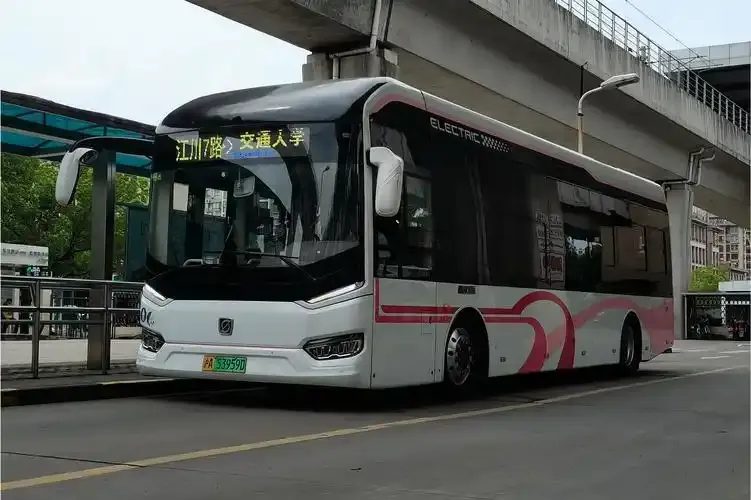
Shanghai’s customized bus program gives transport operators direct insight into the routes passengers want.
Instead of relying solely on existing schedules, operators can use expressed demand to identify underserved journeys and adapt service patterns across the city.
The approach connects passenger feedback with operational planning.
Beijing’s MaaS program quantifies lower-carbon journeys and allows users to exchange verified reductions for transit cards, vouchers, gifts, or charitable donations.
The city reported 450,000 metric tons of verified reductions by July 2025, when the initiative received United Nations recognition.
The program shows how transport platforms can connect journey planning with climate incentives, public policy, and commercial partnerships.
Shanghai’s model responds to travel demand. Beijing’s model attempts to influence it.
Commercial value depends on how responsibilities are divided among platform owners, public authorities, transport operators, infrastructure providers, and technology companies.
Four questions help clarify the operating model:
These relationships determine how companies participate and where revenue opportunities emerge.

Companies entering the sector need to start with a specific operating problem rather than a broad technology proposition.
That could involve reducing passenger wait times, improving vehicle utilization, coordinating charging schedules, simplifying transfers, or identifying infrastructure maintenance needs.
A practical market assessment should examine:
China’s density, digital payment habits, transport infrastructure, and municipal governance support integration models that may not transfer directly to other countries.
International businesses should identify which operational practices can be adapted locally and which depend on conditions specific to Chinese cities.
China’s mobility model becomes more useful when your team can connect local technology with platform design, operating economics, and customer behavior. ChoZan combines custom China research, digital transformation consulting, expert dialogues, and China learning expeditions to examine the companies and systems relevant to a specific business question.
Book a consultation to build a focused learning agenda around China’s smart mobility ecosystem.
Intelligent transportation systems usually focus on traffic operations, signals, roads, and control centers. Smart mobility has a wider service view. It connects infrastructure with trip planning, payment, shared transport, charging, user incentives, and commercial platforms.
No. A city can improve mobility through integrated ticketing, live transit data, demand-responsive buses, coordinated signals, digital parking, and charging services. Autonomous vehicles add another service type, but they are not a requirement.
5G can provide low-latency connections for roadside sensors, vehicles, cameras, and control platforms. Its value depends on the use case, coverage, standards, and system design. Connectivity alone does not create an effective mobility service.
BeiDou provides positioning, navigation, and timing services that can support fleet tracking, route guidance, vehicle coordination, and infrastructure monitoring. Operators may combine it with sensors, maps, mobile networks, and cloud platforms for greater accuracy.
Access varies by city and service. Shanghai’s English SH MaaS app supports an all-in-one travel code and international bank cards for key public transport modes. Travelers should check current identity, payment, and phone requirements.
No. Commercial access remains city-specific and can be limited to approved districts, operating hours, or service conditions. Permits, fleet size, safety requirements, and booking channels differ, so a national launch claim would be misleading.
Platforms may process location, route, timetable, payment, vehicle, charging, parking, and infrastructure data. The exact mix depends on the service. Strong governance defines access, retention, security, consent, quality, and responsibility for errors.
Start with a specific operating problem and identify the platform owner, city authority, operator, and technical standards involved. Local partnerships, compliant data handling, measurable service outcomes, and integration capacity matter more than a broad technology pitch.
A viable pilot solves a recurring problem and has a path to paid deployment. Track passenger demand, fleet use, service reliability, operating savings, safety, and integration cost. Define who pays before expanding the technical scope.
Smart mobility connects transport decisions with land use, energy, public services, and climate goals. Shared data can support better planning, but governance and service quality remain essential.