CONTENT
China’s robotaxi market has moved beyond isolated demonstrations toward paid autonomous ride-hailing across major urban areas. Baidu Apollo Go, Pony.ai, and WeRide are expanding commercial services, while cities such as Shenzhen, Shanghai, Guangzhou, and Beijing are developing distinct operating and regulatory models.
The next phase depends on more than adding vehicles. Commercial demand, municipal approvals, safety performance, customer access, and operating economics will determine how quickly autonomous ride-hailing becomes part of everyday urban transportation.
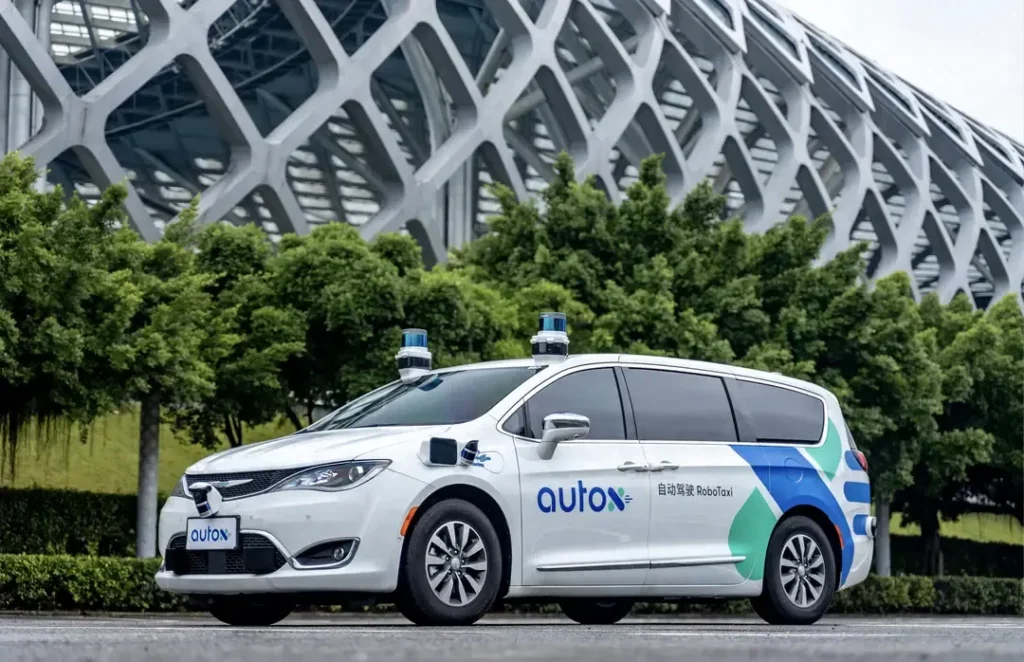
A robotaxi, or robot taxi, is an autonomous vehicle that transports passengers without a human driver when approved operating conditions allow.
Most commercial services in China use Level 4 automation. These vehicles can handle driving tasks independently within defined operating areas and conditions, but they cannot necessarily operate on every road or in every situation.
A driverless robotaxi also depends on supporting infrastructure, including vehicle sensors, dispatch software, digital payments, customer support, remote assistance, and local regulatory oversight.
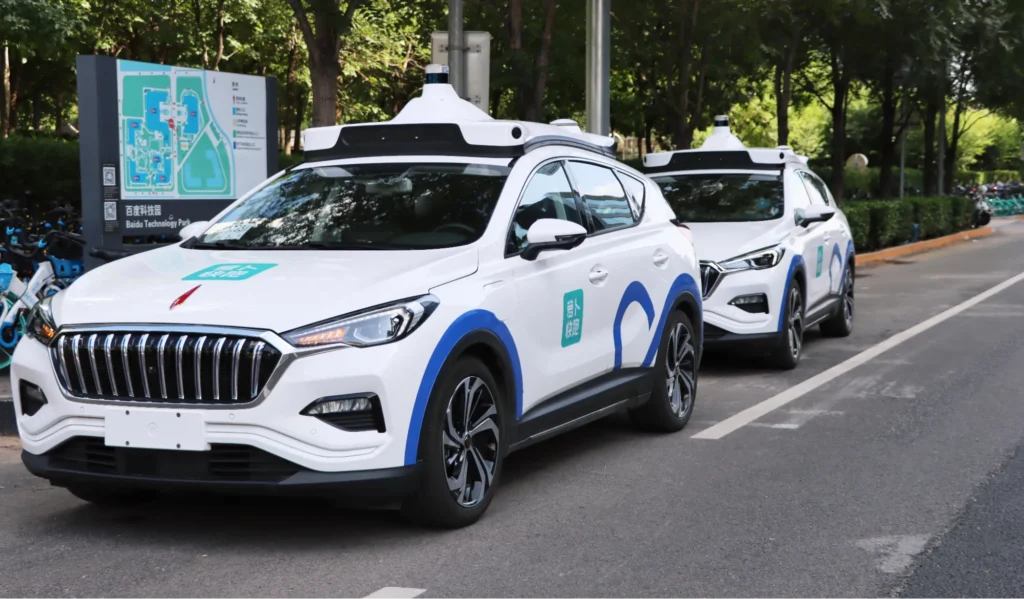
Recent company disclosures provide a clearer picture of the market than broad forecasts.
| Company | Fleet and geographic reach | Commercial performance |
| Baidu Apollo Go | Global presence across 28 cities | 3.2 million fully driverless rides in the first quarter of 2026; more than 22 million cumulative public rides as of April 2026 |
| Pony.ai | Global robotaxi fleet of 1,975 vehicles as of June 30, 2026; target of more than 3,500 vehicles by year-end | $12.1 million in second-quarter robotaxi services revenue; more than 1.5 million registered PonyPilot users in China as of August 16 |
| WeRide | More than 1,800 robotaxis within a broader global Level 4 fleet of approximately 3,400 vehicles as of July 31, 2026 | More than 21 daily rides per robotaxi in China during the second quarter, with peak performance reaching 28 rides |
Baidu’s figures come from its first-quarter 2026 results and second-quarter 2026 filing. Pony.ai’s data comes from its August 2026 financial results, while WeRide’s figures appear in its second-quarter 2026 results.
These numbers require careful interpretation. Global fleet totals and geographic presence do not establish that every vehicle operates commercially in China or that every listed city has fully driverless paid service.
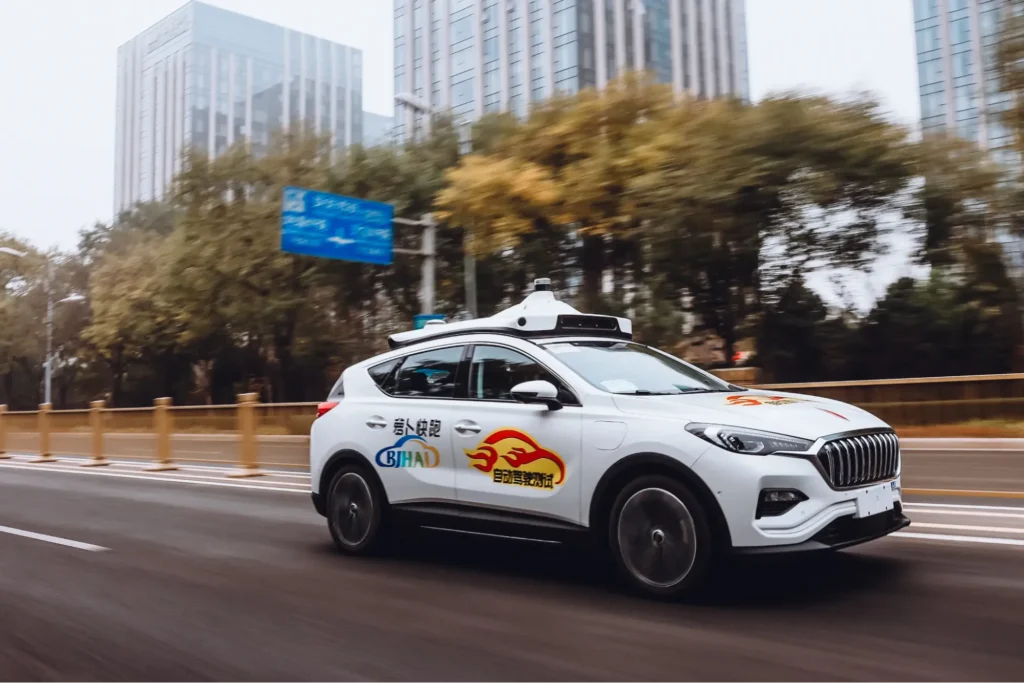
China’s robotaxi expansion does not follow one uniform model. Different cities prioritize transport hubs, taxi partnerships, broader urban coverage, or supportive regulations.
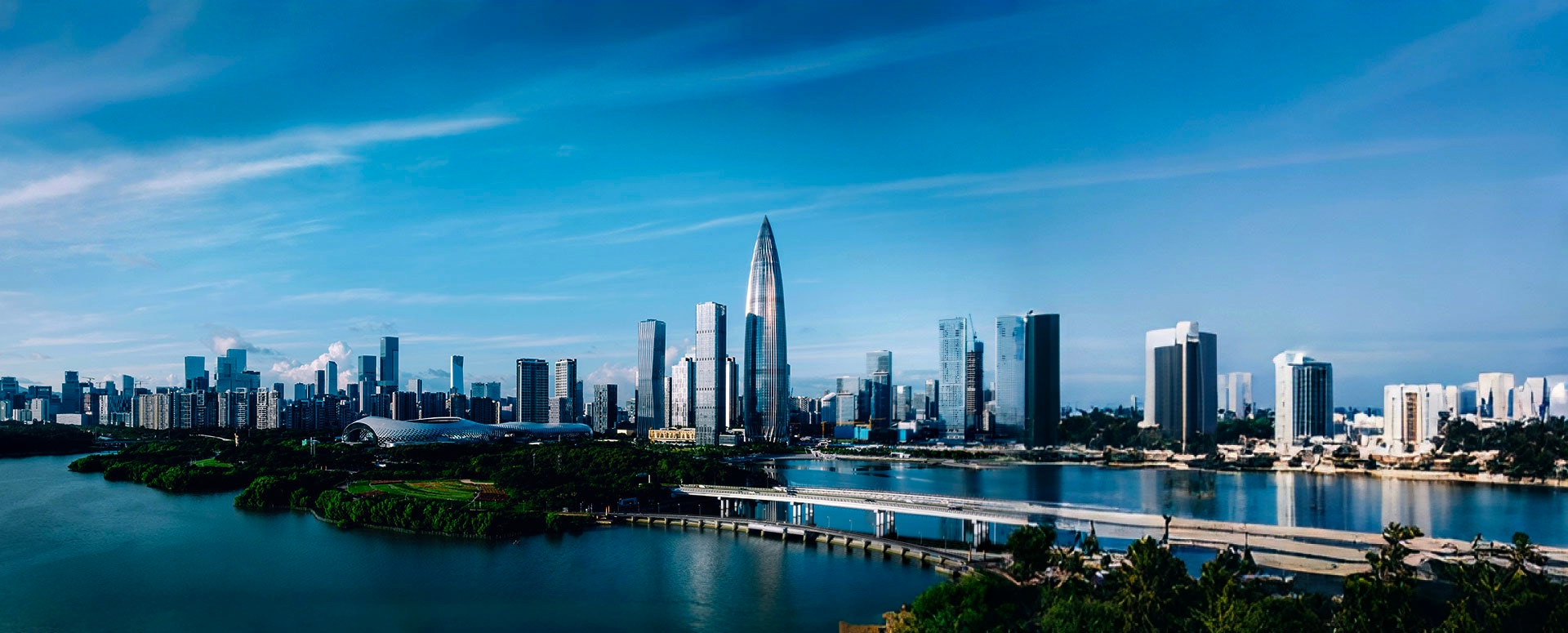
The Shenzhen robotaxi model connects autonomous ride-hailing with major passenger destinations.
In October 2025, Pony.ai and taxi operator Xihu Group received Shenzhen’s first citywide driverless commercial permit, according to Reuters.
The permit authorized phased expansion rather than immediate service across every street.
Pony.ai’s August 2026 update identifies Bao’an International Airport, Shenzhen Bay Port, and Shekou Cruise Port as operational transportation hubs within its network.
These locations give autonomous fleets access to recurring travel demand rather than relying solely on limited demonstration corridors.
The Shanghai robotaxi model combines autonomous driving companies with established taxi operators.
Shanghai issued its first eight demonstration operating permits in July 2025, followed by paid commercial robotaxi services in Pudong from August.
The Shanghai municipal government describes partnerships between Pony.ai and Jinjiang Taxi, and between Apollo Go and Dazhong.
These arrangements connect autonomous vehicle technology with existing capabilities in fleet maintenance, charging, customer service, and local transportation operations.
Shanghai’s approach shows that commercial adoption can depend as much on partnerships with established transport providers as on the underlying driving system.
Guangzhou illustrates how robot taxis can expand into districts with established residential, commercial, and transport demand.
Pony.ai reported operations across Haizhu, Tianhe, Huangpu, and Panyu. Its service coverage increased by more than 300 square kilometers from the beginning of 2026.
WeRide reported that its Guangzhou service area had tripled from the end of 2025. The company also said commercial operations in the city were available around the clock.
Together, these developments suggest a move from contained pilot zones toward larger urban operating networks.
Beijing’s contribution centers on the policy framework required to support autonomous vehicle deployment.
Beijing’s autonomous vehicle regulations, effective April 1, 2025, address infrastructure, road management, and safety requirements for higher-level autonomous vehicles.
The framework reflects a broader reality across China: commercial expansion depends on municipal rules, approved operating conditions, and transport infrastructure alongside vehicle technology.
Wuhan demonstrates the risks that emerge when autonomous fleets become part of everyday city traffic.
In March 2026, an Apollo Go system failure affected at least 100 vehicles. Police said passengers could leave safely and reported no injuries. However, simultaneous vehicle stoppages disrupted traffic and exposed the risk of shared technical failures across a networked fleet.
The response extended beyond Wuhan. In April 2026, Reuters reported that Chinese authorities ordered safety inspections and tighter oversight of smart-vehicle road testing.
Subsequent reporting indicated that new autonomous vehicle permits had been suspended, while existing Pony.ai and WeRide services continued operating. Bloomberg later reported that permit issuance had resumed in some cities.
The episode shows why fleetwide reliability, passenger support, emergency response, and regulatory confidence matter as much as an individual vehicle’s performance.
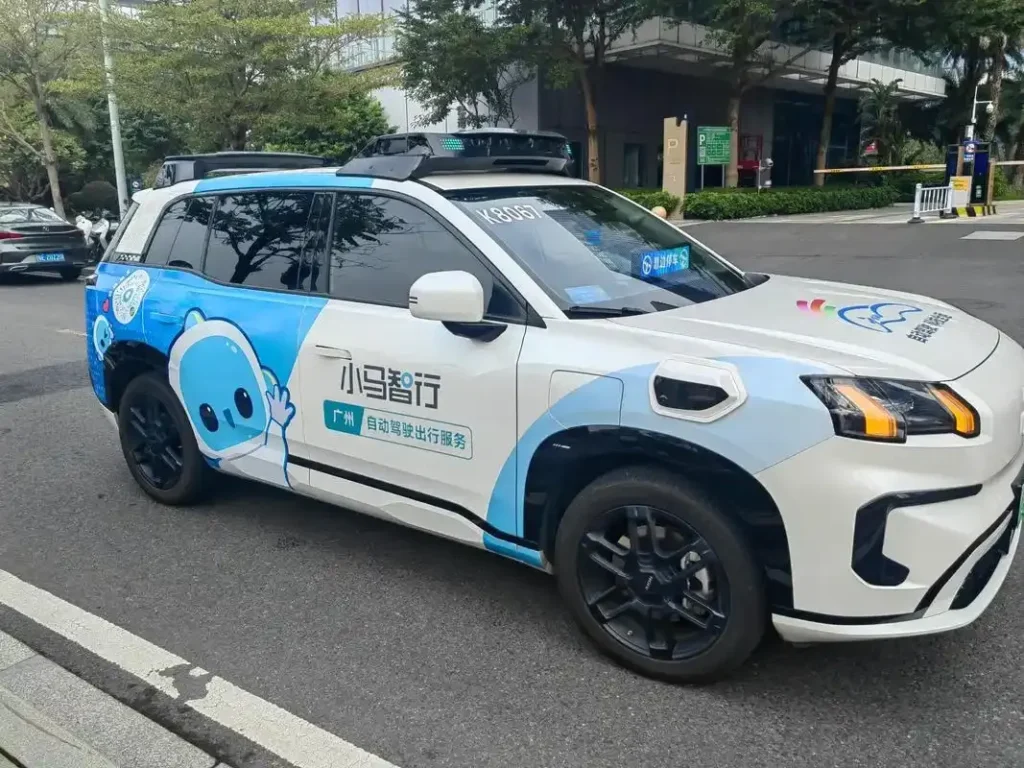
Robotaxi economics depend on daily trip volume, operating costs, vehicle utilization, and the capital required to expand.
Pony.ai reported that its seventh-generation robotaxis in Shenzhen reached unit economics breakeven in February 2026.
The vehicles generated average daily net revenue of 338 yuan per vehicle across 23 daily orders.
Pony.ai’s calculation includes:
These figures show why frequent rides and productive operating hours are central to the commercial case for a robotaxi fleet.
Vehicle costs also influence the speed and economics of deployment. Pony.ai’s seventh-generation product announcement reported a 70% reduction in autonomous driving system bill-of-materials costs compared with its previous generation.
Separately, WeRide and Geely Farizon announced plans to deliver 2,000 purpose-built robotaxis during 2026.
That figure represents a delivery target, not confirmation that 2,000 additional vehicles had already entered commercial service.
Positive vehicle-level economics do not automatically translate into company-wide profits. Pony.ai reported a $45.4 million net loss for the second quarter of 2026 despite stronger robotaxi services revenue.
Research and development, corporate overhead, geographic expansion, and other operating expenses continue to influence overall financial performance.
A credible market assessment should distinguish between profitable individual vehicle operations and the profitability of the business as a whole.
Customer access is becoming a significant part of the robotaxi business model.
In March 2026, WeRide integrated its robotaxi service into Tencent’s mobility mini program on WeChat, initially serving users in Guangzhou. Passengers can search for rides, book, and pay without downloading a separate app.
For operators, established mobility platforms provide access to existing users, familiar payment systems, and aggregated transport demand.
In the robotaxi China market, distribution and customer access may become as important commercially as vehicle ownership or autonomous driving software.
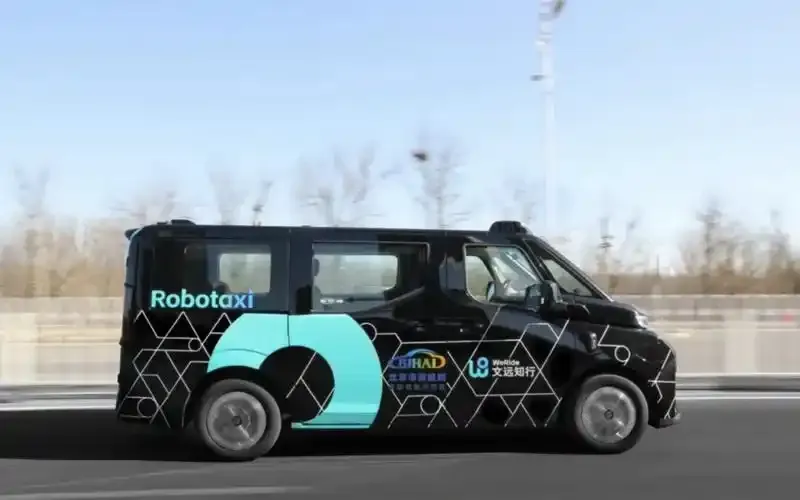
China’s robotaxi companies are also taking their operating models into overseas markets.
Pony.ai’s August 2026 results identify a contracted deployment of more than 2,000 vehicles in Europe with Uber. The company also reported international agreements under negotiation covering more than 4,000 vehicles.
WeRide reported European projects in Spain, Switzerland, and Denmark, alongside activity in the Middle East and Singapore.
These initiatives remain subject to local approvals, deployment schedules, and market-specific operating conditions.
Goldman Sachs Research forecasts a global robotaxi market of approximately $415 billion in 2035. This figure is a long-term worldwide projection, not current Chinese market revenue or a guaranteed outcome.
China’s robotaxi market is becoming easier to assess through operating evidence rather than future projections alone.
The most useful indicators include paid ride volume, active operating areas, daily vehicle productivity, safety performance, municipal approvals, digital booking access, vehicle-level costs, and company-wide financial results.
Together, these measures provide a clearer picture of how autonomous ride-hailing is moving from pilot programs toward commercially integrated urban networks.
Understanding China’s robotaxi development requires looking beyond autonomous vehicles to the wider systems shaping adoption, including digital platforms, manufacturing, urban infrastructure, regulation, and local operating partnerships.
ChoZan’s Shenzhen and Guangzhou innovation tour examines future mobility within the Greater Bay Area. Our China market research, expert dialogues, and free China reports offer further context for specific commercial and strategic questions.
Book a consultation with ChoZan to discuss the developments most relevant to your organization.
The required app depends on the robot taxi operator. Apollo Go has its own app, Pony.ai offers PonyPilot, and WeRide supports WeRide Go or WeChat. Booking options vary by city and approved service area.
International visitors may be able to book robot taxis, but access depends on the operator, local account requirements, accepted identification, payment setup, and service location. Confirm current booking conditions before assuming a specific route is available.
Prices vary by operator, city, route, and promotional period. Shanghai’s municipal website documented one 5.8-kilometer autonomous ride priced at 21 yuan ($2.95), but that single example does not establish a national pricing benchmark.
A driverless robotaxi generally operates within approved service areas and may require passengers to use designated pickup or drop-off points. A municipal permit does not automatically mean every street, building, or district is available.
Remote support differs from having a human driver inside the vehicle. Operators can monitor conditions, respond to service issues, and coordinate assistance while the autonomous system handles driving within its approved operating area.
Level 4 autonomy means the vehicle can manage driving within specified conditions and approved operating areas without requiring the passenger to drive. It does not mean the vehicle can operate everywhere or in every situation.
Some Shanghai robotaxi routes have connected Shanghai International Resort with Pudong International Airport. Availability depends on the operator, current approvals, designated stops, and the route shown in the booking app.
Some services do. WeRide reported round-the-clock commercial operations in Guangzhou in 2026, but schedules vary by operator and city. Passengers should verify service hours directly instead of assuming every route runs continuously.
Passengers should follow the vehicle’s instructions, contact customer support through the app or in-car interface, and wait for guidance. If traffic conditions make exiting unsafe, remain inside until assistance or local authorities provide instructions.
Searches for robotaxi china and robo taxi china generally refer to autonomous passenger services operated by companies such as Baidu, Pony.ai, and WeRide. Search results should distinguish active paid routes from pilots, future targets, and international operations.