TL;DR.
During China’s Golden Week 2026 holiday, AI-assisted trip planning jumped more than 60% and Fliggy’s AI-agent travel bookings grew 800% quarter-on-quarter. Travellers now open a chat, not a search box, to find destinations, stack vouchers, and book in one flow. The catch for brands: ByteDance’s Doubao and Alibaba’s Qwen pull recommendations from different sources, so being visible in one does not put you in the other.
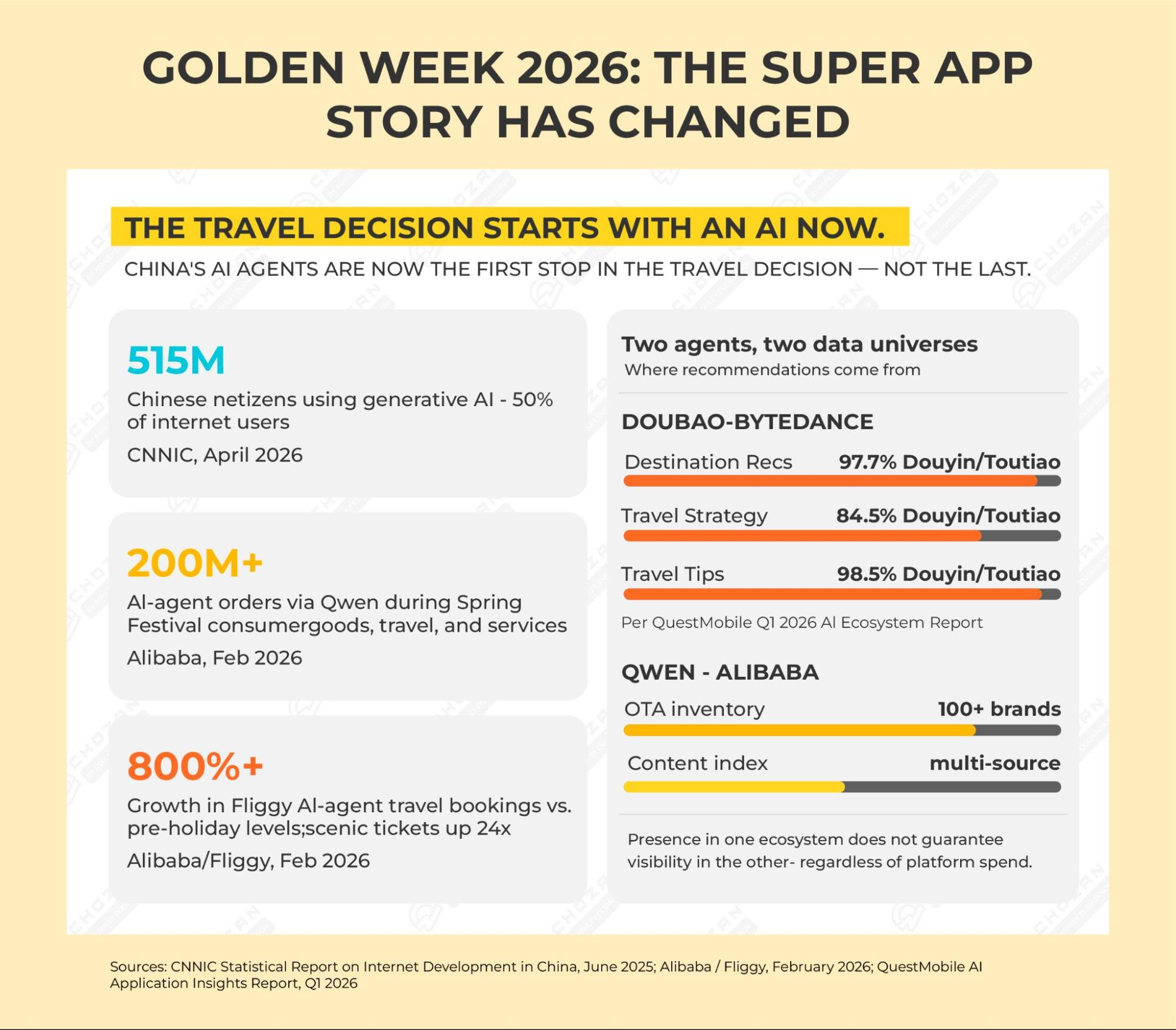
How China’s AI agents became the first stop in the travel decision, Golden Week 2026. Sources: CNNIC (June 2025), Alibaba/Fliggy (Feb 2026), QuestMobile (Q1 2026).
China’s Golden Week is the country’s biggest domestic travel holiday, an eight-day national break. In 2026 it drew 1.52 billion trips, and for the first time lower-tier cities led tourism spending, growing 25% to outpace larger ones. Behind the record was a pivot to conversational AI: AI-assisted itinerary planning rose more than 60% as travellers used super apps to surface niche destinations, assemble multi-day plans, and complete bookings in a single chat. This piece covers whether travel booking has really moved to AI agents, how Doubao and Qwen decide what you see, and why many brands are invisible to both — with the fixes to run before the next holiday.
New to agentic commerce? Start with the Pillar A guide: what a China AI agent is and how it works.
At a glance
- Golden Week 2026 drew 1.52 billion trips; lower-tier cities led spending, up 25% (official tourism data, 2026).
- AI-assisted itinerary planning rose more than 60% year-on-year (Mafengwo AI + Travel Trend Report, 2026).
- Fliggy’s AI-agent travel bookings grew 800% quarter-on-quarter, flight orders up 24× (Alibaba/Fliggy, February 2026).
- Doubao sources 97.7–98.5% of its travel recommendations from Douyin and Toutiao (QuestMobile, Q1 2026).
Are Chinese travellers really booking trips through AI agents now?
Yes. During Golden Week 2026, AI-assisted itinerary planning rose more than 60% year-on-year, and Fliggy’s AI-agent travel bookings grew 800% quarter-on-quarter, with flight orders up 24× (Alibaba/Fliggy, February 2026). Fliggy is Alibaba’s travel-booking app, known in China as Feizhu.
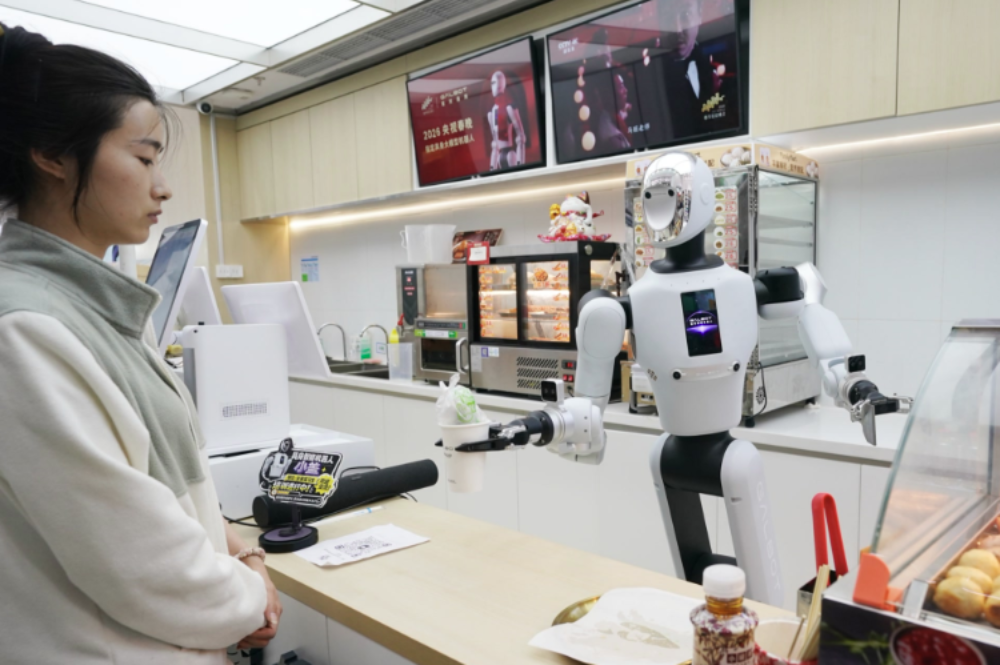
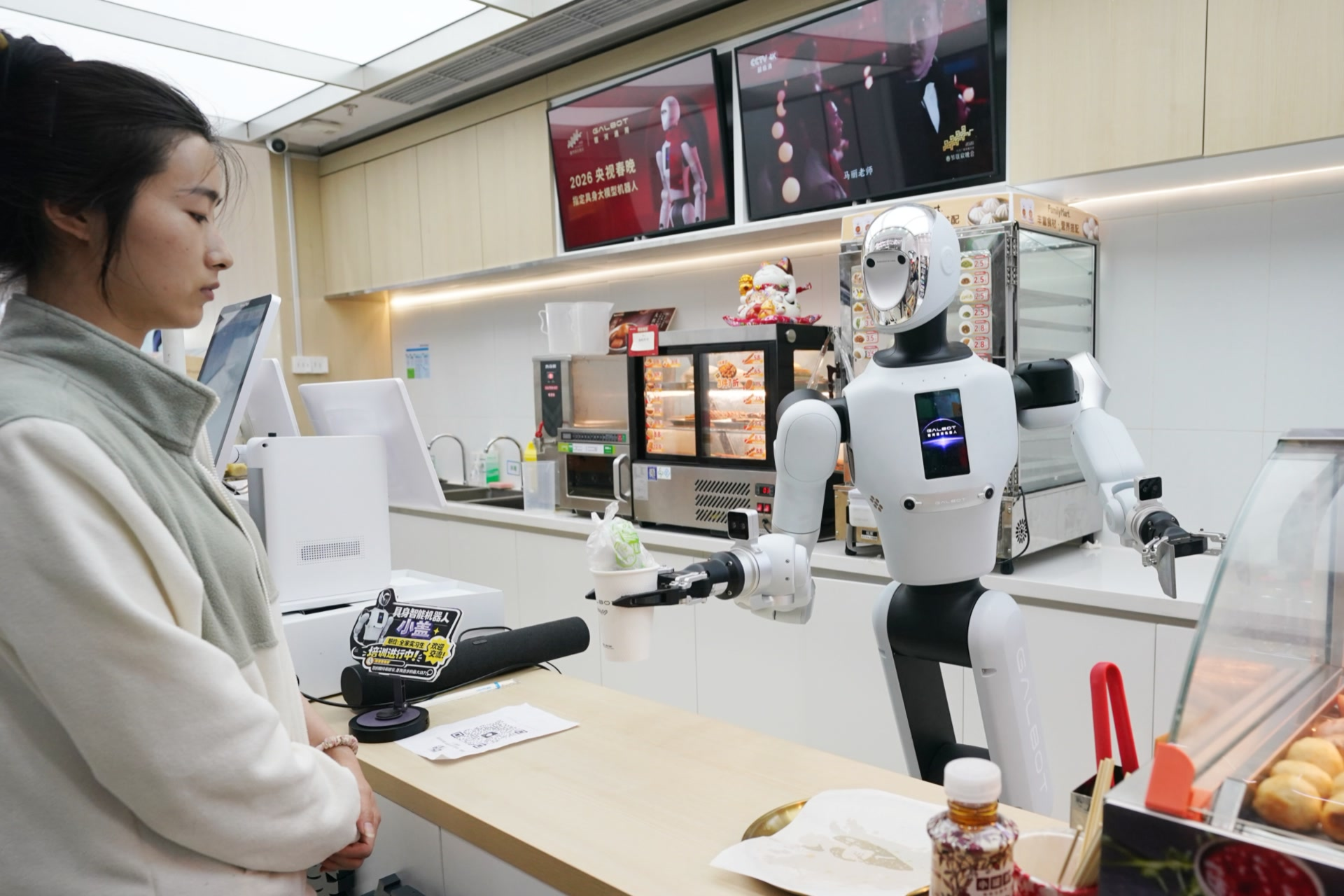
Chinese travelers increasingly plan and book Golden Week trips inside a single AI chat: itinerary, flights, and hotels in one flow.
The behaviour reshaped where people went. AI agents surfaced niche county destinations that keyword search rarely returns: bookings in places like Anji and Pingyao rose 128% year-on-year, pulling high-star hotels up 40%, rental cars up 113%, and local-food searches up 122%. Travellers described a budget, a vibe, and a date, and the agent assembled the itinerary, stacked the vouchers, and booked it in one conversation.
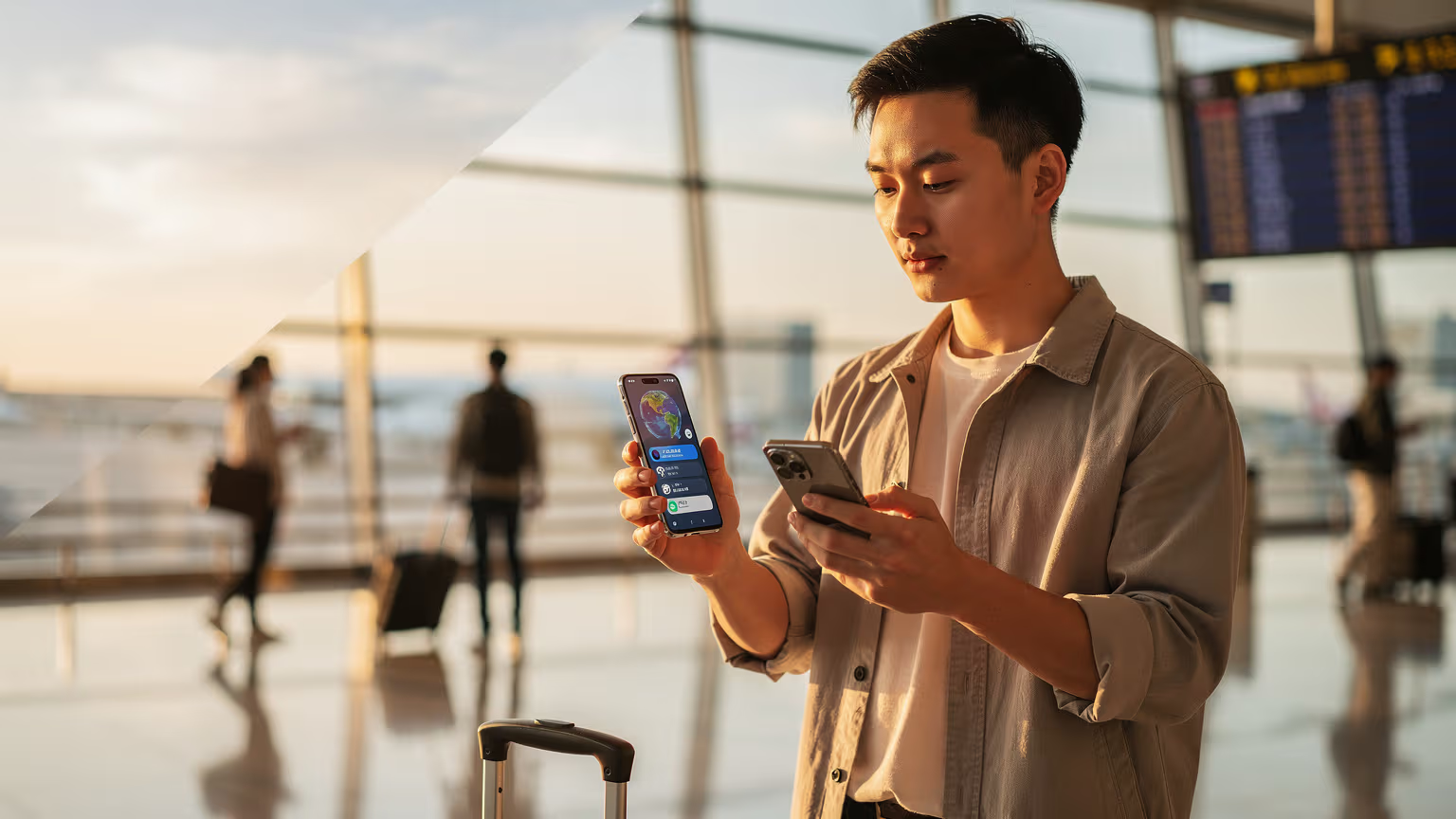
Travellers reached those bookings through named agent tools: Alibaba’s Fliggy runs its AskMe assistant, and Trip.com runs TripGenie, both building itineraries and completing bookings inside a chat. The infrastructure was battle-tested earlier in the year, when Alibaba’s Qwen assistant autonomously processed 200 million orders and ByteDance’s Doubao assistant crossed 100 million daily active users at Spring Festival. Golden Week ran that system at full national scale.
How do China's AI travel agents decide what to recommend?
They pull from different data universes, so being visible in one agent does not put you in the other. ByteDance’s Doubao draws travel recommendations mostly from Douyin (China’s TikTok) and Toutiao (its news app); Alibaba’s Qwen draws from online-travel-agency (OTA) inventory and a broader content index.
The gap is measurable. Per QuestMobile’s Q1 2026 report, Doubao sources 97.7% of its destination recommendations, 84.5% of travel-strategy answers, and 98.5% of travel tips from Douyin and Toutiao. Qwen, by contrast, has built structured travel partnerships, integrating more than 100 travel brands into its agent layer, including Legoland Shanghai and Singapore Airlines (Alibaba, April 2026).
Why are global brands invisible to China's AI travel agents — and how do you fix it?
Most brands are invisible because their data is not structured for an agent to retrieve, and because they sit in the wrong pool. Presence in one ecosystem buys nothing in the others; structure within each is what gets a brand surfaced. Three fixes to run before the next holiday window:
- OTA listing audit. Verify your brand on Fliggy, Meituan, and Tongcheng is coded for agent retrieval: real-time availability, dynamic pricing, and voucher eligibility, all clearly structured. If an agent cannot read it, it will not recommend it.
- Douyin content as distribution. Content frequency and geo-tagging on Douyin directly decide whether Doubao surfaces you. Treat it as distribution infrastructure, not creative output.
- Voucher eligibility. China’s Ministry of Culture and Tourism deployed roughly US$410 million in Golden Week vouchers, increasingly applied by AI agents at the point of purchase rather than on static coupon pages. Confirm your brand qualifies before the next window, because eligibility now influences recommendation ranking.
The audit that matters maps the pipeline end to end: which agent surfaces you, under which query type, and from which content or inventory source. A brand can spend heavily on one platform and remain invisible on the rail that actually books the trip.
For what’s next in China’s AI economy, follow Ashley on Substack.
What's next
FAQ About AI Travel Planning in China
How many trips did China take during Golden Week 2026?
About 1.52 billion, a record, with lower-tier cities leading spending growth at 25% for the first time (official tourism data, 2026).
What AI apps do Chinese travellers use to plan trips?
Mainly ByteDance’s Doubao, Alibaba’s Qwen, and Meituan’s Xiaotuan assistant, plus travel-app agents like Fliggy’s AskMe and Trip.com’s TripGenie. Many also research destinations on Xiaohongshu (RED) before booking.
Doubao vs Qwen for travel — what's the difference?
Doubao draws most travel recommendations from Douyin and Toutiao content (97.7–98.5% per QuestMobile, Q1 2026), while Qwen draws from OTA inventory and 100+ integrated travel brands. Xiaohongshu (RED) is a separate discovery pool feeding neither directly. Being visible in one does not make you visible in the others.
How can a brand appear in China's AI travel recommendations?
Structure your listings for agent retrieval (real-time availability, dynamic pricing, voucher eligibility), keep Douyin content frequent and geo-tagged, and confirm voucher eligibility. Which agent surfaces you depends on which content or inventory pool you are in.