TL;DR:
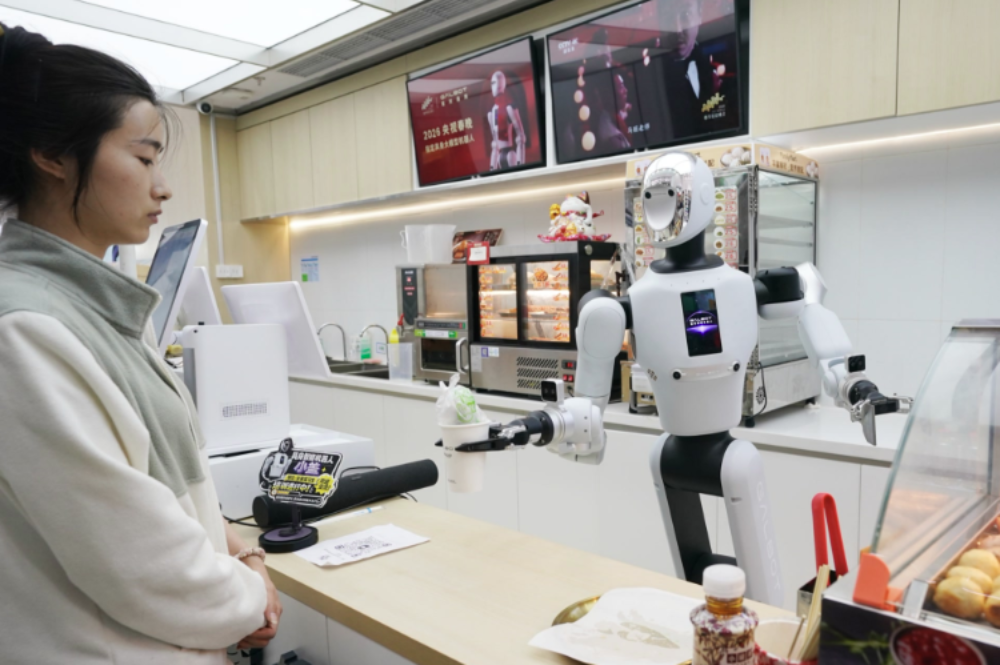
AI shopping, or agentic commerce, is when an AI assistant finds, compares, and buys on the shopper’s behalf instead of returning a list of links. China is furthest ahead, because it builds AI into apps a billion people already use, from Alibaba’s Qwen to ByteDance’s Doubao. This guide explains what AI shopping is and how big it’s getting, then breaks down five shifts through five deep dives for global brands.
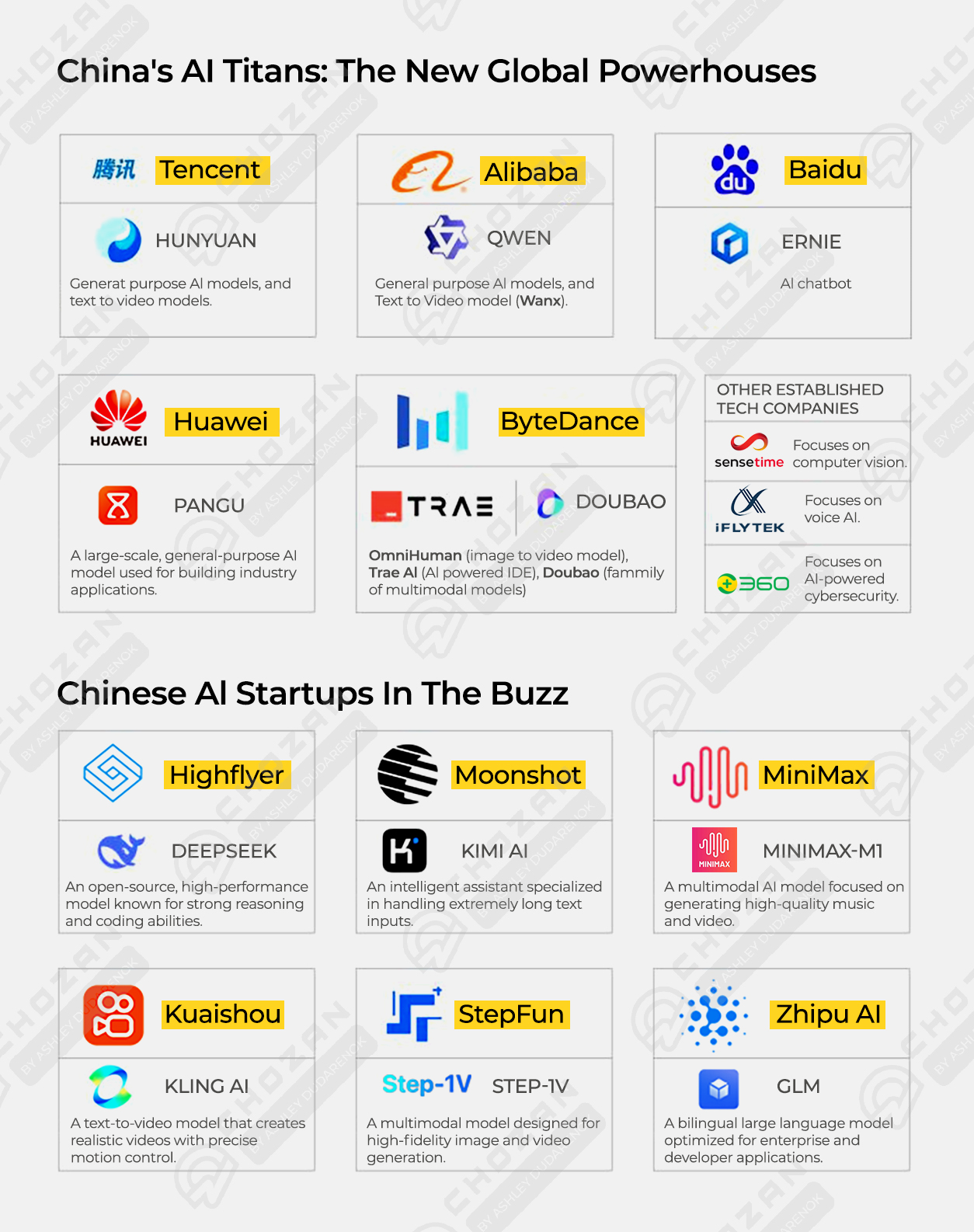
China’s AI landscape at a glance: the giants and startups (Read More: Top 25 Chinese Tech Innovators) behind models like Qwen, DeepSeek, Doubao, and GLM. Source: ChoZan.
Shopping in China increasingly starts with a conversation, not a search box. A shopper describes what they want, and an AI assistant finds it, compares options, pays, and arranges delivery in one chat.That shift, often called AI shopping or agentic commerce, is moving faster in China than anywhere else, because the AI is built into the super-apps people already live in. This guide covers what AI shopping is, how big the trend is getting, and the five biggest shifts, each with a full deep dive: how the US and China differ, how agents pick products, how AI is changing travel, why China’s AI is free, and whether AI can actually revive consumer spending.
Explore the 5 Key Shifts in China AI Commerce
What is AI shopping, or agentic commerce?
AI shopping is when an AI agent completes the buying journey for you, rather than handing you a page of results to sort through yourself. You give it a goal, a budget, a taste, a deadline, and it searches, compares, checks reviews, pays, and books, then reports back. The older model was search-and-click. The new one is describe-and-done.
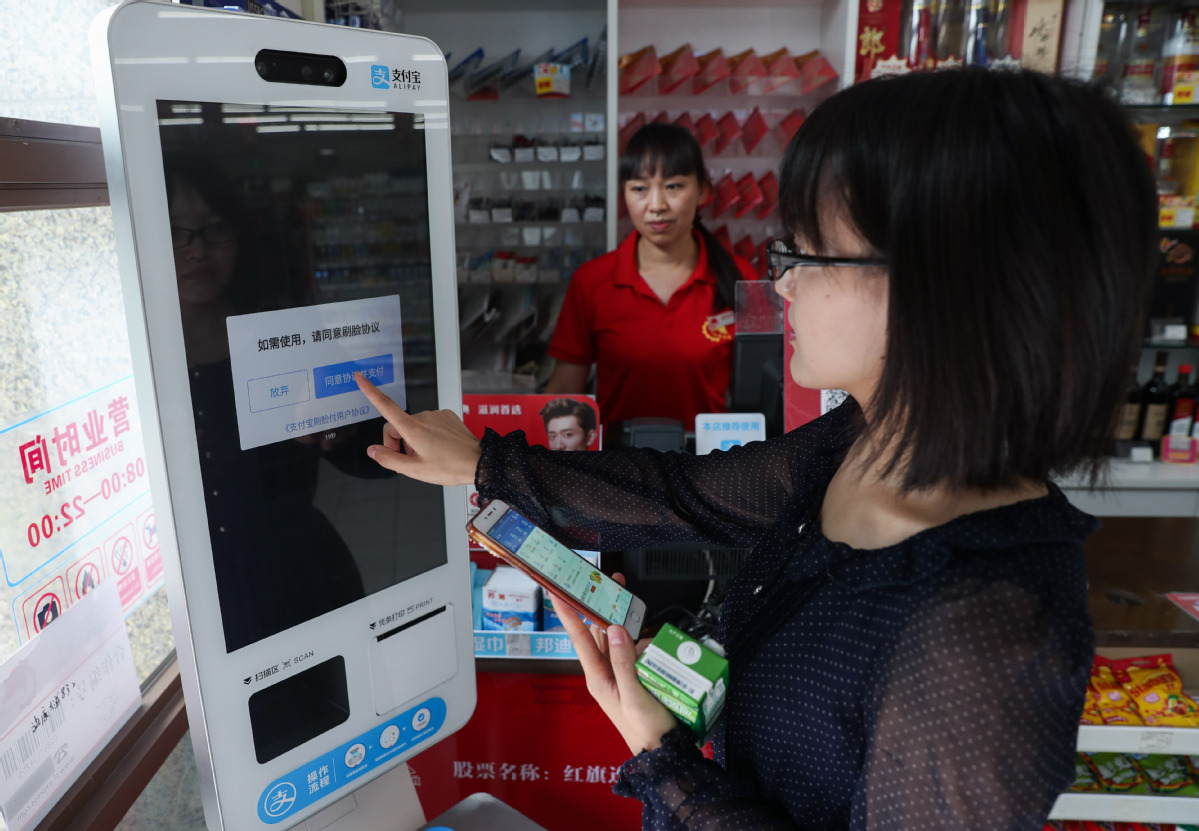
In China this runs inside apps people already use daily. Alibaba’s Qwen assistant connects to the Taobao marketplace, Alipay payments, and Cainiao logistics, so it can order, pay, and arrange delivery without leaving the chat. On 15 January 2026, Qwen ordered, paid for, and delivered 40 bubble teas live on stage. That is agentic commerce in one sentence.
How big is the AI shopping trend and market?
Large and moving fast, on the buyer side and the business side. Analysts estimate agentic commerce could move US$3–5 trillion globally by 2030 (McKinsey, 2025), and Gartner expects 90% of B2B buying to run through AI agents by 2028, worth over US$15 trillion (Gartner, 2025). Adoption is already real: about 43% of US online shoppers use AI somewhere in the journey, and 76% say they want an AI shopping assistant (surveys via Yahoo Finance and Capital One Shopping, 2026).
China leads on live scale. Alibaba’s Qwen assistant has passed 300 million monthly shoppers, and Alipay cleared 120 million AI-agent transactions in a single week in February 2026. The market question for a brand is no longer whether AI shopping is coming. It is whether your products show up when an agent is the one deciding.
How do the US and China build AI shopping differently?
The US adds AI through partnerships, pairing a model company with a retailer and a payments layer: Google with Walmart, Amazon’s Rufus, OpenAI’s checkout. China builds AI inside billion-user super-apps, so the assistant completes the purchase instead of passing the shopper to another site. The operational gap runs 12 to 18 months.
When China's AI picks the product, is yours in the answer?
China’s 618 shopping festival grew just 4% in 2026 as discounts lost their pull, and the growth that held came from AI agents at the front of the store. When the agent, not the shopper, chooses what to surface, whether you get recommended depends on your product data, not your ad spend.
How is AI changing travel booking in China?
Over Golden Week 2026, AI-assisted trip planning rose more than 60% and Alibaba’s Fliggy saw agent bookings grow 800% quarter-on-quarter. Travellers open a chat, not a search box. The catch: ByteDance’s Doubao and Alibaba’s Qwen pull recommendations from different sources, so being visible to one does not put you in the other.

Why is China's commerce AI free, and what does that mean for you?
China’s leading models, Alibaba’s Qwen and DeepSeek, are open-source and nearly free to run, so AI gets deployed into almost every store, and every use makes the models better. That compounding flywheel is the advantage the West’s pay-per-query model struggles to copy. For a brand, the move is to build on the free foundation while keeping payments and hosting portable.
Can AI actually boost a consumer economy?
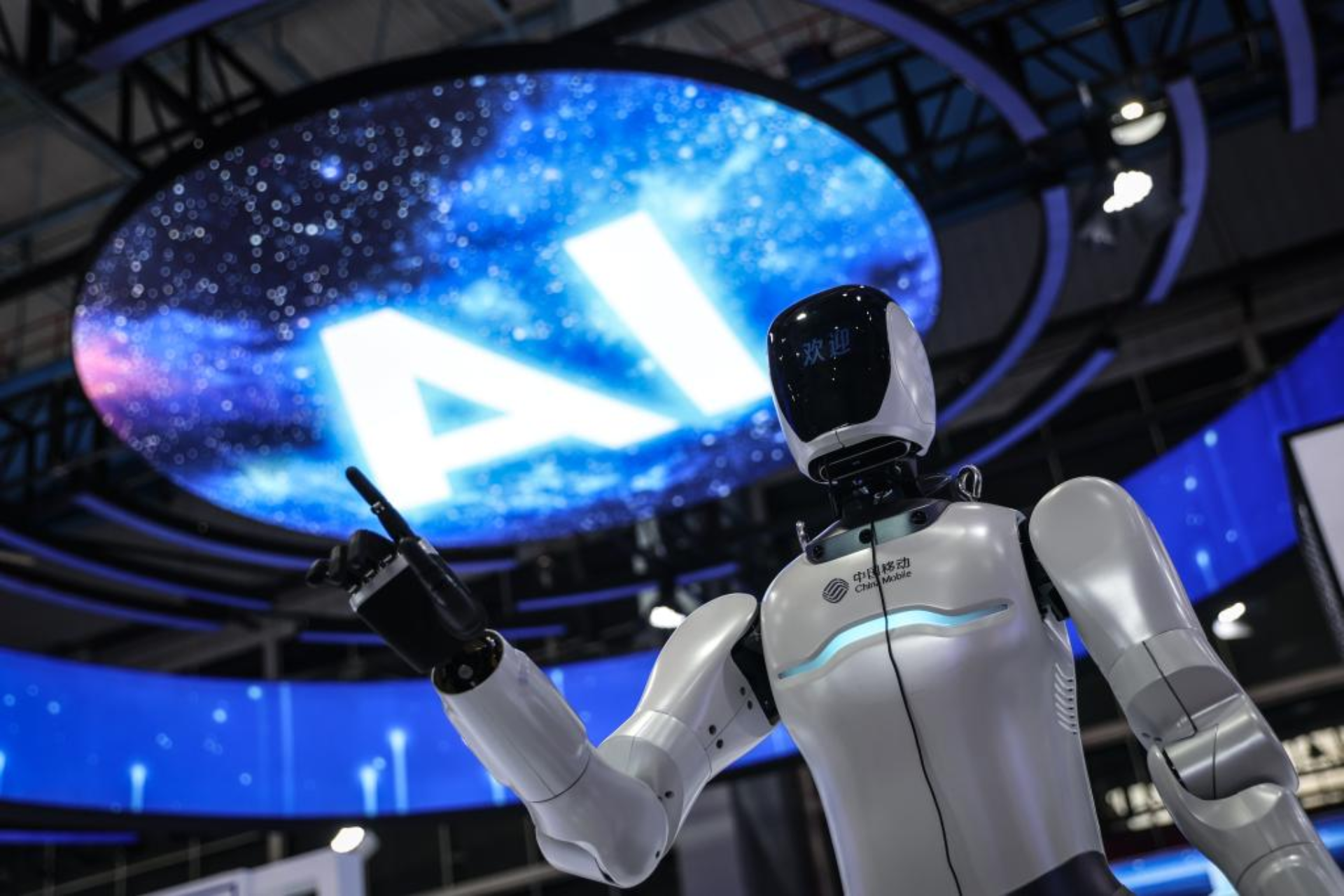
China is the world’s biggest test of this question, with a national “AI Plus” plan and AI wired into payments, delivery, and shopping. The honest read: AI is lifting the supply side and the buying experience, but it has not yet revived broad household spending. Use AI on friction and conversion; do not expect it to manufacture demand.
What does this mean for global brands?
The buyer you were designing for is increasingly an AI acting for the buyer. That changes the job. Visibility shifts from ads and keywords to being the product an agent can read, trust, and recommend. Cost shifts as the underlying models get cheap and open. And demand does not appear just because the interface is smart, so AI belongs where it lifts conversion on intent you already have. The brands that do well in China’s AI commerce are the ones that make their product data clean and machine-readable, deploy AI at the point of decision, and read their own demand honestly. The same playbook travels to any market where agents start doing the shopping.
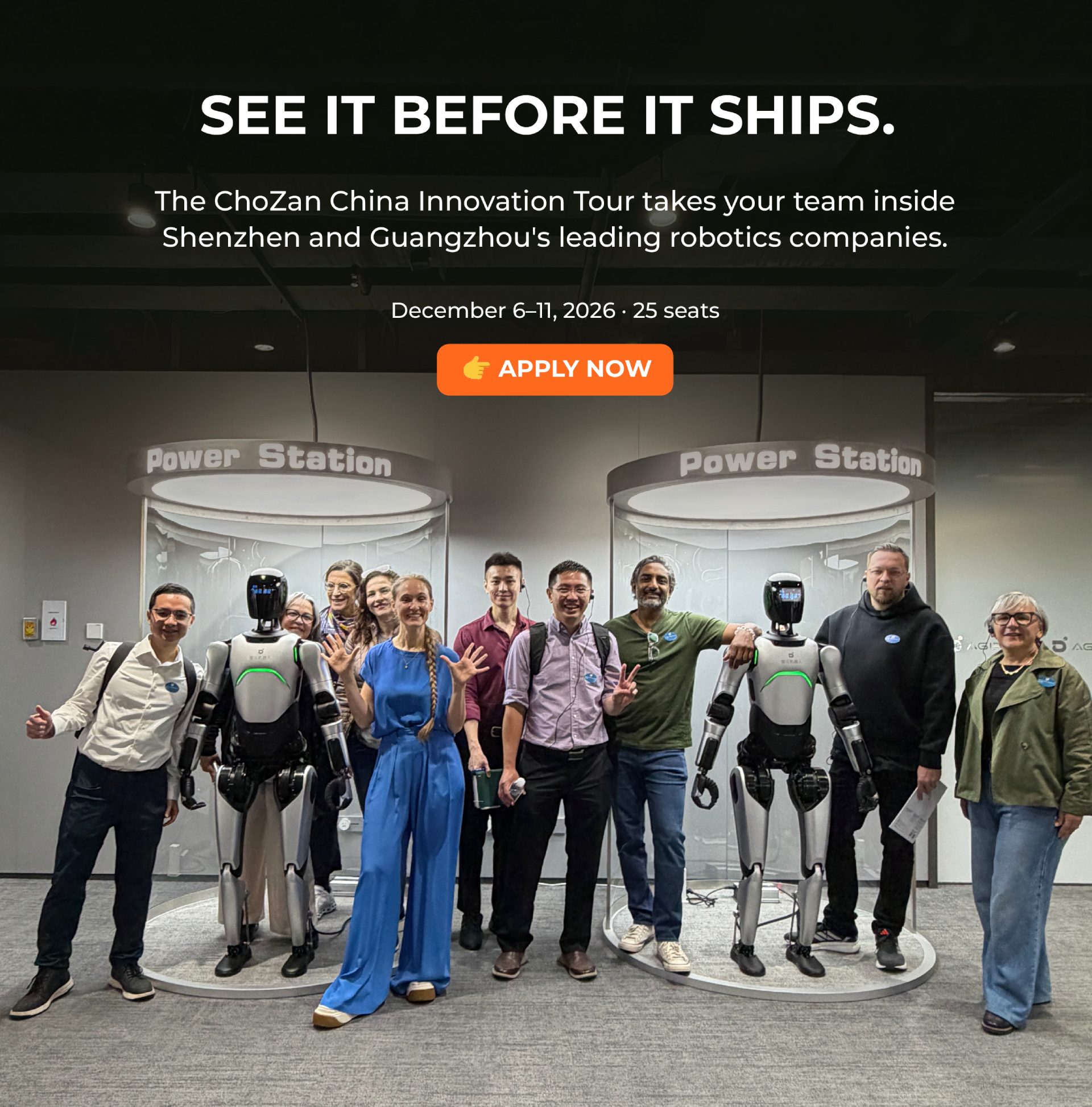
Want to see how China’s AI commerce works on the ground? Explore our China Innovation Tour, or talk to our team about what it means for your brand.
FAQ About China AI Commerce
What is AI shopping?
AI shopping, or agentic commerce, is when an AI assistant finds, compares, pays for, and arranges a purchase on the shopper’s behalf, instead of returning a list of links to sort through. In China it runs inside super-apps like Taobao and Douyin, so the whole journey happens in one chat.
What is the AI shopping trend in China?
Chinese shoppers increasingly start with a conversation, not a search. Assistants like Alibaba’s Qwen and ByteDance’s Doubao handle discovery, payment, and delivery in one flow, and agents now drive the growth that discounts used to.
How big is the AI shopping market?
Agentic commerce could move US$3–5 trillion globally by 2030 (McKinsey, 2025), and Gartner expects 90% of B2B buying to run through AI agents by 2028, worth over US$15 trillion. China leads on live scale, with Alibaba’s Qwen assistant past 300 million monthly shoppers.
Why is China ahead in AI shopping?
Because China builds AI into apps a billion people already use, so the assistant can complete the purchase end to end, while the US mostly adds AI through partnerships between separate companies. See the US-vs-China deep dive above.
Sources: Alibaba (2026) · McKinsey (2025) · Gartner (2025) · Yahoo Finance / Capital One Shopping surveys (2026) · QuestMobile (2026) · Syntun (2026) · ChoZan analysis.