
CONTENT

The 2026 robotics market is moving beyond spectacle into daily usefulness. In that context, the Loona robot matters because KEYi Tech is approaching robotics from the home first rather than the factory floor.
The ChoZan robotics report identifies KEYi Robotics in Beijing as the company behind Loona AI Companion Robot, with a focus on home interaction, emotional response, app control, CES 2026 visibility, and commercial availability.
The larger question is not how much labor a small robot companion can replace today. The sharper question is how quickly people can build trust with a physical AI presence inside their home. That is where the Loona robot becomes strategically interesting. It turns companion AI into something people can see, hear, command, touch, and live with.
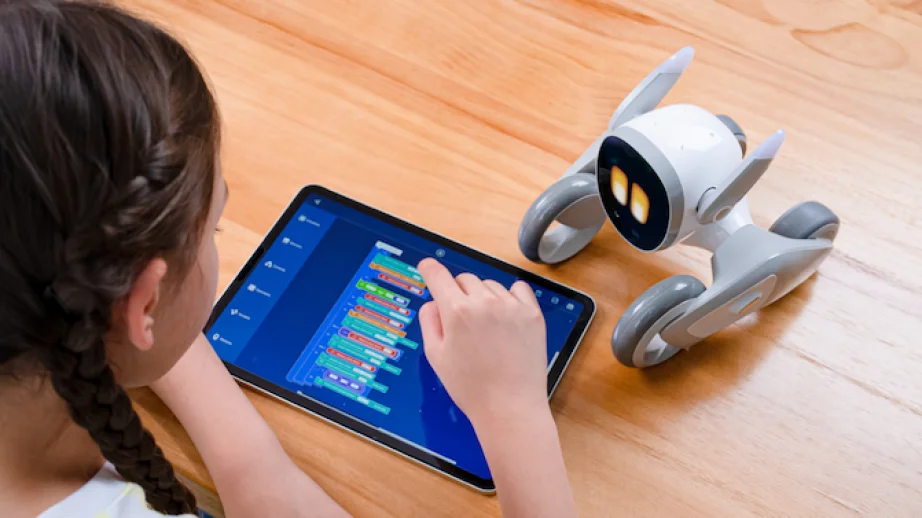
Loona robot sits in a practical gap between smart speakers and full humanoids. Smart speakers can answer questions, yet they lack body language and physical presence. Full humanoids promise richer assistance, yet most remain expensive, complex, and early in deployment. Loona petbot offers a more accessible bridge.
KEYi’s official site presents Loona as an interactive robotic friend for play, learning, and companionship. The company also frames its mission around intelligent agents that integrate into daily life, with the human-AI relationship moving toward coexistence.
That positioning matters for senior living technology. Many older adults do not need a robot that lifts boxes or runs across uneven ground. They need reminders, routine interaction, emotional comfort, and a familiar presence that feels approachable. A small AI companion robot can enter those environments with less fear than a full-size humanoid.
This is why the Loona robot deserves a serious executive reading. Its value comes from interaction frequency. If a person greets it in the morning, asks it questions, plays with it briefly, or checks a room through its app, KEYi gains a stronger behavior loop than many showroom robots ever receive.
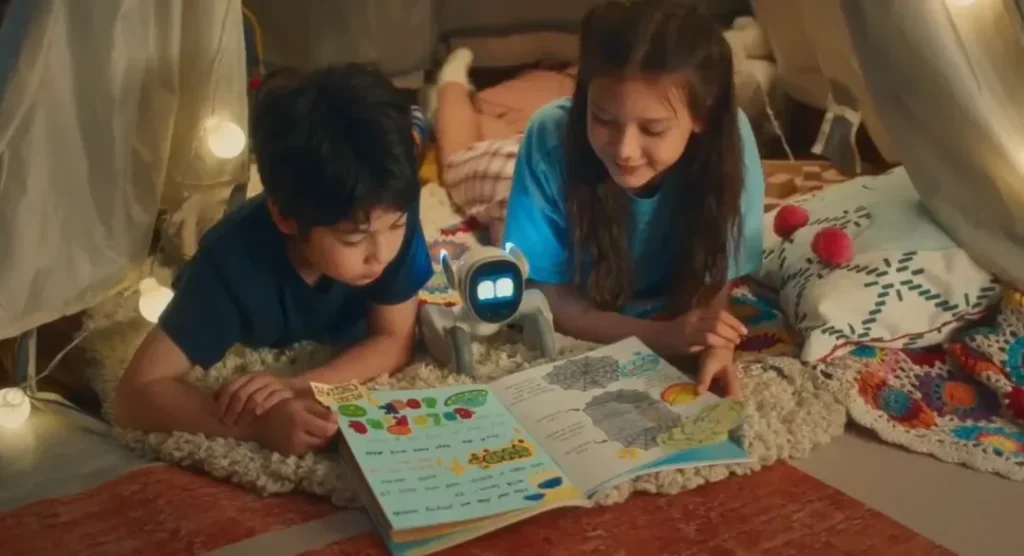
Keyi Tech already had a foundation before Loona, through ClicBot, its modular, programmable robotics platform. That background matters because ClicBot gave the company experience in education, modular interaction, developer-style play, and consumer-robotics packaging. Loona by KEYi Tech extends that logic into emotional companionship.
The KEYi robot portfolio now points toward a layered strategy. ClicBot supports programmable robotics. Loona pet robot supports interactive companionship. Loona DeskMate extends the same personality idea to the workplace. Together, these products show a company testing how social robotics can fit different human routines.
The March 2026 Loona update also shows that KEYi treats the product as a software-influenced platform. The company released Loona Petbot 1.0 updates for language support, voice interaction, and app stability, with Loona version 1.5.16 and app version 2.8.6 listed in the update.
That detail matters because companion robots cannot remain static toys. Their personality layer needs refinement. Their voice system must improve. Their app must stay dependable. For an adult companion robot, the product must feel reliable enough for daily use rather than merely an occasional novelty.
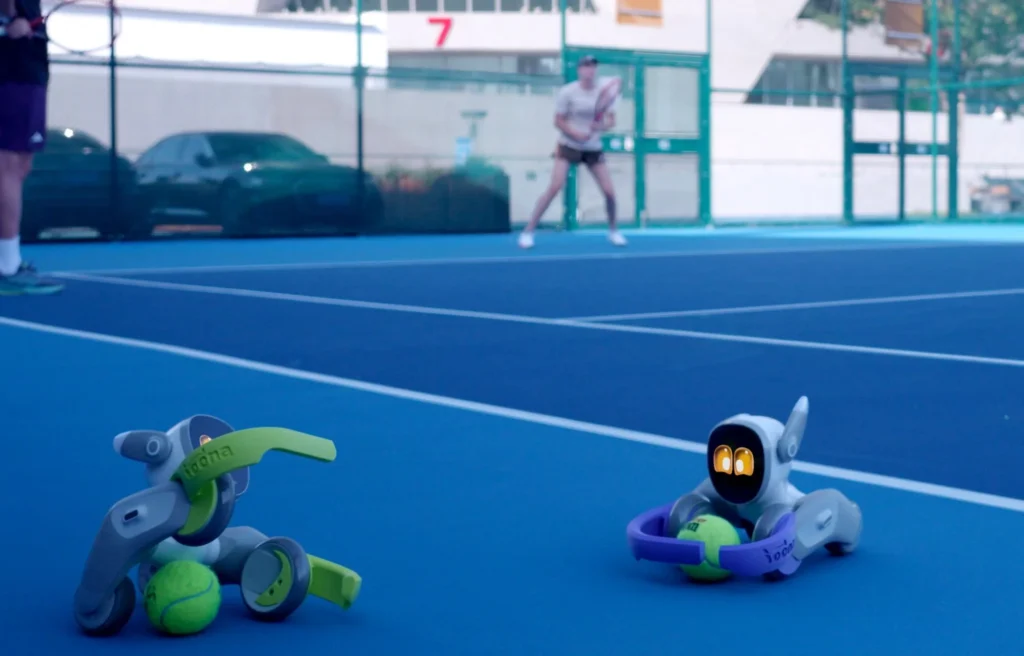
The clearest strength of the Loona robot is its expressive design. It has a wheeled, dog-like body, animated eyes and ears, and movement patterns that signal emotion. This makes the product easier to read than a screen-based assistant.
The official buying guide describes face recognition, voice commands, gesture response, digital eyes, expressive movement, a 3D camera, safety sensors, games, follow behavior, and self-charging through a dock. It also describes Loona as useful for kids and grown-ups, which supports the companion robot-for-adults angle when framed responsibly.
This design gives the Loona robot dog a stronger emotional interface than many cheaper robotic toys. A voice-only device can respond correctly yet still feel flat. Loona adds timing, motion, attention, and reaction. Those cues make the interaction feel more social.
For elder care, that difference matters. Many support tools fail because they feel clinical. A playful loona robot pet can lower the emotional barrier. It can sit in a room, move around, react to speech, and create small moments of engagement during the day.
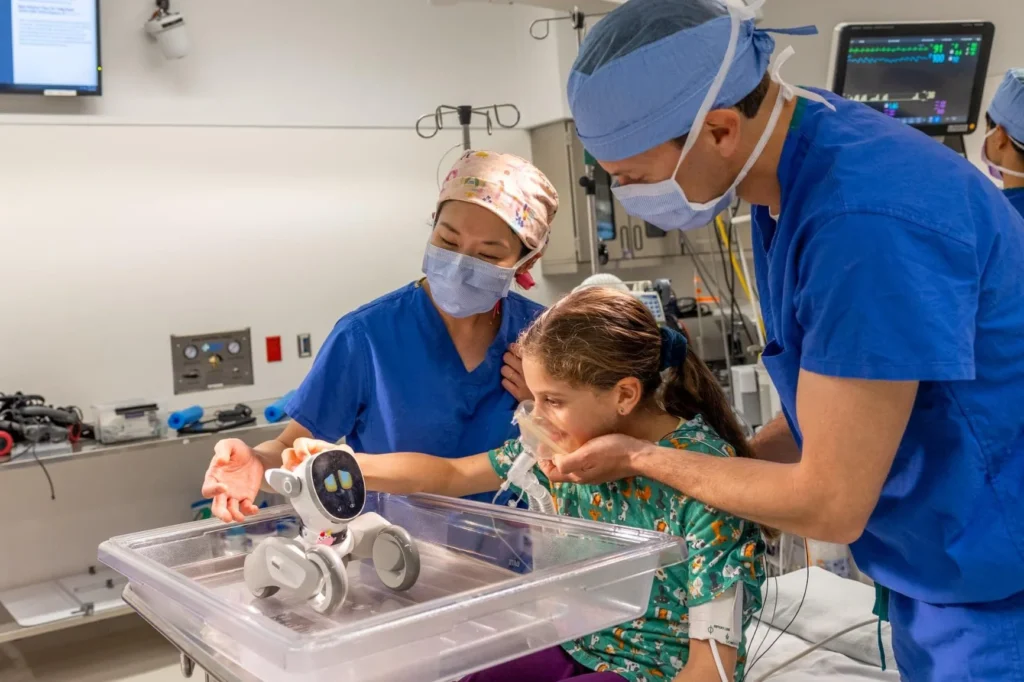
The strongest elder care use case for the Loona robot is companionship, not clinical care. It should not be positioned as a substitute for nursing, a medical monitor, or a mobility assistant. Its current value sits closer to emotional presence, routine engagement, and remote connection.
This matters because loneliness technology is becoming a serious category. Families, senior living operators, and care innovators increasingly look for tools that support connection without adding a heavy operational burden. An emotional support robot can create light interaction, social stimulation, and familiar presence in a way that feels less formal than a care device.
A strong AI companion for seniors must meet three conditions.
The Loona robot fits the first two conditions more naturally than many full-size machines.
The third condition depends on product maturity. Voice reliability, app stability, privacy controls, and family education will determine how well KEYi can evolve from a consumer gadget to serious senior-living technology.
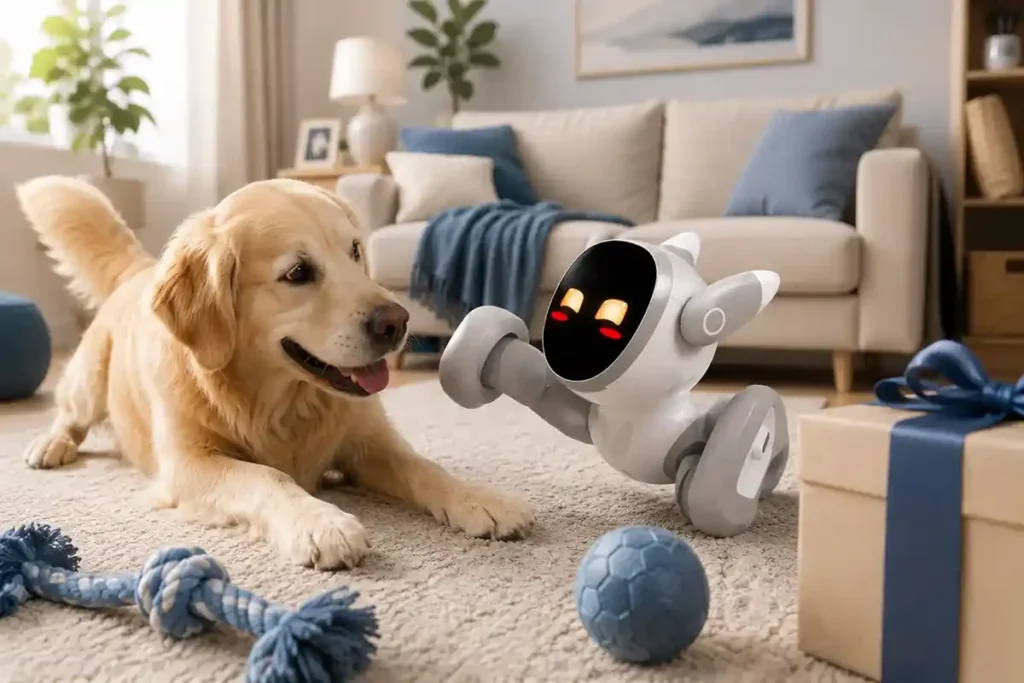
The real shift behind the Loona AI robot is the move from scripted interaction to conversational presence. A classic robot toy repeats commands. A modern AI companion robot can respond with more flexibility, answer questions, and support open-ended dialogue.
KEYi’s official ecosystem emphasizes Loona as a home companion, while its app listing describes mobile control, programming software, talent shows, games, and community interaction. The Google Play listing also shows that the Loona app was updated on March 16, 2026.
This matters because social robots rise or fall on repeat engagement. A robot that only performs tricks gets boring quickly. A robot that can converse, react, and evolve through updates has a stronger chance of becoming part of a daily routine.
For executives watching China’s consumer robotics, the point is clear. KEYi technology is not only selling hardware. It is building a personality layer around physical AI. That layer can later support education, office companionship, family interaction, and elder care.
Loona DeskMate shows how KEYi is taking the Loona personality system beyond the pet format.
At CES 2026, KEYi Tech presented DeskMate as an iPhone-powered desk companion that can handle
MacRumors reported that KEYi launched on Kickstarter in March 2026 at a price below $300.
This new direction for desktop robots matters because it shows that KEYi understands context. A family robot needs play and emotional warmth. A desk companion needs reminders, workflow support, and routine awareness. Both products share the same underlying idea: AI becomes more useful when it gains a body and a personality.
For the companion robot market, this is important. KEYi is not waiting for one perfect humanoid product. It is testing formats around household life, work routines, children, families, and adults. That gives Keyi Tech Loona a broader learning base than a single product line.
A desktop companion robot also helps normalize physical AI for adults. Many people may accept a small robot on a desk before they accept a humanoid in a kitchen. That adoption pathway could become commercially important.
Many robotics companies still sell a vision of the future. KEYi has already placed Loona in consumer homes. The official site features purchasing, shipping, warranty messaging, support, customer content, and blog updates. Its price guide lists the loona robot price at 499.90 dollars on KEYi’s official site, with accessories and taxes as extra considerations.
That price point gives the Loona robot a distinct market role compared to premium robotic pets and industrial machines. It is expensive enough to signal advanced functionality, yet low enough to reach families, enthusiasts, and early adopters. This sits well below many humanoid platforms.
A grounded Loona robot review should still acknowledge limitations. App reliability, voice recognition, connectivity, and privacy expectations matter. The Google Play listing shows verified ratings and user feedback, with some 2026 reviews raising concerns about app crashes and voice command reliability.
That does not weaken the strategic argument. It clarifies it. Companion AI will not win through charm alone. It must become dependable. KEYi’s March 2026 voice and app update suggests the company understands that product trust depends on software quality after purchase.
KEYi’s approach offers a useful lesson for leaders studying China’s consumer robotics. The future of robotics will not arrive only through industrial automation. It will also enter through small, emotionally resonant products that teach people how to live with AI.
The Loona Robot Dog format gives KEYi a lower-risk entry point. A small home robot faces fewer safety expectations than a full humanoid. It can gather feedback on interactions in real domestic settings. It can teach the company which behaviors create attachment, which commands fail, and which routines keep users engaged.
Learning can become a competitive asset. In robotics, trust is not abstract. Trust grows from repeated successful interaction. A person must feel that the robot hears them, responds correctly, behaves safely, and adds something to the room.
This is where social robots intersect with elder-care automation. The first wave may not automate physical care. It may automate moments of presence. For older adults, those moments can still matter. Companies create a path toward richer care support products later.
Loona shows how fast China’s robotics companies are moving from product demos into real consumer settings. ChoZan helps global leaders understand these shifts through China learning expeditions, innovation tours, custom research, executive briefings, and expert calls with people close to China’s technology ecosystem.
For teams tracking companion AI, robotics, smart retail, elder care technology, or China’s wider innovation landscape, ChoZan turns market noise into practical strategic insight.
Services include:
To understand what China’s robotics evolution means for your industry, connect with ChoZan and explore the companies, use cases, and business models shaping the next wave of intelligent technology.
Yes, the Loona robot needs WiFi for app connection, updates, remote features, and richer interactive functions. Basic movement may still work locally, but the best experience depends on stable home connectivity.
The Loona petbot uses the Loona app, which supports robot control, games, talent shows, connection guidance, and community features. Google Play lists the app as updated in March 2026.
A Loona robot dog works best in a tidy room with open floor space. Clutter, steep drop-offs, and blocked paths can create navigation problems during play or roaming.
No, the Loona robot should not be treated as a replacement for a real pet. KEYi describes Loona as an AI pet companion, but it lacks biological needs or true animal bonding.
The Loona robot camera should be treated like any smart camera inside the home. KEYi’s privacy guide advises buyers to review camera, microphone, storage, and security settings carefully.
The Loona robot can return to its dock when its battery runs low, according to KEYi’s product guidance. Some listings also mention USB Type-C charging and charging contacts on the dock.
Yes, children can enjoy the Loona pet robot, but adults should set simple rules. KEYi recommends clear roaming space and careful handling, since Loona is still a moving smart device.
KEYi’s 2025 FAQ says Loona can understand eight languages, including English, French, German, Spanish, Italian, Chinese, Japanese, and Korean. Buyers should check the current app settings before purchase.
Yes, the Loona AI robot supports app-based control and programming style features. The Loona app listing describes mobile control, robot connection guidance, games, and interactive application scenarios.
Before buying Loona by KEYi Tech, check seller reliability, return terms, warranty support, shipping costs, and regional app availability. KEYi’s own guide warns buyers to review marketplace sellers carefully.