
What can global retail leaders learn from China about consumer growth?
China offers useful lessons in making value clear, serving overlooked buying occasions and giving shoppers reasons to return. Global retailers can study these practices without planning to enter China. The task is to identify which customer needs are relevant at home and which operating conditions are different.
This guide connects China examples to decisions about pricing, product formats and stores. It also explains what a leadership team should investigate before adapting an idea to another market.
Key takeaways
Make value clear.
Explain what customers gain beyond a low price.
Design for the occasion.
A smaller format can open a new reason to buy.
Measure repeat demand.
Attention and membership totals are not enough.
Check the economics.
Decide what to test locally before committing to scale.
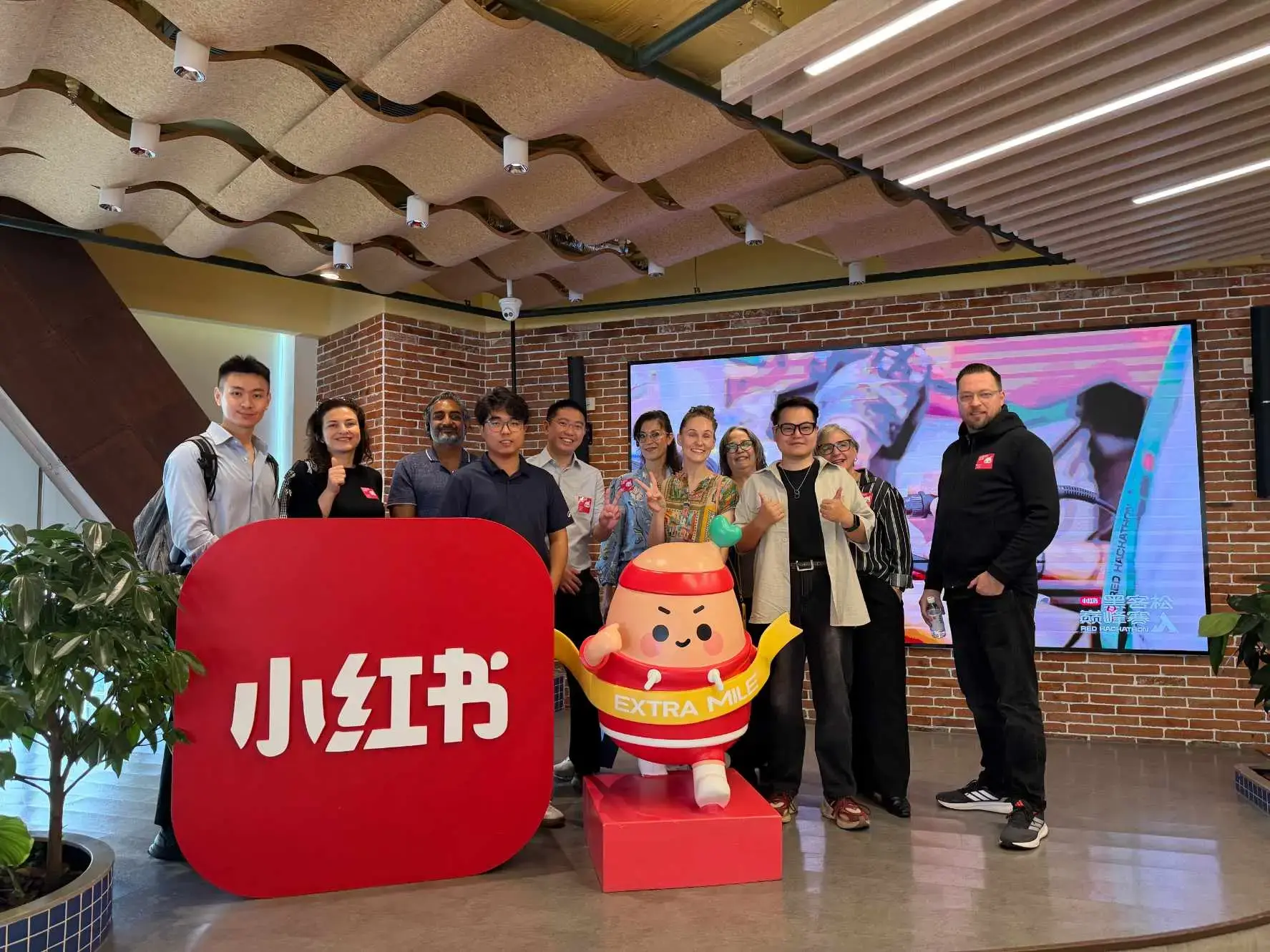
Turn these questions into firsthand learning. Explore our China Innovation Tour →
Previous company visit shown. Tour visits and access are subject to confirmation.
Explore consumer growth and retail innovation
Premium vs. Value: What Global Brands Can Learn from China
How can brands protect differentiation when consumers demand better value?
China’s Solo-Living Market: Lessons for New Consumption Occasions
How can brands find growth through changing lifestyles and new consumption occasions?
What Should Retail Leaders Investigate on a China Learning Expedition?
What should executives observe, compare and validate firsthand in China?
Which China Retail Lessons Can Global Brands Actually Transfer?
Which practices can travel, and which depend on China-specific conditions?
China’s Trade-In Programmes: New Demand or Earlier Purchases?
How can brands distinguish sustainable demand from purchases brought forward?
Where should retailers look for growth when demand slows?
Look at specific customer needs rather than the market average. Are shoppers buying less, changing where they shop, or rejecting what the current offer asks them to pay for?
China’s National Bureau of Statistics reported retail sales growth of 1.1% in January to August 2026. Among retail enterprises above the designated size, convenience-store sales grew 5.5%, while department-store sales fell 3.0%. These format figures cover a defined statistical population, not every retailer in China.
Each problem calls for a different response. A price cut will not fix an inconvenient portion size. A flagship store will not fix weak repeat demand.

Your dates. Your industry. Your cities.
Tell Jemma your preferred timing, industry focus and cities. Let’s discuss a tour built around your team.
Should brands compete on premium appeal or practical value?
Start with what the customer considers worth paying for. That could be better performance, convenience, enjoyment or identity. Premium pricing needs a clear reason; an affordable product still needs something that makes it worth choosing.
POP MART shows why value is not only about practical function. Its 2024 annual report recorded group revenue equivalent to approximately US$ 1.81 billion, up 106.9% in its reporting currency. It also reported a mainland China member repeat-purchase rate of 49.4%. The company defines this as members buying twice or more during 2024.
What this means for your business: identify why a customer would choose the product again without another discount. Test whether a new benefit improves repeat purchases and profit after the costs of serving those orders.
What the evidence does not prove: these results do not isolate the effect of collectibles, membership or a particular campaign. They are a reason to investigate the model, not a forecast for another category.
Observe how product presentation, price and service communicate value. Ask which benefits shoppers actually pay for.
How can brands grow through solo-consumption occasions?
Design for the moment of use before defining the demographic. Someone eating alone may live alone, travel for work or simply need a quick lunch. These are different customers with a shared need at that moment.
An April 2025 report on Quanjude described its Wangjing outlet’s focus on solo dining. Single-person portions accounted for 23.5% of roast-duck product sales at that outlet. This is a reported store-level result, not a national market estimate or a group-wide sales share.
What this means for your business: test whether a smaller pack, individual serving or flexible service makes an existing product useful in a new situation.
Check waste, packaging cost and profit per order. A smaller format may be easier to buy but more expensive to serve. Establish whether it creates an extra purchase or replaces a larger one.
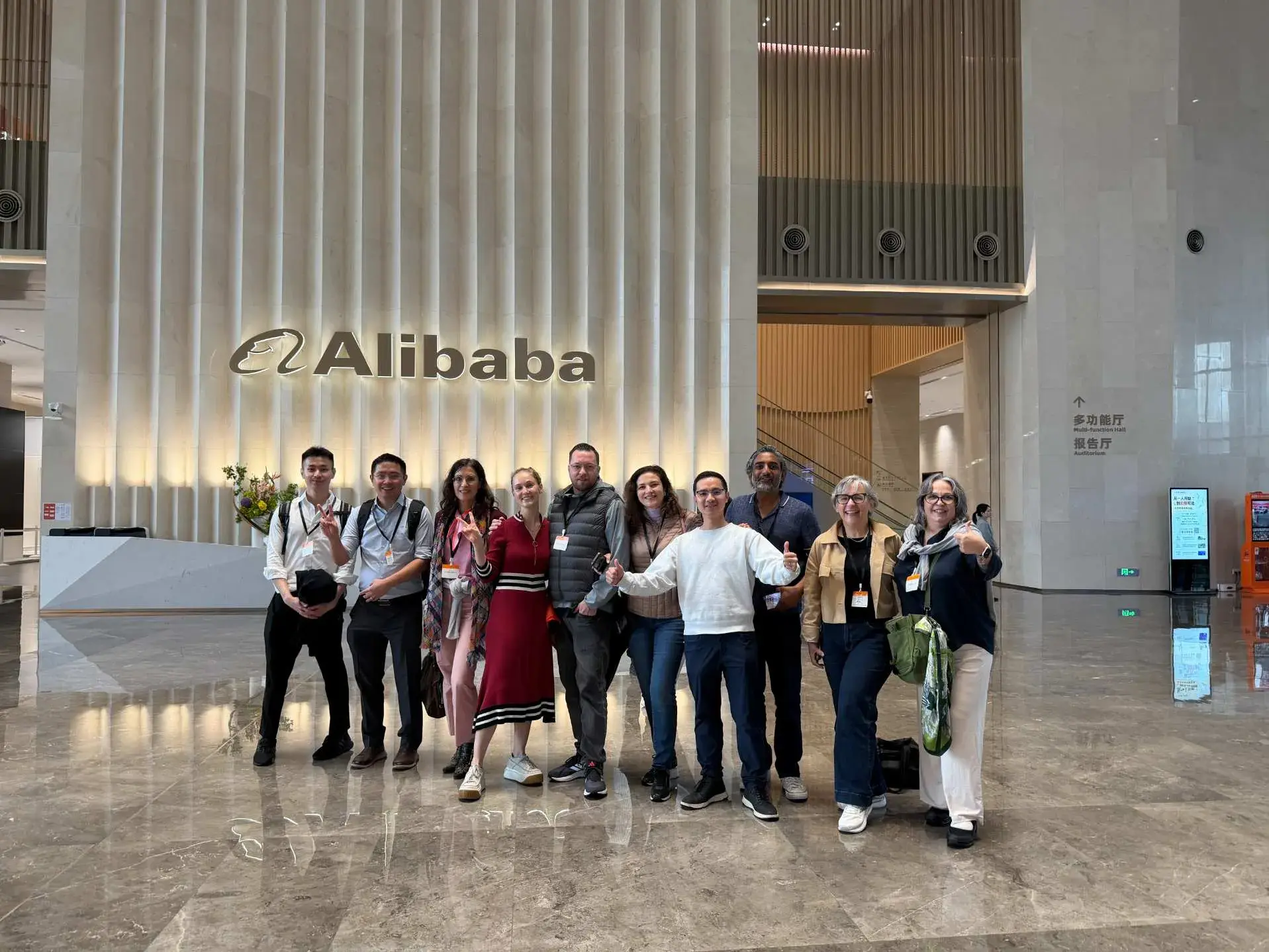
A group visit to Alibaba. Use firsthand observations to ask how an approach could fit your market.
See what makes a new occasion work.
Compare the portions, pricing and service behind buying for one. Bring your team’s growth question to China and investigate what could work in your own market.
How can stores give customers reasons to visit and return?
Give the store a clear job in the customer’s journey. It might help shoppers discover products, compare options, try something unfamiliar or get useful advice. Judge the result by purchasing behavior as well as attention.
MINISO is a useful case for studying affordable products with design and licensed characters. In the quarter ended June 2025, its mainland China MINISO-brand revenue grew 13.6% year on year. Sales value at comparable mainland stores grew at a low-single-digit rate.
Those measures answer different questions. Revenue across a store network is not the same as growth at existing stores. Neither figure proves that store design or a licensed character caused the increase.
What this means for your business: test one meaningful change, such as a product discovery area. Compare purchase conversion, profit per visitor and subsequent buying with a suitable baseline.
A store experience earns its investment when it improves the customer journey and the business results.
Which retail lessons from China can work in other markets?
Transfer the customer benefit, then check what it takes to deliver it. Local shopping habits, staffing costs, delivery networks and platform rules can change the economics.
Lesson
Make value clear
Check before adapting
Do local customers value the same benefit?
First test
Test one offer and its margin.
Lesson
Serve new occasions
Check before adapting
Does the need recur at a viable price?
First test
Trial one format or bundle.
Lesson
Improve discovery
Check before adapting
Does attention turn into purchases?
First test
Test one store area.
Lesson
Encourage repeat buying
Check before adapting
Do customers return without heavy discounts?
First test
Track one customer group over time.
Lesson
Assess incentive-led sales
Check before adapting
Does demand persist after support ends?
First test
Does demand persist after support ends?
For trade-in programs, higher sales during an incentive period do not prove lasting new demand. They also do not prove that all purchases were brought forward. Replacement cycles, timing and a credible comparison are needed to judge the effect.
What should retail executives investigate on a China learning expedition?
Bring a business decision, then identify the evidence that could change it. A useful visit helps your team understand both the customer experience and the work required to deliver it.
Question to investigate
What makes customers pay?
What to observe or ask
Product benefits, price differences and customer explanations.
Decision it informs
What to emphasize in the offer.
Question to investigate
Which buying occasions are underserved?
What to observe or ask
Who buys, when, in what quantity and through which channel.
Decision it informs
Which format or bundle to test.
Question to investigate
Why do customers return?
What to observe or ask
Service, product renewal and repeat-purchase evidence where available.
Decision it informs
What deserves retention investment.
Question to investigate
Can the model work at home?
What to observe or ask
Staffing, supply, technology, costs and local market dependencies.
Decision it informs
What to adopt, redesign or reject.
Public store visits can reveal customer journeys. They cannot establish supplier terms, profitability or internal retention figures. Those questions need reliable disclosures or appropriately arranged operator discussions.
Before the trip, agree how observations will become a local test. Assign an owner, a customer need and a success measure. Treat an idea that does not fit your market as a useful finding, too.
The most useful souvenir is a specific idea your team knows how to test.
Explore China’s retail market with a clear business question
Considering a China learning expedition? Explore ChoZan’s program and discuss what your team wants to understand about consumers, stores and retail innovation.
Frequently asked questions
Is this relevant if we are not entering China?
Yes. China provides examples of customer needs and retail responses. The purpose is to identify ideas that may be useful in your own market, not to assume you should expand into China.
Can we copy a successful Chinese retail model?
Start with one relevant element. Check the customer benefit, the capabilities it requires and the costs in your market before committing to a full model.
How should we prepare for a China learning visit?
Choose one priority question, write down your current view and identify the evidence that would change it. Use that brief to select relevant locations and discussions.
Sources: National Bureau of Statistics (September 2026) · POP MART Annual Report 2024 · Beijing Daily (April 2025) · MINISO (August 2025) · IRS exchange rates
US$ amounts are approximate conversions using the 2024 annual average exchange rate. Growth rates are company-reported.