CONTENT


At a Glance
Factory energy management connects meter readings with production activity and equipment controls. The aim is to find unusual energy use, make an operating change and check whether it worked.
ABB reports annual energy savings from several changes, while Haier reports a reduction in energy cost per unit. Neither figure shows what the software achieved on its own.
To assess each result, check its baseline and reporting period, alongside production output and other changes that could affect energy use or cost.
Industrial energy management combines metering, production data, equipment controls, and operating routines to reduce factory energy waste. In China, recent guidance links these functions to carbon accounting and coordination among industrial loads, renewable power, and storage.
The useful lesson is how factories turn measurements into operating changes. A dashboard earns its place when someone can trace an abnormal reading to a machine, explain the cause, and verify the result after intervention.
China’s industrial sector consumes about two-thirds of national energy, so factory-level measurement and reduction carry weight far beyond one plant. Industrial energy management in China now sits at the intersection of policy targets, software deployment, and hard operational savings.
What happens after a business collects the data?
Collecting energy readings is only the start. The harder work is deciding what to change and checking whether it made a difference.
ChoZan’s China Innovation Tour explores how Chinese businesses put technology to work across a wider range of settings. Explore the programme if your team is interested in the decisions and people behind technology adoption.
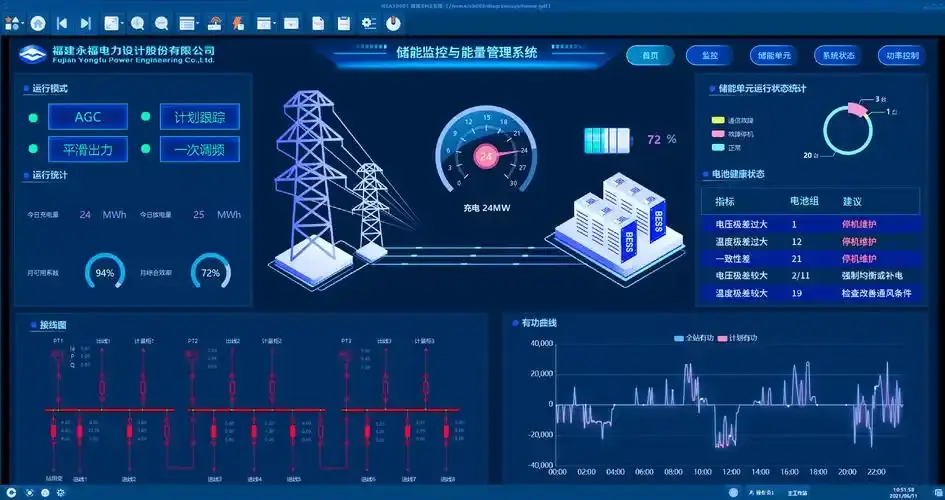
China’s Ministry of Industry and Information Technology (MIIT) published guidance for digital energy-carbon management centers on March 18, 2025. It describes consumption tracking, intensity calculations, benchmarking, energy-flow analysis, and traceable carbon records.
The significance is integration. One data foundation can inform equipment operation, cost allocation, and customer reporting, provided the calculations keep their boundaries correct.
This makes China a useful setting for studying industrial technology deployment. The guidance describes intended capabilities, while individual factories still need reliable instruments, integration work, and people who can act on the results.
A factory energy management system needs a measurement hierarchy that connects incoming supply with utilities, production processes, and output. Whole-site bills establish the total; submetering shows where to start investigating.
A 2026 industrial monitoring study describes an architecture connecting instruments and control systems with manufacturing execution systems, or MES, and enterprise applications. That connection gives energy readings production context.
Useful energy management monitoring should answer different questions at each level:
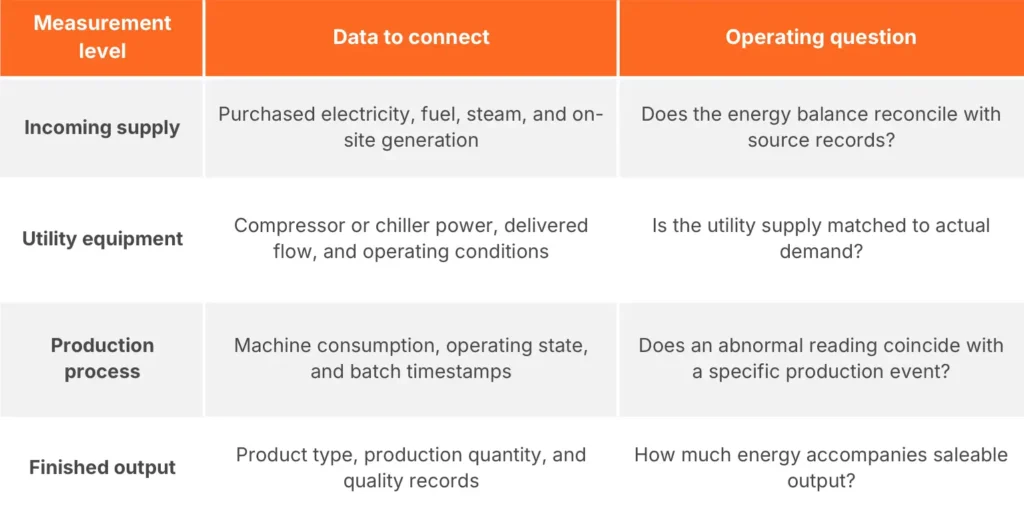
Teams should align timestamps and units before comparing systems. A production counter covering one shift cannot explain an energy total covering a different interval.
Data quality needs its own operating rules. Ask how the system handles a meter reset, an incorrect conversion factor, or a communications failure. Missing readings should remain visible, and reconstructed values should carry a flag. Otherwise, a smooth trend line can conceal an unreliable record.
MIIT’s 2025 technical guidance includes instrument calibration and a data-review mechanism. A useful commissioning test follows one reading from the physical meter through conversion, storage, and the final report. This exposes errors before the factory bases operating decisions on them.

An industrial energy management system should connect exceptions to approved responses. Treat an alert as a task with an owner, a diagnostic check, and a recorded outcome.
A production line drawing power after its scheduled shutdown warrants investigating idle equipment. A compressor control change needs pressure and supply checks. Cooling adjustments need temperature and product-quality limits.
These are engineering decisions. A model can recommend a setpoint; the plant must confirm that the change protects safety and delivery commitments. For automated control, define permitted operating ranges and a clear route back to the previous settings.
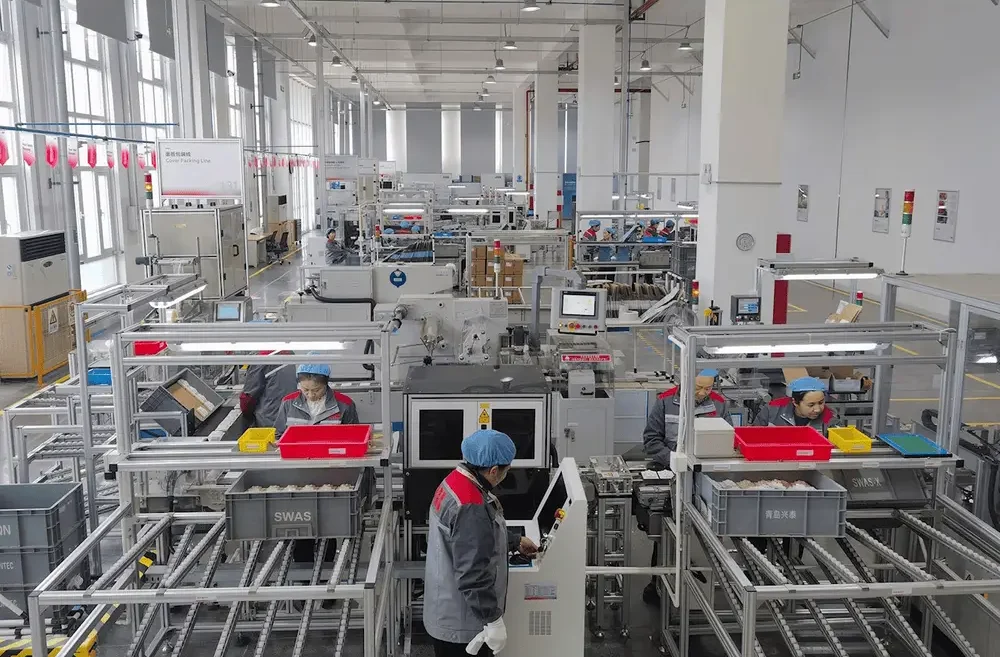
On March 4, 2026, ABB reported annual energy savings of 71 MWh at its Zibo factory. The company described LED lighting, occupancy-based air-conditioning adjustments, upgraded air-compressor controls, and an energy management platform.
The case connects digital visibility with specific equipment changes. However, the release does not separate the contribution of each measure or publish the calculation baseline. The figure represents ABB’s reported combined result, without establishing a software-only return.

Haier Smart Home’s August 2026 update reported a 10% reduction in energy cost per unit for the first half of 2026. It described a common platform for factory utility data, automated cost calculations, and terminal controls, alongside solar, storage, and time-shifting measures.
The disclosure discusses a global operating network, including a Thai manufacturing site. It does not identify the comparison baseline or isolate China-based factories in that figure.
Energy cost per unit differs from physical consumption per unit. Tariffs and operating schedules can affect the financial result. Preserve that distinction when translating a Chinese-language company announcement into a business benchmark.
What would your team need to verify an energy-saving claim?
The ABB and Haier examples show why a reported number is only a starting point. Meter records, production output and electricity costs can lead to different conclusions.
If your team is exploring China’s wider technology landscape, tell ChoZan what you hope to learn. The team can explain the programme’s scope and whether it suits your interests.
Evaluate industrial energy efficiency against an agreed boundary, an energy baseline, and a defined reporting period. Cascale’s Higg FEM 2025 reporting guidance distinguishes absolute consumption from normalized measures and calls for checks against invoices, meter records, and production data.
A lower monthly total may follow a fall in output. Energy intensity, such as kilowatt-hours per unit, adds context, but product mix and operating conditions can still distort comparisons. Select an adjustment method that reflects the process and document the variables before evaluating results.
Define the treatment of scrap and rework as well. A denominator based on all pieces produced can hide the energy cost of rejected output. Keep the chosen production measure consistent across the comparison.
Keep purchased electricity separate from total electricity consumed. On-site solar can reduce grid purchases while equipment demand remains unchanged. Similarly, load shifting can reduce charges without reducing kilowatt-hours.
This discipline makes comparisons of energy efficiency in manufacturing industries more useful: the evidence must show which outcome changed and how the team calculated it.
China’s industrial green microgrid guidance, published on January 9, 2026, connects generation, industrial loads, storage, and digital energy-carbon management. It includes power and price forecasting, along with production and energy scheduling.
The transferable design principle is joint planning. A dispatch plan needs to know which processes can move, how long they can wait, and which loads require uninterrupted supply.
In its January 2026 explanation, MIIT described industrial green microgrids as being at the pilot and demonstration stage, with technical and coordination challenges. Treat these projects as operating models to investigate. Their suitability depends on the receiving factory’s process, electricity arrangements, and reliability needs.
Before procurement, ask suppliers to demonstrate compatibility with the actual plant. Require a connection list covering existing equipment, an integration scope, and responsibility for maintaining each interface.
Data portability deserves equal attention. The buyer should be able to export readings, equipment identifiers, calculation definitions, and action histories. Otherwise, a platform change can make historical performance difficult to reconstruct.
The business case should include instrumentation, installation, calibration, integration, training, and ongoing maintenance alongside licensing. A cheaper subscription can still accompany a more expensive deployment.
Test the proposed workflow with a real operating exception before expanding the system. Confirm that the responsible team can diagnose it, approve a response, and retain the evidence. That is a practical acceptance test for the operating model behind the software.
Look at the decisions behind technology adoption

An energy dashboard has value when a team can act on its readings and verify the result. The same practical questions arise whenever a business introduces new technology: who uses it, what changes, and how is success measured?
ChoZan’s China Innovation Tour offers a broader view of technology in use through company visits and expert discussions. Explore the programme to see whether its themes match what your team wants to learn.
The schedule depends on metering gaps, equipment access, integration complexity, and commissioning requirements. Ask for separate milestones covering the data survey, installation, validation, and operational handover. A software activation date does not establish project completion.
Older equipment may require additional meters or gateways, depending on available interfaces. China’s 2025 guidance also allows manual entry where automatic collection is unavailable. Ask suppliers to identify those exceptions and explain their effect on data quality.
Choose deployment around network reliability, security policies, integration needs, and response times. Ask what continues operating during a connection failure, where records reside, and who maintains backups. Keep essential equipment controls within the plant’s approved control arrangements.
Assign one accountable site leader, with defined roles for engineering, production, maintenance, IT, and finance. The owner should resolve competing priorities and review completed actions. Finance should assess claimed financial benefits using agreed evidence and assumptions.
Assess AI against a specific forecasting or control problem. Begin with the required decision, available data, and a simpler comparison method. Request evidence that the model performs reliably under the factory’s operating conditions before approving wider use.
A rented factory needs access to relevant meters and a documented allocation method for shared utilities. Agree on landlord data access, tenant boundaries, billing intervals, and how to treat common equipment before comparing charges with measured consumption.
Factory readings contribute manufacturing data, but a product footprint also requires an appropriate lifecycle boundary and other relevant inputs. China’s 2025 guidance includes raw materials, transport, use, and end-of-life information in its product-footprint functionality.
Ask who can access operational data, change settings, and approve remote connections. Request documentation covering account permissions, network separation, backups, update responsibilities, and incident response. Agree on these responsibilities before connecting a platform to production systems.
A new line can change the relationship between output and energy use. Review the baseline after material operational changes and document any revision. Preserve earlier records so the team can explain differences between historical and current performance.
Specifications can be industry-specific. China published the recommended steel-factory energy-control standard GB/T 48186-2026 on August 28, 2026, with implementation scheduled for March 1, 2027. Check the sector, scope, and effective date before procurement.