CONTENT

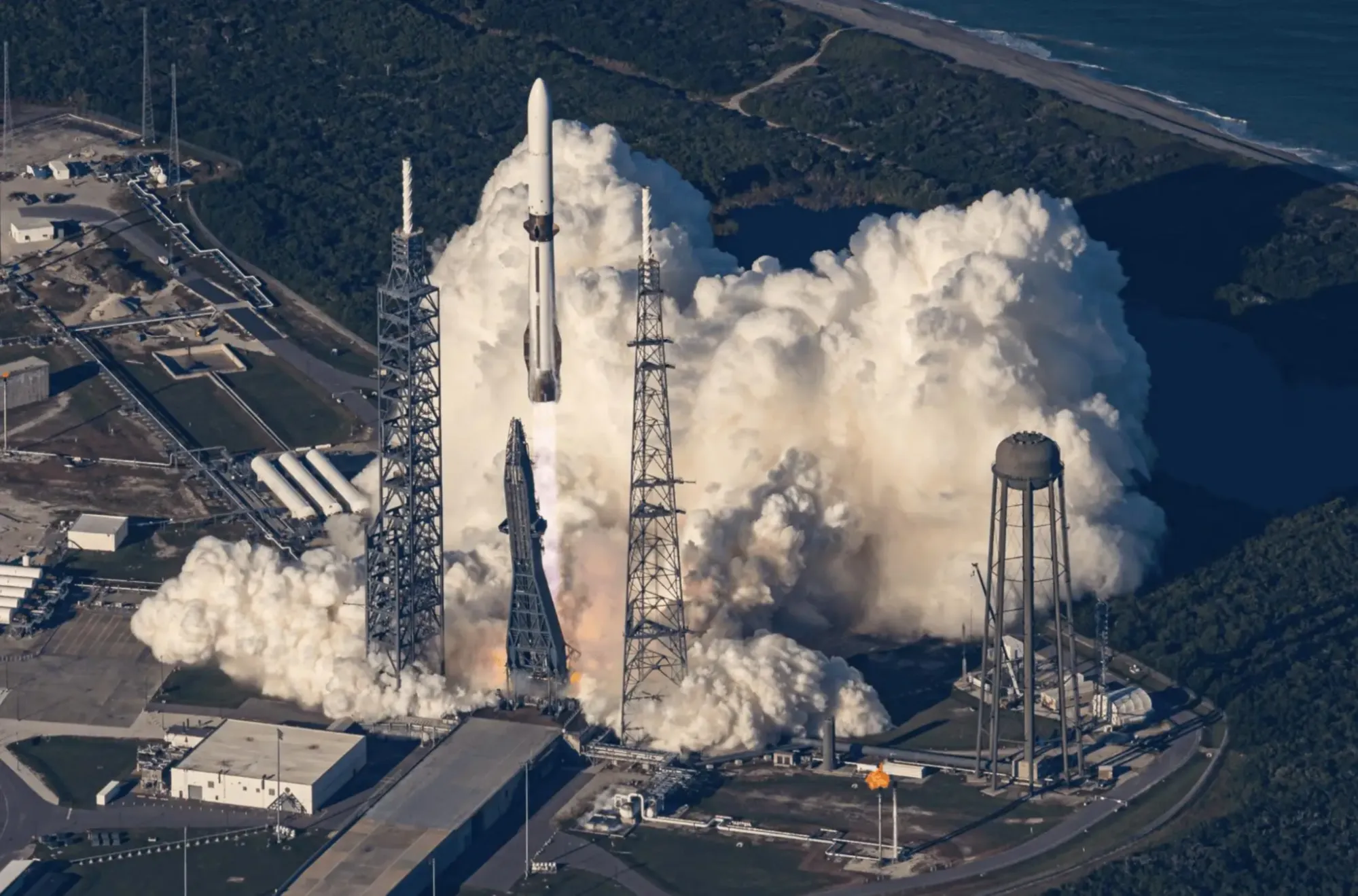
China reusable rockets have achieved first-stage recovery after orbital launches. State-owned China Aerospace Science and Technology Corporation, or CASC, and private company LandSpace demonstrated different recovery systems in 2026.
These milestones expand China’s technical capabilities, while repeat flights and dependable economics remain the commercial tests.
The stakes extend to satellite deployment. Launch availability affects when communications networks can expand, replace spacecraft, and begin earning revenue. A promising rocket therefore needs a dependable operating system: manufacturing, launch infrastructure, recovery crews, inspection, and paying customers.
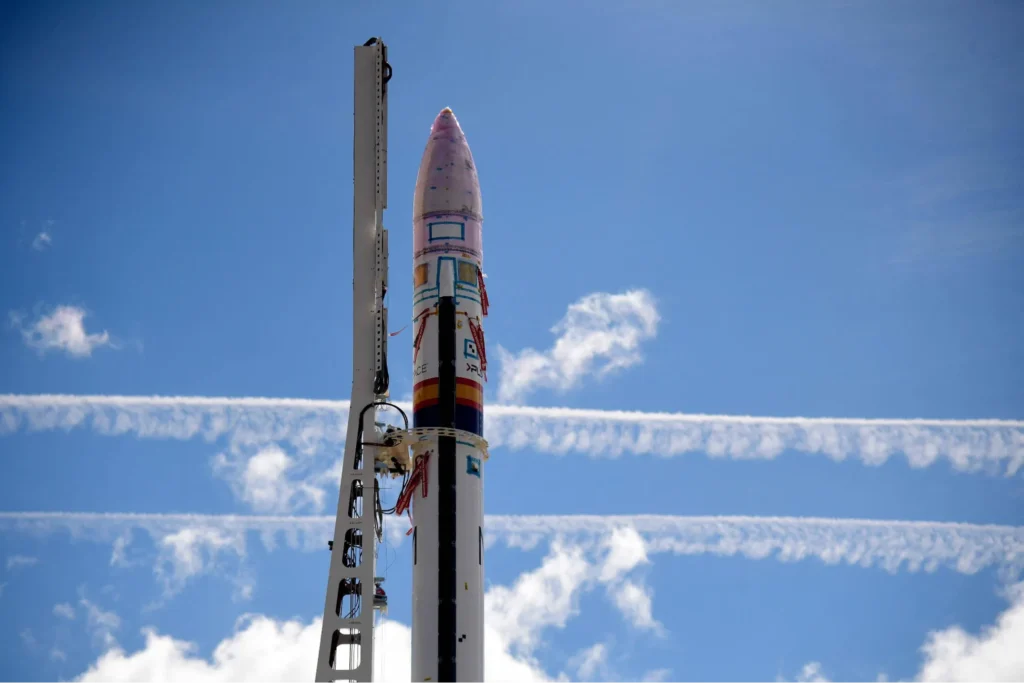
Chinese programs occupy different stages of development. An orbital debut establishes one capability; recovery establishes another. A reusable design target also needs a flight record.
| Rocket | Developer | Verified milestone | Meaning |
| Long March 10B | CASC’s China Academy of Launch Vehicle Technology | July 10, 2026: orbital launch and first-stage capture on a sea platform | Demonstrated sea recovery |
| Zhuque-3 Y2 | LandSpace | August 19, 2026: orbital launch and first-stage landing in Gansu | Demonstrated land recovery using landing legs |
| Long March 12A | Shanghai Academy of Spaceflight Technology | December 23, 2025: second stage reached orbit; first-stage recovery failed | Orbital flight succeeded; recovery remained a development task |
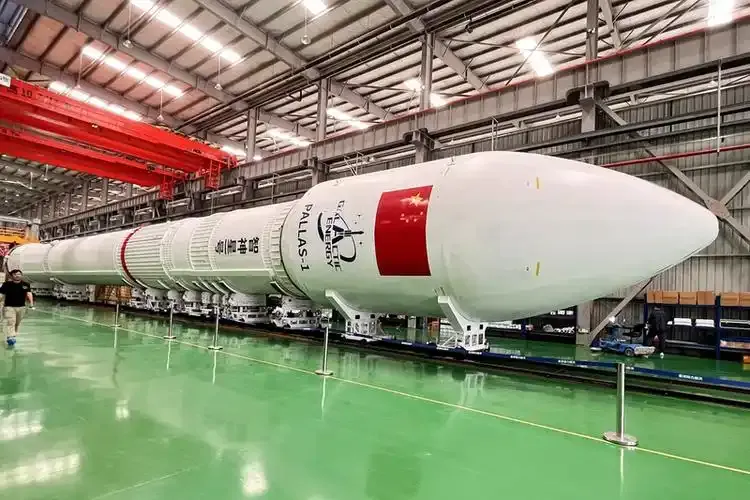
| Pallas-1 | Galactic Energy | September 1, 2026: first flight reached orbit | The company placed recovery validation in subsequent development steps |
One qualification matters. Spaceflight Now reported video of a post-landing fire on Zhuque-3. The touchdown alone cannot establish the recovered stage’s condition or readiness to fly again. CASC’s July announcement targeted booster reuse before year-end 2026; that timing remains a stated plan.
The two successful recovery approaches distribute engineering demands differently between the rocket and its supporting equipment.
Zhuque-3 combines liquid oxygen and methane propulsion with a mainly stainless-steel structure. Its return sequence includes attitude control, engine burns to reduce speed, aerodynamic guidance, and landing-leg deployment.
LandSpace’s August 2026 release describes specific changes after its first flight: fewer engines during landing ignition, revised return control, and stronger protection against reentry conditions. These details show how flight data changes the vehicle’s design. They also identify components and software that need validation before repeated operation.
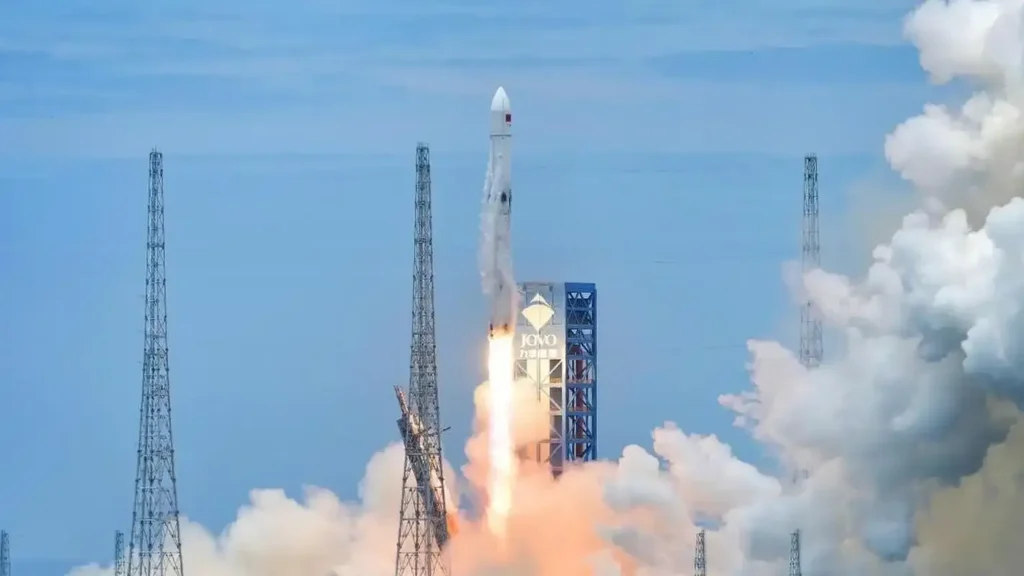
Long March 10B uses liquid oxygen and kerosene in its first stage, with liquid oxygen and methane in its second stage. Its recovery system captures the returning booster through a net on a maritime platform.
CASC reported successfully validating engine restarts, navigation, and sea-platform capture. This approach places recovery equipment offshore, creating operational requirements for platform positioning, maritime support, and stage handling.
The cost case for China reusable rockets depends on achieved reuse, refurbishment work, and customer demand. Manufacturer projections require careful interpretation.
In a December 2025 interview, LandSpace executive Zhang Yujiao projected that five reuses could reduce per-flight costs by about 45% against the first flight. The comparison uses the first flight as its baseline. It reflects a company forecast, not an achieved operating result or a customer discount.
A practical model should spread first-stage production costs across actual flights. It must then add upper-stage production, inspections, replacement parts, propellant, recovery logistics, and launch-site expenses. Development spending and factory overhead also need to be allocated.
The public releases reviewed do not establish an audited recurring cost or standard customer tariff for these recovered vehicles. A credible purchasing decision still requires a mission-specific quotation.
CNSA lists Long March 10B’s reusable-mode capacity at approximately 16 metric tons to a 200-kilometer low Earth orbit. That qualification belongs beside the number.
Any cost-per-kilogram comparison should match orbit, recovery mode, and the mass actually carried. A theoretical full rocket and a partially filled customer mission produce different economics. The quote should also identify integration charges and optional services.
Ground infrastructure determines how quickly vehicles can turn technical capability into commercial launch activity.
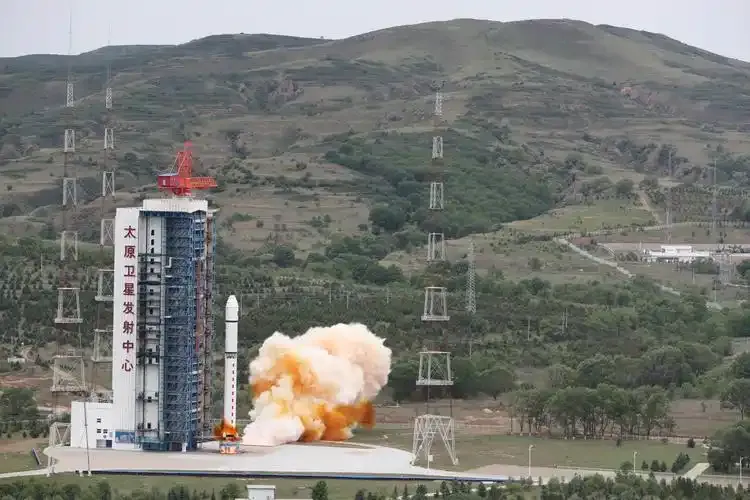
At Jiuquan’s Dongfeng commercial zone, Galactic Energy used its dedicated Pallas launch facility for the September 2026 debut. Its announcement also describes horizontal assembly, testing, and transport, showing how processing methods support the wider operating model.
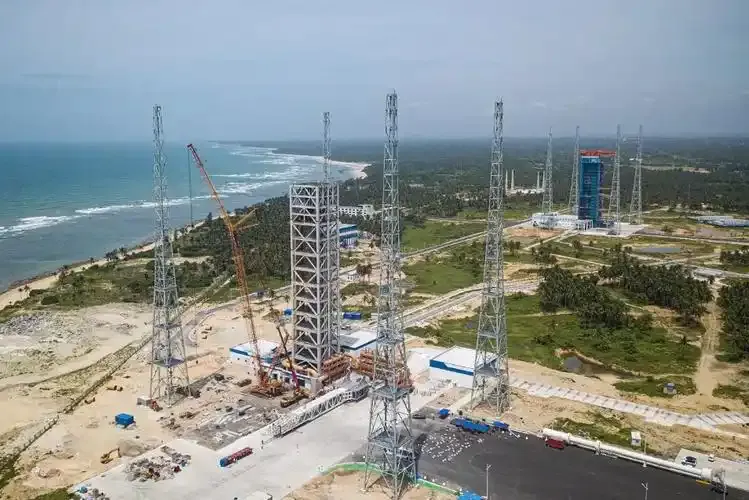
At Wenchang, the Hainan commercial launch site’s second phase entered integrated rehearsals on September 29, 2026. Two additional launch pads had completed their main construction, with operational capability targeted for later in the year. CASC’s September update clearly separates construction progress from operational readiness.
Those distinctions matter when evaluating launch cadence. A completed structure still needs tested fueling, tracking, control, and safety systems. Published expansion plans should therefore sit alongside completed missions and demonstrated turnaround times.
SpaceX provides a measurable operating benchmark. Its 2026 filing reports 165 Falcon 9 launches during 2025, including 157 launches with previously flown boosters. This record demonstrates reuse across a sustained schedule.
Chinese private launch firms also compete with state-owned developers for satellite customers. The meaningful commercial comparison includes dependable delivery, available mission slots, and the ability to support a constellation’s deployment schedule.
Ownership alone offers little guidance about a particular vehicle’s readiness. Launch service buyers need evidence for the exact rocket configuration they plan to purchase. A company’s successful flights with another model provide useful organizational experience, while each new vehicle still needs its own record.
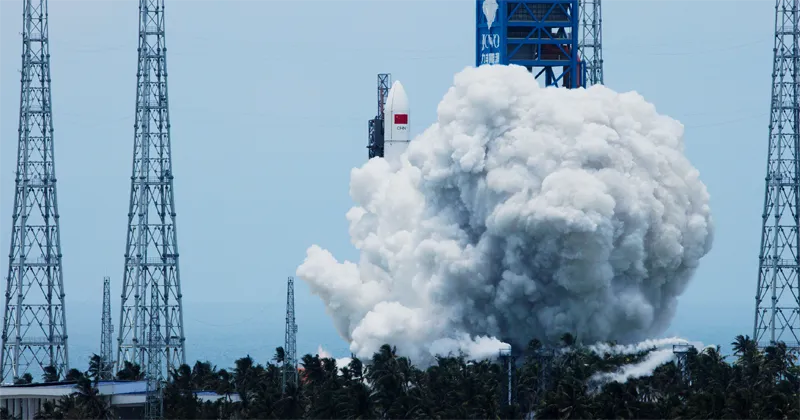
LandSpace’s August mission also tested a nonpyrotechnic satellite stacking, clamping, and release device. The company connected this experiment with future constellation deployment. That detail receives less attention than the booster landing in the English coverage reviewed.
The strategic implications extend beyond propulsion. Rocket manufacturing and satellite integration need compatible interfaces and repeatable procedures. Standardized handling could help reduce preparation work across successive batches, although the announcement provides no measured savings.
LandSpace also described its supplier network in the December 2025 interview. Vice President Zhang Jingru reported more than 600 suppliers across over 90 Chinese cities, with private businesses accounting for nearly 70%.
This dated snapshot illustrates the coordination behind a private rocket brand. A supplier assessment should examine production consistency, component traceability, and replacement-part availability alongside the finished launch vehicle.
A useful procurement brief specifies the vehicle configuration, target orbit, payload acceptance criteria, and delivery window. It should also request clear responsibility for spacecraft custody, integration changes, and mission reporting.
Payment milestones deserve equal attention. Ask the provider to explain which completed activities trigger payments, how schedule changes affect the agreement, and what replacement-launch options exist. These questions turn technical interest into a service assessment and reveal how much operational uncertainty the customer would carry.
China’s reusable rockets offer a useful case for studying how China develops complex industrial capabilities. ChoZan provides China research, expert calls, and tailored learning expeditions to help teams investigate market developments and their business implications.
Our reports and books add wider context on Chinese innovation. Contact ChoZan to discuss a research question or learning program aligned with your plans.
The recoveries discussed here concern first stages. They do not establish recovery of the entire launch vehicle. A claim of full reusability requires separate evidence covering the upper stage and other hardware included in that claim.
A reusable rocket provides launch propulsion, while a reusable spacecraft performs its own mission after launch. China’s February 2026 experimental spacecraft launch illustrates this distinction: the spacecraft traveled aboard a separate Long March 2F rocket.
A static fire test tests propulsion and associated ground systems while the rocket remains restrained. LandSpace’s June 2026 test checked rocket and launch-site compatibility. It supported launch preparations, while orbital flight and recovery required subsequent demonstrations.
Zhuque-2 and Zhuque-3 are separate rocket families. LandSpace reported a ten-satellite Zhuque-2E mission in October 2026. That mission belongs to the Zhuque-2 record; customers should examine Zhuque-3’s own flight history when assessing its readiness.
A payload fairing is the protective enclosure around a spacecraft during atmospheric ascent. It separates during flight. Customers should check its usable internal dimensions and environmental limits because spacecraft must fit and survive the launch conditions.
Yes. Booster recovery and satellite delivery involve different stages and success criteria. Customers should request confirmation of spacecraft separation, the delivered orbit, and spacecraft condition before treating a successful landing as evidence of a successful payload mission.
Environmental performance needs a vehicle-specific assessment. Ask for evidence covering manufacturing, propellant production, atmospheric emissions, recovery operations, and discarded hardware. A reuse count alone cannot establish the total environmental impact of a launch service.
A switch requires technical compatibility checks. The receiving provider must assess mechanical and electrical interfaces, separation hardware, vibration, acoustics, and mission requirements. Customers should request an integration review before assuming another rocket offers an interchangeable booking.
Weather can delay a reusable rocket. Mission-specific wind, lightning, and other environmental limits still apply. Customers should ask how launch and recovery conditions affect available windows, rescheduling arrangements, and how long their spacecraft may spend waiting to depart.
A vertical hop demonstrates selected ascent, control, and landing functions. It does not establish delivery of a payload to orbit. Readers should distinguish test vehicles from orbital missions and check which specific flight conditions each demonstration validated.