CONTENT

Sports and exercise have always played a prominent role in Chinese life. What are the newest sports marketing in China? Although it has traditionally taken a backseat to academics for many younger people, the mentality of staying active and exercising into old age stands in stark contrast to the approach in many Western countries. There, older people are expected to relax and many end up becoming more sedentary and feeble as they age.
In Asia, it’s common to see both old and young walking, hiking, line dancing in parks, and doing martial arts like tai chi and wushu. China’s connection with sports came to the fore in 2008 when the Summer Olympics were held in Beijing and has come back with full force recently due to the Beijing Winter Olympics.
China’s love affair with sports has taken on a new life in the past few years. This is partly down to COVID-19’s impact, which has made people all over the world focus on their health and increase their physical activity.
With the number of people in China showing great interest in sports, companies everywhere are either looking or have been tapping into this ever-growing market. But what exactly are the trends shown when it comes to sports marketing?
Let’s take a closer look!
China’s athleisure market has been on the rise long before the COVID-19 outbreak. The market saw an even bigger boom during lockdowns in China when a rising number of people started to see health as a priority. According to reports, the size of China’s activewear market within its overall apparel industry has grown from 8.8% in 2016 to 13.3% in 2020.
And while brands such as Nike and Adidas still remain popular among Chinese consumers, domestic athleisure companies are also emerging in popularity in China. This is especially true since the call for the boycott of these brands. According to reports, Anta Sports and Li-Ning are China’s leading domestic sportswear brands with 15.4% and 6.7% shares respectively of China’s sportswear and athleisure market.
One domestic athleisure brand in China that plans to take the world by storm is Junyi, a Chinese cross-border sports retailer. According to the company’s founder, Junyi is aiming to make affordable athleisure wear for the masses. The company has recently completed a 100 million yuan ($15.7 million) Series A financing round, led by CICC Capital and Blue Lake Capital.
Big Chinese sports brands have sponsorship deals with many of the world’s top athletes and teams. Basketball and football (soccer) play prominent roles as they’re hugely popular sports both domestically and internationally. Eileen Gu, a Chinese American-born athlete superstar, raked in more than 200 million yuan ($31.4 million) last year alone from brand endorsements, according to a report from CBN data.
In terms of football, Suning co-founder, Zhang Jindong, bought a 70% stake in the Italian club Inter Milan ensuring wide publicity and exposure for Suning at home and abroad. This was especially so as the club became Italian champions in 2021. Chinese tech companies also favor football sponsorships and Hisense, Alipay, Vivo, and TikTok had a prominent role as official Euro 2020 sponsors.
In general, athletes in China have a very positive image as they not only represent the country, but also represent the highest level of professionalism in their respective fields. For brands, this is a rare opportunity to tap into so many positive association links and topics.
With the profound shift to online marketing, e-commerce, and people engaging in fitness routines at home, there has been a shift to direct-to-consumer selling and marketing, digital workouts that can be done at home, online fitness communities, fitness apps, and fitness influencers with significant online reach beyond sports and events.
This includes non-Chinese fitness influencers, like Mandarin-speaking British fitness guru Tony Nicholson, who has built a strong reputation within the country. It also includes people like 营养师顾中, who is a health-related KOL with over 2,740,000 followers and provides knowledge and information about food and nutrition. Influencers with smaller audiences who promote health under the umbrella of lifestyle, body positivity, or travel are in this group as well. Bloggers who promote yoga, CrossFit, and martial arts may be well-placed as these are becoming more popular with some key consumer groups.
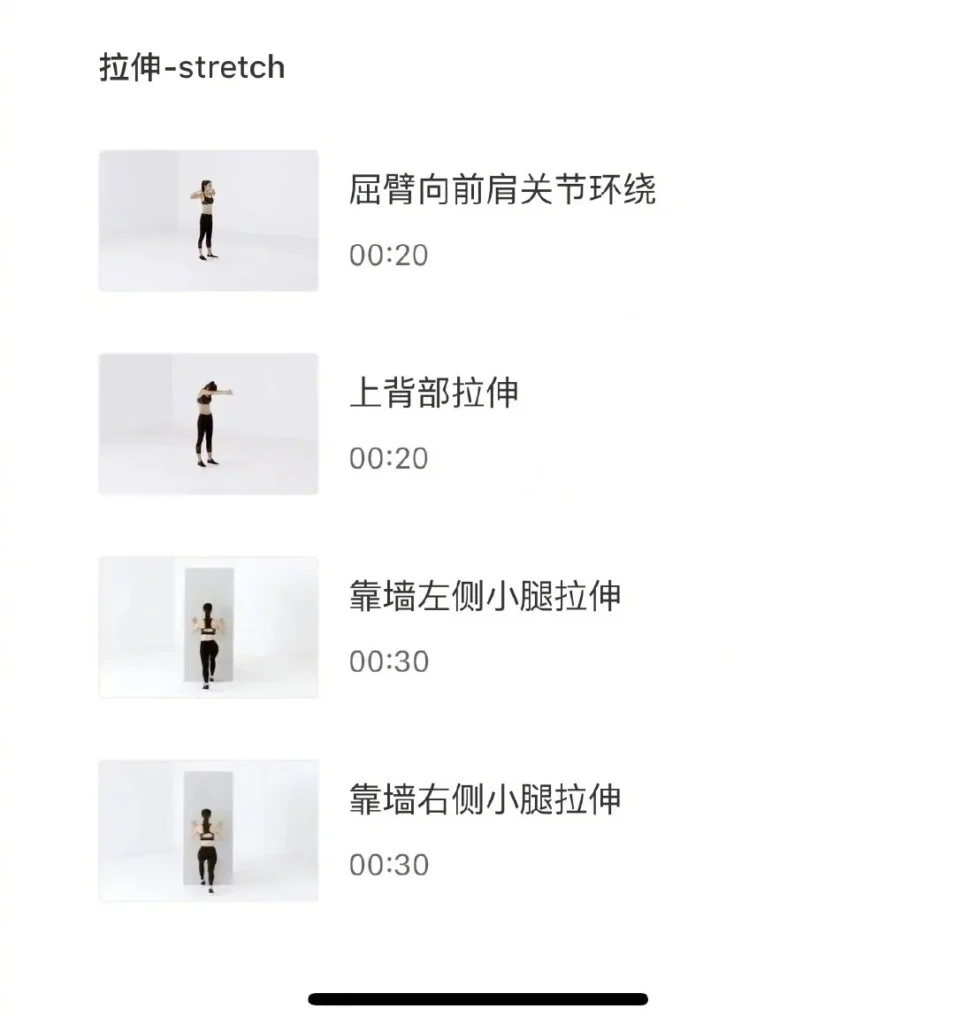
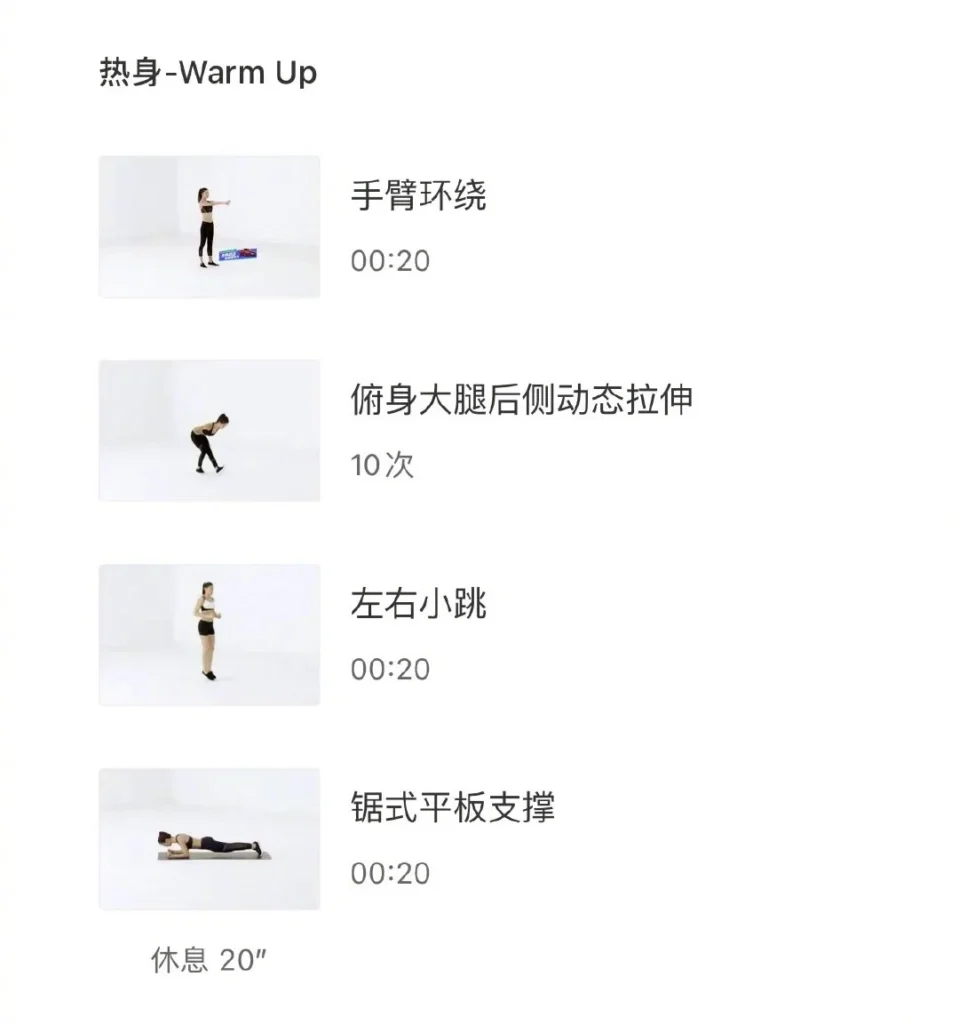
Training and fitness apps like Keep, with 40 million monthly active users in 2019, have been a success. Supermonkey, which started out as a gym booking app, has also been successful and has branched out into providing group training and private lessons in key Tier 1 cities.
So with brands targeting Chinese consumers and services emerging to fulfil their exercise and sports needs, it is obvious to see that these consumers have shown interest and are still gaining interest in this market. But why is this so?
China has been boosting sports initiatives and spending. The government plans to increase the number of people who engage in exercise at least three times a week for 30 minutes to 38.5% by 2025. There were also plans to build and renovate over 2,000 sports parks, fitness centers, stadiums and cultivate small and medium-sized enterprises in fitness-related fields.
As China gets wealthier, a high number of Chinese people are able to have enough disposable income. With high-end gyms and fitness centers being packed in China, it is not a cheap habit to pick up, especially since there are even waitlists for getting into certain fitness classes. So being able to claim on social media that you have been ‘working on your fitness’, is no small feat.
As mentioned before, there are apps in China like Keep and Supermonkey that helps Chinese people track their fitness progress and share them on social media, inspiring others to try out sports and exercises as a hobby or as an interest.
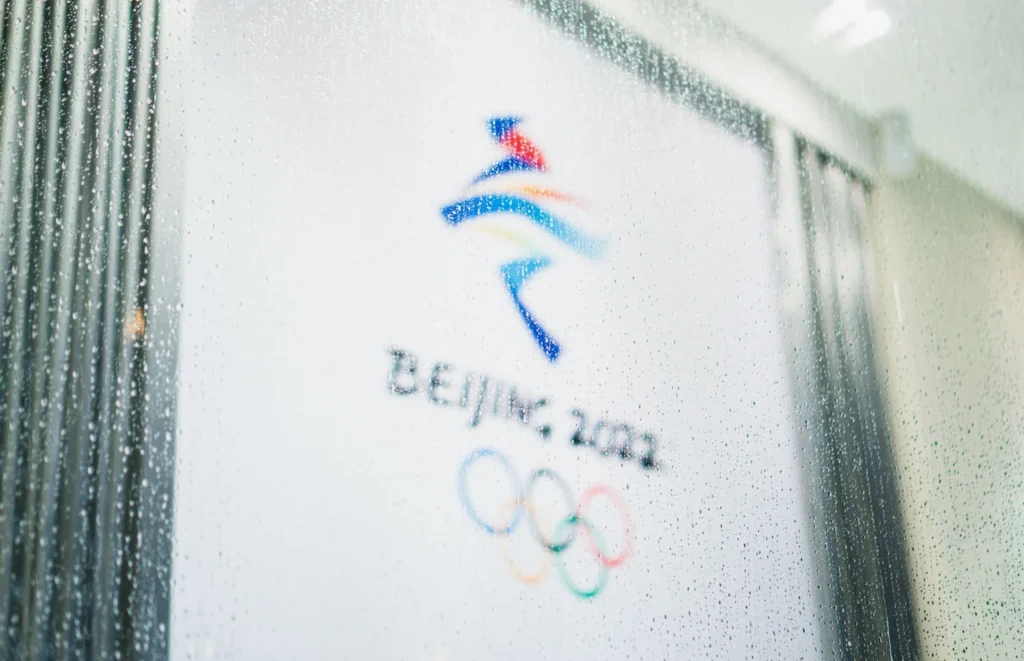
The Beijing Winter Olympics went successfully, and the Chinese athletes won several medals—many of them gold! The Beijing Winter Olympics has been excitedly awaited by the Chinese people because of the country’s immense success from the past Summer Olympics.
Not only that, but Winter sports have also been booming because of the excitement over the Winter Olympics. The China General Administration of Sports revealed in 2016, a plan to build 650 skating rinks and 800 ski resorts by the end of this year. The government also reported that more than 300 million people in China have engaged in winter sports since it was announced that Beijing would hold the Winter Olympics.
China is also home to the world’s largest beginners’ market for skiing and other winter sports. The number of visitors to skiing places in China went up from 5.5 million to 15.1 million during the years, 2009 to 2016.
With the Chinese government showing obvious support for exercises and sporting activities, it is plain to see that we can expect a lot more from this market; not to mention the growing passion and love that Chinese people have begun to express for sports. The ongoing Winter Olympics seem to play a kindle to this passionate fire and consumers are sure to stay interested in this market, just as long as the government wholeheartedly backs it.
With this many fans and support for the industry, the potential of this market is yet to be exhausted.
For more updated insights on China’s digital space, our new Quarterly Mega China Report covers major consumer groups and the most popular social media and e-commerce platforms. You will also find up-to-date, actionable advice on China marketing strategies, a China marketing calendar, and the latest industry updates from 50+ China experts and the ChoZan marketing team.