CONTENT

In 2025, Xiaohongshu (RedNote) had become too large and commercially significant to be described as just another social platform. Reuters reported in January that Xiaohongshu was already serving more than 300 million users, placing it firmly among China’s most influential consumer platforms.
In the same month, the app gained more than 700,000 new users in just two days as U.S. ‘TikTok refugees’ flooded in. That surge mattered not only because it pushed Xiaohongshu into global headlines, but because it exposed the scale of a platform built around discovery, recommendation, and lifestyle-led influence rather than pure entertainment.
By May 2025, Alibaba had moved to deepen that commerce potential through a new partnership that lets users click from Xiaohongshu directly into Taobao, with initial integration focused on fast-moving consumer goods and healthcare.
At the same time, QuestMobile’s 2025 ecosystem review noted that beauty KOLs dominate Xiaohongshu’s creator economy, matching the platform’s female-skewed user structure. Together, those signals explain why Xiaohongshu now sits at the center of China’s conversations about lifestyle, beauty, and social commerce.
Most social platforms compete for attention. Xiaohongshu developed around a different objective. It competes for credibility in consumer decisions.
While short video platforms focus on entertainment and viral reach, Xiaohongshu built its ecosystem around personal experience sharing. Users document how they use products, how their routines change, and what results they see over time. This culture of lived experience gradually turned the platform into a trusted recommendation environment rather than a pure content feed.
A central format behind this behavior is the platform’s “Notes” system. Instead of quick posts, users create detailed entries combining photos, short videos, captions, and product tagging. These notes often explain routines, comparisons, and long-term results. In beauty and skincare discussions, users frequently share step-by-step experiences, including reactions to ingredients, dermatologist consultations, and seasonal routine adjustments.
This structure encourages storytelling instead of promotion. A post about sunscreen might include UV testing, ingredient breakdowns, and a month of usage results. A travel recommendation can show hotel rooms, nearby cafés, and itinerary advice.
Chinese consumers increasingly use Xiaohongshu in the same way they once used search engines.
Typical behavior includes
The result is a platform where community trust shapes influence. Instead of following celebrity endorsements, many users prefer recommendations from ordinary creators whose experiences feel authentic and relatable.
Beauty is a category where consumers rarely buy on claims alone. They want proof, context, and comparison. They want to know how a product performs on real skin, across different climates, age groups, and full routines. Xiaohongshu gave that behavior a natural home. Instead of reducing beauty to polished campaigns, it turned beauty discovery into an ongoing public conversation.
That is why skincare education became so important on the platform. Users do not just post favorites. They explain skin concerns, ingredient reactions, layering methods, clinic treatments, and routine changes over time. Before-and-after documentation made the results easier to evaluate. Ingredient discussions made users more literate and selective. Communities influenced by dermatology and skin barrier awareness added another layer of seriousness, especially in skincare.
This structure benefits different players in different ways:
Most importantly, Chinese beauty consumers on Xiaohongshu often research routines rather than isolated products. They want to see how cleansers, serums, sunscreens, and treatments work together in practice. That makes the platform especially powerful for beauty because it supports real decision-making rather than just product exposure.
The platform works because it supports the full consumer thought process. A user sees a product in someone’s routine, searches for more opinions, compares experiences across creators, reads comments for objections, and then decides whether the item feels worth trying. Commerce enters the process only after trust has been built.
This is also why Xiaohongshu matters to brands. It does not simply generate awareness. It helps shape purchase validation. Creator recommendations introduce a product. Notes and comments test credibility. Brand storefronts give users a more direct path to continue their research. Broader ecosystem links, including closer ties with Taobao, bring the platform closer to transactions without stripping away its community role.
Just as important, the cycle does not end with purchase. Users often return to post follow-up reviews, usage updates, and comparisons after buying. That creates a feedback loop in which discovery leads to purchase, and purchase produces new discovery content for the next user.
A typical decision path often unfolds in several stages:
A product first appears through a creator’s routine, a skincare comparison, or a lifestyle post that introduces a new brand.
Users search the platform for additional experiences. They read notes, compare routines, and review comment discussions to see how others responded.
Comments frequently add nuance that the original post lacks. Users ask about skin types, climate conditions, price justification, and long-term performance.
Once a product passes these credibility checks, users begin comparing where and how to buy it.
After trying the product themselves, many users return to the platform to document results or update their routines.
This cycle explains why Xiaohongshu wields such strategic influence across categories such as beauty, wellness, and fashion. It is where consumers confirm whether a trend deserves trust. In practice, many Chinese shoppers search Xiaohongshu before completing purchases on major e-commerce platforms.
Beauty gave Xiaohongshu its early momentum, but the platform’s influence now extends across a much broader lifestyle landscape. As the community matured, users began applying the same review culture to other areas of everyday consumption.
Today, Xiaohongshu hosts active communities around travel, wellness, fashion, and daily living. Several lifestyle categories have grown particularly fast.
Users discuss fitness routines, nutritional habits, supplements, and mental wellness practices. Many posts document gradual lifestyle changes rather than quick fixes, which aligns with the platform’s experience-driven culture.
Instead of traditional destination promotion, creators share realistic travel insights such as hotel quality, neighborhood atmosphere, restaurant discoveries, and itinerary suggestions.
Outfit combinations, seasonal wardrobes, and practical styling advice attract strong engagement. Users often show how clothing works in real situations rather than only in curated photo shoots.
Creators document workout routines, diet experimentation, and lifestyle balance in ways that emphasize sustainability rather than extreme transformations.
Interior organization, apartment styling, and everyday lifestyle improvements have become popular topics of discussion.
What connects these categories is the same principle that built Xiaohongshu’s beauty community. In this sense, Xiaohongshu has evolved into a broader lifestyle discovery network where everyday decisions are shaped by shared experiences.
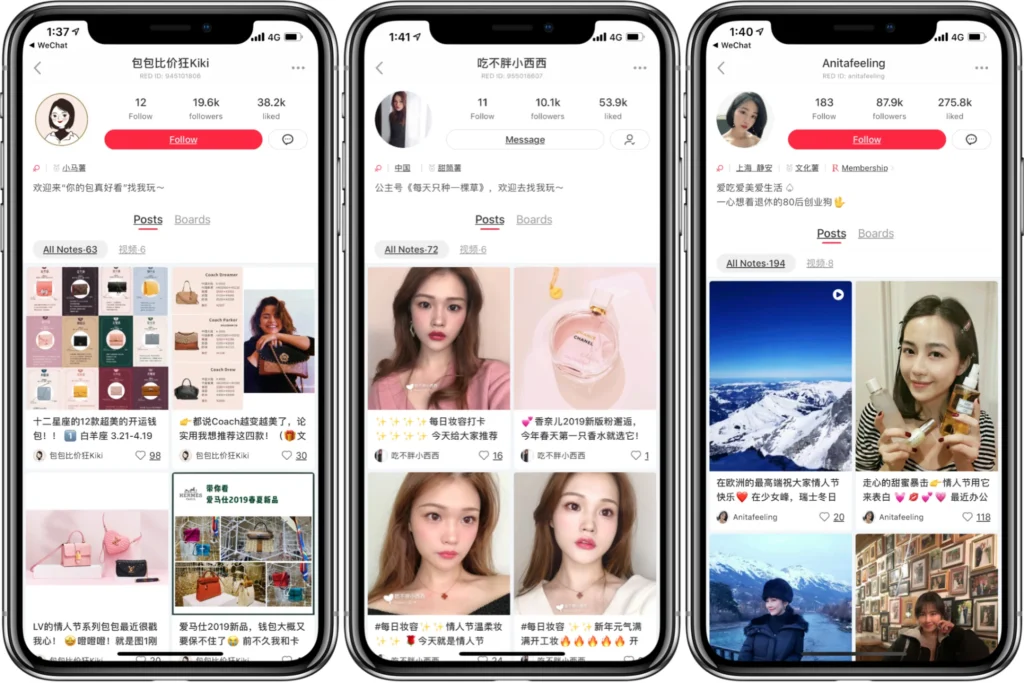
As Xiaohongshu expands its commercial influence, it faces a strategic challenge that many social platforms eventually encounter. It must grow its business ecosystem without weakening the trust that made the platform valuable in the first place.
The platform’s credibility was built on authentic user experiences. As more brands enter the platform and creator partnerships increase, maintaining that balance becomes more complex.
Brand collaborations are now common, particularly in beauty and lifestyle categories. The platform must ensure that paid partnerships remain transparent and do not overwhelm organic discussions.
If promotional content begins to dominate search results or recommendations, users may become more skeptical of reviews and influencer endorsements.
Like all major Chinese digital platforms, Xiaohongshu operates within a regulatory environment that continues to evolve. Compliance requirements influence advertising transparency, content moderation, and data management practices.
Creators need sustainable income streams, but excessive commercialization can weaken the authenticity that audiences value.
Preserving that credibility while supporting a growing brand ecosystem will determine how the platform evolves in the coming years.
Xiaohongshu reveals how China’s consumer culture has evolved in the digital era. The behaviors visible on the platform reflect a broader shift in how people research, evaluate, and experience products before making purchase decisions.
Chinese consumers increasingly investigate products in detail before committing to them. Instead of relying solely on advertising or brand reputation, many people consult Xiaohongshu to examine real user experiences, compare routines, and identify potential drawbacks.
Another important shift is the growing ingredient literacy in beauty and wellness. Many users now understand skincare formulations, product compatibility, and routine sequencing at a level that was uncommon a decade ago. Discussions about skin barriers, active ingredients, and dermatological advice frequently appear in posts and comment threads.
Community dynamics also play a major role. Product discovery is no longer shaped only by official campaigns or celebrity endorsements. Instead, it emerges through shared experience within digital communities, where users collectively test, evaluate, and discuss new ideas.
Several broader patterns stand out.
Xiaohongshu reflects a wider transformation in China’s consumer economy. Digital communities are no longer just places for conversation. They have become essential environments where trust, knowledge, and purchasing behavior converge.
For brands serious about Xiaohongshu, ChoZan offers more than general China advice. The team helps beauty and lifestyle brands understand how the platform shapes discovery, trust, and purchase decisions, and then turns those insights into practical market-entry and growth strategies. It is a focused approach to building a Xiaohongshu strategy grounded in real consumer behavior.
Xiaohongshu translates to “Little Red Book,” a name originally inspired by the idea of recording shopping discoveries and travel experiences. Early users treated the app like a personal diary for documenting products, places, and lifestyle recommendations.
Xiaohongshu’s user base is dominated by young urban consumers in China’s major cities. Many users are professionals or university students who are highly engaged with beauty, fashion, wellness, and lifestyle experimentation.
Yes. Xiaohongshu is designed almost entirely around mobile usage. The interface prioritizes vertical content, quick search access, and smooth browsing between posts, making it especially suited to everyday lifestyle research on smartphones.
The platform uses a mix of merchant verification, community reporting, and content moderation to discourage counterfeit promotion. Users also help flag suspicious claims, which strengthens the community’s ability to maintain trustworthy product discussions.
Yes. In fact, many emerging beauty and lifestyle brands gain early traction there. If a product solves a clear problem or sparks genuine user interest, organic discussion can spread quickly without requiring large advertising budgets.
Comments are extremely important because they extend the original content. Users ask detailed questions about skin types, usage routines, pricing, or product reactions. These conversations often add practical insights that shape how others interpret a recommendation.
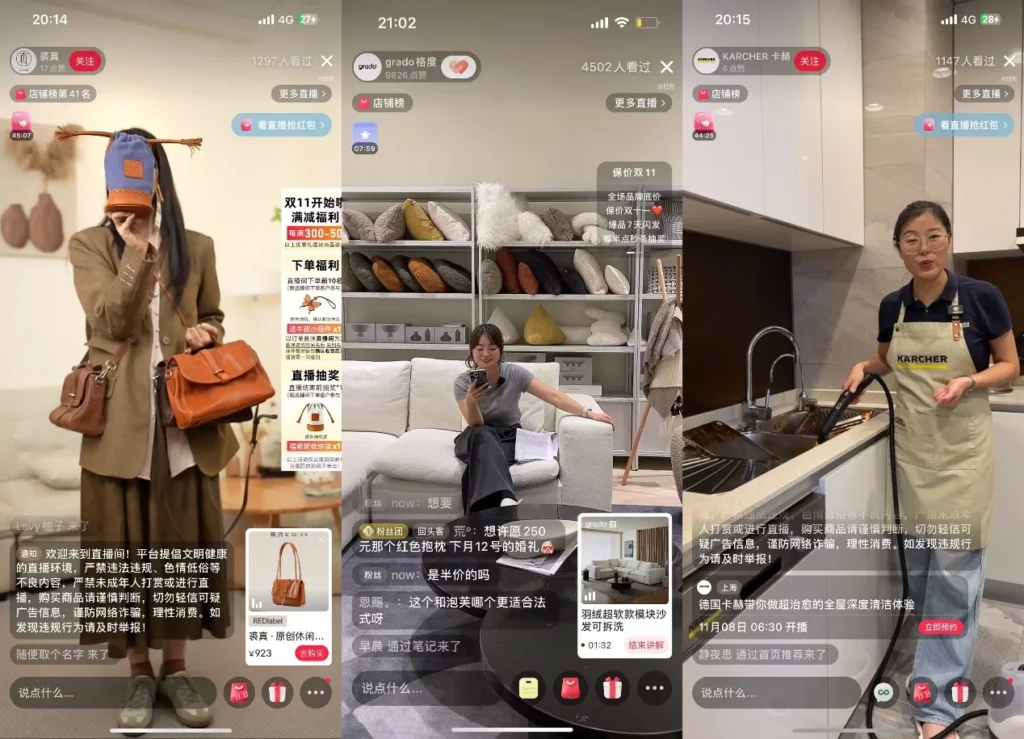
Yes, live streaming exists on the platform, though it plays a smaller role than on some other Chinese apps. Live sessions usually focus on product demonstrations, beauty tutorials, or creator interaction rather than aggressive sales tactics.
Users frequently save posts into personal collections or themed folders. This allows them to build reference libraries for skincare routines, travel plans, fashion inspiration, or product comparisons they want to revisit later.
Photography remains central to the platform’s identity. Clear product shots, texture images, and lifestyle photos help communicate authenticity. Visual evidence often makes recommendations feel more convincing than text alone.
Peer recommendations feel grounded in lived experience. When users see ordinary people testing products over time and explaining real outcomes, the advice feels more relatable and reliable than polished promotional messaging.