TL;DR.
The US and China are building AI shopping two different ways. The US adds AI through partnerships, Google with Walmart, Amazon’s Rufus, OpenAI’s checkout. China builds it inside apps a billion people already use. On 15 January 2026, Alibaba’s Qwen ordered, paid for, and delivered 40 bubble teas live on stage. The operational gap runs 12 to 18 months.
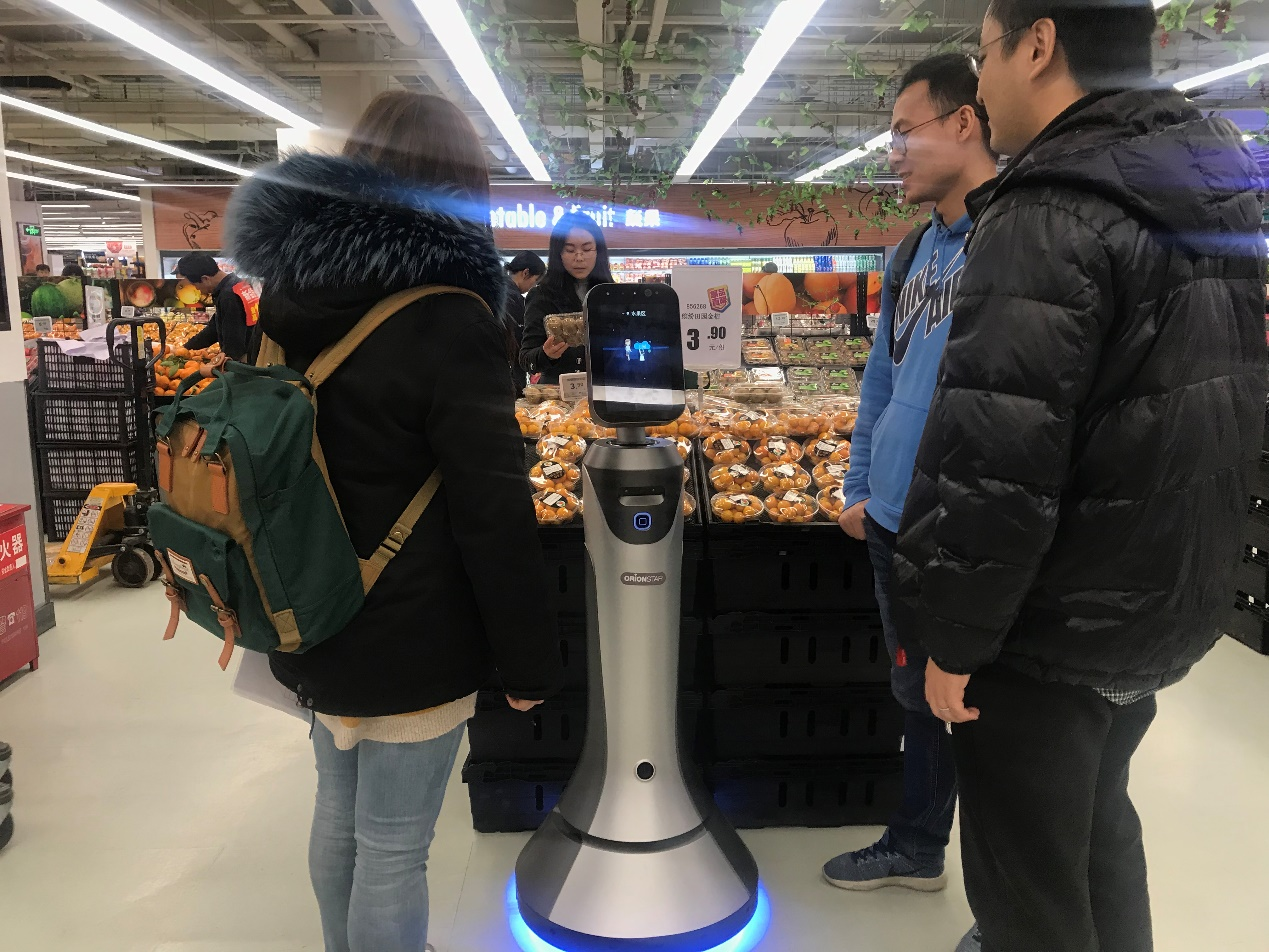
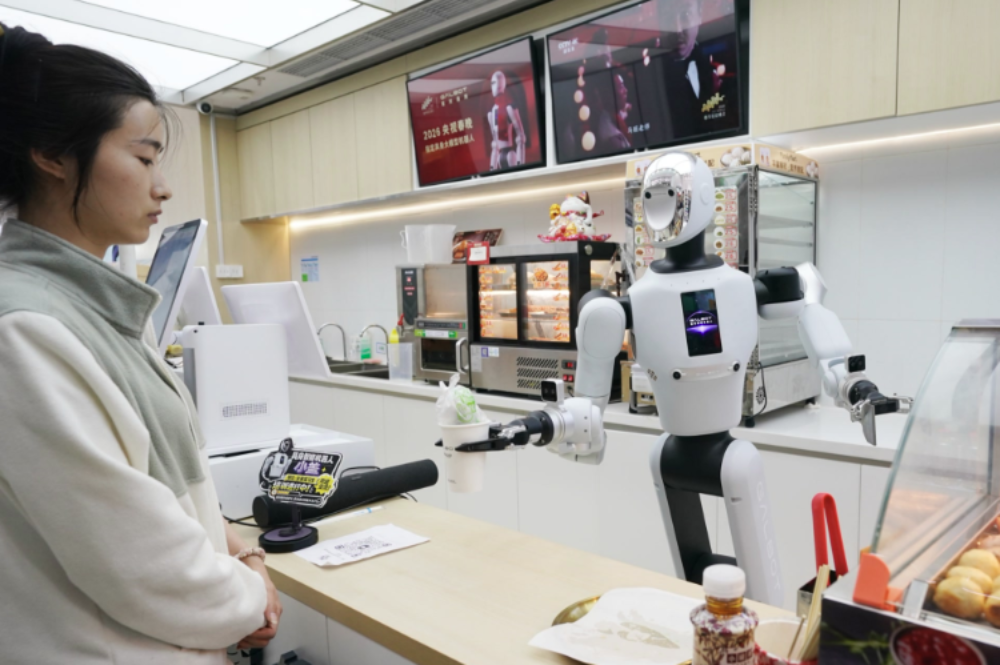
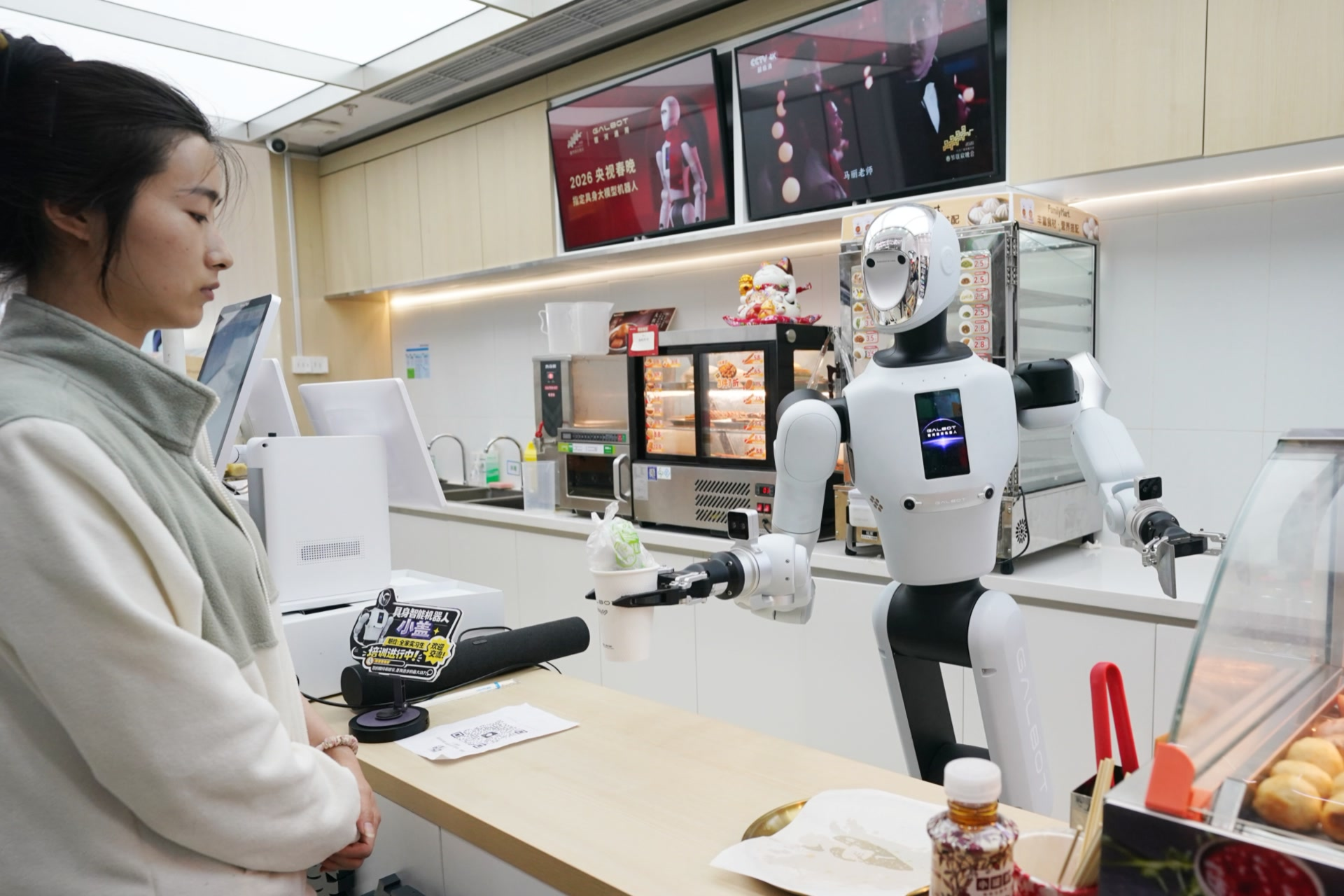
Between 10 and 15 January 2026, the West and China each showed their hand on AI shopping, and the two hands did not match. Western headlines were partnership announcements: Google with Walmart, Shopify with Microsoft Copilot, Amazon expanding Rufus. On 15 January, Alibaba Vice President Wu Jia, who leads the company’s consumer businesses, asked Qwen (Alibaba’s AI assistant, also branded Qianwen) to order 40 bubble teas for guests. The assistant found the shops, placed the orders, paid through Alipay, and coordinated delivery, live, with no human touching a screen. The same day, Qwen went live with more than 400 capabilities.
At a glance
- The US adds AI to shopping through partnerships; China builds it into billion-user super-apps. The operational gap runs 12 to 18 months.
- Qwen launched 400+ executable capabilities on 15 January 2026 and its consumer app has passed 300 million monthly active users (Alibaba, 2026).
- About 43% of US online shoppers now use AI to shop, though 76% say they want an AI assistant (Yahoo Finance survey, 2026; Capital One Shopping, 2026).
- Agentic commerce could move US$3–5 trillion globally by 2030 (McKinsey, 2025).
How does the US approach AI shopping?
The US builds AI shopping through partnerships, pairing companies that each own one piece of the journey. Google is putting Gemini into Walmart for conversational discovery. Shopify gives merchants Microsoft Copilot for descriptions and service. Amazon is extending its Rufus assistant across categories, and OpenAI has tested checkout inside ChatGPT. Each move stitches a model company to a retailer to a payments layer.
Adoption is real but exploratory. About 43% of US online shoppers now use AI somewhere in the buying journey, and 76% say they want an AI shopping assistant (Yahoo Finance survey, 2026; Capital One Shopping, 2026). Trust caps the final step: most US shoppers apply an “AI autonomy threshold,” handling purchases above roughly US$25–50 themselves and checking AI suggestions against real reviews before buying (Yahoo Finance, 2026).
The shape reflects the market: fragmented platforms, regulatory scrutiny on big tech, and privacy expectations that limit data-sharing. So the US question is “how do we add AI to shopping.”
How does China approach AI shopping?
China builds AI into the platforms people already live in, so the assistant completes the purchase instead of handing the shopper to another site. Alibaba’s Qwen connects to Taobao’s catalogue, Alipay’s payments, Cainiao’s logistics, and Alibaba Cloud; the January update lets it order delivery, book flights, file visa applications, and pay without leaving the chat. Alipay cleared 120 million AI-agent transactions in a single week in February 2026.
The other majors are moving the same way:
- Alibaba — Qwen assistant across Taobao and Tmall, paid via Alipay, fulfilled by Cainiao.
- ByteDance — pairs Douyin (China’s TikTok) with its Doubao assistant for in-feed, native purchases.
- JD — AI across logistics and livestream selling; AI digital hosts powered livestreams for 70,000+ merchants during the Double 11 festival.
- Meituan — AI across food delivery and local services nationwide.
- Tencent — commerce AI embedded in WeChat.
The behaviour is already habitual: AI product sales on JD.com more than doubled year-on-year in 2025, and 46.8% of Chinese consumers now treat AI capabilities as a mandatory product feature (ChoZan, 2026 China Consumer Trends). So the Chinese question is not “how do we add AI to shopping.” It is “how do we rebuild shopping around AI.”
US vs China AI shopping: what's the real difference?
Underneath sits a stack question. Running an agent that recommends, pays, and fulfils needs four layers together, ecosystem, models, cloud, and chips, and few companies hold all four, so a partial-stack player borrows the missing layers through deals that slow every release. On model quality the gap is down to a few points: Moonshot’s Kimi K3 scores 57 on the Artificial Analysis Intelligence Index against 60 for the top US model, ranking third overall and ahead of several US frontier models, and Chinese labs hold the top open-weight positions (Kimi, Zhipu’s GLM, Alibaba’s Qwen, DeepSeek), far above US open models like gpt-oss and Gemma (Artificial Analysis, 2026). Once models sit this close, integration becomes the advantage, and integration is the layer a partnership cannot quickly assemble. (Why China’s models are open and nearly free to run)
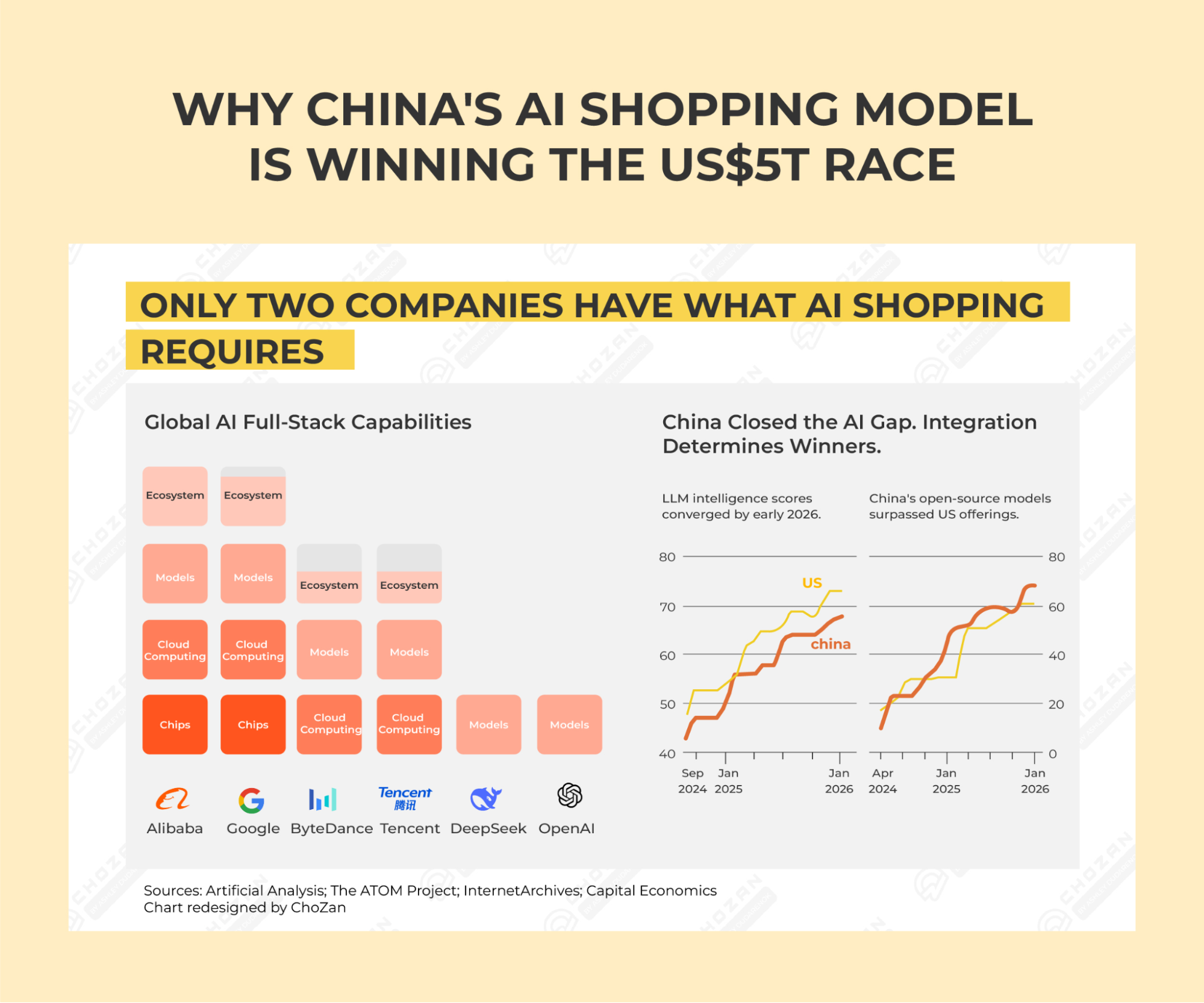
Model quality has converged; integration now decides the winner.
Sources: Artificial Analysis; The ATOM Project; Capital Economics. Chart by ChoZan.
The West is not standing still. Amazon is building proprietary models to depend less on partners, Google and Walmart are deepening data-sharing, and retailers are leaning on first-party data. Those moves narrow the gap over time. For now the lead sits at 12 to 18 months and widens as Chinese platforms add capabilities faster than Western alliances integrate them.
The fastest way to feel the 12-to-18-month gap is to see it in person on a China Innovation Tour.
What can AI shopping do for customers today, and what can't it?
AI is strong at discovery and personalisation and weak at everything physical. It reads a multi-part request (“a light winter coat under US$200, good for minus-10, from sustainable brands”) and returns a ranked answer instead of a grid. 77% of consumers are interested in AI-driven virtual try-on and 70% want AI to manage their loyalty rewards (Capital One Shopping, 2026). Personalisation lifts revenue an estimated 5–15% (McKinsey), and AR try-on users leave roughly 60% more reviews (Bazaarvoice).
What it cannot do is fix the hard part of retail. An agent cannot solve slow delivery, out-of-stock items, or a painful return; the last mile stays the last mile. Many shoppers still want to touch the product. And trust is the ceiling: 82% of consumers worry about how AI collects and uses their data (Relyance AI, 2025), and 55% are uncomfortable with an AI agent making purchases for them (Capital One Shopping, 2026). The near-term impact is incremental, not a wholesale move from stores to chat, especially in Western markets where trust and fulfilment are unsolved.
What does this mean for global brands?
When the agent becomes the recommender, the job shifts from winning the shopper’s attention to being legible to the machine that now holds it. The market is large enough that waiting is expensive: agentic commerce could move US$3–5 trillion globally by 2030 (McKinsey), with US estimates from US$385 billion (Morgan Stanley) to US$500 billion (Bain). Three moves for this quarter, none requiring a permanent platform bet:
- Test in a controlled market. Run one low-risk category with a small segment across an AI-assisted path and a traditional path. Measure conversion, satisfaction, and support-ticket load. Decide from the delta.
- Message to the market, not the average. In the West lead with privacy, transparency, and opt-in. In China lead with speed and end-to-end convenience.
- Stay ecosystem-flexible. Build so you can plug into Alibaba’s or ByteDance’s stack in China and into Google-Walmart or Amazon in the West without re-platforming.
FAQ About China's AI Shopping Race
What is the difference between the US and China approach to AI shopping?
US firms add AI through partnerships between companies that own different pieces (Google with Walmart, Amazon’s Rufus, OpenAI checkout). Chinese platforms build AI inside one app that already owns discovery, payment, and logistics, so the assistant completes the purchase rather than only recommending it.
Why is China ahead of the US in AI shopping?
China’s platforms had 20 years of unified shopping, payments, and logistics before adding AI, so the agent plugs into a loop that is already closed. Western commerce is split across separate sites, so US firms must coordinate partners, which runs an estimated 12 to 18 months slower.
Which companies are leading AI shopping in China?
Alibaba (Qwen, Taobao, Alipay), ByteDance (Douyin and its Doubao assistant), JD.com (AI logistics and livestream hosts), Meituan (food delivery and local services), and Tencent (WeChat commerce).
How big will AI shopping get?
McKinsey estimates agentic commerce could move US$3–5 trillion globally by 2030. US-only forecasts are lower: Morgan Stanley US$385 billion, Bain up to US$500 billion.
Sources: Alibaba (2026) · Capital One Shopping — AI Shopping Statistics (2026) · Yahoo Finance survey (2026) · Relyance AI Consumer Trust Survey (2025) · McKinsey — Agentic Commerce (2025) · Morgan Stanley · Bain & Company · Artificial Analysis Intelligence Index (2026) · Bazaarvoice · JD.com results (2025).