CONTENT
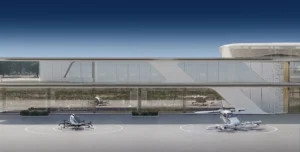
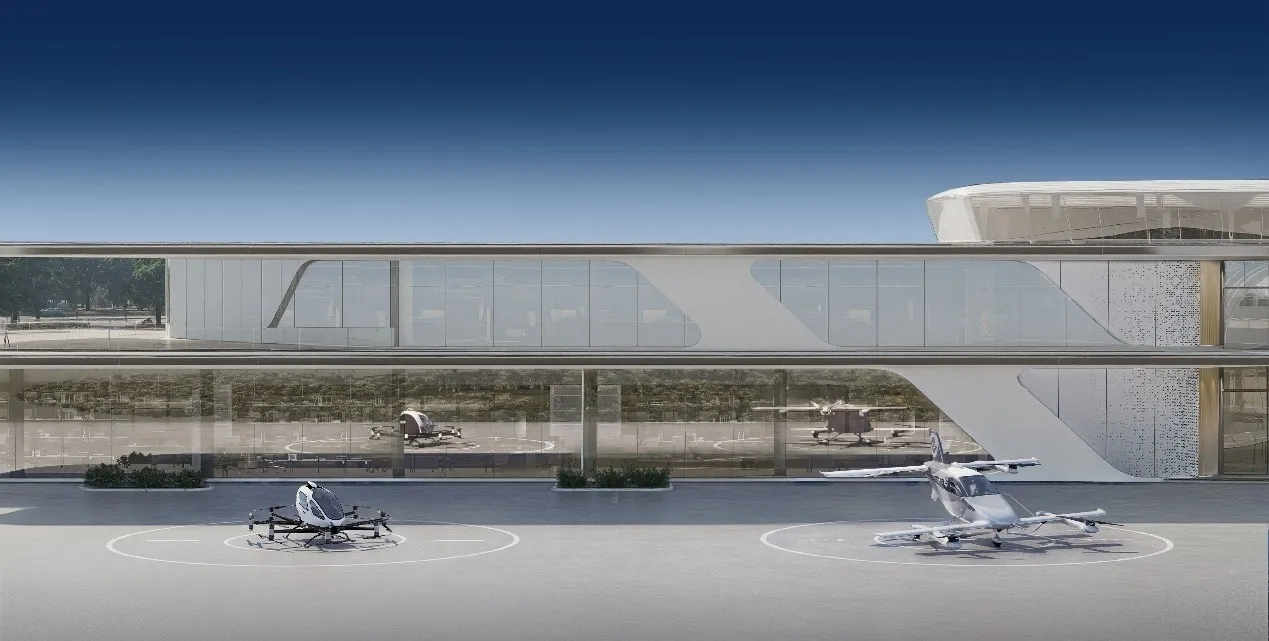
Vertiports are specialized facilities where vertical takeoff aircraft land, recharge, receive maintenance, and connect with passengers or cargo. In China, they form the physical and digital foundation of the country’s low-altitude economy.
Shenzhen had already built more than 1,200 low-altitude takeoff and landing facilities by June 2026, while Guangzhou planned another 500 for the year. Those numbers include multiple facility types, not 1,700 passenger-ready air taxi terminals.
That distinction matters because the commercial opportunity depends on aircraft compatibility, approved operations, route economics, and ground infrastructure working together.
The Federal Aviation Administration’s 2025 advanced air mobility guidance defines these facilities broadly enough to include land, water, and structures supporting vertical aircraft operations. A working eVTOL vertiport needs more than a marked landing surface.
Functional vertiport infrastructure generally combines a safe takeoff and landing area, aircraft parking, charging capacity, communications, operational controls, emergency procedures, and appropriate passenger or cargo handling.
Requirements vary with aircraft weight, rotor configuration, battery demands, expected traffic, and site conditions. A rooftop facility must address structural loads and safe access. A waterfront installation must also consider marine conditions and electrical reliability.
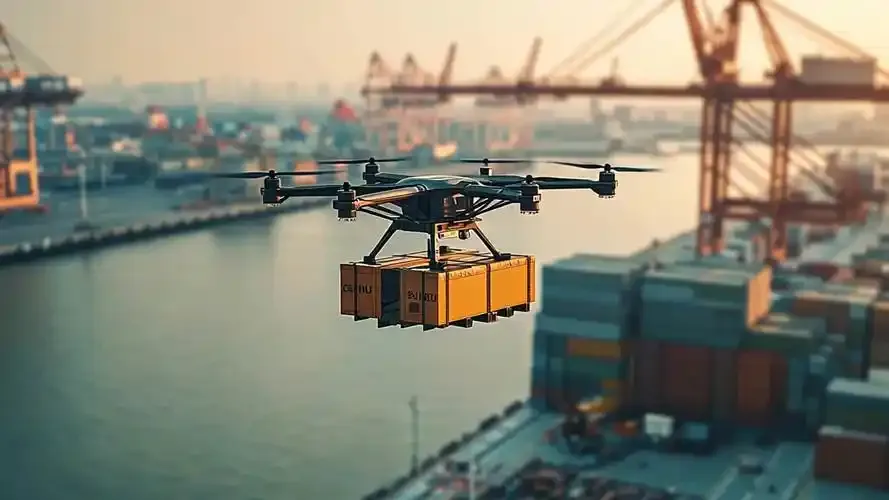
A drone vertiport can support cargo handling and automated dispatch without passenger boarding areas. A passenger-oriented UAM vertiport requires more extensive operational preparation, ground support, safety procedures, and customer facilities.
This difference explains why citywide landing-site totals cannot directly count commercial passenger terminals.
China’s approach connects physical landing points with flight corridors, command systems, charging equipment, safety oversight, and aircraft manufacturing. That combination creates a vertiport network that supports distinct services rather than isolated demonstration pads.
In February 2026, ten Chinese government departments released a national standards framework covering aircraft, infrastructure, air traffic management, safety supervision, and practical applications.
The framework targets a basic standards system by 2027 and more than 300 sector standards by 2030, according to China’s Ministry of Transport.
China’s revised Civil Aviation Law also took effect on July 1, 2026. The Civil Aviation Administration of China says the revision strengthens oversight of civil unmanned aircraft and supports development of the low-altitude economy.
These measures matter commercially because infrastructure becomes easier to replicate when aircraft certification, operating procedures, site requirements, and airspace management develop together.
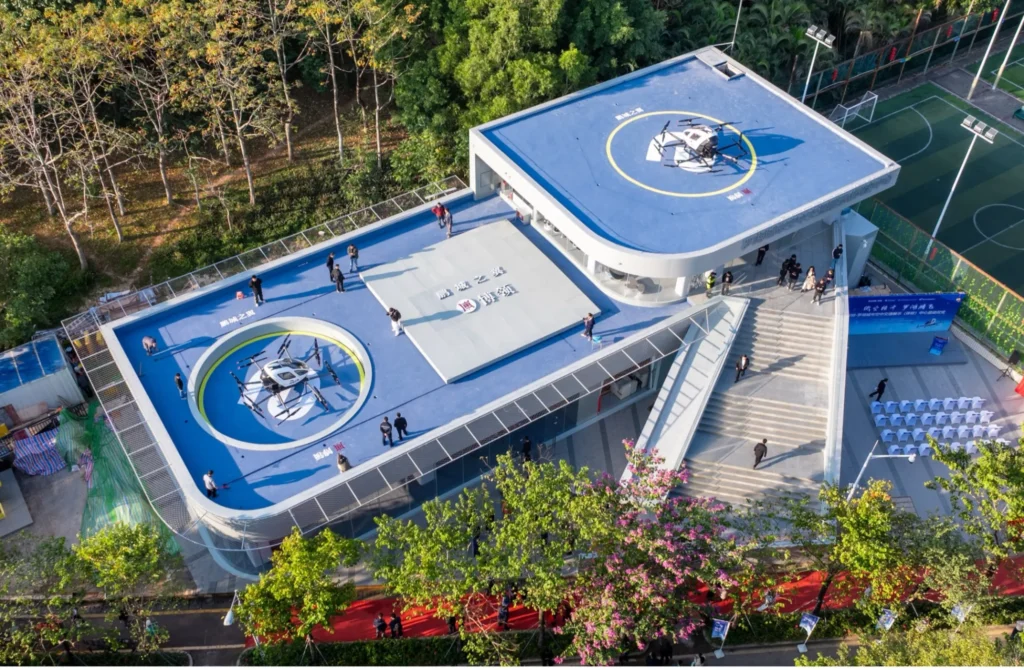
The strongest current evidence comes from city-level projects with clearly defined operational status.
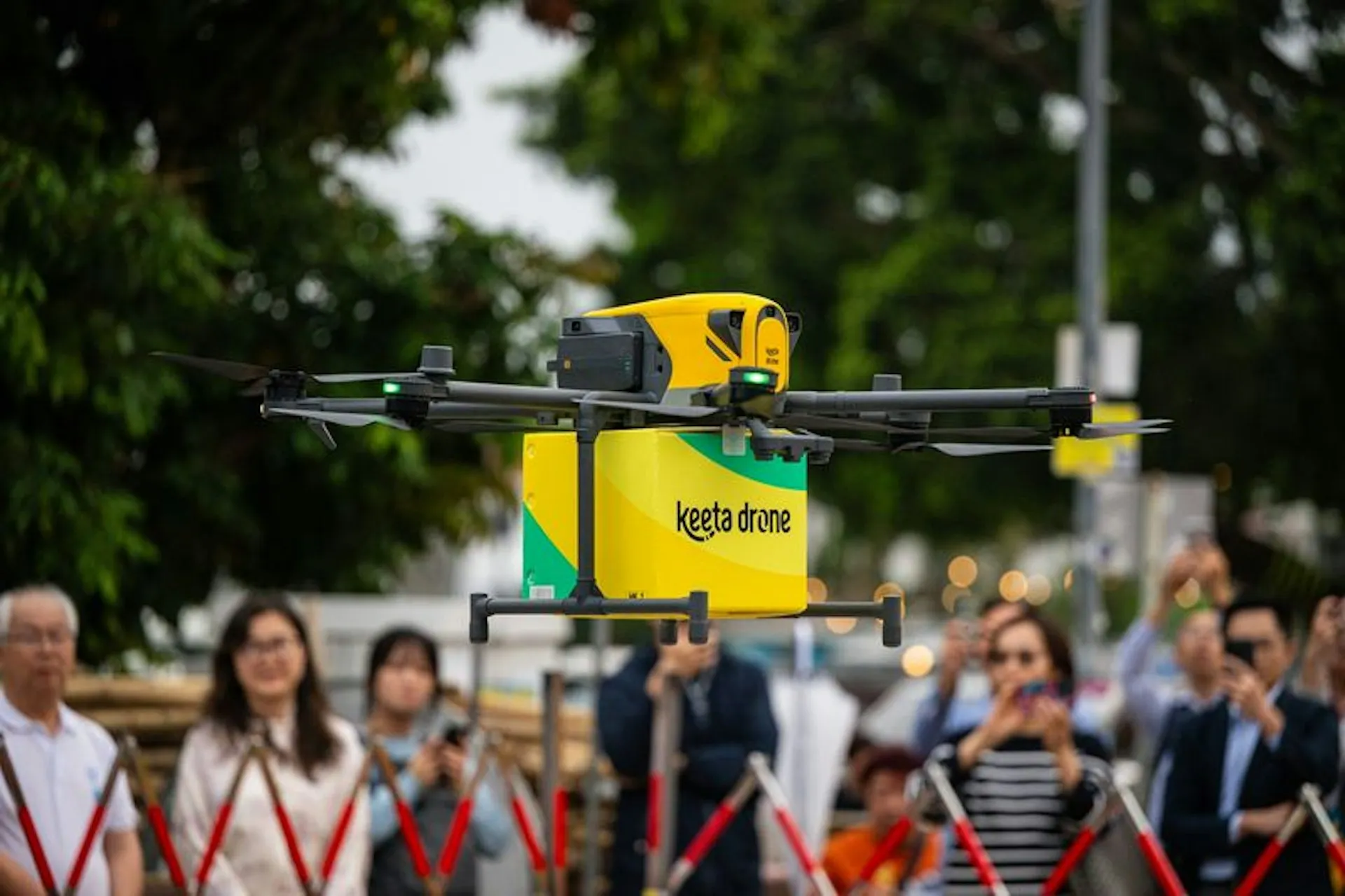
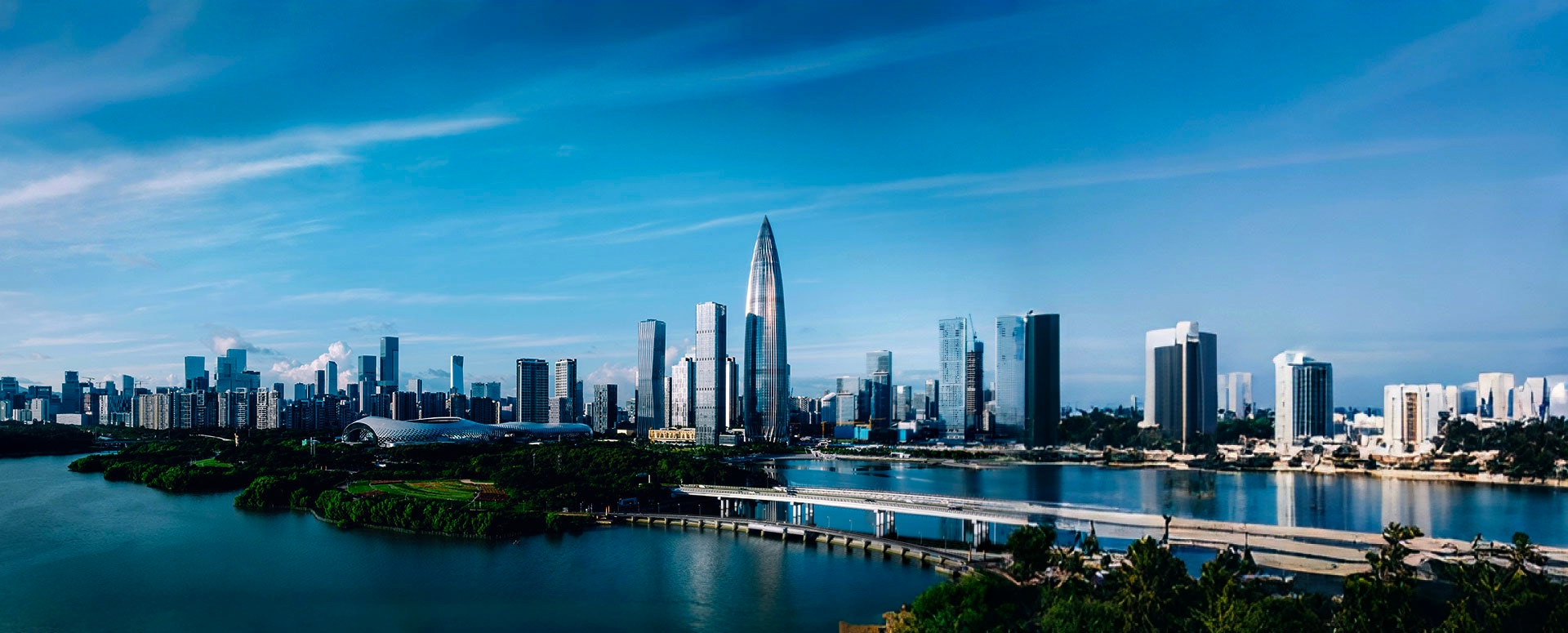
According to Shenzhen’s municipal government, the city had built more than 1,200 low-altitude takeoff and landing facilities and opened 310 logistics routes by June 2026. Cargo drones completed more than 1 million flights in 2025.
Those figures describe a mixed infrastructure base. They include logistics facilities and other landing points, not 1,200 dedicated passenger vertiports.
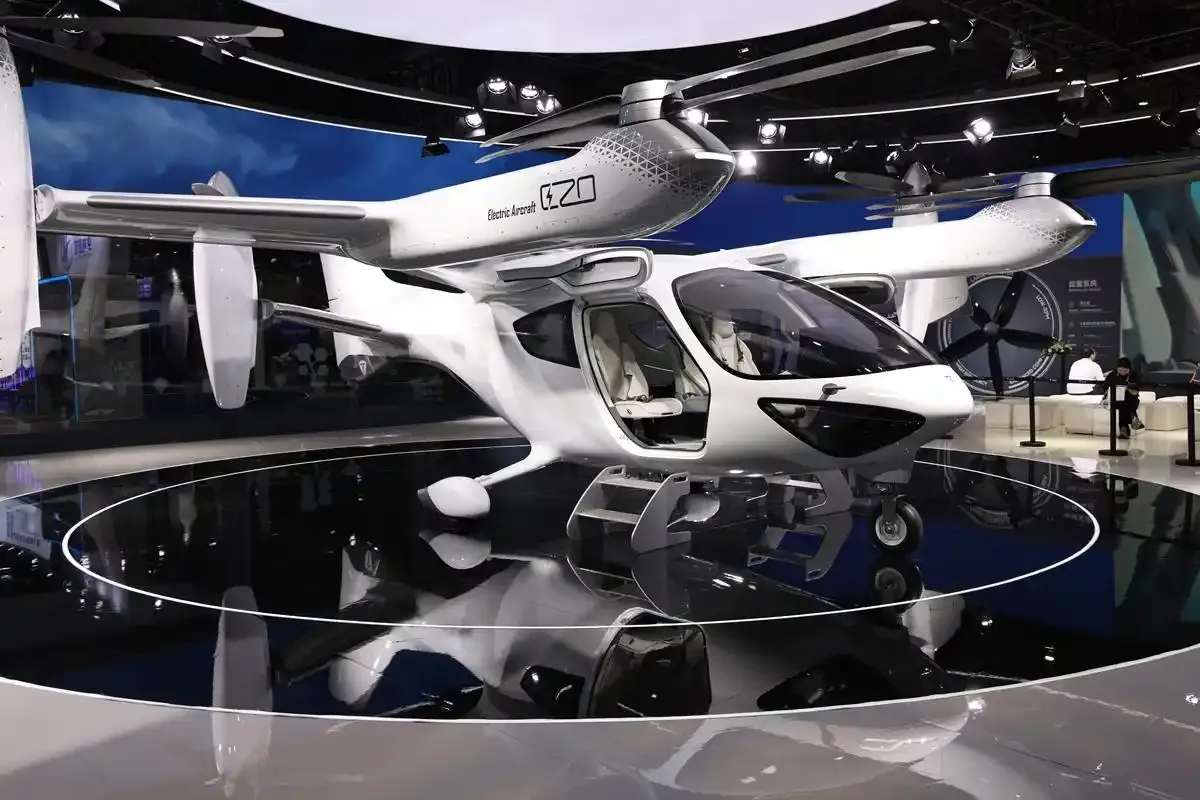
One passenger-focused example is EHang’s Luohu operating center. The company’s January 2025 disclosure describes a 753-square-meter automated facility with a hangar, boarding area, vertical aircraft lift, and integrated charging.
According to the Guangdong-Hong Kong-Macao Greater Bay Area government portal, Guangzhou announced plans to build 500 new takeoff-and-landing facilities in 2026.
It also launched an aerospace investment fund with a target size of 20 billion yuan (approximately US$2.95 billion at the Federal Reserve’s May 13 exchange rate).
The fund covers components, aircraft, supporting infrastructure, and operational applications. These are announced targets, not evidence that every facility has opened.
The strategic signal is the coordination between infrastructure, financing, local manufacturing, and proposed use cases. That creates potential demand for charging systems, communications equipment, maintenance services, insurance, and specialized construction.
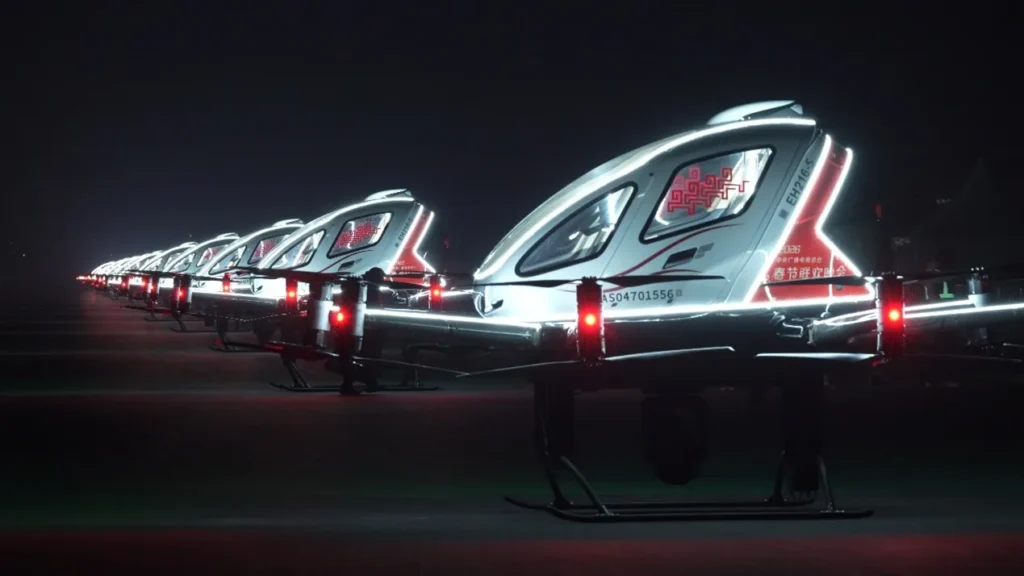
Hefei’s Luogang Park had two urban air mobility centers capable of supporting eVTOL flights, according to EHang’s February 2026 company update.
Its local operator has conducted regular trial operations since obtaining an air operator certificate in March 2025.
That makes Hefei a useful operational test case, although controlled trials should not be confused with an established public commuter service.
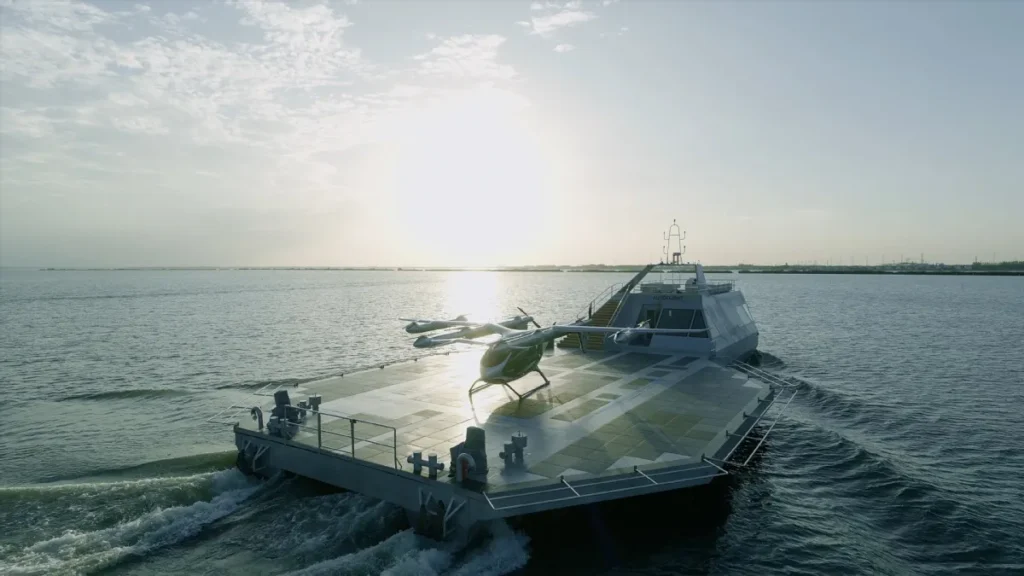
Land availability is a practical constraint in dense cities and offshore industrial zones. Floating infrastructure creates another deployment model.
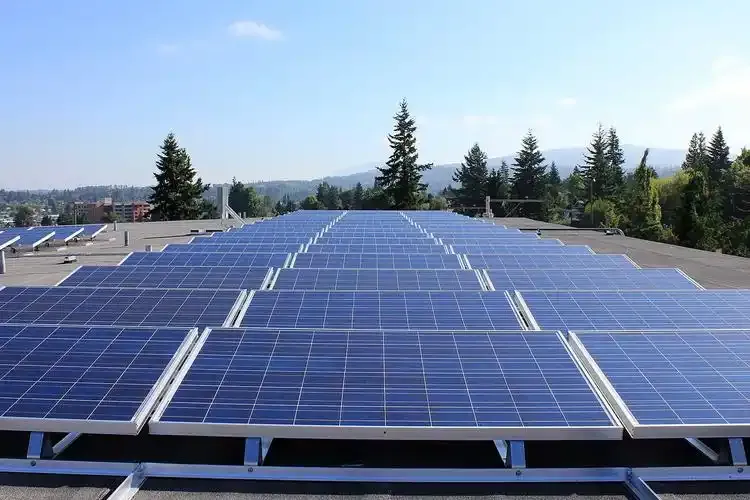
In November 2025, Shanghai’s municipal government documented AutoFlight’s water-based platform, which combines a landing deck, solar panels, energy storage, charging systems, dispatch technology, and passenger facilities.
On July 22, 2026, AutoFlight and SF Group announced a partnership to develop low-altitude transport for offshore energy, heavy cargo, island connections, and maritime operations. AutoFlight’s floating platform is part of the proposed operating model.
This expands the practical meaning of a vertiports network. Its value can come from linking factories, ports, offshore installations, and logistics hubs rather than relying solely on urban passenger traffic.

Infrastructure becomes commercially meaningful when flights deliver a measurable advantage over existing transport. That depends on useful origin-destination pairs, predictable customer demand, reliable aircraft turnaround, and access to ground transportation.
Cargo corridors can offer a clearer early business case when urgent deliveries bypass congested roads or water barriers. Tourism can concentrate demand around a single site. Offshore logistics may support higher-value missions involving equipment, maintenance crews, or island supply.
Site compatibility also shapes long-term economics. EHang states that its newer VT35 aircraft can use existing EH216-S facilities, which could spread infrastructure costs across more than one aircraft model.
That remains a manufacturer claim about compatibility, not proof of broad commercial deployment.
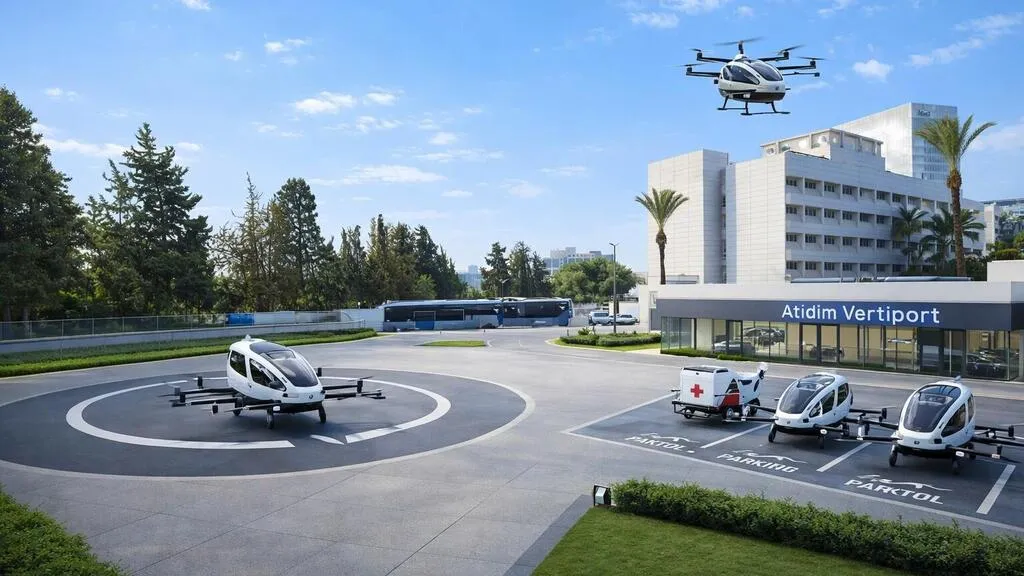
The number of completed vertiports says little about their commercial value. Each facility should be assessed through five practical questions:
These questions help distinguish showcase projects from economically sustainable infrastructure. A commercially ready vertiport must support repeatable operations, solve a genuine transport problem, and generate enough demand to cover its operating costs.
Aircraft certification, operator authorization, site construction, trial flights, and public ticket sales represent separate milestones.
On March 28, 2025, Chinese authorities granted operating certificates to two EH216-S operators, according to EHang’s first-quarter 2025 disclosure. However, the company’s June 9, 2026 financial update still described public ticketed flights as forthcoming.
That same update reported more than 40 eVTOL operating sites established by customers and partners across China, alongside more than 3,000 internal trial flight missions. Those figures indicate substantial preparation, but they do not establish a nationwide public air taxi service.
China’s strongest advantage currently lies in connecting aircraft development, local infrastructure, policy, and early operating experience. The next commercial question is which routes can support safe, repeatable, paying demand.
China’s vertiports reveal how infrastructure, industrial policy, and local operating conditions shape emerging business models.
ChoZan examines these relationships through China-focused research, expert discussions, workshops, and learning expeditions. Its reports and research resources provide additional context on the companies, technologies, and business models shaping China’s innovation economy.
To explore how these developments relate to a specific industry, market, or strategic question, Explore ChoZan’s Shenzhen and Guangzhou innovation tour or book a consultation with ChoZan.
A vertiport generally supports broader aircraft operations, including parking, charging, or passenger handling. A vertistop is usually a simpler landing location with fewer support services. Exact classifications depend on the applicable aviation authority and operating conditions.
Some heliports can accommodate electric vertical aircraft after upgrades, but compatibility depends on structural capacity, landing dimensions, rotor downwash, charging access, and regulatory review. Existing helicopter infrastructure does not automatically meet every aircraft’s operational requirements.
Yes, a rooftop installation can support vertical aircraft if the structure, emergency access, electrical supply, obstacle clearance, and approved flight paths meet applicable requirements. Urban location alone does not determine operational suitability or commercial demand.
No. Facilities can operate at suitable locations on land, water, rooftops, or other structures, subject to relevant approvals. Airport connections may be useful, but waterfronts, logistics hubs, industrial sites, and tourist destinations can also generate demand.
Not universally. Aircraft can have different battery capacities, charging interfaces, power requirements, and turnaround procedures. Operators must confirm equipment compatibility and grid capacity before assuming one installation can support several manufacturers or aircraft types.
Generally, no. Cargo drone facilities may lack the structural capacity, passenger areas, emergency systems, aircraft clearances, and operating approvals needed for passenger aircraft. Each location must match its intended aircraft category and approved use.
Night operations depend on aircraft capabilities, site lighting, weather conditions, flight procedures, airspace permissions, and regulator approval. A facility that supports daytime demonstrations cannot automatically provide scheduled nighttime passenger or cargo services.
Operators can consider aircraft design, approach paths, departure schedules, site placement, and local operating restrictions. Electric propulsion does not eliminate rotor noise, so community impact requires assessment before dense residential routes become practical.
Ownership models can involve municipal entities, airport operators, real estate companies, logistics providers, aircraft manufacturers, and specialized infrastructure firms. The site owner, aircraft operator, and service provider may be separate organizations with different responsibilities.
China has developed operating centers and approved pilotless aircraft operators, but Skyports announced in July 2026 that Dubai received certification for the first purpose-built commercial eVTOL facility. Aircraft authorization and facility certification are distinct milestones.