CONTENT

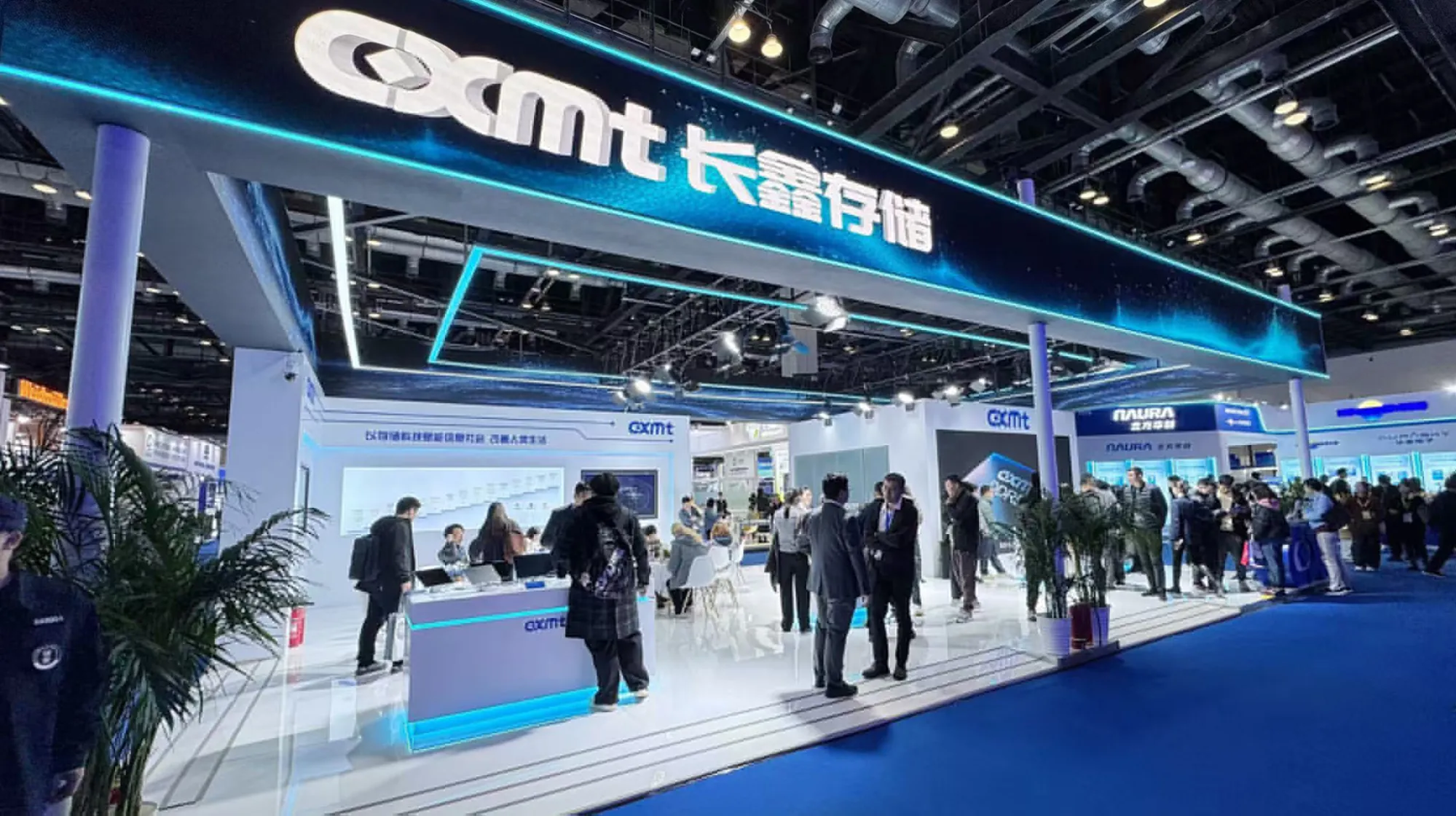
CXMT, short for ChangXin Memory Technologies, is a Chinese manufacturer of dynamic random-access memory, or DRAM. Its products include DDR5 computer and server memory and LPDDR5X mobile memory. Its reported high-bandwidth memory, or HBM, plans target AI processors.
The commercial question is how much dependable supply these advances can deliver. Recent company disclosures describe manufacturing advances, while October 2026 reporting identifies hurdles in advanced AI memory. That distinction matters when assessing China’s growing technology capabilities, potential sourcing alternatives, and the timing of new AI infrastructure.
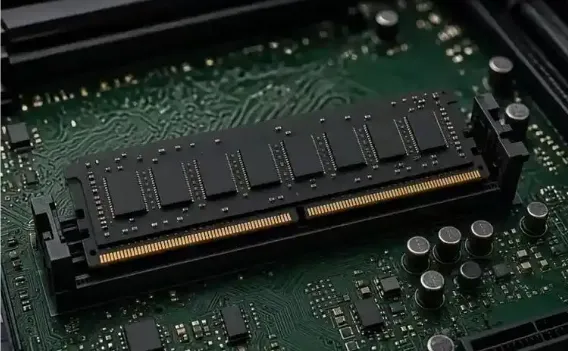
The company’s strategy reaches across servers, personal computers, and mobile devices. These markets require different levels of capacity, power consumption, packaging, and compatibility.
Its November 2025 portfolio announcement presented desktop, notebook, and server module formats alongside mobile products. Separately, SK hynix’s 2025 technical presentation illustrates how server modules and accelerator memory address different parts of computing infrastructure.
The implication for AI planning is easy to miss. Infrastructure programs include host systems as well as accelerators. A supplier can gain business across several memory categories while its most advanced product remains under development.
This makes product mix commercially important. A strategy centered entirely on the next accelerator breakthrough can overlook opportunities in the surrounding computers and devices.
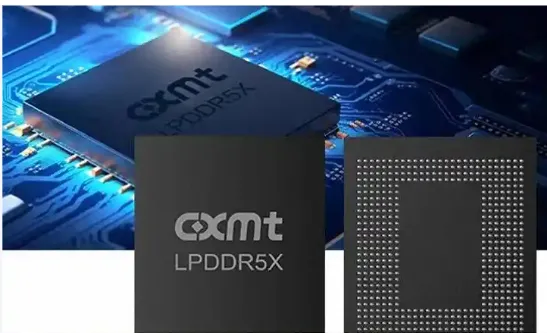
The strongest starting point is the company’s dated disclosures. They identify what it demonstrated, what it offered for sampling, and what it described as mass-produced.
| Product milestone | Dated evidence | Commercial interpretation |
| DDR5 portfolio | November 23, 2025: advertised speeds up to 8,000 Mbps and die densities up to 24Gb. | Check the exact module, speed grade, and supported platform. |
| LPDDR5X rollout | October 28, 2025: 8,533 and 9,600 Mbps products had entered mass production in May; 10,667 Mbps products were sampling. | The announcement assigned different production stages to different speeds. |
| G5-based LPDDR5X | September 20, 2026: the company announced mass production of products using 24Gb dies. | Higher die density expands the mobile portfolio. |
| LPDDR6 introduction | September 7, 2026: the company announced mass production and a 16GB package. | The roadmap now extends beyond the preceding mobile generation. |
The practical value lies in product selection. A maximum advertised data rate does not establish availability across every capacity, package, or customer program. Ask for the current specification and delivery status of the part under consideration.
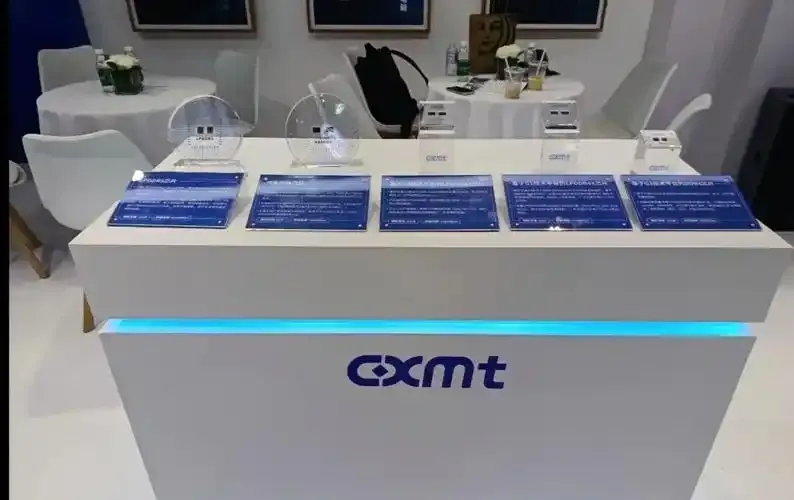
CXMT’s HBM ambitions concern memory that exchanges data rapidly with AI processors through vertically stacked chips.
An October 28 report said the company had sent HBM3E samples to domestic AI-chip designers. Sources described plans for limited production within two months and estimated yields at approximately 20% to 30%. The company did not respond to Reuters’ request for comment.
The engineering challenges include creating vertical electrical connections between memory layers and implementing packaging measures to address warpage and heat dissipation.
This creates several points where a promising component can run into production challenges. A purchaser needs evidence that the complete memory package works with the intended processor under the required operating conditions.
The strategic implication is conditional: domestic supply could expand China’s AI hardware options, but dependable delivery requires successful integration and repeatable manufacturing.
Chip fabrication economics depend on several variables. Two recent developments show why process efficiency and architectural progress require different assessments.
First, CXMT’s September 2026 G5 disclosure reports at least 50% more gross dies per wafer than its fourth-generation platform, based on a comparison normalized to an 8Gb density baseline. It also describes a digital twin spanning design, manufacturing, and yield maintenance. These are company-reported results.
More dies per wafer can improve production economics. However, a 50% increase in die count does not mean a 50% reduction in finished-product cost. Wafer processing, usable yield, packaging, and testing still determine the cost of a saleable component.
Second, the company’s October 30 investor Q&A reports engineering-sample validation of its sixth-generation platform, based on 4F² architecture. Management expected to send the first associated DDR5 RDIMM server-memory samples by year-end. It tied volume production to customer validation and market demand.
That newer disclosure sharpens the timeline. Prototype validation is a meaningful step, while customer approval and the production ramp remain separate milestones.
The 4F² server-memory roadmap also differs from the reported stacked-memory program. Progress in cell architecture cannot establish the delivery readiness of a different product.
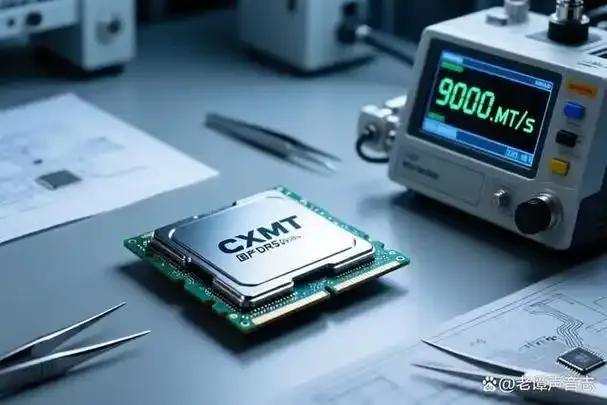
External platform announcements provide another useful signal.
MSI’s July 14, 2026 release describes dedicated firmware tuning and stress testing for modules containing the company’s chips. GIGABYTE’s July 24 announcement confirms support across its DDR5 motherboard lineup, with firmware requirements varying by platform.
These statements demonstrate work beyond the memory factory. Motherboard suppliers must account for the chips’ operating characteristics before users can obtain dependable results.
The commercial lesson is that adoption involves an ecosystem. Chip design, module construction, firmware, and system testing must align.
This gives buyers a stronger basis for evaluation than a standalone frequency demonstration. It also provides a concrete way to follow China’s technology progress: look for independent companies investing engineering effort in compatibility.
A credible sourcing assessment should answer three questions.
Request the part number, capacity, package, speed grade, and intended application. Establish the delivery stage for that product rather than rely on a company-wide production announcement.
Ask for platform compatibility, workload testing, operating-temperature coverage, and failure-handling procedures. A successful evaluation on one configuration should trigger further testing against the actual deployment.
Compare pricing, lead times, qualification expenses, warranty terms, and support commitments.
The assumption that Chinese memory must carry a large discount deserves scrutiny. In its October investor discussion, management said its prices differed little overall from overseas suppliers’ prices. That is management’s characterization, not an independently verified quotation for every product.
A second source can still create value through availability or negotiating flexibility. Those benefits depend on a usable product, acceptable commercial terms, and a realistic onboarding schedule.
Consider a hypothetical PC maker evaluating an additional memory source. A lower component quote could lose its advantage after engineering time and support costs. Conversely, a similarly priced component could prove valuable if it reduces a documented supply constraint.
A pilot should therefore record qualification time, engineering hours, delivered cost, and deployment results. Use those findings to decide the next purchasing commitment.
This is a practical way to learn from China’s expanding technology capability. Assess the complete route from research to a working product, then connect that evidence to a specific commercial decision.
ChoZan, founded by China digital expert Ashley Dudarenok, offers China research, expert dialogues, and tailored learning expeditions.
Our report collection provides a starting point for wider market context. Discuss a focused research brief to examine how developments such as CXMT could influence your competitive position, partnerships, or China strategy.
Yes. The listed company trades under stock code 688825 on Shanghai’s STAR Market. Distinguish the listed group from its individual manufacturing subsidiaries when reviewing disclosures.
No. They are separate companies with different core businesses: DRAM and NAND flash, respectively. In September 2026, CXMT was planning a NAND flash research-and-development production line in Beijing. However, the timeline for starting the line and any subsequent commercial production remained unconfirmed.
No. DRAM requires power to retain its contents. Micron’s 2025 annual filing describes this as volatile memory. Persistent storage serves a different purpose, so additional working memory does not replace an SSD or backup.
A 24Gb die contains 24 gigabits, equivalent to 3 gigabytes. Packaged memory can combine multiple dies, so a 24GB package and a 24Gb die describe different levels of the product. Check capitalization carefully when comparing specifications.
Choose a module that matches the laptop manufacturer’s requirements for memory generation, form factor, capacity, and platform support. The chipmaker’s name alone cannot establish compatibility. Confirm the exact laptop model before purchasing an upgrade.
Ask the module supplier for written confirmation covering the exact part number and hardware revision. If chip origin matters to procurement, request a component declaration and change-notification terms rather than rely on a retailer’s broad product description.
No. MSI’s 2026 announcement notes that results vary with the processor’s memory controller, module batch, and configuration. A server purchase needs validation against its intended operating requirements; an overclocking demonstration answers a narrower performance question.
The implemented speed can differ. The company’s September 2026 release specifies a maximum 12,800 Mbps rate but 10,667 Mbps operation with the phone’s processor. Check the device configuration before treating a chip rating as delivered performance.
The official website publishes a sales contact. A useful inquiry should specify the required memory type, capacity, target platform, and expected demand. Ask about samples, ordering channels, minimum quantities, and support for your intended market.
The October 2026 investor discussion explains that minority interests in manufacturing subsidiaries affect the parent’s share of consolidated earnings. Compare the correct profit measure when assessing performance, since total group earnings and shareholder-attributable earnings describe different ownership claims.