CONTENT
At a Glance
A lighthouse factory is recognised by the World Economic Forum for applying advanced technologies at scale. Its value to another business lies in the operating changes behind that recognition.
Examples from six sites in China show different approaches to traceability, production quality, customer responsiveness, energy management and supply chain coordination.
For global businesses, the next step is to examine the evidence, integration requirements and recurring costs before deciding which lessons could work in their own operations.
A lighthouse factory is a production site recognized through the World Economic Forum’s Global Lighthouse Network. Its recognition concerns the application of advanced technologies at scale. It earns attention when the operating changes behind that recognition explain how to solve a relevant business problem.
China’s lighthouse factories provide concrete material for that assessment. The useful questions concern the decisions that changed, the information those decisions required, and the conditions another business would need to reproduce the approach.
Explore how China puts manufacturing technology to work.
ChoZan’s China Innovation Tour combines company visits, expert briefings and practical technology experiences. Explore how a programme focused on AI, automation and manufacturing could help your team investigate the operating capabilities behind the examples in this article.
Specific company visits and host access are subject to confirmation.
The lighthouse factory definition shifted in late 2025.
The WEF Global Lighthouse Network identifies excellence across five award categories:
An independent panel of experts designates participating sites. A factory may provide useful lessons about managing customized orders or developing technical skills, alongside its production equipment. Its award category gives the study starting point.
The Forum’s June 2026 announcement recorded 238 recognized sites worldwide. This is a selected network of examples, rather than a census of industrial capability.
Recent Chinese cases span optical lenses, pet food, and pharmaceutical processing. These industries require different levels of identification, coordination, and production consistency.
The examples below cover facilities operating in China, including plants owned by international companies. They show specific applications within China’s manufacturing base; their recognition does not mean every Chinese factory operates at the same level.
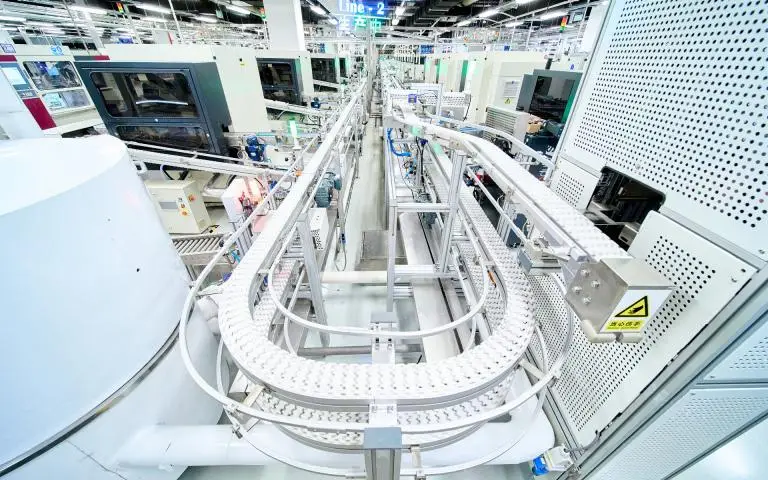
ZEISS’s Guangzhou site received recognition in January 2026. Its production problem concerns individualized products that must retain a reliable identity throughout manufacturing.
In a March 2026 technical account, ZEISS describes invisible Data Matrix codes assigned to individual lenses. The codes identify each lens’s production stage. Digital twins simulate customized lenses before physical production, while connected monitoring systems track quality.
A broader product offer creates more combinations to schedule, inspect, and deliver. A business considering customization should examine how an individual order remains identifiable when work changes hands or moves between systems.
A production demonstration becomes useful when it reveals that continuity. The relevant capability is preserving the relationship between the customer’s specification and the finished item.
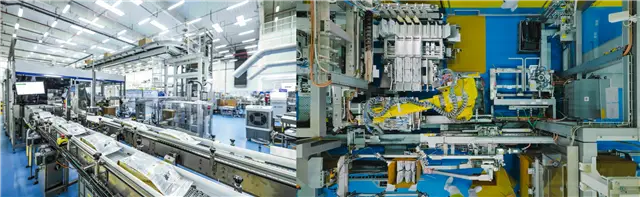
Royal Canin’s Shanghai site joined the network in June 2026. Its published case concerns maintaining quality and responsiveness across a large product range.
The company’s announcement describes production and supply for more than 400 products. A data control tower connects demand forecasting, production scheduling, inventory, deliveries, and logistics across five distribution centers. Its after-sales system traces product quality inquiries to batches and production lines.
This detail extends the study beyond the production line. A replenishment decision needs to account for stock location and demand. A customer complaint needs enough product history to identify where to begin the investigation.
The business question is how responsibility travels with the information. The control room provides limited learning unless the company can explain who acts on a forecast change, inventory exception, or quality alert.
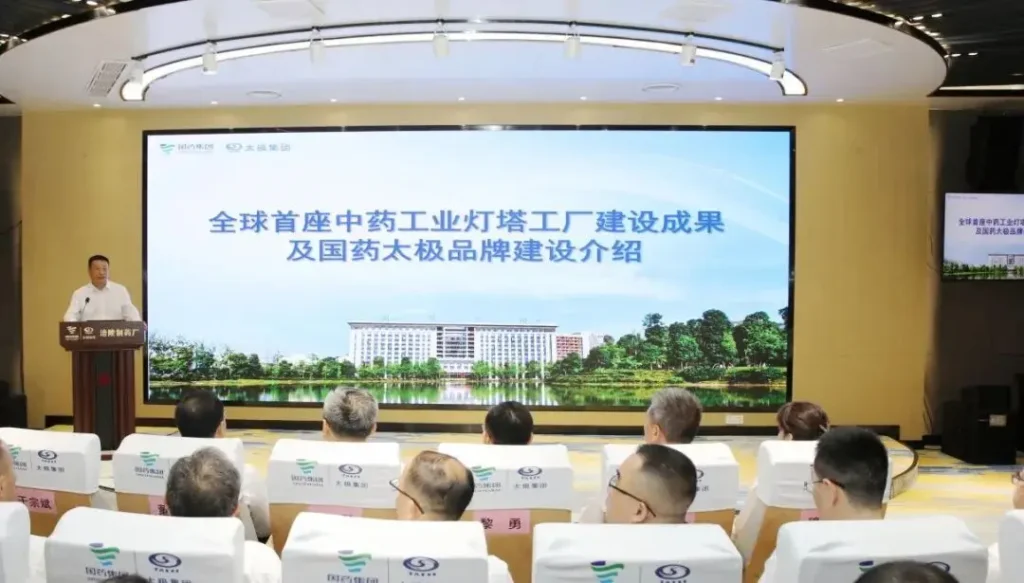
The World Economic Forum recognized Taiji Group’s Fuling pharmaceutical operation in June 2026. Its case describes digitized processing standards and quality-marker analytics addressing variation in traditional Chinese medicine production.
Taiji’s July 2026 account of a media visit adds operational detail: raw-material traceability systems, a central control room, and digital filling operations.
A process that depends on experienced judgment needs agreed measurements and response rules before software can reproduce decisions consistently.
A useful discussion would establish which process conditions operators monitor, how they define an acceptable range, and who can authorize an adjustment. The software purchase comes after that agreement. Otherwise, a business risks recording inconsistent decisions more efficiently.
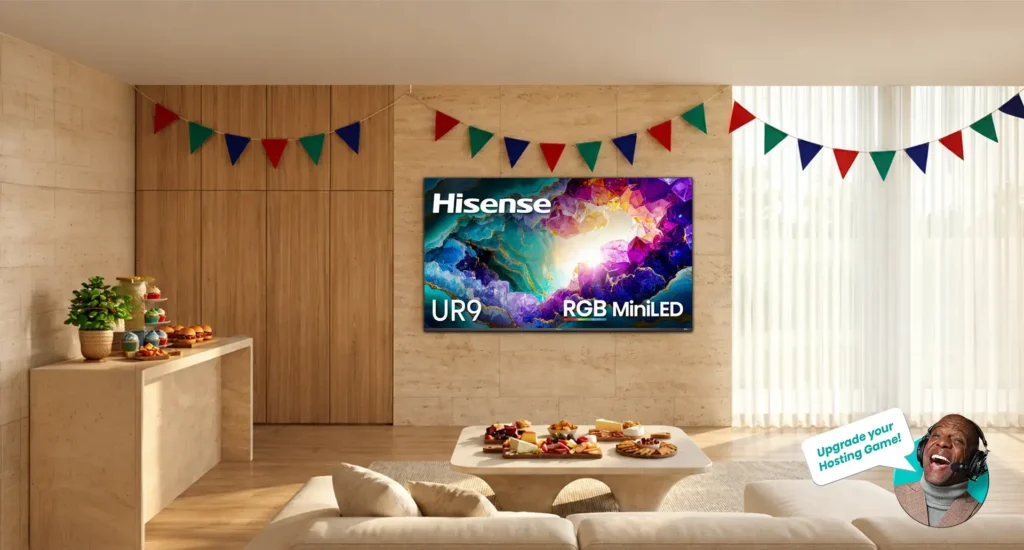
Hisense Visual Technology’s Qingdao plant became the first television manufacturing site worldwide to receive a lighthouse factory designation. The company reports that its AI-assisted process-design system can generate a process plan in five minutes, improving process-design efficiency by 75 percent.
An 85-inch television now leaves the line every 20 seconds. The commercial results go beyond speed: a Net Promoter Score of 84 percent, a 34 percent reduction in R&D cycles, and an 18 percent drop in material costs.
For consumer electronics teams, the lesson is that customer centricity becomes operational when AI shortens the distance between demand signals and line configuration.
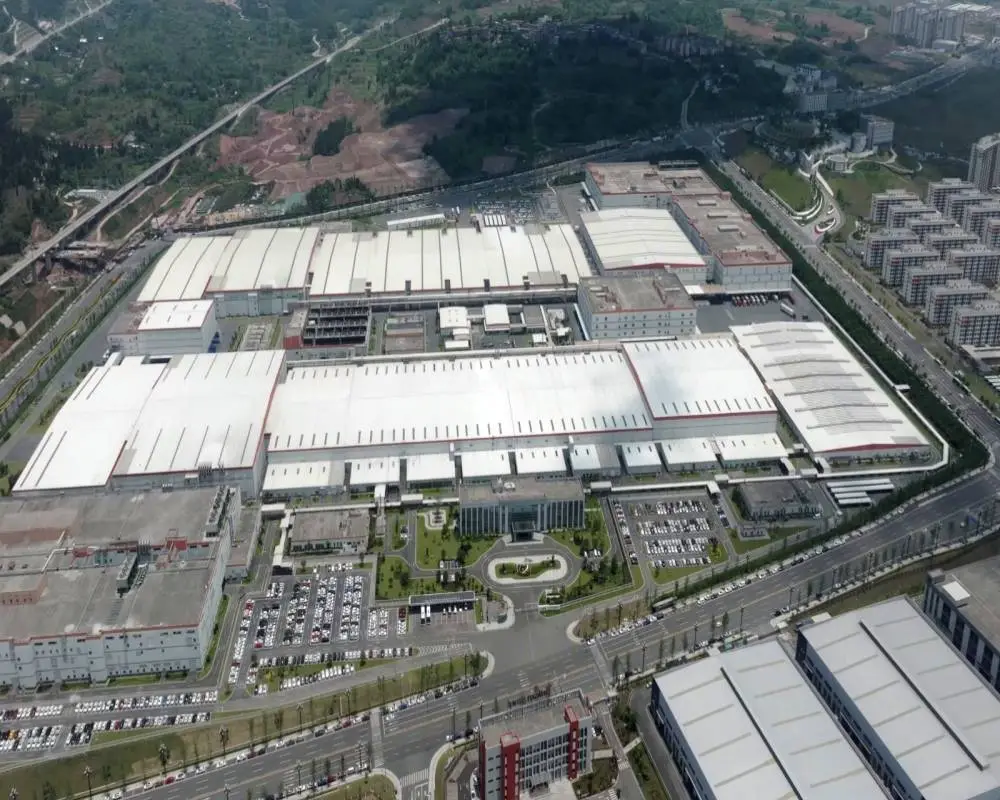
CATL’s Yibin plant earned Sustainability Lighthouse status with a 56 percent reduction in carbon footprint and helped 13 suppliers achieve carbon neutrality certification. The plant integrated AI-driven energy transition, microgrid solar-storage systems, and low-carbon product design.
Scope 1 and Scope 2 emissions fell 16 percent annually, while Scope 3 emissions per unit of output dropped 45 percent. The lighthouse factory technology here is not a single machine. It is an energy management architecture that reaches into the supplier base.
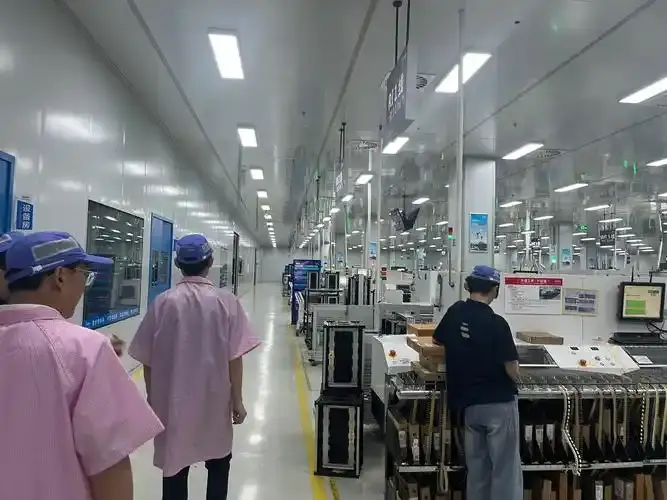
Midea’s Wuhu kitchen and water heating plant was recognized for supply chain resilience after deploying 113 digital use cases, 35 percent of which are AI-driven.
The factory consolidated more than 1,700 warehouses into 102 cloud warehouses and shortened the end-to-end delivery cycle by 39 percent. Market defect rates fell 86 percent.
Midea’s network includes over 5,000 upstream suppliers, which makes the Wuhu results a case study in coordinating small and mid-sized suppliers through a lighthouse factory operating model.
Which manufacturing challenge would your team want to investigate in China?
Whether your priority is order traceability, production quality or supplier coordination, start with the decision your team needs to make. Share your questions with ChoZan’s team to discuss relevant learning options.
Published improvements require context before they enter an investment proposal. A percentage needs a defined measure, a comparison period, a production scope, and an explanation of other changes during the same period.
The short public profiles cited here do not provide consistent measurement windows or detailed implementation costs across sites. Their reported outcomes cannot establish a like-for-like financial ranking.
A practical review of lighthouse factory performance should separate three questions:
| Question | Why the answer changes the business case |
| Did output become saleable and deliverable? | Higher production can create inventory if demand, quality approval, or distribution remains constrained. |
| Did the comparison include similar products and operating conditions? | A different order mix or maintenance schedule can affect the apparent improvement. |
| What recurring costs accompany the result? | Include software, engineering, calibration, and maintenance in the return calculation. |
A transfer decision starts with the receiving operation’s constraints. Existing machines may need interfaces, sensors, or controller changes before the proposed system can obtain usable data. Supplier contracts may restrict access to the information required.
These requirements shape a pilot’s scope. Select a product family with a defined problem, record the current process, and agree on acceptance criteria before installation. Include quality, delivery, and recurring cost. A comparable unchanged process can provide a useful reference where practical.
The pilot should also capture integration work that a showcase omits. Manual data cleaning, duplicate records, and engineering time can materially alter the economics of replication.
Request a map of standard software, custom code, and manual tasks. A software license may leave important configuration work with the host’s own engineering team. Establish who owns that work and who can change it.
Model updates deserve separate scrutiny. A revised product specification can change the conditions under which a quality model operates. The receiving business needs a method to approve updates, document versions, and reverse an unsuccessful change.
Ask suppliers to demonstrate how production continues during an update and how staff identify the active configuration. Put these responsibilities into the implementation scope. An attractive demonstration leaves a costly dependency unresolved if only its original developer can maintain it.
A useful China study should compare solutions against the receiving company’s operating priorities. The next decision might concern a customer promise, an outsourcing arrangement, a product launch, or an engineering capability.
Write that decision before selecting additional sites. It determines the documents, technical conversations, and commercial evidence the study must produce.
A comparison should leave the business with a specific hypothesis to test, an identified prerequisite, and a reason to reject the approach if conditions do not fit. That is a useful outcome from studying a lighthouse factory, even before any equipment order or site visit.
Bring sharper questions to China’s manufacturing ecosystem.
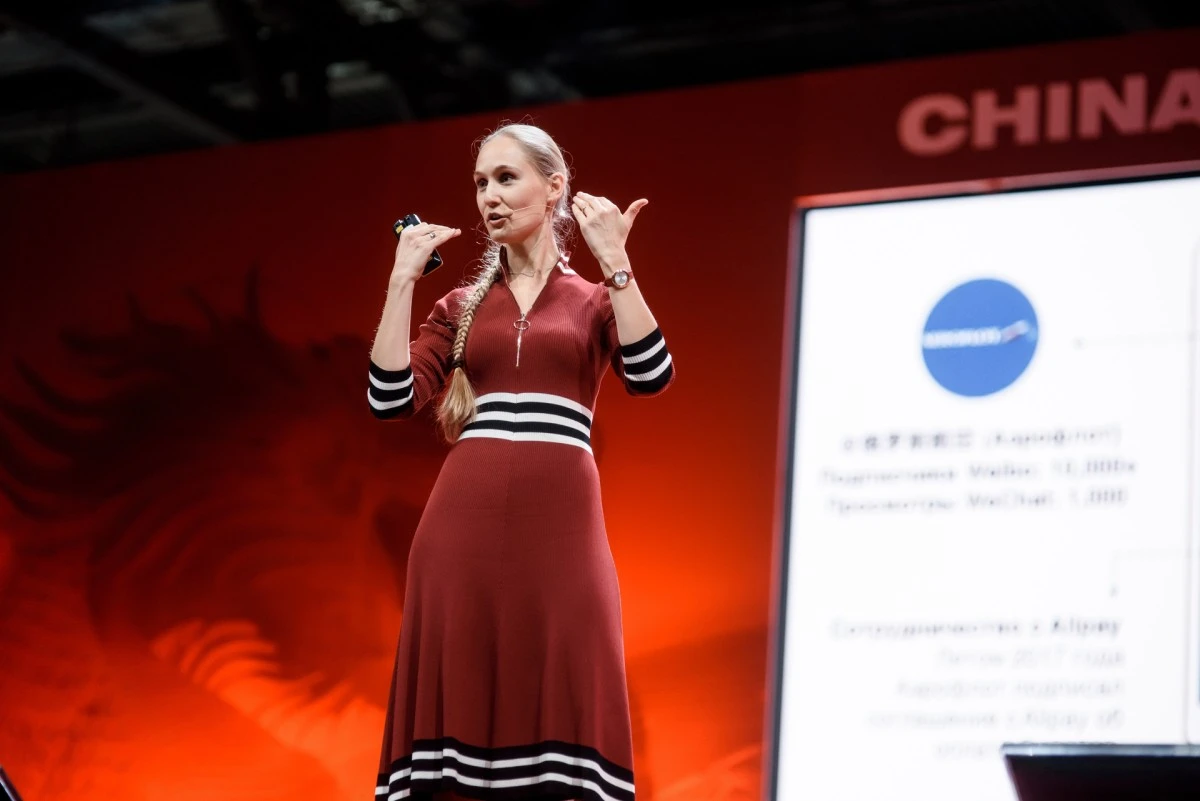
ChoZan’s China Innovation Tour brings together company visits, expert discussions and practical experiences to explore how technology is applied in business. A manufacturing-focused programme can connect your team’s interests with relevant questions about AI, automation and industrial operations.
Bring questions about how technology connects with production, quality and supply chains—and which operating conditions would matter in your own business. Explore the learning options and discuss a programme that fits what your team wants to investigate.
Specific visits and host access are subject to confirmation. The factories featured in this article are not a promised itinerary.

In manufacturing, this reverses the usual term, lighthouse factory. A company can also label its own facilities this way. Check WEF’s directory before assuming the wording establishes official recognition for the exact location.
Use the World Economic Forum’s official directory to locate named sites and their case profiles. Match the facility, city, and award category. A parent company’s name alone can obscure which operation received the recognition.
A smart factory adopts digital technologies to improve operations. A lighthouse factory receives World Economic Forum recognition for demonstrating measurable performance improvements by applying advanced technologies at scale in one or more defined operational areas.
The network includes supply chain operations alongside manufacturing sites. Its June 2026 cohort included RRS Qingdao Smart Logistics Park. This makes fulfillment, inventory coordination, and transportation legitimate subjects for studying the network’s practices.
The June 2026 cohort included sites in India, Saudi Arabia, Singapore, Switzerland, and the United States, in addition to China. Compare operating problems across locations rather than treating one country’s examples as a complete manufacturing blueprint.
The network includes a talent category covering work design, safety, development, and workforce effectiveness. Its framework recognizes people’s contribution alongside technology. Ask how roles and skills changed before assuming automation necessarily meant removing the workforce.
Access depends on the host and visit format. WEF’s Lighthouse Explore visits serve specified partner and network communities. A directory listing establishes recognition; it does not establish public admission, photography permission, or access through another organizer.
A brand can use the cases to define supplier data requirements, complaint tracing, and responsibility for customized orders. Agree on information access before changing customer promises or negotiating a new production arrangement.
WEF states that an independent expert panel designates sites. Manufacturers should contact the network for current application instructions, evidence requirements, assessment stages, and deadlines. An old cohort announcement should never determine the timing of a new application.
There is no useful universal project budget. Define the equipment, software, integration, training, maintenance, and downtime involved in the proposed change. Obtain a scoped quotation and calculate recurring costs before comparing suppliers or approving investment.