CONTENT
Growatt has developed from an inverter-focused Chinese manufacturer into a distributed energy systems supplier. Its current portfolio connects PV conversion, battery storage, backup power, EV charging, and digital energy monitoring across homes and commercial sites.
The shift matters because the inverter now acts as a control point within a wider system, rather than as a standalone electrical component. Buyers therefore need to assess software, battery compatibility, service, cybersecurity, and regional approvals alongside power ratings and conversion efficiency.
The current Growatt New Energy model covers three linked stages: energy generation, energy storage, and controlled consumption. Its global product catalog includes microinverters, residential and commercial string inverters, utility-scale models, battery-ready and hybrid units, off-grid systems, batteries, all-in-one storage, balcony storage, EV chargers, monitoring accessories, and portable power stations.
This range changes the company’s commercial role. A conventional Growatt PV inverter converts panel output for site use or grid export. A storage system adds decisions about when to charge, discharge, import, export, and reserve power. EV charging and load controls extend those decisions into electricity consumption. The software layer then coordinates the installed assets.
An August 2026 company announcement said S&P Global Commodity Insights placed Growatt among the top three hybrid inverter suppliers by 2025 shipment volume. The shipment announcement supports evidence of market adoption. It does not replace model-level checks on reliability, warranty execution, system design, or local service.
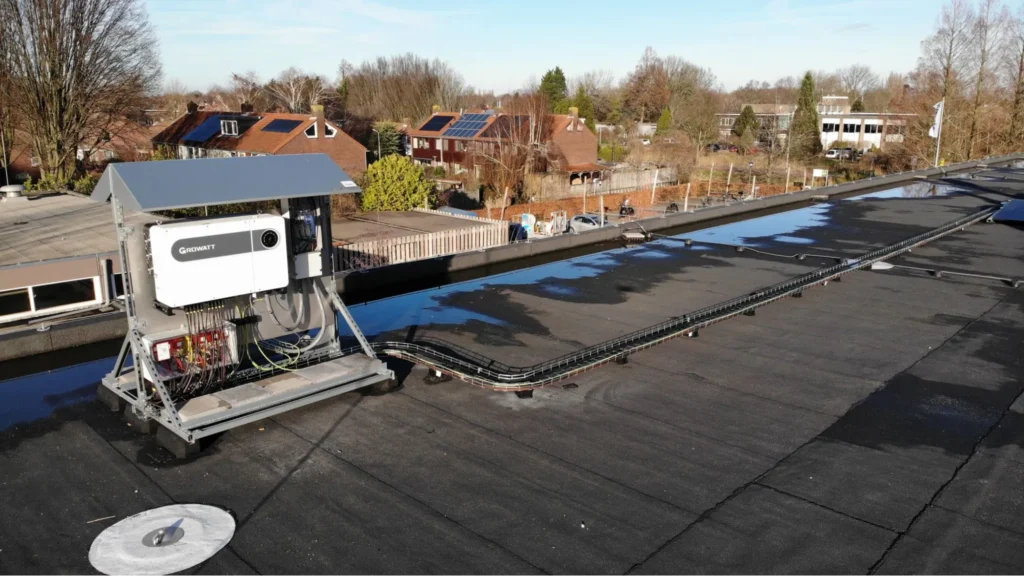
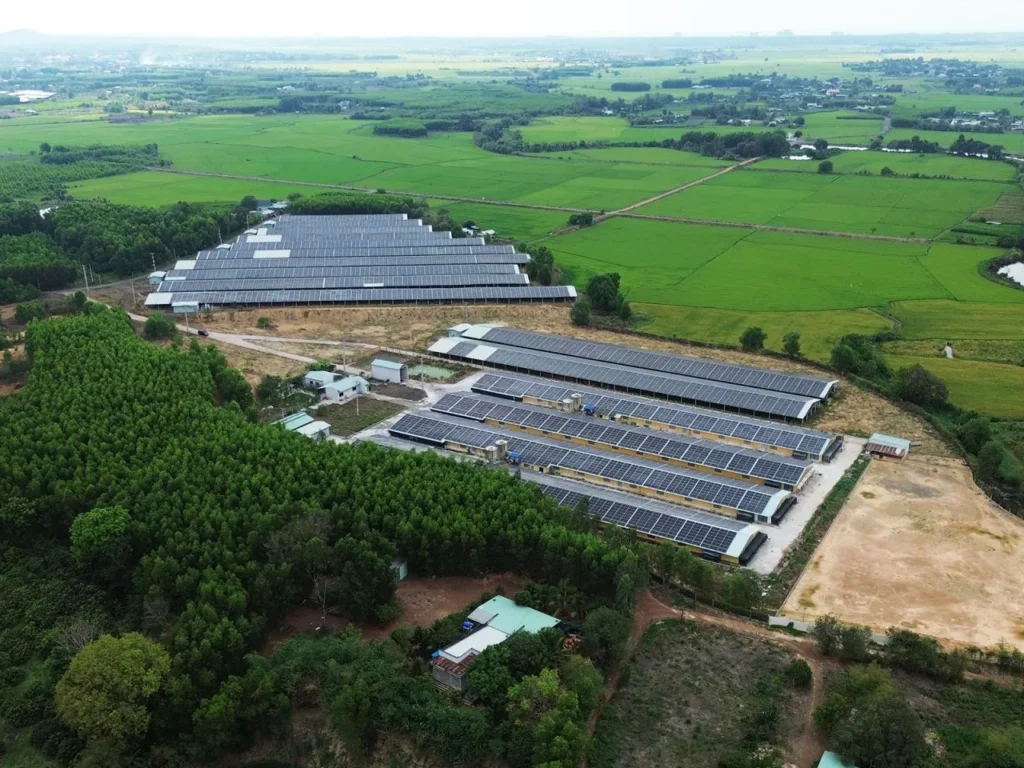
A Growatt grid-tie inverter converts solar DC into grid-compatible AC and serves sites built mainly for self-consumption and export. Battery-ready models preserve the option to add storage later.
A Growatt hybrid inverter manages panels, batteries, loads, and the grid within one architecture. Grid-tied inverters serve connected sites, while hybrid inverters coordinate storage. Off-grid inverters add generator support and independent operation for weak-grid or remote sites.
The product name alone cannot confirm fit. Phase configuration, MPPT count, battery voltage, backup output, transfer time, export control, local grid code, and approved battery list all affect system design. Growatt inverters also vary by country, so a global datasheet should never replace a local certificate and compatibility document.
The clearest 2026 example is MINA. This all-in-one residential system combines hybrid inverter functions, modular storage, backup support, and monitoring. Its battery optimizer manages modules separately, supporting later capacity expansion and reducing the impact of differences in module age or charge state, according to the August 2026 MINA launch.
The APX HV Battery 2.0 shows the same modular logic. The current Growatt battery platform offers 5 kWh to 30 kWh configurations, supports mixed charge states, and permits new and earlier APX modules in one system. Its February 2026 launch details also cite LFP chemistry, IP66 protection, and a cable-free stacked design.
These Growatt batteries are part of a defined compatibility architecture. They should not be treated as interchangeable storage blocks. Inverter firmware, battery management communication, usable capacity, warranty terms, and approved pairing all need confirmation.
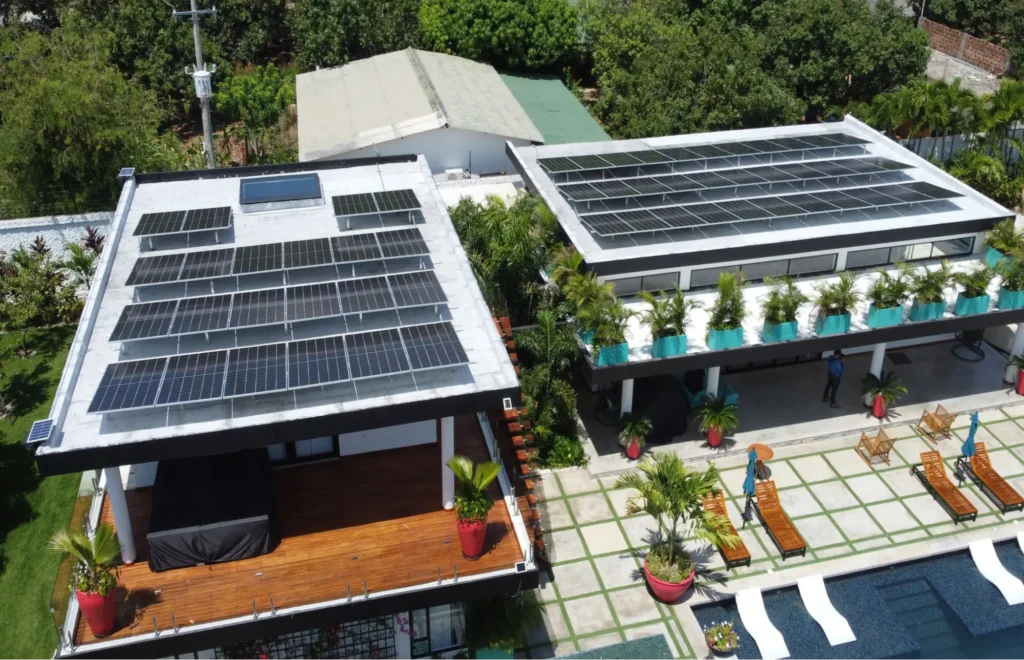
The RISE 261H-XH brings the platform approach into commercial and industrial projects. It integrates a hybrid inverter, a 261 kWh LFP battery, AC distribution, energy management, generator input, and smart-load control in one system. The May 2026 product release lists 50 kW, 63 kW, 85 kW, and 125 kW versions. Up to ten units can form a 1.25 MW and 2.61 MWh installation.
This design can shorten engineering and commissioning work because the core equipment arrives pre-assembled. It also concentrates responsibility within one vendor architecture.
Contract reviews should therefore define response times, spare parts, remote access, data ownership, fire documentation, and operation if cloud services become unavailable.
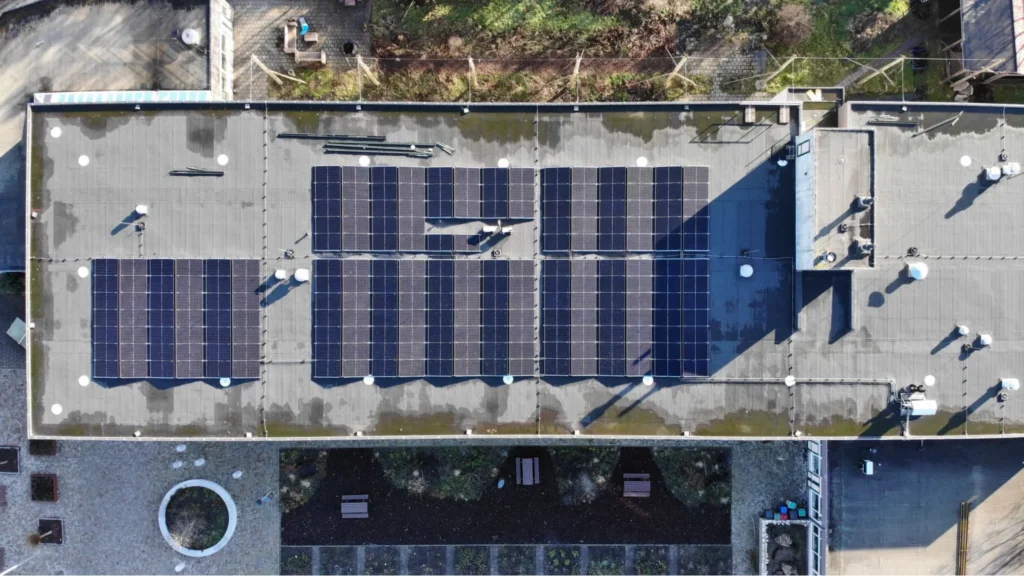
The current monitoring platform assigns distinct roles to ShinePhone, ShineServer, ShineTools, and OSS. ShinePhone gives users one app for products and WiFi setup. ShineServer displays self-consumption and energy trends. ShineTools supports local commissioning and firmware upgrades. OSS adds fleet operations and smart I-V curve diagnosis for installers and distributors.
This layer makes a growatt solar inverter part of an ongoing operating relationship. System value can come from higher self-consumption, time-of-use scheduling, peak shaving, backup reserves, fault diagnosis, and coordinated EV charging. Each benefit depends on tariff rules, load profiles, system sizing, and configuration. Hardware ownership alone does not produce the outcome.
Interoperability also matters. In 2025, Growatt documented that ShineWiLan-X2 supports Modbus TCP and can connect an inverter to third-party control platforms.
That third-party control capability can reduce dependence on a single front end, although project teams still need to verify command rights, data resolution, API support, and firmware behavior.
Growatt is packaging common technical platforms around local energy problems. Europe received balcony storage and all-in-one residential systems suited to urban housing and variable tariffs.
Pakistan received the SPM 2.5KTL to 10KTL HU2 family in July 2026, with lithium and lead-acid compatibility, generator input, Smart Load control, and sub-10 ms backup switching. The Pakistan launch specification reflects a market where backup reliability and flexible battery sourcing shape demand.
This approach combines centralized product development with market-specific configuration and channel training. A 2026 technical immersion program brought overseas teams to the China headquarters for product, commissioning, troubleshooting, and service workshops.
The strategic point is simple: global expansion now depends on local technical execution as much as export volume.
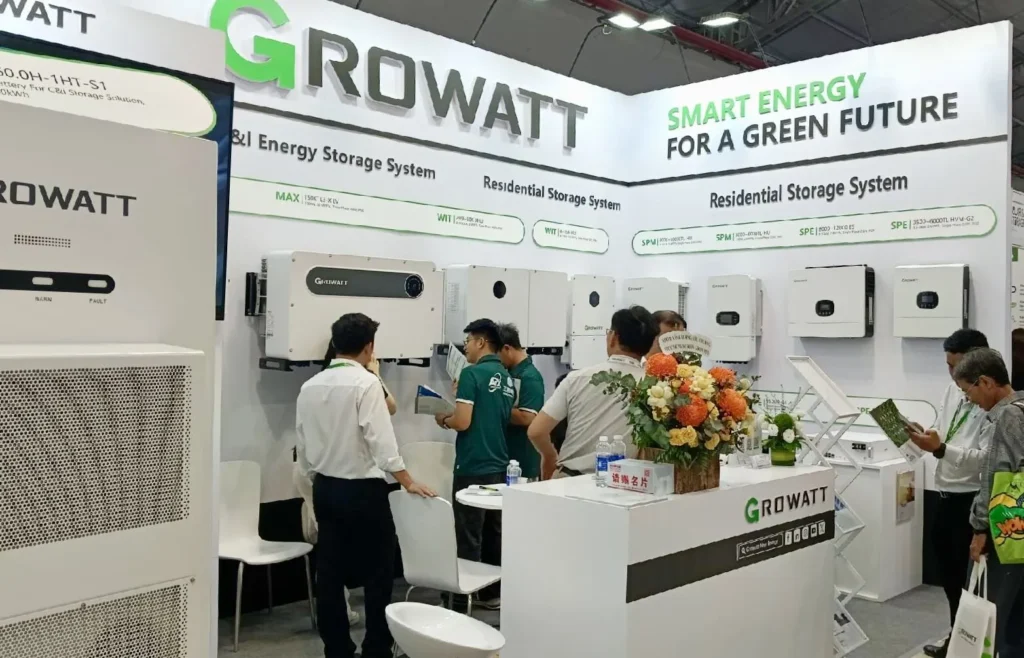
Specify the desired result before selecting a model. A simple export system, essential-load backup, whole-home backup, tariff arbitrage, generator integration, and commercial peak shaving require different inverter, battery, gateway, and switchgear designs.
Compare Growatt hybrid inverters on usable backup power and surge capability, rather than nominal inverter capacity alone.
Connected energy assets require cyber due diligence. Forescout’s reported 46 new vulnerabilities across Growatt, Sungrow, and SMA products. The researchers said the reported issues were patched after responsible disclosure. Procurement should still require a patch policy, vulnerability reporting route, network segmentation, access logging, and a supported firmware lifecycle.
US buyers face another current check. In July 2026, the FCC added foreign-produced power inverters to its Covered List, subject to a conditional-approval route. Growatt stated that its previously authorized US models remain eligible for import, sale, and installation, while the change may affect future model authorizations.
The company’s US statement lists the grandfathered families. Buyers should verify the exact model and authorization status at contract signing.
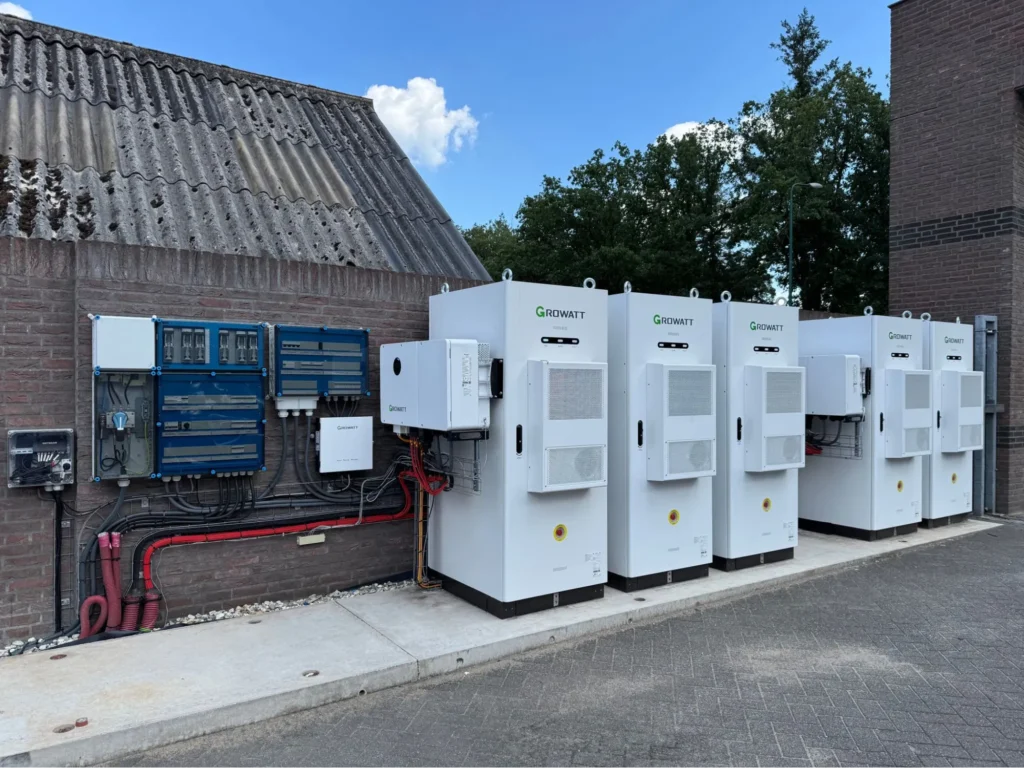
Growatt solar strategy now reaches beyond conversion hardware. Modular batteries, prefabricated commercial storage, EV charging, monitoring, and third-party control create a broader installed system.
This can simplify procurement and commissioning when the local partner can handle it. It can also increase switching costs and dependence on firmware, cloud access, and service response.
The strongest evaluation therefore sits at system level. A Growatt solar inverter may anchor the design, but long-term value will depend on compatible storage, usable control, local support, cyber governance, and compliance throughout the asset’s operating life.
ChoZan helps global teams interpret companies such as Growatt within China’s wider energy and technology ecosystem. Our work includes market research, executive briefings, expert calls, workshops, consulting, and China learning expeditions.
Book a consultation to examine the commercial meaning behind China’s distributed energy systems.
Yes. Growatt is headquartered in Shenzhen, China, with product development and international operations supporting multiple regional markets. Buyers should still contract through the authorized local entity or distributor responsible for certification, warranty service, and technical support.
Growatt is known for inverters, energy storage, EV chargers, monitoring, and related energy-management products. Its current official catalog does not present solar modules as a core product category, so panel selection normally comes from another manufacturer.
Only a correctly designed backup system can operate during a grid outage. A standard grid-tied unit normally shuts down for anti-islanding protection. Backup requires a compatible hybrid model, battery, switching equipment, and correctly separated loads.
Compatibility depends on the exact inverter, firmware, voltage class, and battery communication protocol. Some current models support multiple battery types, but that does not mean every brand works. Check the regional approved-battery list before purchase.
A battery-ready model preserves a path to storage, sometimes through added equipment or a defined battery interface. A hybrid unit actively manages PV, battery, grid, and loads. Confirm backup capability because hybrid status alone does not guarantee it.
Yes, compatible Growatt systems can coordinate PV-linked EV charging through the GroHome ecosystem and supported chargers. Actual solar-only charging depends on metering, charger compatibility, available surplus generation, minimum charging power, and local configuration.
Remote app monitoring requires a compatible data connection, which may use ShineWiFi, LAN, or another supported logger. Core inverter operation is separate from app visibility. Confirm the communication accessory included with the regional product package.
Use the official regional warranty portal and enter the exact serial number when available. Coverage can differ by model, country, seller, and commissioning date. Written confirmation should identify labor, freight, replacement process, exclusions, and service responsibility.
It can contribute to whole-home backup only when battery capacity, inverter output, surge rating, gateway, and load design support the property’s demand. Many systems protect selected circuits instead. Request a load schedule and backup-duration calculation.
Some installations can connect through ShineWiLan-X2 using Modbus TCP, which supports third-party control platforms. Access differs across models and regions. Confirm local data availability, command permissions, cybersecurity controls, polling limits, and support before integration.