CONTENT
The CATL sodium-ion battery matters because it shifts the conversation about batteries from a chemistry curiosity to industrial deployment. In 2025, CATL introduced Naxtra as its sodium battery brand. In 2026, the story moved into real vehicles, energy storage orders, and production scale. That shift matters for automakers, utilities, and global supply chains.
CATL said its Naxtra passenger EV battery reaches 175 Wh/kg, supports 500 kilometers of range, and can reach more than 10,000 cycles. The company also said the battery retains 90% of its usable power at minus 40°C and operates from minus 40°C to plus 70°C. Those claims place the Naxtra battery closer to practical EV use than many earlier sodium concepts.
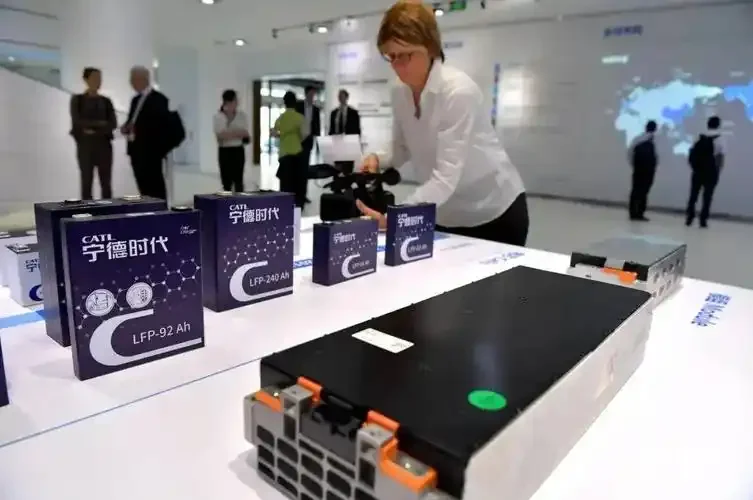
The CATL sodium-ion battery fits within a broader strategy. CATL does not present sodium as a niche experiment. It presents it as a second chemistry track that can reduce pressure on lithium resources, support colder markets, and open new battery use cases. That makes sodium-ion chemistry a business-model issue, not only a materials-science issue.
The timing also matters. CATL reported 2025 revenue of RMB 423.7 billion, lithium-ion battery sales of 661 GWh, and global production capacity of 772 GWh. It also said sodium-ion batteries should see wider adoption from 2026 in battery swapping, passenger vehicles, commercial vehicles, and energy storage.
That scale gives the CATL sodium battery story a different weight. Many battery startups can show promising cells. CATL can connect chemistry, manufacturing, vehicle partners, energy storage customers, battery management systems, and infrastructure.
For executives watching China’s battery innovation, the key signal is not one lab breakthrough. The signal is an industrial coordination.
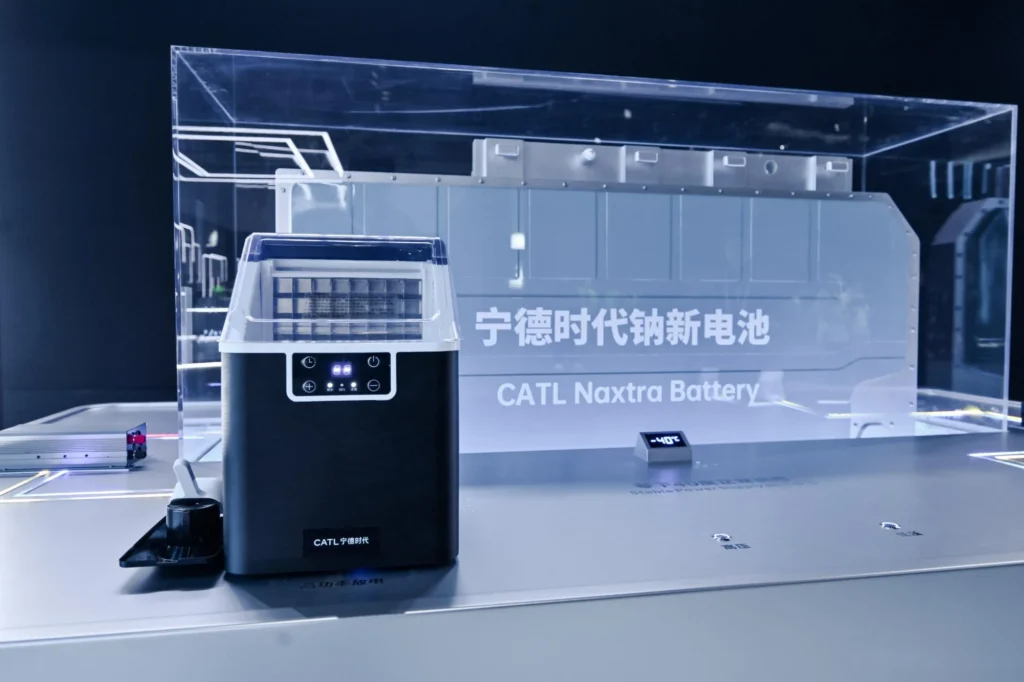
The CATL Naxtra launch gave sodium ion a clearer commercial identity. CATL framed Naxtra across passenger EV batteries and a 24V heavy-duty truck start-stop product. That product split matters because sodium can serve different performance needs across mobility and storage, rather than chasing premium long-range EVs alone.
The passenger EV version reaches 175 Wh/kg, which CATL describes as comparable to LFP batteries. The truck product targets cold starts, long service life, and lower lifecycle cost compared with lead-acid batteries. This shows how the CATL battery roadmap uses sodium, where the chemistry’s strengths align with operational pain points.
This is the strategic value of the CATL naxtra battery. It is not positioned as a universal replacement for every lithium pack. It adds a new layer to CATL’s portfolio. Sodium can support city EVs, cold-climate fleets, commercial vehicles, battery-swap networks, and grid storage where cost, safety, and cycle life matter more than maximum range.
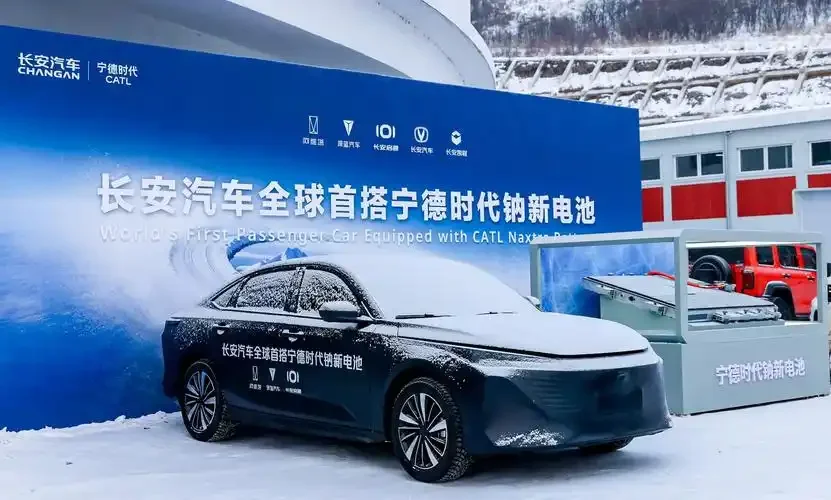
The EV relevance became clearer in February 2026, when CATL and Changan announced the world’s first mass production sodium-ion passenger vehicle. CATL said the Naxtra battery delivers more than 400 kilometers of pure-electric range through Cell-to-Pack design and an intelligent BMS. It also projected a range of 500 to 600 kilometers for future pure-electric variants as the supply chain matures.
That is why CATL sodium-ion batteries now deserve carmakers’ attention. A range of over 400 kilometers can cover many urban and regional driving needs in China. It also gives sodium a realistic entry point into compact EVs, fleet vehicles, and cold-region mobility.
Cold performance may become the strongest argument for EVs. CATL said the battery delivers nearly triple the discharge power of an equivalent LFP battery at-30°C. It also maintains more than 90% capacity at minus 40°C and stable power at minus 50°C. That gives cold-weather performance a direct commercial link to driver confidence.
For many automakers, CATL’s sodium-ion battery may become an LFP alternative in select segments. LFP still has scale, maturity, and supplier depth. Sodium has a practical opening where winter performance, mineral diversity, and lifecycle economics matter. That distinction makes the technology easier to evaluate.
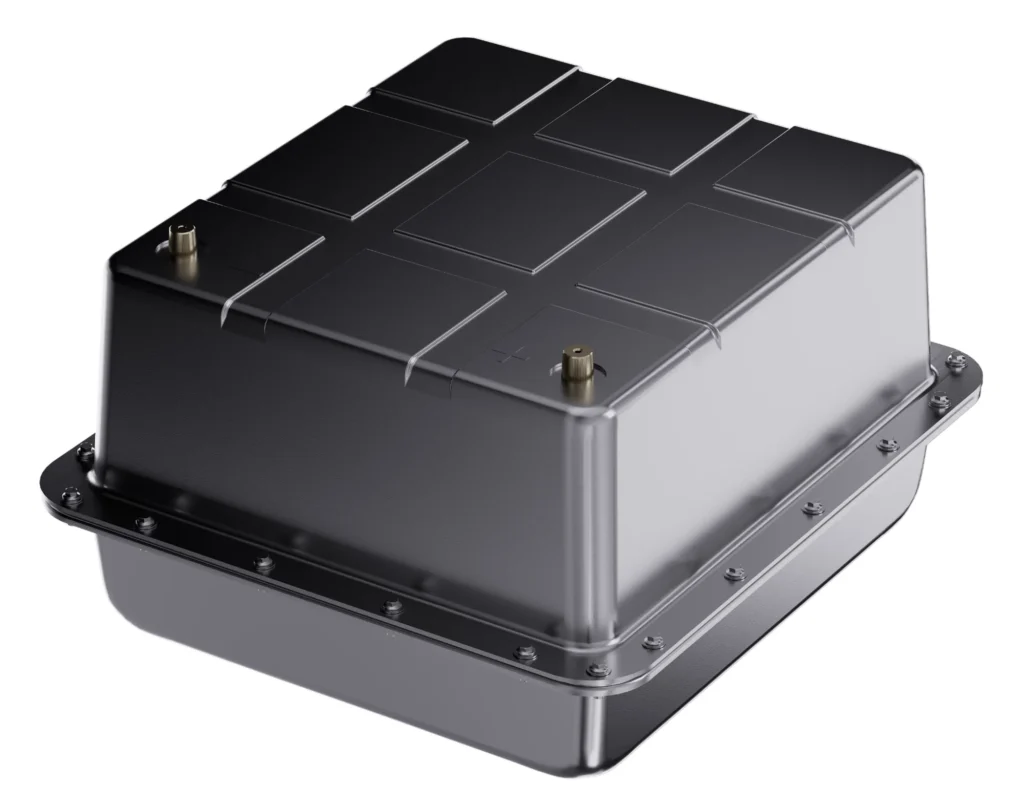
EV headlines attract attention, yet energy storage may give sodium its fastest large-scale runway. In April 2026, Reuters reported that CATL signed a three-year agreement to ship 60 GWh of sodium-ion batteries to Beijing HyperStrong Technology for energy storage systems. CATL did not disclose the deal value.
This matters because grid storage rewards different battery attributes than passenger cars. Stationary systems care about safety, lifecycle cost, supply reliability, and raw material availability. Sodium’s lower energy density raises less concern when the battery is installed in a fixed enclosure.
Reuters also noted that sodium-ion batteries use widely available raw materials and have less volatile pricing than lithium-ion batteries. That point connects directly to the battery supply chain issue. Storage developers want predictable costs because project economics depend on procurement certainty, not only cell performance.
CATL’s energy storage position gives the CATL NAXTRA story extra force. SNE Research reported that CATL shipped 167 GWh of LIBs for ESS in 2025, capturing a 30% share. That leadership gives CATL customers access when it introduces sodium products into storage procurement cycles.
The CATL sodium-ion battery directly addresses lithium dependence because sodium resources are more abundant and less subject to lithium price cycles. Reuters reported in 2025 that sodium is cheap and abundant, with the potential to lower fire risk in EVs. CATL also said the chemistry may gain a cost advantage as technology and supply chains mature.
This does not mean lithium loses importance. Lithium-ion remains central to high-energy-density vehicles, premium EVs, and many existing manufacturing systems. Sodium adds a second route for use cases that do not need the top-tier range. That gives automakers and energy companies more flexibility in battery planning.
The strategic point is resilience. A more diversified battery supply chain reduces exposure to one material system. It also allows China’s battery ecosystem to build parallel capacity around lithium, LFP, sodium, recycling, and storage integration. That is why China’s battery innovation often moves through system design, not isolated invention.
Search interest around the CATL sodium-ion battery price is understandable, but buyers should treat current price claims with caution. CATL has not published a standard public pack price for Naxtra passenger EV batteries. Reuters also reported that CATL did not disclose the value of its 60 GWh HyperStrong energy storage deal.
The more useful way to read CATL sodium ion battery price is through the cost direction. Sodium can reduce exposure to lithium price swings. It may also lower system costs in storage and cold-climate applications once production scales. Still, final pack pricing depends on cell format, pack design, vehicle integration, order volume, and customer requirements.
This is why EV battery cost analysis should separate cell chemistry from system economics. A lower material base can help. Manufacturing yield, BMS design, certification, pack architecture, logistics, and warranty risk also shape the final price. CATL’s advantage comes from controlling more of that system.
The CATL battery roadmap now looks more layered. Shenxing addresses fast charging. Freevoy supports hybrid and extended range needs. Naxtra gives CATL a sodium path for cold regions, storage, cost-sensitive mobility, and supply chain diversification. That layered approach lets CATL match chemistry to scenario.
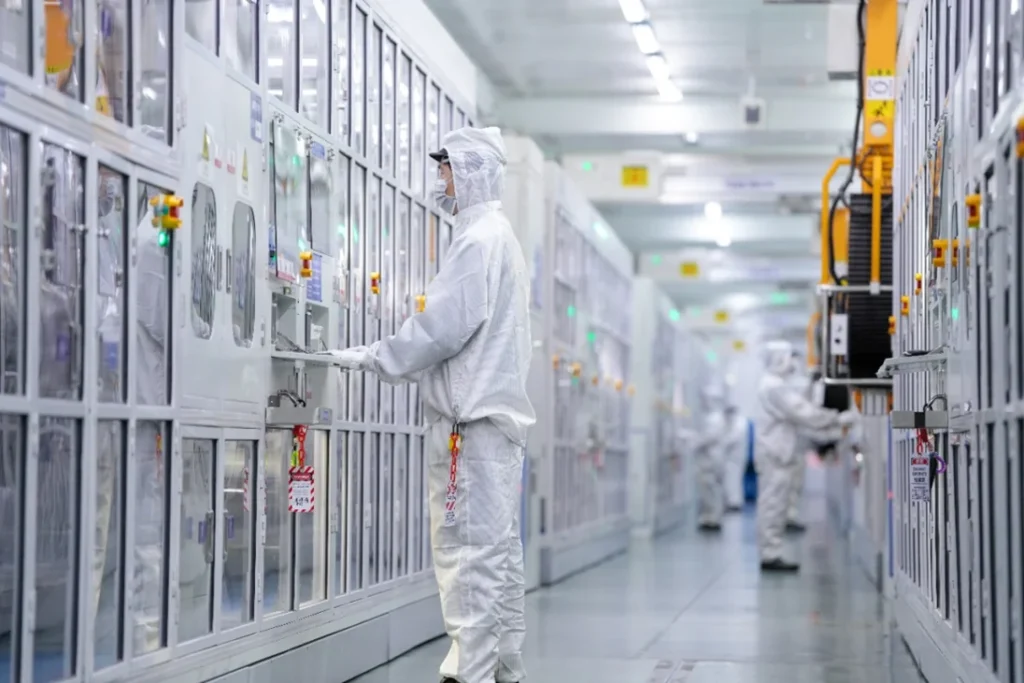
In April 2026, CATL said Naxtra marked a move from laboratory breakthrough to large-scale manufacturing. It also said it had reached GWh-level industrialization and solved production barriers related to water control, hard carbon gas generation, aluminum foil adhesion, and self-forming anode systems.
That production detail matters. Sodium-ion commercialization depends on manufacturing discipline, not just cell promise. If CATL can scale yield, reliability, and customer delivery, the CATL Naxtra battery becomes a platform. If production proves difficult, adoption will stay limited.
Executives should watch three signals around the CATL sodium-ion battery.
For global companies, the lesson is clear. The CATL sodium-ion battery is not only a battery chemistry story. It shows how Chinese firms convert material innovation into industrial deployment through customers, infrastructure, and manufacturing scale. That is the real competitive lesson behind CATL’s search for sodium-ion battery demand.
Sodium-ion batteries are only one part of China’s rapidly evolving energy ecosystem. ChoZan helps executives understand the technologies, companies, and strategic shifts shaping China’s innovation landscape through research, executive briefings, and tailored learning experiences. If your team wants to turn China market signals into informed business decisions, book a consultation with ChoZan.
No, CATL sodium-ion batteries are expected to work within existing EV charging ecosystems. The bigger adjustments happen at the battery management and vehicle integration levels rather than through entirely new public charging networks.
Potentially, yes. Sodium-ion chemistry generally shows strong thermal stability, which may reduce certain fire risks associated with battery failures. Real-world safety outcomes still depend on pack design, manufacturing quality, and battery management systems.
Yes, sodium-ion batteries can be recycled, although dedicated recycling systems remain less mature than lithium-ion pathways. As adoption grows, recovery technologies and commercial recycling networks are likely to expand alongside deployment.
Several global automakers and battery developers are evaluating sodium-ion technology for future applications. Interest is strongest in entry-level EVs, commercial fleets, and storage-linked mobility solutions where cost efficiency outweighs maximum range.
Sodium-ion batteries may support competitive charging speeds, but performance varies by cell design. Future commercial models will determine how effectively sodium balances charging convenience with longevity, safety, and cost objectives.
Possibly, but not immediately. Lower raw material exposure could improve cost structures over time, though vehicle pricing also reflects manufacturing scale, software integration, distribution costs, and competitive market dynamics.
Telecommunications, backup power, microgrids, renewable integration, and industrial facilities could all benefit from sodium-ion storage. These sectors often prioritize reliability, affordability, and long operational life over energy density.
Sodium-ion batteries could diversify sourcing strategies by reducing dependence on specific critical minerals. This may encourage more geographically distributed battery ecosystems and improve resilience against commodity price volatility.
Yes, battery swapping could create a practical pathway for sodium-ion deployment. Standardized fleets and predictable usage patterns allow operators to prioritize durability, cold-weather performance, and lifecycle economics.
Organizations should assess the total cost of ownership, supplier maturity, regulatory requirements, warranty structures, and application fit. The best battery choice depends on operational priorities rather than chemistry alone.