CONTENT
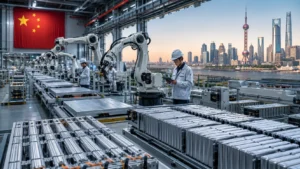
China’s battery manufacturers now sit at the center of global electric mobility, energy storage, industrial electrification, and clean technology supply chains. In 2026, the question for global executives is no longer only which battery company can deliver the lowest cell price. It is the question of which supplier can combine chemistry leadership, manufacturing scale, safety performance, recycling compliance, global delivery, and customer credibility.
The latest market data shows why China remains central. From January to April 2026, CATL accounted for 40.1% of global EV battery usage, while BYD accounted for 14.2%. Seven Chinese companies ranked among the global top 10 and together accounted for 72.2% of the market.
China’s advantage comes from a complete industrial system. The strongest battery companies not only manufacture cells. They coordinate cathode materials, battery management systems, pack design, manufacturing automation, energy storage systems, recycling channels, and partnerships with automakers.
For global business leaders, this changes the logic of procurement. Choosing between lithium-ion battery manufacturers is now a strategic decision linked to product positioning, cost structure, compliance exposure, charging performance, and long-term supply security.
Global battery storage additions reached 108 GW in 2025, 40% higher than in 2024, and China accounted for around 60% of new battery storage capacity additions. LFP batteries accounted for around 90% of deployments, which reinforces the commercial importance of Chinese LFP expertise.
The next phase for electric vehicle battery manufacturers is system control. A strong cell is no longer enough. Automakers want fast charging, thermal safety, pack integration, warranty confidence, traceability, and a supplier capable of supporting multiple vehicle classes.
Energy companies want battery systems that can work across grid, solar, commercial, and data center storage, as well as data center backup. Industrial buyers want fewer integration risks. Investors want proof that a Chinese battery company can defend margins during price competition.
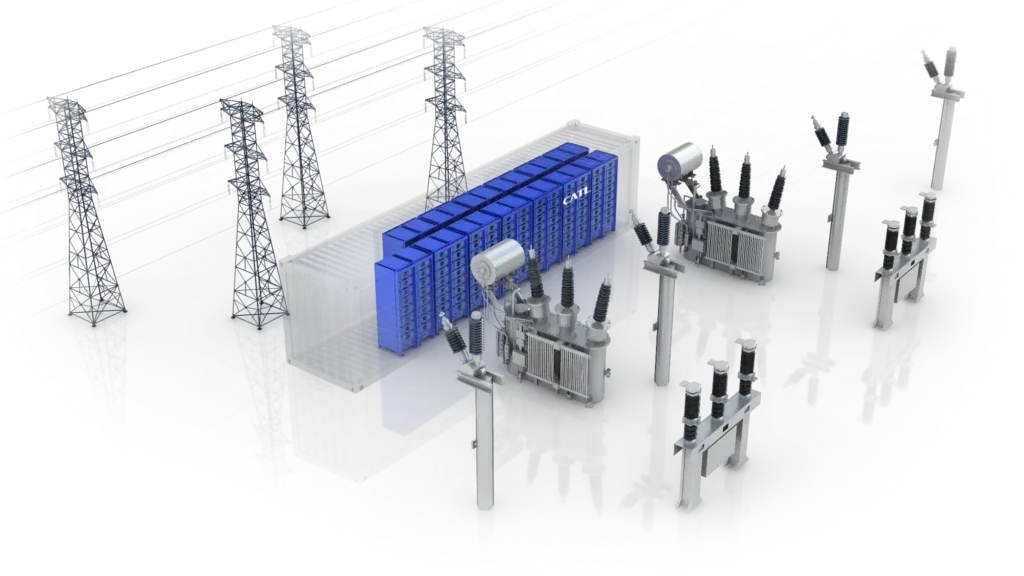
CATL remains the reference point for global EV battery companies. In its 2025 annual report released in March 2026, CATL reported lithium battery sales of 661 GWh, revenue of RMB 423.7 billion, and net profit of RMB 72.2 billion. The company also reported a 39.2% global power battery share and a 30.4% global energy storage battery shipment share for 2025.
CATL’s strategic relevance comes from breadth. It serves global automakers, energy storage clients, commercial vehicles, marine applications, and emerging electric aviation. In April 2026, CATL launched new battery technologies, including the latest-generation Qilin battery targeting a 1,000 km range, an upgraded Shenxing battery capable of charging from 10% to 98% in under seven minutes, and sodium-ion batteries planned for mass delivery in the fourth quarter of 2026.
For executives, CATL is the default benchmark among lithium battery manufacturers because it combines scale with chemistry optionality and global customer depth.
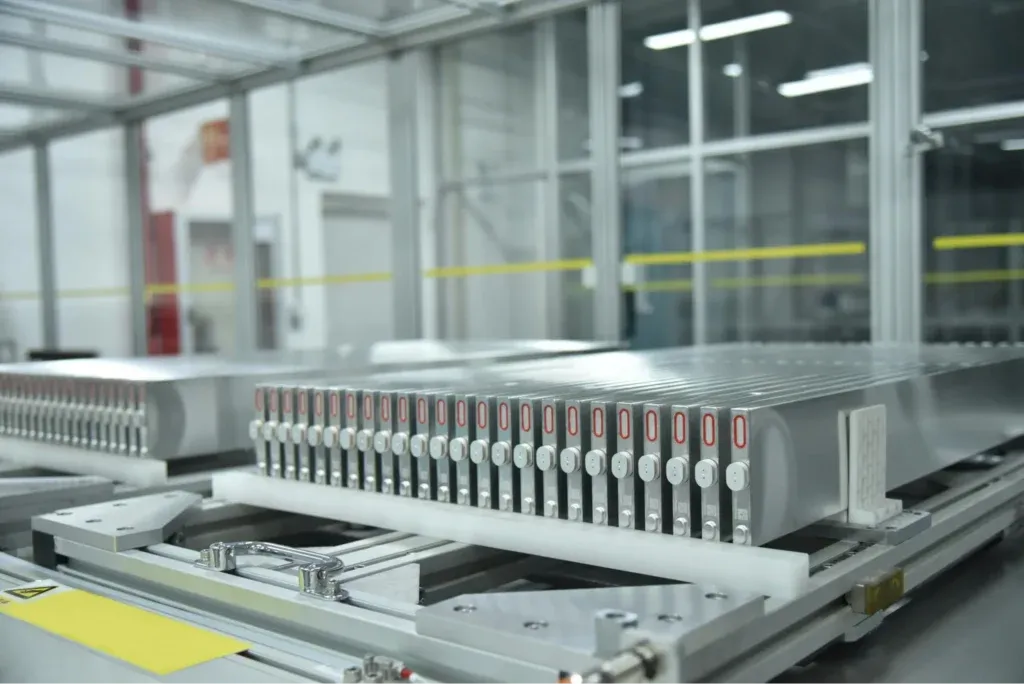
BYD is one of China’s most strategically important electric-vehicle battery manufacturers because its battery business is integrated into its own vehicle ecosystem. That creates a powerful feedback loop among battery design, vehicle architecture, charging needs, and consumer experience.
In March 2026, BYD unveiled its second-generation Blade Battery and FLASH Charging Technology. The company said the system can charge from 10% to 70% state of charge in five minutes and reach 97% in nine minutes under stated conditions. BYD also announced plans to construct 20,000 FLASH Charging Stations across China and begin global rollout at scale by the end of 2026.
BYD is also localizing battery production outside China. In June 2026, Reuters reported that BYD was scaling up battery production in Brazil and preparing an investment in battery energy storage systems for the national grid.
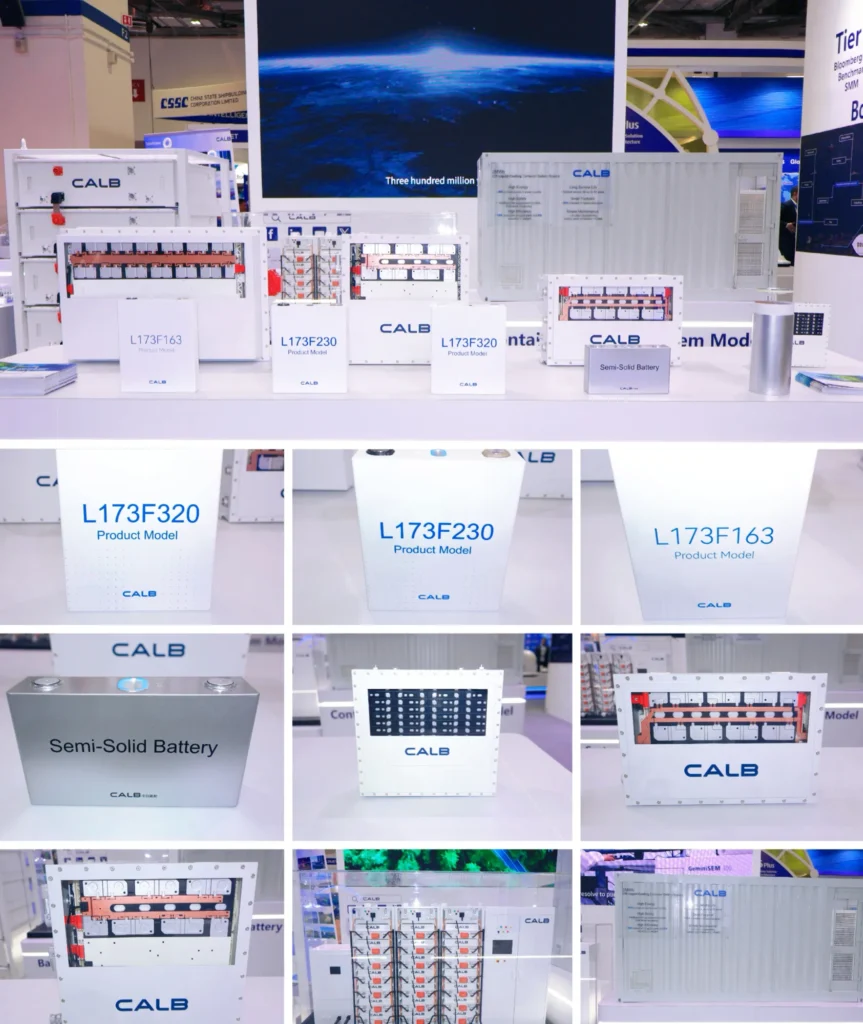
CALB is one of the most important challenger lithium-ion battery companies to watch. In January to April 2026, CALB ranked fourth globally with 5.1% market share and 18.1 GWh of EV battery installations.
The company’s 2025 results announcement, released in March 2026, reported revenue of RMB 44.4 billion and profit of RMB 2.095 billion. CALB also highlighted stronger market share in power batteries and energy storage, international OEM access, and a growing presence in commercial vehicles, energy storage, shipping, low-altitude applications, and robotics.
CALB matters because it is not trying to look like a smaller CATL. Its appeal is in targeted growth, supercharged batteries, storage cells, and deeper roles in specific OEM supply chains.
EVE Energy is a key lithium battery manufacturer for buyers tracking both power batteries and stationary storage. Its official product portfolio covers consumer batteries, power batteries, passenger vehicle batteries, commercial applications, energy storage, and recycling.
In February 2026, EVE Energy and ARCTECH announced a two-year 12 GWh strategic energy storage cooperation plan, including 10 GWh of large-scale energy storage battery products and 2 GWh of energy storage system products.
EVE’s value is strongest where energy storage, PV integration, and battery cell performance meet. For global buyers comparing lithium-ion battery suppliers, EVE should be assessed on application fit, project delivery record, and storage system economics.
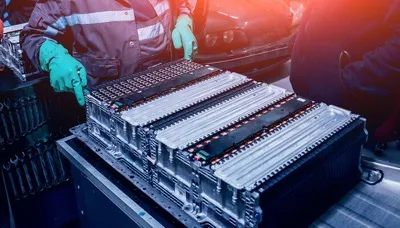
Gotion High Tech ranked fifth globally from January to April 2026 with 4.4% market share and 15.6 GWh of installations.
Gotion’s official investor relations page lists its 2025 annual report and 2026 first quarter report, both released in April 2026. This matters for procurement teams and investors because public reporting supports financial due diligence, capacity analysis, and customer risk review.
Gotion is worth watching as a mid tier scale player with global ambitions. It does not match CATL’s dominance, yet it offers another route for automakers and storage developers seeking alternatives among Chinese Li-ion battery manufacturers.
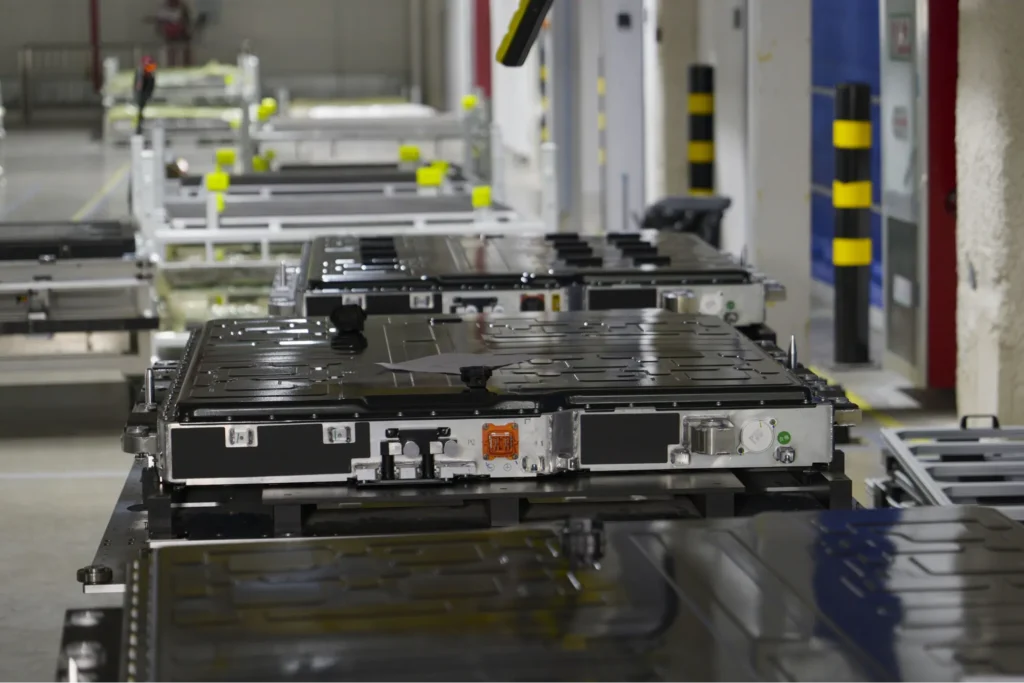
SVOLT is a more focused player with growing visibility. Its official site states that its global EV battery installed capacity reached 6.5 GWh in Q1 2026, up 33.6% year-on-year, based on SNE Research data. The company said this was the highest growth rate among the top 10 global suppliers during that period.
SVOLT’s strategic relevance stems from its Short Blade Battery, passenger-vehicle batteries, commercial applications, and energy storage solutions. For automakers, SVOLT may be attractive where pack structure, cost, and differentiated cell formats matter.
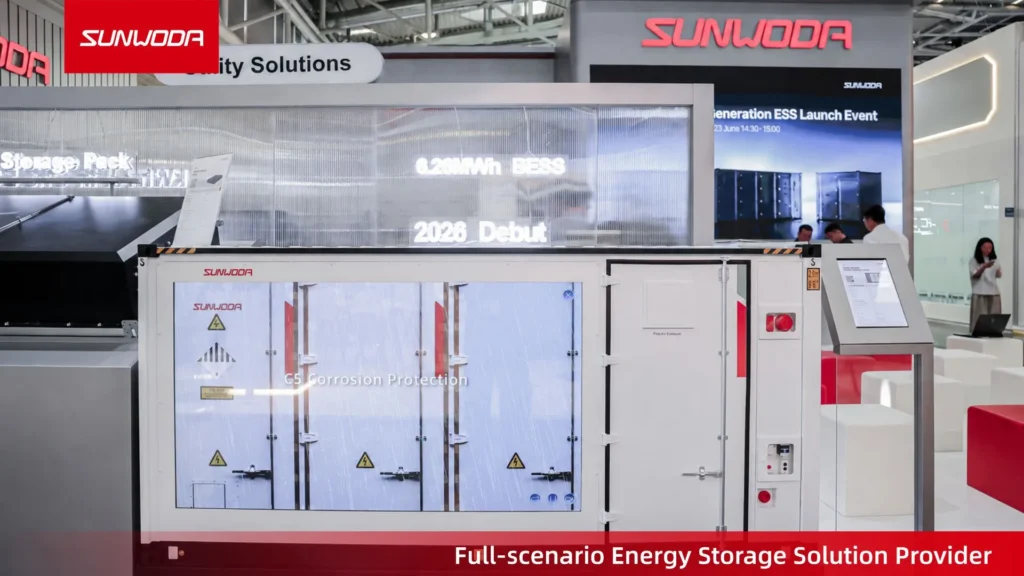
Sunwoda is a diversified Chinese battery company with 30 years of experience in battery R&D and manufacturing. Its official site lists power batteries, energy storage batteries, 3C batteries, energy services, smart hardware, and industrial innovation among its core businesses.
Sunwoda ranked tenth globally from January to April 2026 with 2.5% market share and 8.7 GWh of installations.
Global buyers should also treat quality history as part of due diligence. In February 2026, Reuters reported that Sunwoda reached a settlement with Geely’s battery unit over claims related to defective battery cells supplied between 2021 and 2023.
The right supplier shortlist depends on the use case. Passenger EVs need fast charging, long cycle life, strong warranty coverage, and global service. Commercial fleets need durability, safety, predictable cost, and pack-level integration. Grid storage buyers need long cycle life, thermal control, bankability, and system-level performance.
Compliance is now a larger factor. China’s 2026 interim measures on used NEV power battery recycling assign each power battery a digital identity and take effect on April 1, 2026. The framework includes national traceability and life cycle management.
For executives, this means supplier evaluation should include recycling infrastructure, traceability data, after-sales service, export exposure, IP risk, and financial resilience. The best battery manufacturers are those that can support the full operating life of a battery, not only the first purchase order.
China’s battery manufacturers are no longer interchangeable factory suppliers. They are technology partners, infrastructure partners, and supply chain power centers. CATL sets the scale benchmark. BYD shows the advantage of vertical integration. CALB brings challenger momentum. EVE Energy has strong storage relevance. Gotion, SVOLT, and Sunwoda offer buyers more options, each with distinct risk and capability profiles.
For investors, marketers, procurement leaders, and strategy teams, the commercial question is clear. The winning partner will be the one whose chemistry, manufacturing discipline, application fit, and compliance systems match the market you are trying to serve.
Chozan helps global leaders understand China’s battery manufacturers, EV supply chains, energy storage innovation, and clean technology ecosystems through expert briefings, executive workshops, learning expeditions, custom research, and strategy advisory.
Book a consultation to turn China market intelligence into sharper business decisions.
The strongest choices depend on vehicle segment, chemistry needs, charging targets, and cost goals. CATL, BYD, CALB, Gotion, EVE Energy, SVOLT, and Sunwoda are key names to evaluate for EV programs.
battery companies usually control cell design, manufacturing, pack systems, and R&D. Suppliers may only distribute cells or modules. For strategic sourcing, direct manufacturer relationships give stronger visibility into quality, capacity, and roadmap planning.
Yes, many Chinese lithium battery manufacturers are strong in energy storage because they combine LFP chemistry, large scale production, thermal management, and system integration. Buyers should still review bankability, safety testing, warranties, and project references.
LFP batteries usually offer lower cost, strong safety, and long cycle life. NCM batteries usually offer higher energy density. EV brands choose based on range targets, price positioning, charging strategy, and performance needs.
Companies should compare chemistry, cycle life, safety validation, manufacturing quality, delivery history, financial health, after sales support, warranty terms, recycling systems, and regional service ability before signing long term supply agreements.
Yes, major Chinese electric vehicle battery manufacturers supply global and Chinese automakers. CATL, BYD, CALB, EVE Energy, Gotion, SVOLT, and Sunwoda all compete for vehicle, storage, and commercial electrification customers.
Yes, several Chinese li ion battery manufacturers are developing semi solid, hybrid solid liquid, and solid state technologies. Commercial adoption still depends on manufacturing yield, cost, safety validation, and real vehicle performance.
A strong chinese battery company usually combines LFP expertise, large production scale, close OEM relationships, fast product cycles, cost discipline, and growing overseas support. The best performers also invest heavily in R&D and recycling.
Yes, but startups need clear volume forecasts, technical specifications, certification needs, and financing plans. Large lithium ion battery companies usually prioritize customers with credible scale, stable demand, and realistic engineering timelines.
ev battery companies are expanding into energy storage because grid storage, solar integration, commercial backup, and data center power needs create large new demand. This helps reduce dependence on passenger EV cycles alone.