CONTENT

China’s rehabilitation sector is becoming a serious test bed for intelligent physical therapy. Exoskeleton rehabilitation now sits at the intersection of medical robotics, elder care, stroke rehabilitation, patient mobility, community health, and embodied intelligence. The timing matters.
China ended 2025 with 323.38 million people aged 60 or above, equal to 23 percent of the population. In January 2026, national guidelines explicitly encouraged the use of exoskeleton robots and related technologies to support older adults with declining physical function.
Hospitals and community centers now need systems that fit therapist workflows, support repeatable treatment, record useful data, and work across different stages of recovery. The focus is shifting from single devices toward connected rehabilitation robotics platforms.
China’s population aged 65 and older reached 220 million by the end of 2024, accounting for 15.6 percent of the total population. In Shanghai alone, 37.6 percent of residents with local household registration were aged 60 or above by the end of 2024.
The 2026 elderly care guidelines call for stronger links among robotics, medical rehabilitation, and smart home technologies. This broadens the application across hospitals, community facilities, and select home settings.
Regulation is becoming more structured at the same time. In October 2025, the National Medical Products Administration called for clearer classification and naming rules for rehabilitation robots. It also proposed faster work on standards for medical exoskeleton robots, stronger guidance for core components, and more post-market evidence studies.
Policy support also extends to rehabilitation and assistive devices for people with disabilities. At the 2025 Care and Rehabilitation Expo China, State Councilor Shen Yiqin reviewed domestic brain-computer interface robots and exoskeletons. She called for faster industry development and improvements to the subsidy system for relevant devices. This introduces an important dimension of access and payment alongside China’s technology and elderly care policies.
Approval is only one part of adoption. Reliability, therapist training, outcome measurement, maintenance, and service capacity will shape purchasing decisions.
An exoskeleton robot is worn around part of the body and applies controlled support to movement. In rehabilitation, the device may guide a patient through a gait pattern, assist a weak joint, reduce the physical load on a therapist, or collect data on movement quality.
The clinical value comes from dosage and consistency. A robot can support repeated movements with adjustable assistance while a therapist monitors posture, effort, safety, and progression. Recent Chinese clinical research also links robotic gait training to changes in walking speed, stride length, balance, activities of daily living, muscle activation, and certain measures associated with neuroplasticity.
Patient selection, supervision, fitting, treatment goals, and conventional therapy remain central to robotic rehabilitation.
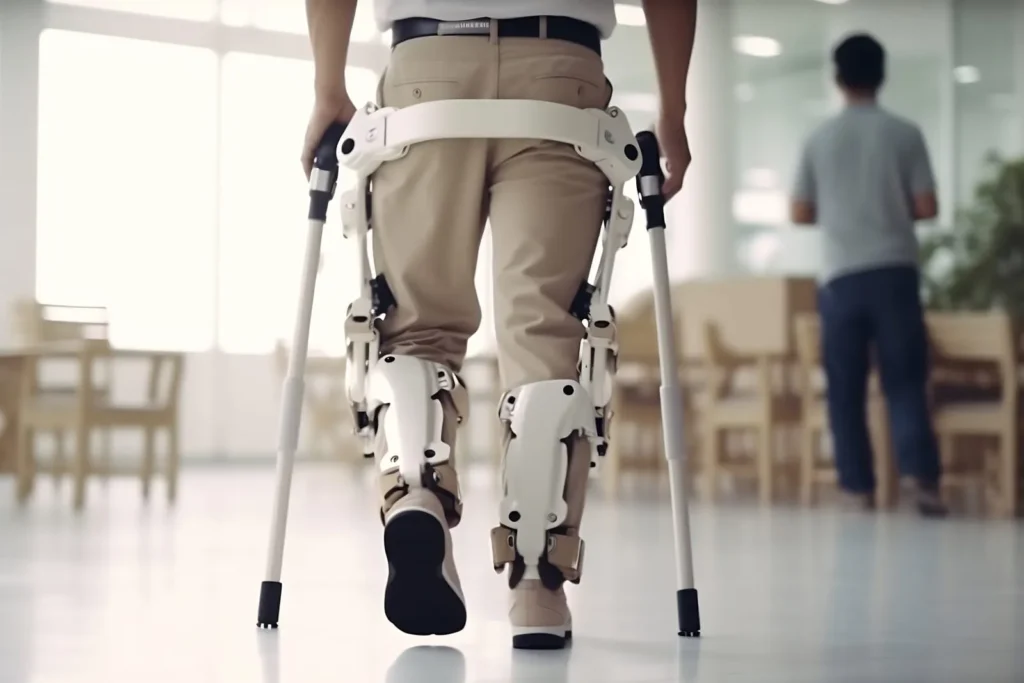
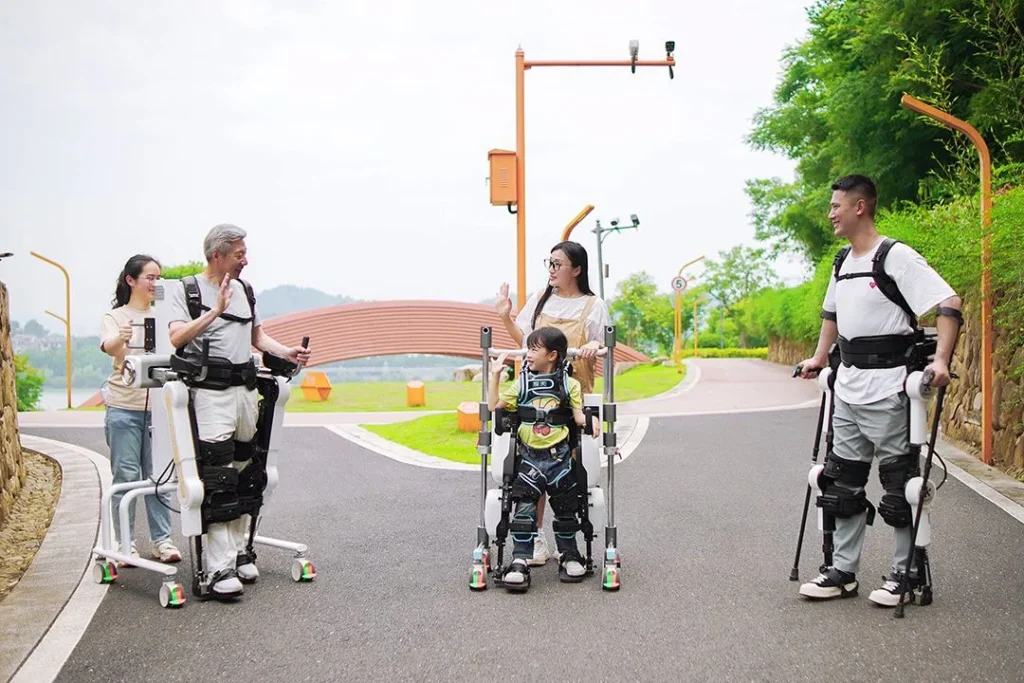
Clinical lower limb exoskeletons include systems such as the leg exoskeleton, which supports the hips, knees, and ankles, or a combination of these joints. Some systems guide both legs, while others place greater assistance on the affected side after a stroke.
Hangzhou-based RoboCT is one visible Chinese developer in this category. Its UGO system is designed for rehabilitation departments and medical institutions that treat lower limb motor dysfunction. A 2026 randomized trial used the company’s UGO220 system with 60 people who had chronic stroke.
The robot group received conventional therapy plus 30 minutes of robotic gait training each day. It recorded stronger gains in lower-limb motor function and activities of daily living than the conventional training group.
RoboCT currently reports in-depth collaboration with more than 350 domestic hospitals and over 280,000 cumulative uses across its systems, which provides a useful company-reported indicator of clinical reach.
This supports a practical role for exoskeleton for legs technology in supervised therapy, but results still depend on the patient and protocol.
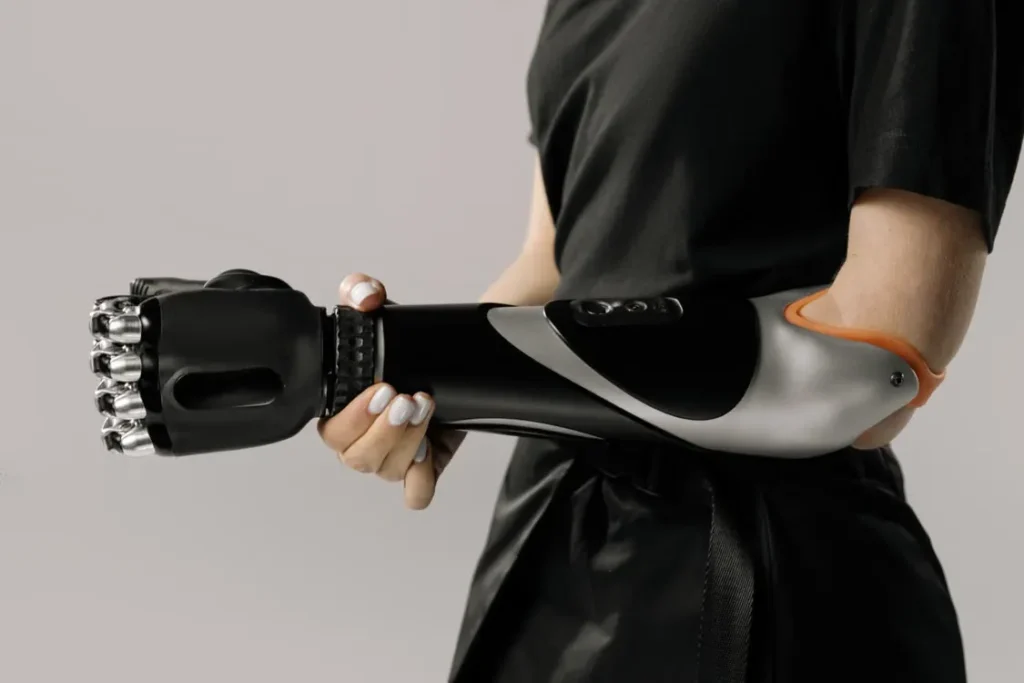
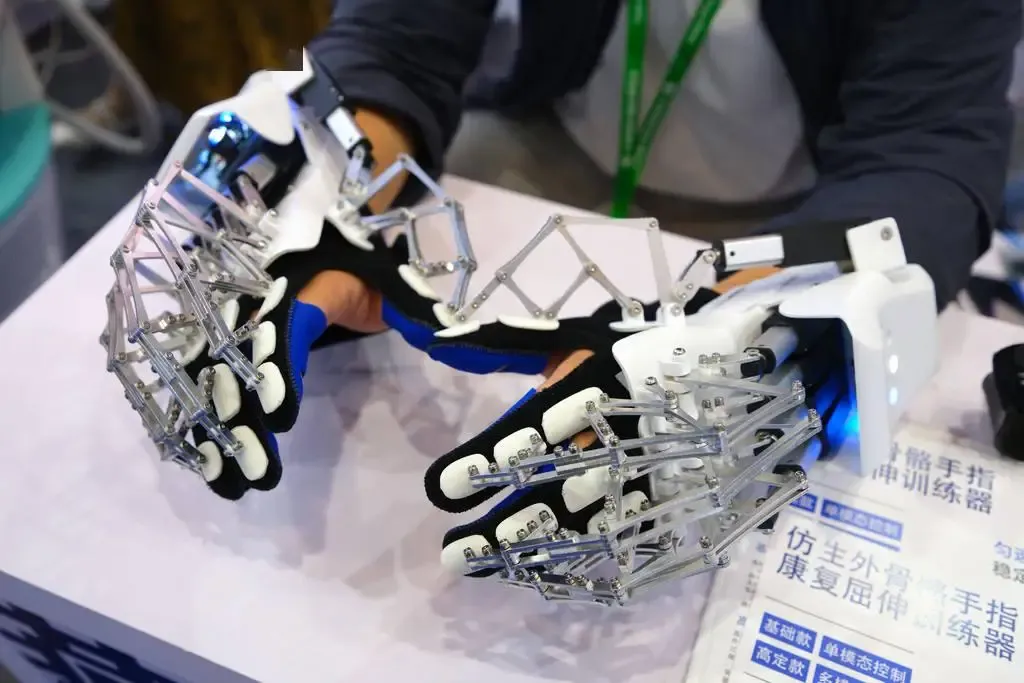
China’s rehabilitation market also includes shoulder, arm, wrist, hand, and finger systems. These devices may use end effectors, joint-aligned structures, pneumatic assistance, or virtual tasks.
A 2025 pilot randomized trial in China evaluated an upper-limb robot combined with pneumatic gloves in 40 stroke patients. The combined group showed greater improvements across several measures of arm function and daily activity than the conventional therapy group. The researchers also noted limits related to sample size, follow-up, and safety reporting.
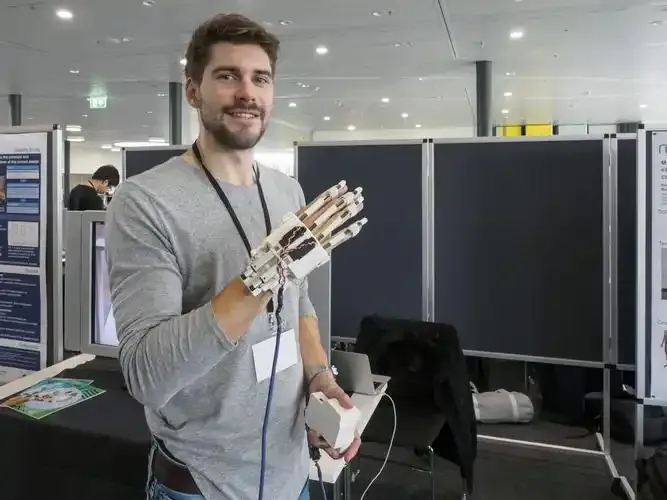
Rehabilitation robot gloves can support finger-practice activities in clinics and select home programs. Their stronger commercial proposition may come from links to therapist dashboards, exercise plans, and progress records.
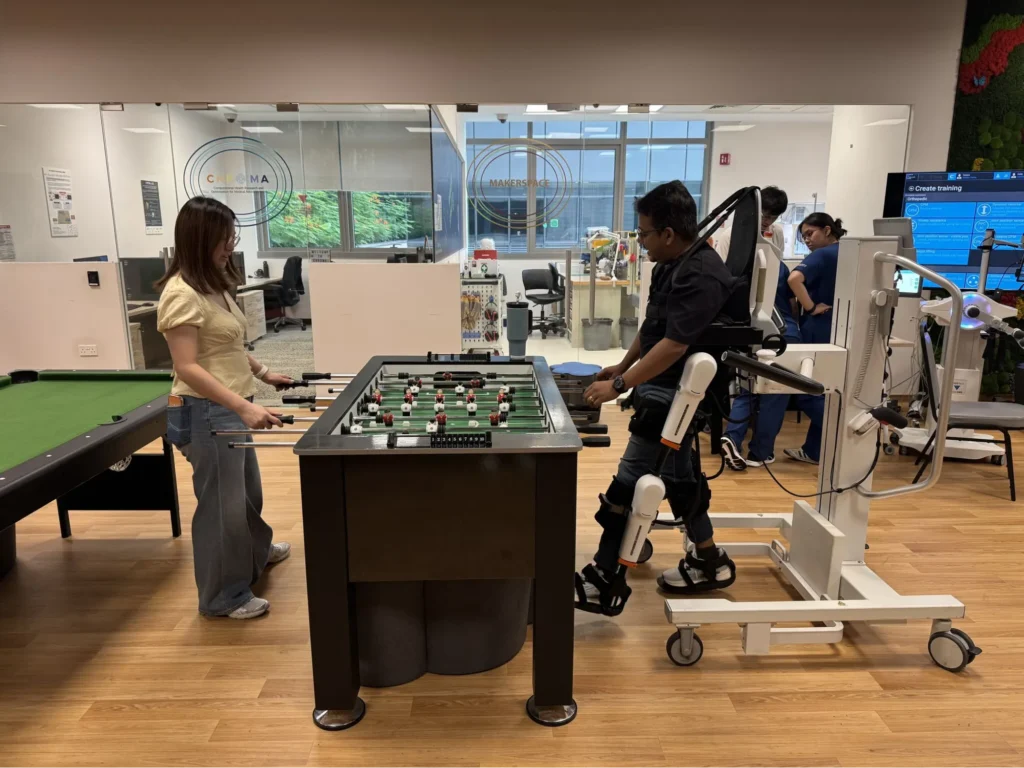
Shanghai-based Fourier Rehab shows how Chinese suppliers are moving toward a portfolio strategy. Its RehabHub model brings together equipment for upper limb therapy, lower limb training, movement, balance, and data-supported rehabilitation.
The company’s current product approach includes devices such as ExoMotus M4 for gait training and ArmMotus EMU for upper limb therapy.
At its Shanghai GReAT Summit in April 2025, Fourier Rehab announced an initiative to integrate embodied AI into rehabilitation technology. Delegates also visited Shanghai International Medical Center and Shuguang Hospital of Shanghai University of Traditional Chinese Medicine to see their systems in clinical settings.
Fourier also attracted substantial capital in 2025, with a nearly USD 118 million Series E round reported in January and a strategic investment of up to USD 44 million from Runyang Technology in May.
The funding reflects investor interest in the company’s expansion from rehabilitation systems into embodied intelligence and general-purpose robotics.
Shanghai offers one of the clearest recent examples of clinical and community adoption. The city had established 155 community rehabilitation centers by the end of 2025.
Gaohang Community Rehabilitation Center reported serving more than 4,600 rehabilitation patients after introducing Fourier’s intelligent rehabilitation solution in 2022. Shanghai has also included AI-assisted rehabilitation in medical service pricing items.
Community centers can extend structured therapy closer to where older adults live after hospital discharge.
The operational case is equally important. Robots can handle repetitive, standardized tasks while therapists devote more attention to complex assessments, treatment planning, and psychological support. The strongest systems will be judged on patient throughput, setup time, therapist oversight, and continuity of data across care settings.
Recent evidence remains specific to device design, patient group, treatment dose, and study size.
A 2025 randomized trial involving 24 people with chronic stroke found that unilateral lower limb robot training combined with conventional rehabilitation produced greater improvements in walking speed, stride length, lower limb motor scores, and mobility testing than conventional treatment alone.
The study also recorded changes in plantar pressure and brain activity measures. Its authors called for larger samples and longer follow-up.
The 2026 UGO220 trial reported stronger improvements in lower limb motor function and daily living ability for the robot group. The effect size for its main motor outcome was small, which signals that recovery depends on many factors beyond the device.
For buyers, clinical outcomes should be reviewed at the protocol level. Key questions concern patient selection, therapy dose, comparison care, outcome measures, and follow-up.
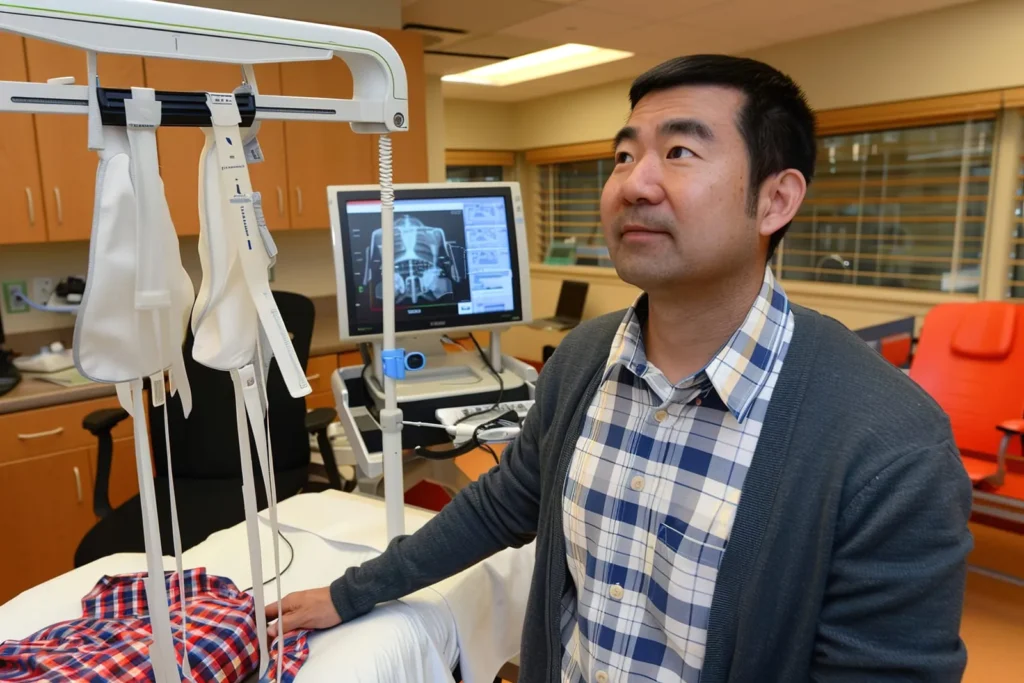
A strong evaluation framework should examine:
China’s regulatory direction adds weight to these questions. The NMPA is placing more attention on classification, standards, maintenance, core components, and post-market evidence.
Teams that build clinical documentation and service systems early may be better positioned than suppliers focused mainly on hardware demonstrations.
The next phase will connect wearable robotics with assessment, adaptive control, virtual therapy, brain-computer interfaces, and community care. China’s policy direction already supports stronger links between robotics, rehabilitation, and elder services. Its leading suppliers are also testing broader platforms and embodied AI concepts.
The commercial winners may be the companies that turn advanced machines into dependable therapy infrastructure. Clinical evidence, therapist acceptance, service coverage, and integration will matter as much as mechanical performance.
Understanding exoskeleton rehabilitation in China requires a clear view of policy, clinical adoption, local technology companies, and the wider innovation system. ChoZan supports this work through China research, trend analysis, expert dialogues, workshops, and tailored learning expeditions.
Our programs help teams examine how technologies move from development into practical use and what those shifts may mean across industries.
Explore ChoZan’s research resources or book a consultation to build a focused China learning agenda.
Some systems are designed for supervised home programs, but suitability depends on mobility level, cognition, balance, caregiver support, and device approval. A clinician should set the training plan and confirm that the home environment supports safe use.
Some users can walk with crutches or a frame after training, while others need close therapist support. Independence depends on the condition, strength, balance, cognition, device design, and the amount of assistance programmed into the system.
Exo suits may refer to soft wearable systems for mobility support, work, or daily activity. Clinical devices are developed around defined rehabilitation tasks, patient fitting, safety controls, therapist supervision, treatment records, and regulated medical use.
Clinical programs may use these systems after stroke, spinal cord injury, brain injury, orthopedic surgery, or other neurological conditions that affect movement. Eligibility depends on medical stability, joint range, bone health, skin condition, and treatment goals.
Session length varies across hospitals, devices, and patient needs. The therapist may divide time among fitting, warm up, walking practice, rest, and assessment. Treatment intensity should follow the clinical plan rather than a fixed consumer target.
Depending on the system, data may include repetitions, joint angles, assistance level, walking speed, step length, symmetry, force, range of motion, and session duration. Clinical value depends on consistent measurement and useful interpretation by therapists.
No. Robotic systems can deliver repeatable assistance, feedback, and structured practice, while therapists manage assessment, patient selection, progression, safety, motivation, and functional goals. The strongest model combines machine consistency with professional clinical judgment.
Clinics should review height and weight ranges, joint alignment, adjustment time, pressure points, transfer requirements, harness design, and support for different impairment levels. A broad fitting range can improve utilization across a larger patient group.
These gloves may assist finger opening, closing, grasp, release, or mirrored movement. They can support high repetition practice, but therapy should still connect exercises to useful tasks such as holding a cup, dressing, or handling household objects.
Protocols depend on the manufacturer and medical setting. Facilities should review skin contact materials, removable liners, cleaning agents, inspection schedules, battery care, calibration, software updates, spare parts, and the service response available after a fault.