Uncategorized

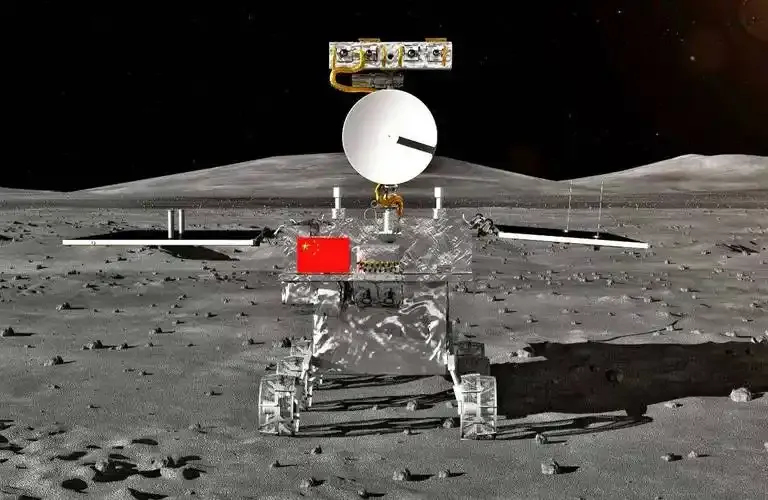
Chinese lunar rover exploring the Moon

China Space Exploration: Moon, Mars and Asteroid Missions

China Space Exploration centers on lunar south pole research, asteroid sampling and a planned sample return from Mars. Recent missions combine scientific investigation with demanding tests of navigation, robotics and spacecraft coordination. Their significance also lies in how China develops and integrates complex technology. Recent CNSA mission notices document concrete progress alongside unresolved engineering tasks.

China Space Exploration: Moon, Mars and Asteroid Missions Read More »
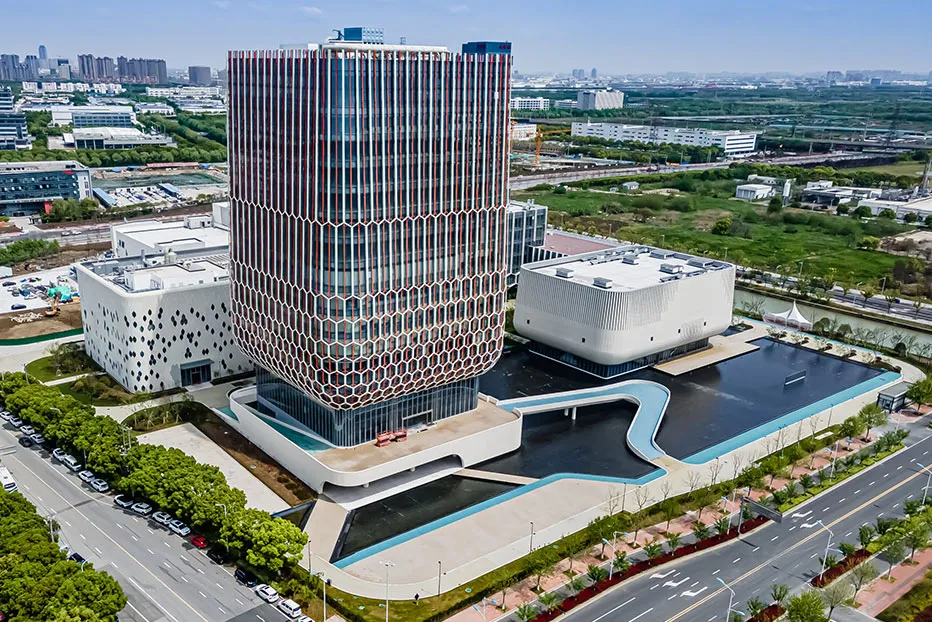
Ascentage Pharma building

Ascentage Pharma: Novel Oncology Targets From China

Ascentage Pharma is a China-based biopharmaceutical company developing cancer medicines, with two products approved for specific indications in China and additional programs in international trials. Its portfolio includes small molecules that address cancer-cell survival, treatment resistance, and signaling pathways. The company matters because it connects Chinese drug development with global clinical testing and commercial preparation.

Ascentage Pharma: Novel Oncology Targets From China Read More »

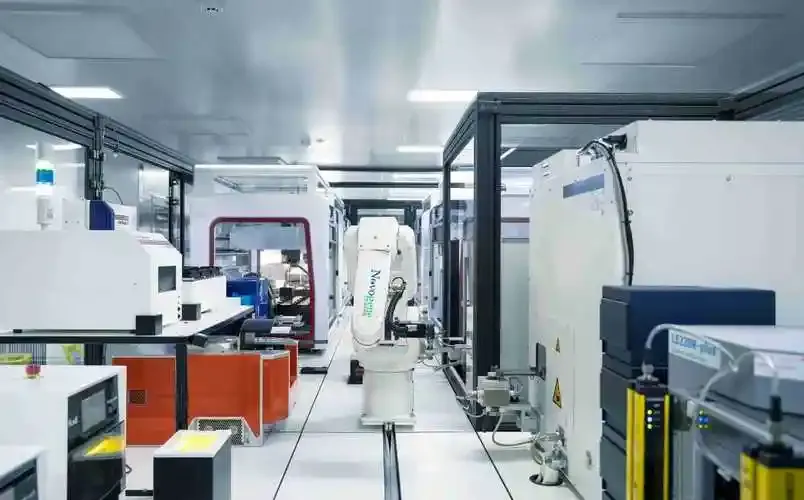
Automated sequencing equipment inside a Novogene laboratory

Novogene: Sequencing Scale and China’s Genomics Network

Novogene is a clear example of a China-based genomics company turning sequencing capacity into a distributed global research network. Its 2025 annual report lists laboratories in China, the United States, the United Kingdom, Singapore, Germany, and Japan, with more than 8,000 customers across roughly 90 countries and regions.  In the first half of 2026, revenue

Novogene: Sequencing Scale and China’s Genomics Network Read More »

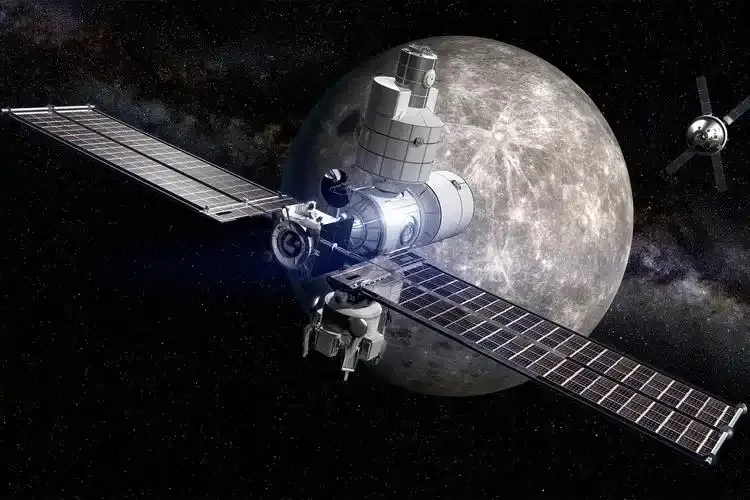
Illustration of a spacecraft with solar panels orbiting the Moon

China Lunar Mission: From Chang’e to a Future Lunar Base

The China Lunar Mission roadmap connects robotic exploration, a planned astronaut landing before 2030, and a basic International Lunar Research Station targeted for 2035. These remain distinct milestones.  Chang’e-7 has missed its planned 2026 launch window, while Chang’e-8 still has a published target around 2029. Official updates separate current progress from future ambitions.  The significance

China Lunar Mission: From Chang’e to a Future Lunar Base Read More »

Navigation satellite orbiting Earth

BeiDou Navigation: China’s Satellite Positioning System

BeiDou Navigation is China’s independently developed satellite system for positioning, navigation, and time synchronization. Officially called the BeiDou Navigation Satellite System (BDS), it provides global coverage. Compatible equipment can also access services such as precision corrections and satellite messaging.  The shorthand Chinese GPS system captures its basic purpose. Its commercial significance extends into how machines

BeiDou Navigation: China’s Satellite Positioning System Read More »

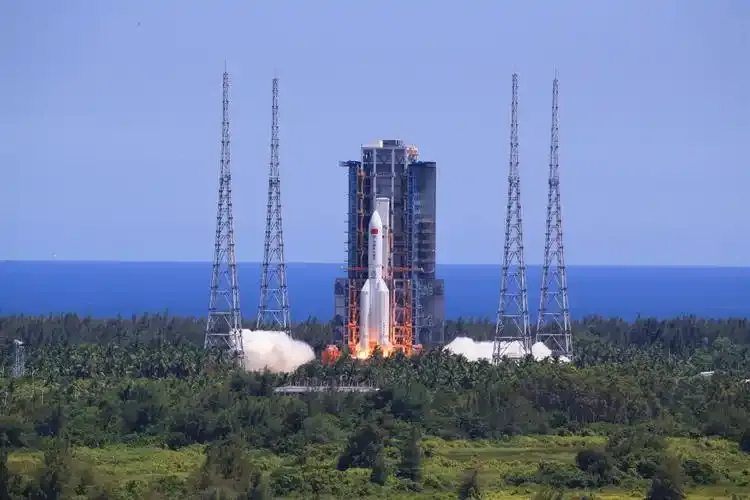
Rocket on launch pad at Wenchang Space Launch Site

Wenchang Space Launch Site: China’s Coastal Launch Gateway

The Wenchang Space Launch Site is a coastal rocket launch facility in Hainan, southern China, serving national space missions. Its low latitude, maritime access, and ocean-facing launch routes support large launch vehicles and demanding missions. The business significance extends across the surrounding industrial district. Wenchang offers a concrete example of China’s technology development through coordinated

Wenchang Space Launch Site: China’s Coastal Launch Gateway Read More »

Satellite internet network connecting space systems

Starlink in China: Guowang, Qianfan and Satellite Internet

 Starlink in China does not work and is not legally available. China has banned Starlink’s consumer services and instead developed two sovereign LEO satellite constellations—Guowang and Qianfan (SpaceSail) —to compete directly with SpaceX’s global broadband network.  These state-backed projects represent Beijing’s strategic response to the Starlink challenge, with deployment timelines accelerating through 2025 and 2026.

Starlink in China: Guowang, Qianfan and Satellite Internet Read More »

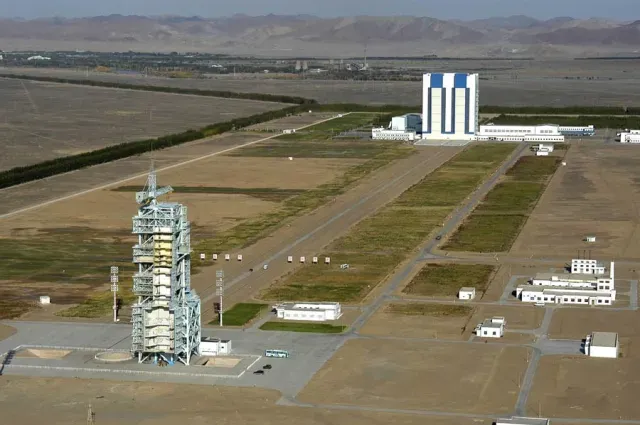
Jiuquan Satellite Launch Center facilities in the Gobi Desert

Jiuquan Satellite Launch Center: China’s Desert Spaceport

The Jiuquan Satellite Launch Center is a Chinese spaceport in the Gobi Desert, in the border region of Gansu and Inner Mongolia. It supports astronaut missions, satellite launches, and commercial rocket development. Its wider launch area brings national space programs and commercial operators into the same regional aerospace network.  That combination makes Jiuquan relevant beyond

Jiuquan Satellite Launch Center: China’s Desert Spaceport Read More »

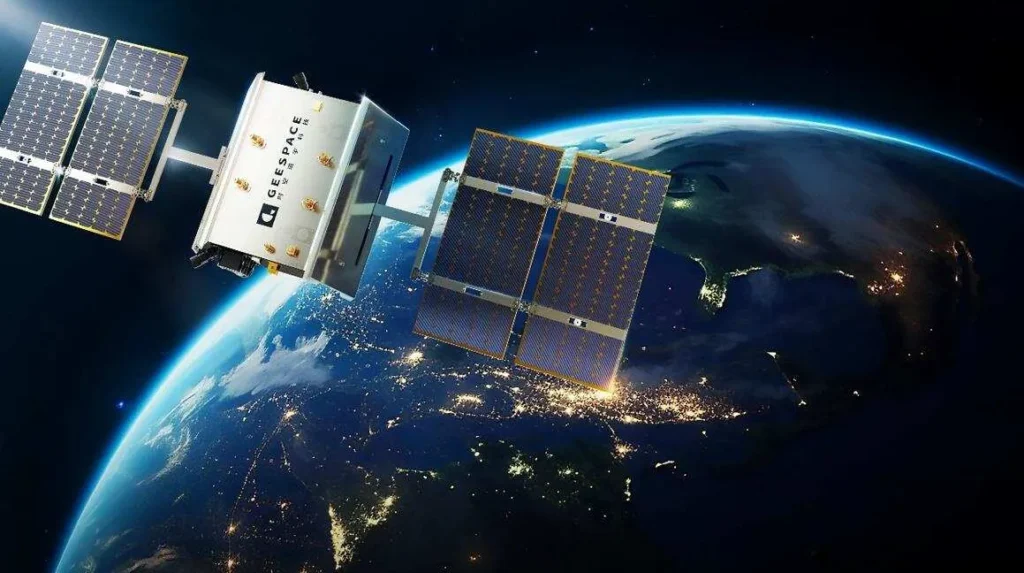
Geespace satellite orbiting Earth

Geespace: Geely’s Satellite Network for Connected Mobility

Geespace is Geely Holding’s satellite communications business. It develops and operates GEESATCOM, the low Earth orbit network associated with the Geely Future Mobility Constellation, to connect vehicles and industrial equipment beyond terrestrial mobile coverage. Its commercial value is keeping essential information moving when a cellular connection disappears.  The project offers a concrete example of China

Geespace: Geely’s Satellite Network for Connected Mobility Read More »

Heavy traffic on a multi-lane road in China

Mobility as a Service in China: Platforms and Integration

MaaS (mobility as a service) connects transport modes through coordinated journey planning, access, and payment services. In China, city transport systems work with consumer platforms to make those connections usable in everyday travel. The commercial question is how much of the journey a platform can actually coordinate. Route recommendations, valid transit tickets, and revenue-sharing agreements

Mobility as a Service in China: Platforms and Integration Read More »