Anna

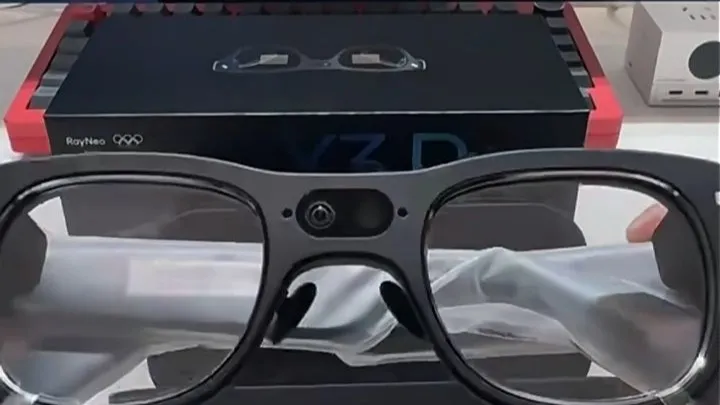
Close-up of RayNeo X3 Pro smart glasses

RayNeo: TCL’s Smart-Glasses Bet and China’s AR Hardware Push

RayNeo is a smart-glasses company incubated within TCL Electronics. Its products span wearable entertainment screens, camera-free AI glasses, and full-color augmented reality devices. The company matters because it connects display engineering with practical questions about software, distribution, and everyday use. These specific choices make China’s AR progress easier to assess. A portable cinema, a discreet

RayNeo: TCL’s Smart-Glasses Bet and China’s AR Hardware Push Read More »
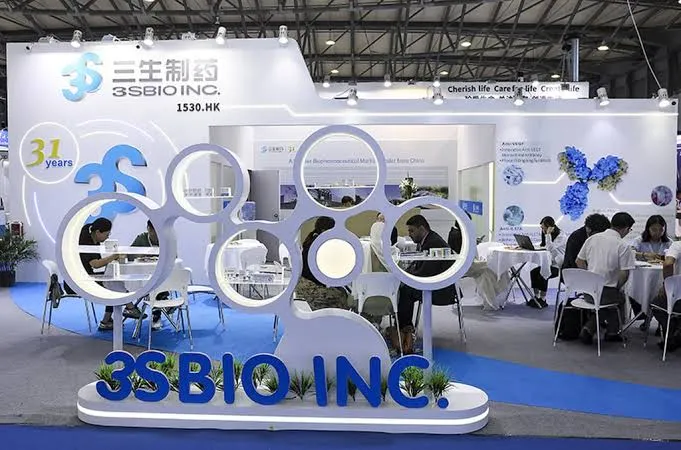
3SBio exhibition booth showcasing biologics research

3SBio: Biologics Scale and China’s Licensing Model

3SBio is a Chinese biopharmaceutical company that combines commercial biologics, antibody development, and international licensing. Its 2025 agreement with Pfizer connects a China-developed cancer drug candidate, SSGJ-707, with a multinational partner’s development and commercialization capabilities.  The transaction illustrates how Chinese biomedical innovation can reach global markets through negotiated partnerships. The commercial story extends beyond the

3SBio: Biologics Scale and China’s Licensing Model Read More »

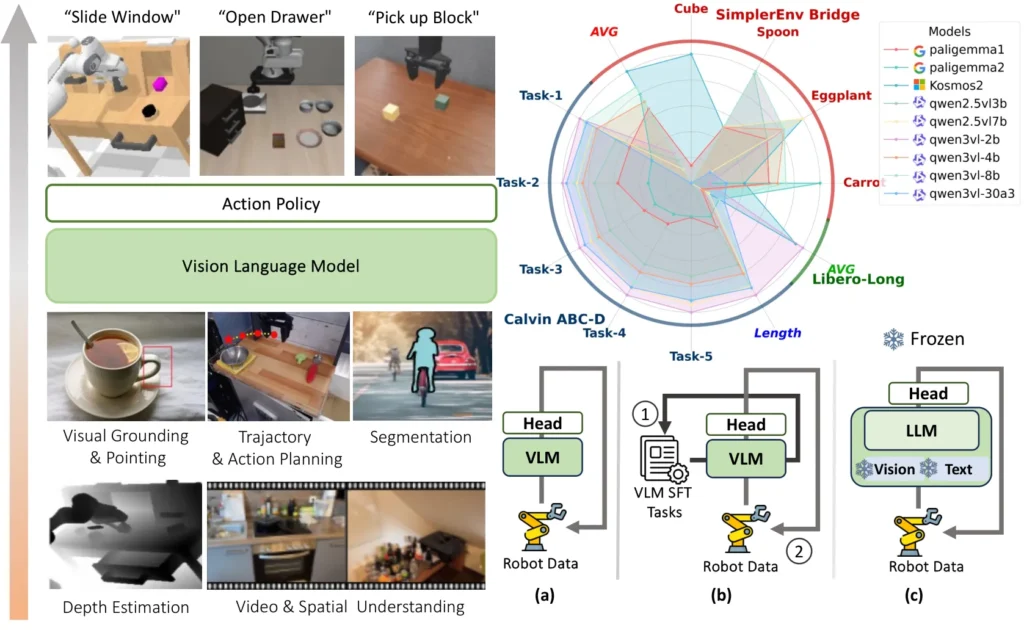
Vision language action models architecture and benchmarks

Vision-Language-Action Models: How Physical AI Learns to Act

Vision-Language-Action Models turn visual observations and language instructions into robot actions. They learn from examples that connect what a robot sees, the requested task, and the movements needed to complete it. Unlike a model that describes a scene, a VLA predicts physical commands. Their commercial promise is flexible automation across changing products and settings. The

Vision-Language-Action Models: How Physical AI Learns to Act Read More »

XtalPi logo on a glass building

XtalPi: AI, Robotics and the Rise of Autonomous Drug R&D

XtalPi is a Shenzhen-based research technology company that combines AI, physics-based modeling, and laboratory robotics to discover and develop drug candidates. Its approach links digital predictions with physical experiments, letting results inform the next research cycle.  The business sells discovery services and laboratory infrastructure while developing assets for licensing. That combination makes it a useful

XtalPi: AI, Robotics and the Rise of Autonomous Drug R&D Read More »

Moore Threads logo displayed on smartphone

Moore Threads: China’s Full-Stack GPU Bet for AI Computer

Moore Threads is a Chinese GPU designer building a full-stack GPU platform for AI training, inference, graphics, and scientific computing. Its offering combines GPU hardware with MUSA software and KUAE computing systems.  The business significance lies in the package: companies evaluating China’s domestic compute need to assess the applications, engineering work, and service reliability around

Moore Threads: China’s Full-Stack GPU Bet for AI Computer Read More »

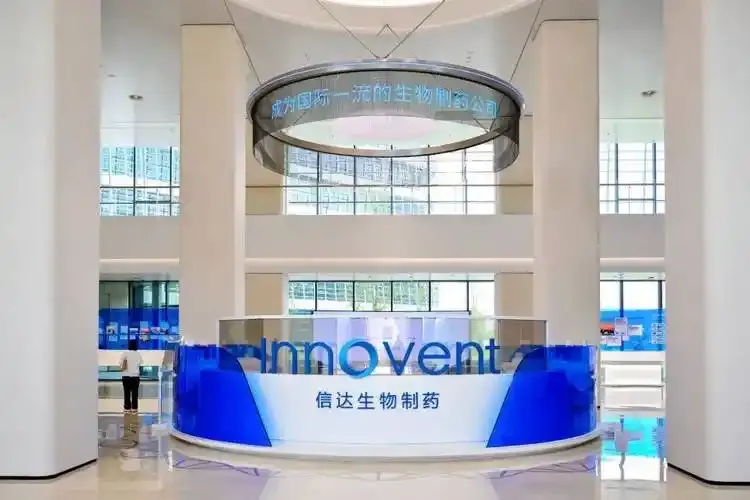
Innovent Biologics headquarters reception

Innovent Biologics: Building China’s Innovative Drug Platform

Innovent Biologics is a China-based biopharmaceutical company that discovers, develops, manufactures, and sells medicines. Its portfolio spans oncology, metabolic disease, autoimmune disease, and eye conditions, combining marketed treatments with experimental programs and international partnerships. An October 2026 company update reported 20 launched products.  The company matters because it offers a concrete example of China’s expanding

Innovent Biologics: Building China’s Innovative Drug Platform Read More »

LeRobot dataset streaming illustration

Robot Datasets: How China Is Training Embodied AI at Scale

Robot datasets record what machines observe, the actions they take, and the outcomes that follow. China is expanding this resource through teleoperation facilities, published real-machine data collections, and simulation. These systems train embodied AI, which learns to act in physical environments. The business question is how that data translates into reliable work. China’s recent projects

Robot Datasets: How China Is Training Embodied AI at Scale Read More »

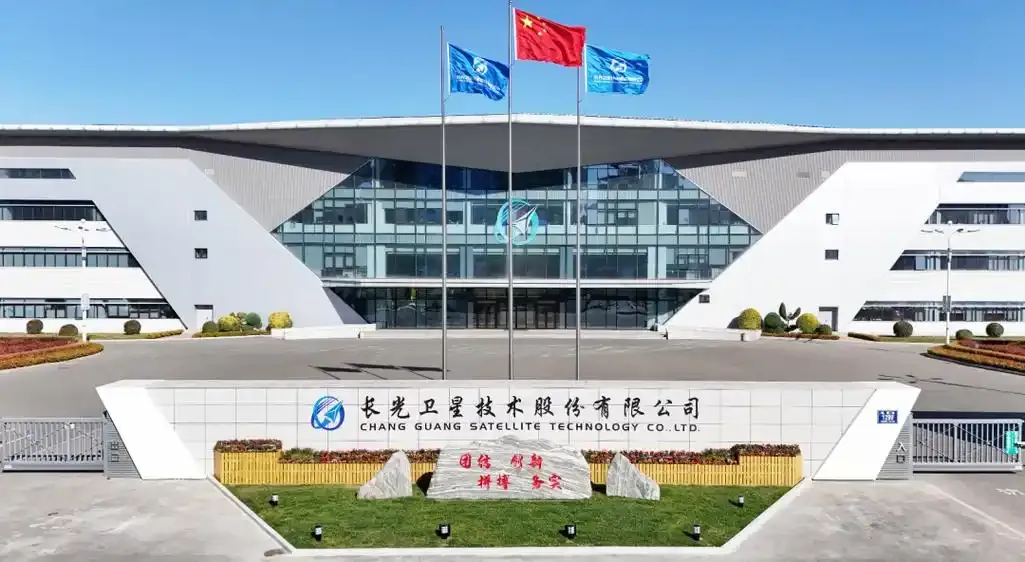
Chang Guang Satellite Technology headquarters in China

Chang Guang Satellite: Jilin-1 and China’s Imaging Network

Chang Guang Satellite is the Changchun-based company behind the Jilin-1 constellation, a Chinese commercial Earth observation network. It develops satellites and supplies imagery and related information services. Xinhua reported in September 2026 that the company had launched 161 satellites for the network. Its business relevance spans crop monitoring, mapping, and automated image analysis. The company

Chang Guang Satellite: Jilin-1 and China’s Imaging Network Read More »

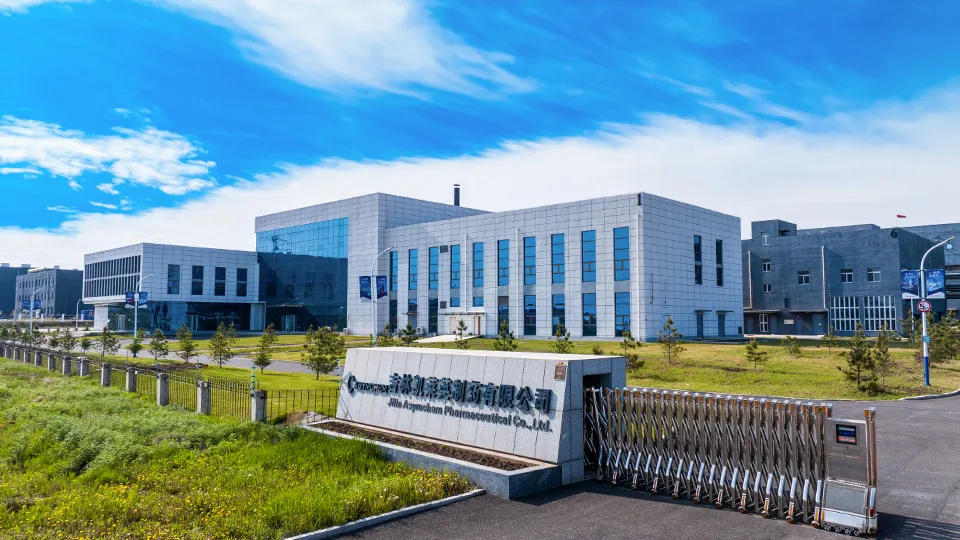
Asymchem pharmaceutical facility in China

Asymchem: How China’s CDMO Model Scales Drug Manufacturing

Asymchem is a China-based CDMO (contract development and manufacturing organization) that develops production processes and manufactures drug ingredients and finished products for pharmaceutical companies. Its model connects process research with specialized equipment, quality controls, and commercial supply.  Recent disclosures point to three key developments: larger peptide facilities, Chinese-developed equipment operating in the UK, and closer

Asymchem: How China’s CDMO Model Scales Drug Manufacturing Read More »

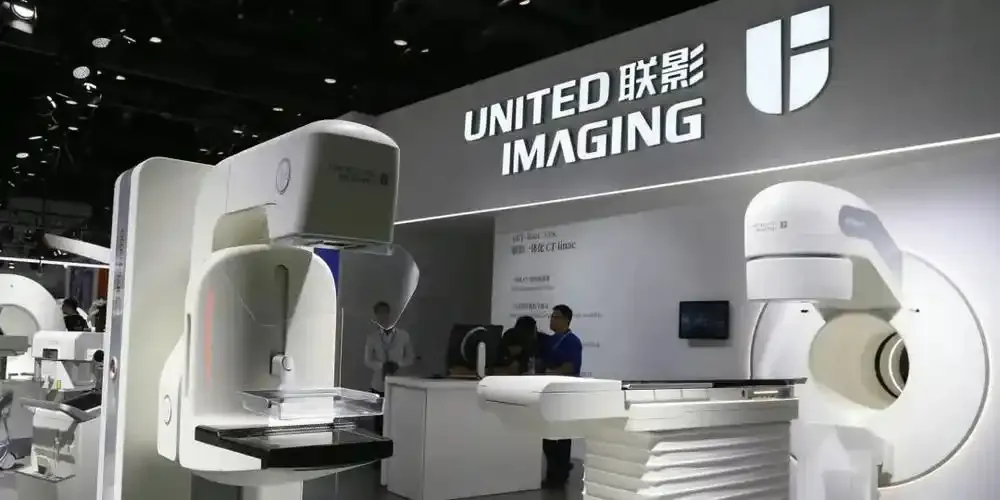
United Imaging medical scanners on display

United Imaging: China’s High-End Medical Imaging Challenger

United Imaging is a Shanghai-based medical technology company that manufactures equipment, including MRI, CT, PET/CT, radiotherapy systems, and digital healthcare solutions. Its recent regulatory clearances and international sales show China’s capacity to compete in technically demanding medical markets. A July 2026 Reuters report identifies GE HealthCare, Siemens Healthineers, and Philips as competitors. The company matters

United Imaging: China’s High-End Medical Imaging Challenger Read More »