CONTENT

China’s biotech sector is becoming a major source of new medicines, research partnerships, and drug development capacity. Its commercial relevance stems from a mix of domestic innovation, international licensing, and an expanding clinical research system. China recorded approximately $110 billion in announced overseas drug deals during the first half of 2026, according to regulatory data published in July.
China now accounts for roughly 30 percent of global novel drug development, ranking second only to the United States. Out-licensing deals hit US$135.7 billion across 157 transactions, more than double the prior year.
That creates more opportunities to source drug candidates and study how China organizes innovation. The business case still depends on clinical results, enforceable rights, production quality, and a credible route to paying customers.
China’s National Medical Products Administration, or NMPA, approved 76 innovative drugs in 2025: 47 chemical medicines, 23 biological products, and six traditional Chinese medicines. Domestic developers accounted for 38 of the chemical medicines and 21 biological products.
More important than the headline number: 11 of these approvals involved new mechanisms or new targets, a category that reflects genuine scientific novelty rather than incremental reformulation.
About 80 percent of the chemical drugs and over 90 percent of the biologics came from domestic manufacturers. The era of Chinese firms primarily licensing in Western assets has inverted.
The regulator also reported more than 5,000 drug clinical trials in 2025, including 2,997 trials of new medicines. That gives biotechnology in China a substantial testing base, although trial volume alone cannot establish scientific originality or treatment quality.
A useful assessment therefore starts with three separate questions: who developed the medicine, what clinical problem it addresses, and how strong its supporting evidence is. Broad industry totals provide context; individual programs determine commercial value.
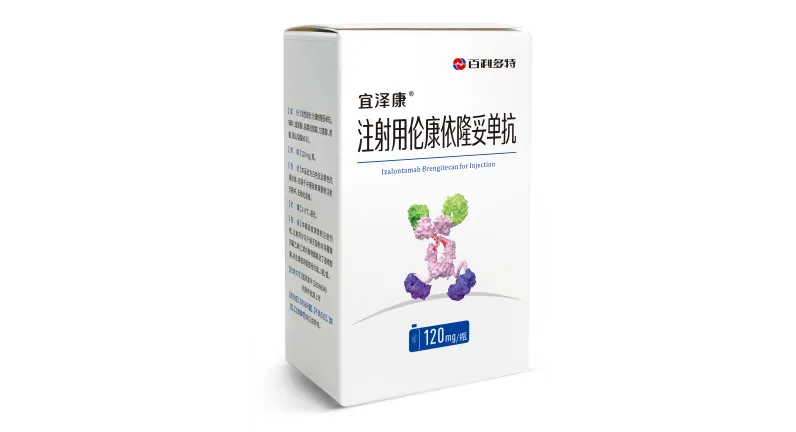
Antibody medicines clearly illustrate engineering complexity. A bispecific antibody can engage two targets, while an antibody-drug conjugate attaches a drug payload to an antibody.
Sichuan Biokin’s izalontamab brengitecan combines both approaches. It targets two proteins, EGFR and HER3, while carrying an anticancer payload. A July 2026 company announcement confirmed its second Chinese approval, for a defined group of previously treated esophageal cancer patients.
The strategic question is how that design translates into a useful treatment profile. Technical novelty needs evidence of benefit, manageable toxicity, and differentiation from competing therapies.
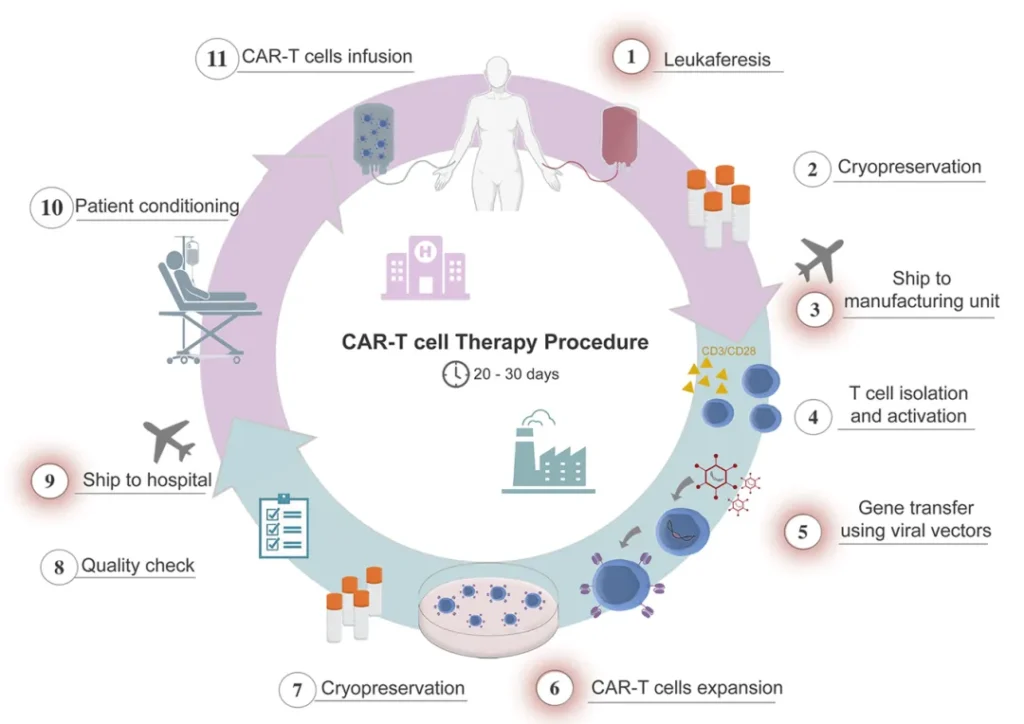
CAR-T treatments use modified immune cells to recognize cancer targets. CARsgen announced Chinese approval of satri-cel in June 2026.
The approval covers advanced stomach or gastroesophageal junction adenocarcinoma with a defined biomarker profile. Eligible patients must have Claudin18.2-positive, HER2-negative tumors and have failed at least two prior lines of treatment.
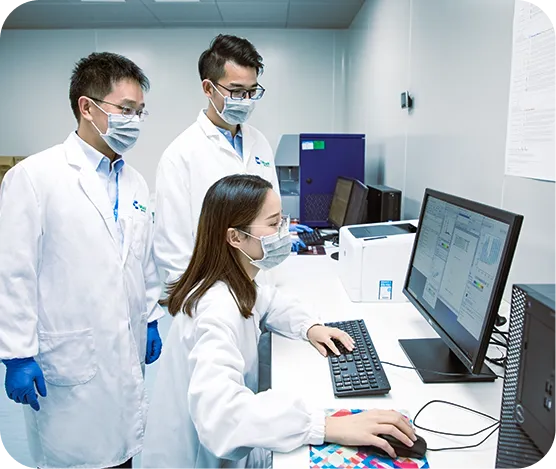
This is a concrete advance in Chinese biotechnology, with a precisely defined patient population. Its wider business implications include diagnostic testing, specialist treatment capacity, and coordination between hospitals and manufacturers. A commercial plan must account for those delivery requirements alongside the medicine itself.
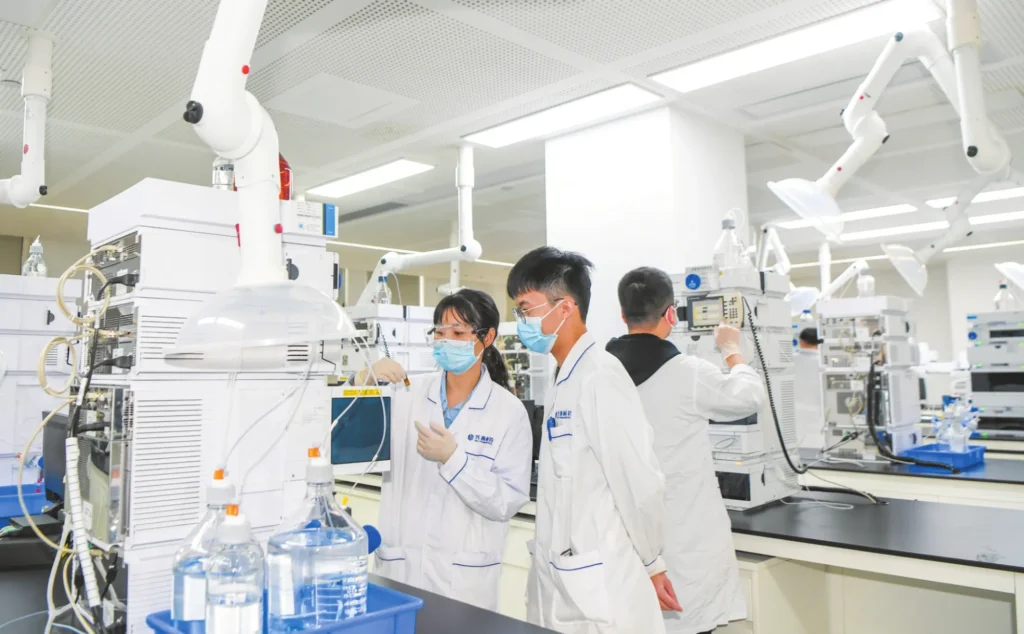
The 3SBio agreement illustrates how a Chinese-origin candidate can enter a multinational development program.
Pfizer completed its agreement with 3SBio in July 2025 for rights outside China to SSGJ-707, an investigational antibody targeting PD-1 and VEGF. Its announced financial terms distinguish several forms of value:
| Payment component | Announced terms |
| Upfront payment | $1.25 billion |
| Conditional milestones | Up to $4.8 billion |
| Royalties | Tiered double-digit payments on sales, if approved |
| Separate equity investment | $100 million |
Pfizer’s 2026 pipeline update identified ongoing Phase 3 studies of the candidate, now also called PF-08634404, in lung and colorectal cancer.
The deal gives the originating company access to a partner’s development resources while distributing potential returns across future events. For a China biotech developer, biotech financing must distinguish contractual potential from available cash. Conditional payments cannot fund today’s research until the relevant conditions are met.
The negotiating priorities also include territory, development responsibilities, decision rights, and termination provisions. These terms shape how partners respond to a delayed study or a change in strategy. Commercial teams should resolve them before either side commits resources to the program.
Insilico Medicine, which listed on the Hong Kong Stock Exchange in December 2025 in the year’s largest biotech IPO, raised HK$2.277 billion (US$292 million).
On September 10, 2026, the company announced the first patient dosed in its Chinese Phase 3 trial of rentosertib for idiopathic pulmonary fibrosis. The planned study includes 320 participants across 47 centers and evaluates treatment over 52 weeks.
Its primary endpoint measures the annual rate of decline in forced vital capacity, a measure of lung function. Rentosertib remains investigational and has no regulatory approval.
The study links computational discovery with a hospital network that can run a controlled, yearlong evaluation. It illustrates China’s contribution to AI drug discovery through the clinical infrastructure needed to test a candidate.
The Global Health Drug Discovery Institute launched “AI KongMing” in Beijing, an open platform that covers the full chain from target structure analysis to molecular generation, activity prediction, and druggability assessment.
The platform has been validated across dozens of real-world pipelines for tuberculosis, malaria, and rare diseases, achieving several-fold improvements in hit rates compared with conventional approaches.
AstraZeneca expanded its AI-enabled research partnership with CSPC Pharmaceutical Group, targeting chronic diseases with novel oral therapies developed in China. The infrastructure is no longer experimental. It is embedded in live R&D workflows.
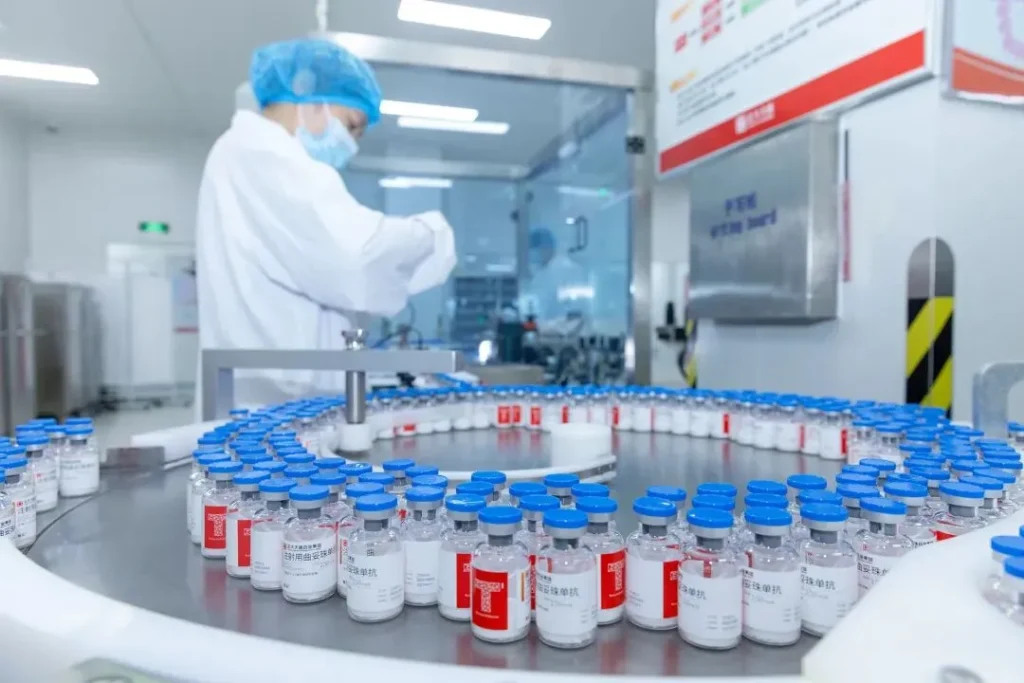
China’s September 2025 clinical trial review policy introduced a 30-working-day pathway for eligible innovative drug applications.
Eligibility is conditional. Applicants must meet specified criteria, coordinate institutional and ethics preparation, and commit to starting the trial within 12 weeks of approval. Complex reviews can move to a longer timetable.
The policy concerns permission to begin clinical trials. It does not mean a new medicine can reach the market in 30 working days.
China also revised its Good Clinical Practice requirements, effective September 1, 2026. The changes address data governance, investigator responsibility, participant protection, and quality management throughout a trial.
The operational implication is clear: clinical development teams need ready sites, usable documentation, and accountable investigators to benefit from faster review. International programs also need a study design and evidence package that address their intended destination markets. Calendar speed has value when the resulting data can support the next development decision.
AstraZeneca announced plans to invest $15 billion in China through 2030 in January 2026. The program covers research and manufacturing, including capabilities in cellular treatments and radioconjugates, which combine a targeting molecule with a radioactive component.
This is a multiyear company commitment. It is neither money already spent nor a measure of total investment across China’s biotechnology industry.
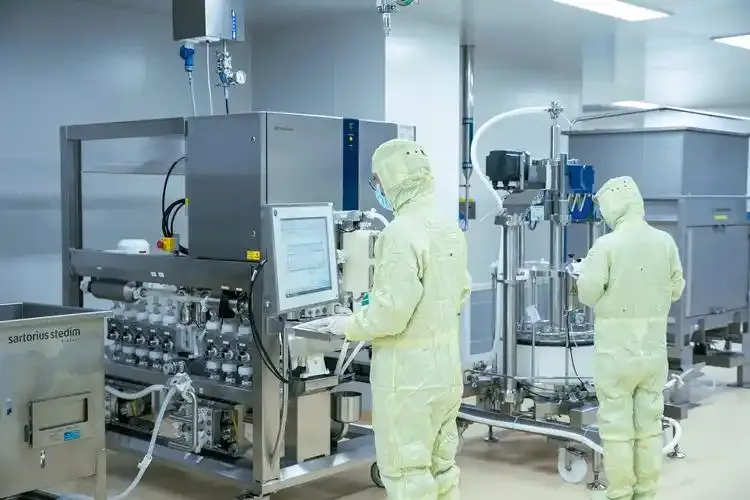
The announcement connects discovery, clinical work, and production. That integration deserves attention because a successful laboratory process still needs reliable manufacturing before a medicine can reach patients consistently.
A practical site assessment should examine batch consistency, quality controls, technology transfer, and capacity available for the specific product. Announced investment signals commitment; operational evidence determines the facility’s usefulness to a prospective partner.
China’s December 2025 reimbursement update added 114 medicines to its national reimbursement list, including 50 Class 1 innovative drugs. It also introduced a separate commercial health insurance list containing 19 medicines beyond basic insurance coverage.
This distinction creates different payment pathways. The commercial list recommends products for insurers to consider; it does not guarantee reimbursement under every policy.
A launch model should therefore connect the eligible patient population with diagnostic access, prescribing hospitals, insurance terms, and treatment affordability.
A useful forecast shows expected patient starts at identified treatment centers and the payment route for each group. That makes revenue assumptions easier to challenge before a company commits to launch spending.
The developments shaping China biotech, from licensing and AI-enabled drug discovery to clinical reform and manufacturing investment, are also part of a broader change in how China develops and commercializes new technologies. For global teams, the useful question is how these shifts affect their own industry, partnerships, innovation priorities, and China strategy.
ChoZan’s China research can help teams examine relevant market developments, competitors, policy changes, and technology trends in greater depth. Expert calls provide access to specialists for focused questions, while China learning expeditions can be tailored around innovation themes, including healthtech and biotechnology.
Teams still building their understanding of China can also explore ChoZan’s China reports covering technology, innovation, economic change, and emerging business models. For a specific research question or learning objective, book a consultation to discuss the most relevant approach.
Explore ChoZan’s China reports for broader context, or book a consultation to discuss a relevant research or learning program.
No. Agricultural applications also form part of the sector. China’s February 2025 agricultural technology notice prioritized biological breeding and highlighted gene editing. Drug approval figures therefore describe only part of the country’s biotechnology activity.
Beijing and Shanghai host major research operations, while Wuxi, Taizhou, and Qingdao also support pharmaceutical manufacturing. AstraZeneca’s 2026 investment announcement identifies these locations. Compare individual facilities and scientific networks before choosing a partner or destination.
Yes. Hong Kong’s Chapter 18A provides a listing route for qualifying biotech companies without product revenue. Its TECH channel, launched in May 2025, offers application guidance, but companies still need to satisfy the applicable listing requirements.
Start with the trial registration number in the company’s announcement, then locate the corresponding registry record. Check the sponsor, recruitment status, planned enrollment, endpoints, and update date before relying on a headline about trial progress.
A contract research organization supports research activities, including laboratory work and clinical studies. A contract development and manufacturing organization focuses on process development and production. Confirm the specific services included in any proposed agreement.
No. First-in-class describes a new mechanism of action. China’s Class 1 chemical drug category concerns medicines not previously marketed worldwide. A medicine can qualify as Class 1 without introducing a new mechanism.
A candidate may appear under an internal development code and a standardized drug name. Rentosertib, for example, also appears as ISM001-055 and INS018_055. Match these aliases when searching publications and trial records to avoid duplicate counting.
Start with WIPO’s PATENTSCOPE using the applicant name, relevant technology, and known publication numbers. Review related filings across jurisdictions and confirm current status with the relevant patent offices. Publication alone does not establish enforceable rights everywhere.
For Hong Kong-listed companies, search HKEXnews using the stock code or company name. Annual and interim reports provide financial statements and business updates. Match the reporting period carefully when comparing cash balances, expenses, and revenue.
A biosimilar closely matches an approved reference biological medicine, with no clinically meaningful differences in safety or effectiveness. Its development centers on demonstrating similarity, so biosimilar pipelines should be assessed separately from programs pursuing new therapeutic mechanisms.