CONTENT
China’s technology is best understood through its cities. Each hub now plays a sharper role in AI, EVs, robotics, green tech, digital infrastructure, or advanced manufacturing. For global executives, this city map matters because China’s innovation economy no longer grows from one national story. It grows through specialized urban ecosystems.
Beijing leads policy, AI research, and foundational models. Shenzhen and the Greater Bay Area lead hardware, EVs, robotics, and fast commercialization. Shanghai and Suzhou anchor advanced manufacturing, industrial AI, and cross-sector engineering. Hangzhou brings platform-economy experience to AI applications and embodied intelligence. Hefei has become one of China’s strongest EV and battery ecosystems.
This is why China’s technology research now needs a city lens. The right hub can change supplier access, pilot speed, talent depth, partnership quality, and market learning.
China’s technology ecosystem is organized around specialized cities. Each hub brings together talent, research, manufacturing, suppliers, investors, and customers within specific industries.
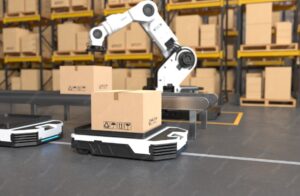
AI companies need research talent, compute infrastructure, and enterprise users. EV companies depend on batteries, vehicle manufacturing, charging networks, and automotive supply chains. Robotics companies need component suppliers, engineering talent, and factory customers.
As a result, different cities serve different functions. Shenzhen leads hardware and robotics. Beijing leads AI research and policy. Shanghai and Suzhou specialize in industrial technology and advanced manufacturing. Hangzhou focuses on AI applications and digital platforms. Hefei is a major EV and battery hub.
Understanding these ecosystems helps companies identify the right partners, suppliers, and market opportunities in China.
Shenzhen remains the strongest answer when people ask about China’s Silicon Valley. Its real advantage is hardware depth: fast prototyping, dense supplier networks, EV leadership, robotics companies, embedded-systems talent, and nearby manufacturing capacity. For a robotics startup, the path from component sourcing to prototype testing to factory customers can be completed within a single regional corridor.
The data supports that edge. In 2025, Shenzhen’s robotics sector reached 242.6 billion yuan in output, up 20.56% year over year, while the city produced about 194,900 industrial robots, equal to 25.2% of China’s national total. It also produced 7.96 million service robots, or 42.9% of the national market.
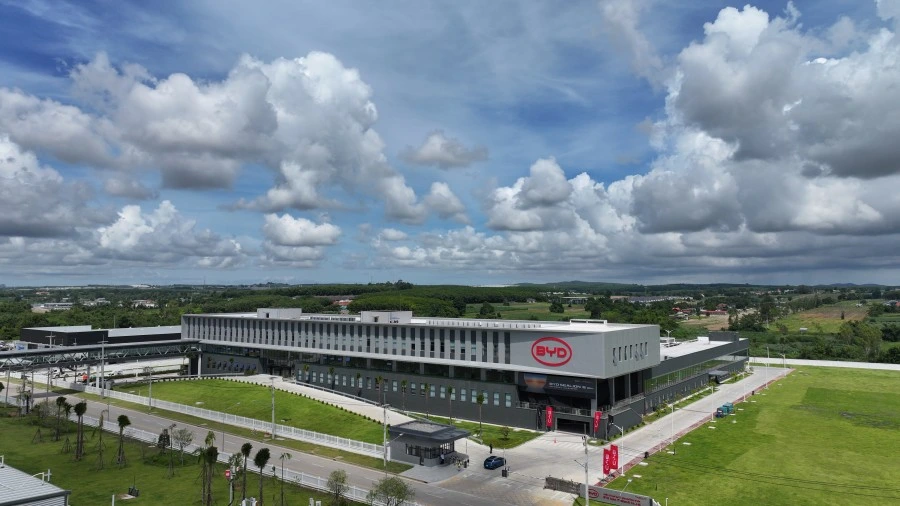
Shenzhen is also central to green tech. BYD anchors the city’s EV, battery, vehicle software, and charging ecosystem, while the Greater Bay Area strengthens its presence in energy storage, smart mobility, and low-carbon manufacturing.
Its innovation role is now global. In WIPO’s 2025 Global Innovation Index, the Shenzhen–Hong Kong–Guangzhou cluster ranked No. 1 worldwide, ahead of Tokyo–Yokohama and San Jose–San Francisco. WIPO says the top 100 innovation clusters account for roughly 70% of global PCT filings and venture capital deal activity.
This is why Shenzhen matters: it combines BYD, Tencent, DJI, UBTECH, semiconductor teams, robotics firms, hardware suppliers, smart-device makers, and cross-border commercial networks in one place.
Beijing leads China’s national conversation on AI, frontier research, policy design, and digital regulation. Its strength comes from universities, state labs, cloud providers, major platforms, and top AI startups concentrated in one city.
The numbers show that depth. By 2025, Beijing had more than 2,500 AI firms, 183 registered large AI models — the most among Chinese cities — and an AI industry scale of over 450 billion yuan. Its digital economy also grew 8.7% year over year in 2025.
Beijing’s platform power is just as important. In 2025, the city’s information and software industry generated more than 3.7 trillion yuan in revenue, accounting for about one-quarter of China’s national total. Its value added reached 1.2 trillion yuan, equal to 23.4% of Beijing’s GDP.
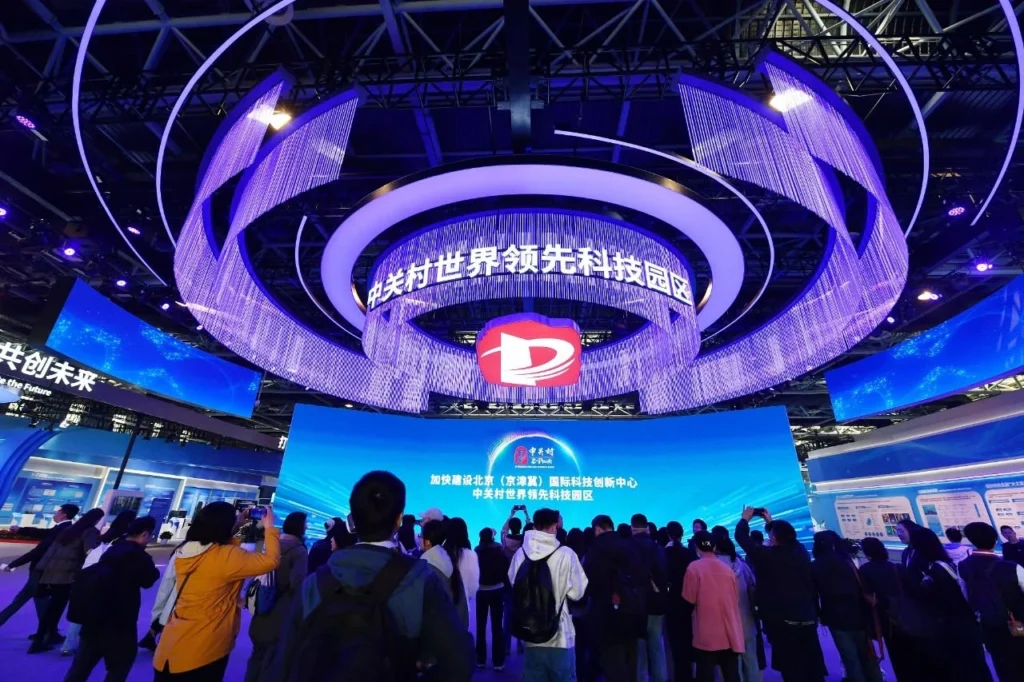
The city is also where AI policy becomes visible. The 2025 ZGC Forum exhibition featured over 490 exhibits from more than 350 entities, including 130+ projects shown globally for the first time. Beijing’s “AI Plus” plan focuses on scalable large-model applications across healthcare, education, advanced manufacturing, governance, and scientific research.
Beijing’s role differs from Shenzhen’s. Shenzhen moves fastest in applied hardware, EVs, and manufacturing. Beijing leads in AI talent, model development, research concentration, platform ecosystems, and policy direction.
For executives, Beijing is the place to understand China’s national tech priorities before choosing a local execution path. A company may enter through Shanghai for retail innovation, Shenzhen for hardware, or Hangzhou for platform partnerships, but Beijing helps explain the policy logic behind those choices.
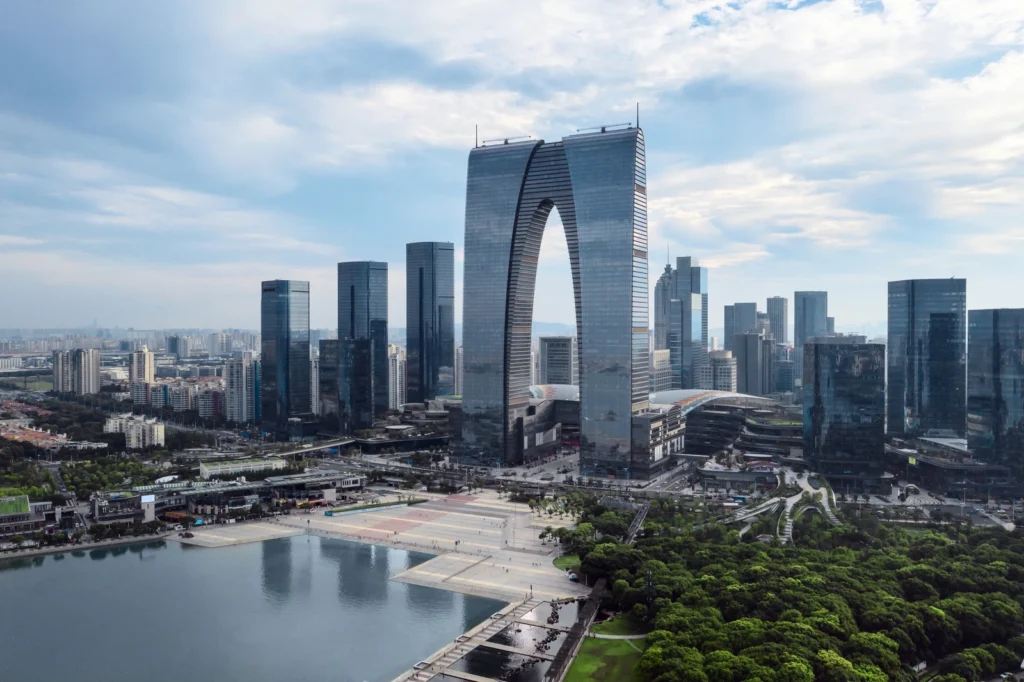
Shanghai and Suzhou form one of China’s strongest advanced manufacturing corridors. Their combined strength covers robotics, automotive technology, semiconductors, smart factories, industrial software, green manufacturing, life sciences, and precision engineering. This makes the corridor a leading technology city in China’s industrial transformation ecosystem.
WIPO’s 2025 innovation cluster ranking placed Shenzhen–Hong Kong–Guangzhou first, Beijing fourth, and Shanghai–Suzhou sixth, which supports your corridor framing. For life sciences, Shanghai’s 2025 biomedical layout places Zhangjiang as the core zone for small-molecule drugs, cell therapy, antibody drugs, minimally invasive surgery, and robotic surgery.
Suzhou adds to its strengths in dense industrial parks, semiconductor suppliers, biomedicine, precision components, and factory digitization. Together, they give China Technology a powerful business-to-business platform.
This corridor matters because AI in China increasingly moves into factories, labs, logistics networks, and energy systems. Shanghai’s smart manufacturing base gives AI companies real customers with measurable productivity needs. Suzhou’s industrial parks give suppliers and system integrators repeatable deployment environments.
Robotics also benefits from this structure. Shanghai has become important for humanoid robotics through companies such as AgiBot. Suzhou supports industrial automation through component suppliers, factory customers, and manufacturing talent. For global firms, this corridor offers a clearer path from pilot project to scaled industrial use.
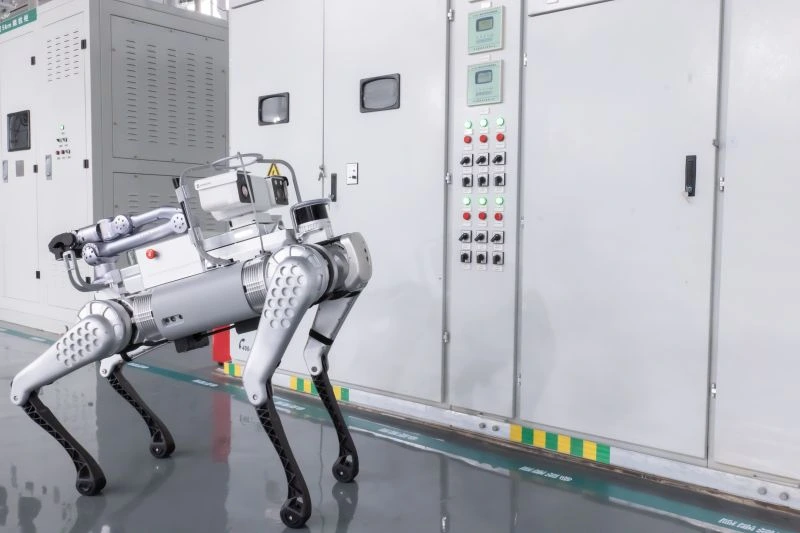
Hangzhou has become one of the most important Chinese innovation hubs because it connects platform economy experience with AI application strength. The city has deep roots in digital commerce, strong cloud capabilities, and a growing robotics scene. That mix gives Hangzhou a distinctive position in the 2025 China Tech Map.
Alibaba’s ecosystem has long shaped Hangzhou’s digital commerce, cloud services, merchant tools, and data infrastructure. In 2025, that platform logic increased matters for AI adoption. Brands, merchants, logistics teams, and service providers can test AI tools inside commercial environments with large user bases.
Hangzhou also matters for embodied intelligence. Unitree has pushed the city into global robotics conversations, while local hardware and software talent support broader automation experiments. This gives Hangzhou a role distinct from Beijing’s and Shenzhen’s. It is less policy-centered than Beijing and less hardware-dense than Shenzhen.
For companies tracking Chinese technology, Hangzhou is useful for understanding AI in commerce, service workflows, cloud tools, and robotics visibility. It shows how China can move AI from model demos into consumer platforms, merchant operations, and physical automation.
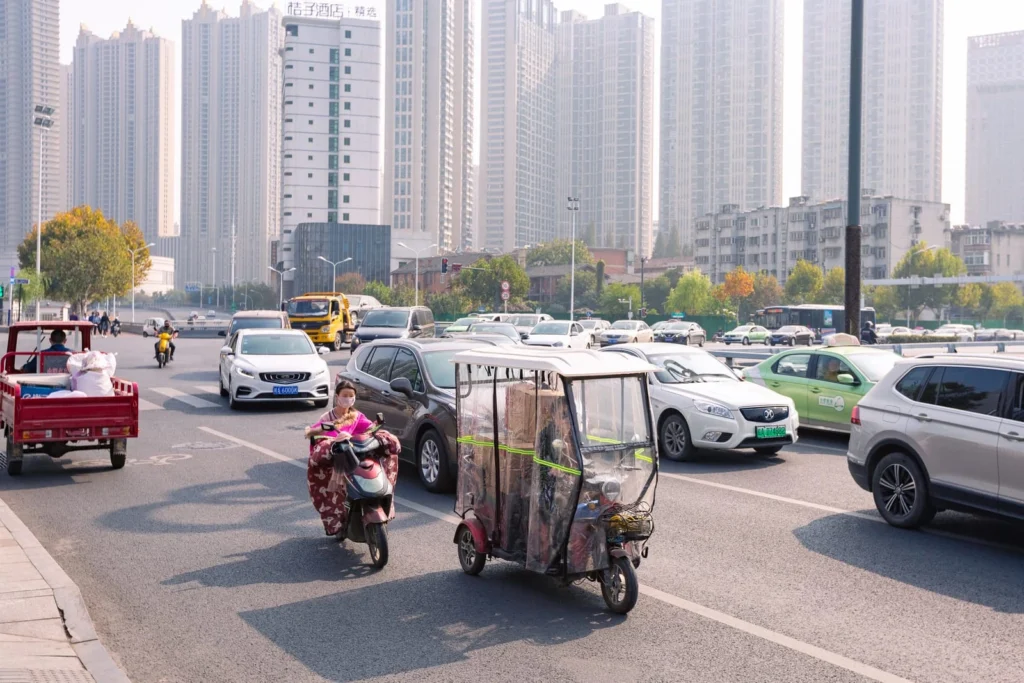
Hefei has become one of the clearest examples of a city-driven industrial strategy in China’s technology. The city has built a strong EV identity through investment, manufacturing, batteries, suppliers, and smart mobility links. It now competes with larger cities by focusing on a single high-growth industrial sector.
Hefei’s strength lies in coordinated industrial planning. NIO, Volkswagen Anhui, battery suppliers, display technology companies, and advanced manufacturing assets give the city a focused innovation base. This makes Hefei a major Chinese tech city for EV and intelligent-vehicle research.
The city also reflects a broader pattern in Chinese innovation. Local governments no longer compete only for factories. They compete for ecosystems, anchor companies, supplier networks, research institutes, and skilled workers. Hefei’s EV rise shows how a mid-sized city can build national relevance through disciplined sector focus.
For foreign companies, Hefei offers lessons in designing local partnerships. The city can support EV sourcing, smart cockpit research, battery ecosystem mapping, and mobility investment analysis. It also helps teams understand how China’s EV market became a city-based industrial race.
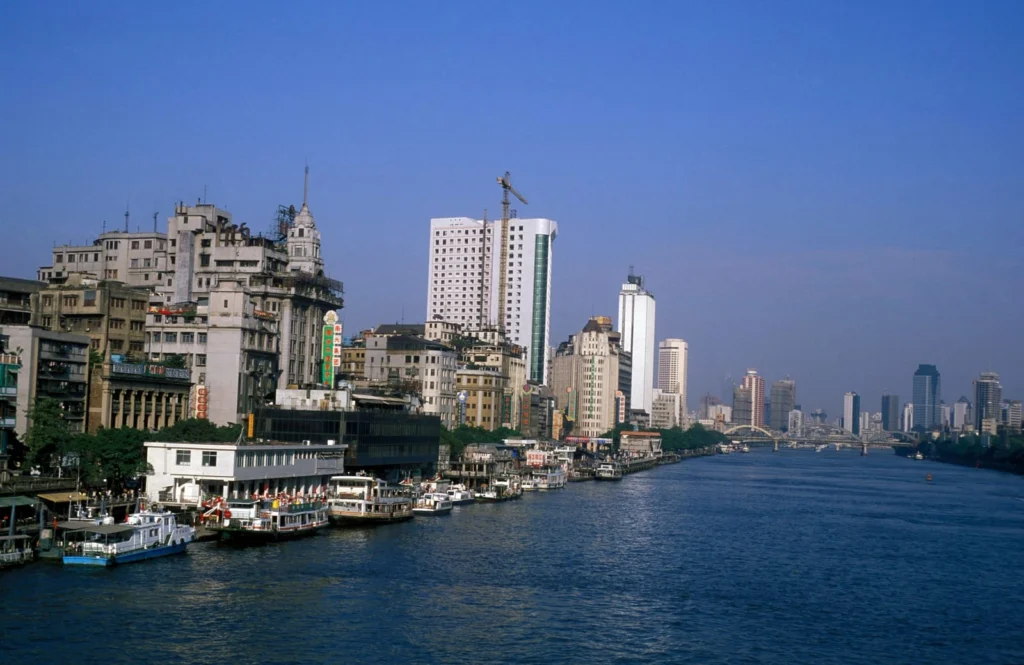
Guangzhou, Nanjing, Chengdu, and Wuhan deserve close attention because each city adds a specialized layer to China’s technology.
Guangzhou strengthens the Greater Bay Area through automotive engineering, robotics, logistics, and consumer technology. The city is hosting the 2026 Greater Bay Area smart transportation technology event, focused on vehicle-infrastructure coordination, which strengthens its mobility and urban systems angle.
Nanjing brings software, research depth, and advanced manufacturing. Local investment material says that in 2025, Nanjing established 1 to 2 world-renowned innovative enterprises, created world-class industrial innovation clusters, reached 20,000 high-tech enterprises, and raised the high-tech industry’s output value to 54.5 percent of the output value of industries above the designated size.
Chengdu adds AI compute, gaming, electronics, and western China’s digital infrastructure. Reuters reported that Chengdu backed Zhipu AI’s free AI agent push, which shows local government capital moving into the national AI race.
Wuhan contributes optics, automotive, universities, and central China logistics. Reuters noted that humanoid robot makers and component suppliers based in Wuhan can qualify for subsidies up to 5 million yuan after reaching procurement and sales thresholds, plus free office space.
This broader map matters for companies seeking the right technology city in China. The best answer depends on the task. AI compute policy may point toward Chengdu. Optical communications may lead to Wuhan. Industrial software and research may guide attention toward Nanjing. Automotive and robotics may bring Guangzhou into the shortlist.
The biggest lesson from Chinese technology is that the speed of innovation comes from ecosystem fit. Cities create the conditions that enable companies to test, source, and scale quickly. That pattern now shapes AI, EVs, robotics, green tech, and digital manufacturing.
Global companies should use China’s city map as a strategic tool. Shenzhen suits hardware, robotics, EV supply, and rapid product iteration. Beijing suits AI policy, research, and frontier models. Shanghai and Suzhou are well-suited to industrial AI, robotics, and advanced manufacturing. Hangzhou suits platform intelligence and AI-driven commerce. Hefei suits EVs, batteries, and smart mobility.
For global brands, the practical question is simple. Which city gives your sector the best access to partners, pilots, suppliers, talent, and market feedback? The answer will define how you engage with Chinese technology in 2025 and beyond.
China’s innovation story is increasingly shaped by specialized city ecosystems. ChoZan helps executives, investors, and innovation teams understand how hubs such as Beijing, Shenzhen, Shanghai, Hangzhou, Hefei, and Chengdu drive AI, EVs, robotics, advanced manufacturing, and digital transformation.
Through research, executive briefings, expert access, workshops, and curated innovation expeditions, we provide direct insights into the companies, technologies, and ecosystems shaping China’s future. Book a consultation to explore how your team can learn from China’s most important technology hubs.
Shanghai and Suzhou are often the strongest choices for semiconductor companies. The corridor brings together chip design, wafer fabrication, advanced manufacturing, industrial customers, research institutions, and supplier networks to support development, testing, and commercialization at scale.
Chinese innovation clusters integrate research, capital, manufacturing, startups, universities, and end users into a single ecosystem. This structure allows companies to test products, secure partners, gather customer feedback, and scale faster than traditional industrial park models.
China’s technology hubs offer direct exposure to operating ecosystems. Executives can meet suppliers, startups, manufacturers, researchers, and technology buyers in real-world settings, providing deeper insights than conference presentations or exhibition booths alone.
Hangzhou is among the fastest-rising AI cities in China. Strong support from Alibaba’s ecosystem, growing AI patent activity, and the expansion of robotics and embodied AI companies have significantly increased the city’s global innovation profile.
The strongest technology cities combine talent, research institutions, industrial demand, supply chains, venture capital, supportive policy, and commercialization pathways. Investors often prioritize ecosystem quality over city size because execution speed usually determines long-term success.
Technology hubs provide access to customers, suppliers, competitors, regulators, and innovation partners in concentrated locations. This allows international teams to validate opportunities, benchmark technologies, and understand adoption trends without conducting nationwide research programs.
Yes. Cities such as Hangzhou, Nanjing, Wuhan, and Hefei are rapidly expanding their innovation capabilities. Many now specialize in strategic sectors and compete successfully by building focused ecosystems rather than pursuing broad technology leadership.
China’s city ecosystems connect technology developers directly with industrial users. This proximity allows companies to test products in factories, logistics networks, transportation systems, and commercial platforms, accelerating deployment and iterative improvement.
Shenzhen, Hangzhou, Shanghai, and Beijing currently lead many embodied AI initiatives. These cities bring together robotics manufacturers, AI developers, research institutions, industrial customers, and government support, helping physical AI systems move into commercial deployment.
Yes. China continues investing heavily in AI, advanced manufacturing, green technology, robotics, and scientific research. As a result, more specialized cities are expected to gain international relevance through focused industrial strengths and innovation ecosystems.