CONTENT
Guangzhou China enters 2026 with a clearer innovation identity. Its growth agenda now places intelligent electric vehicles, artificial intelligence, biomedicine, low-altitude mobility, embodied intelligence, and cell and gene technologies within a single industrial system. Guangzhou’s economy reached 3.2 trillion yuan in 2025 and grew 4 percent year on year.
This matters because Guangzhou combines industrial scale with urban test environments and access to the wider Greater Bay Area. For companies assessing Guangzhou, the key point is commercial density.
The city provides access to industrial partners, engineering talent, research institutions, transport infrastructure, government-supported demonstration scenarios, and the wider consumer and manufacturing base of southern China.
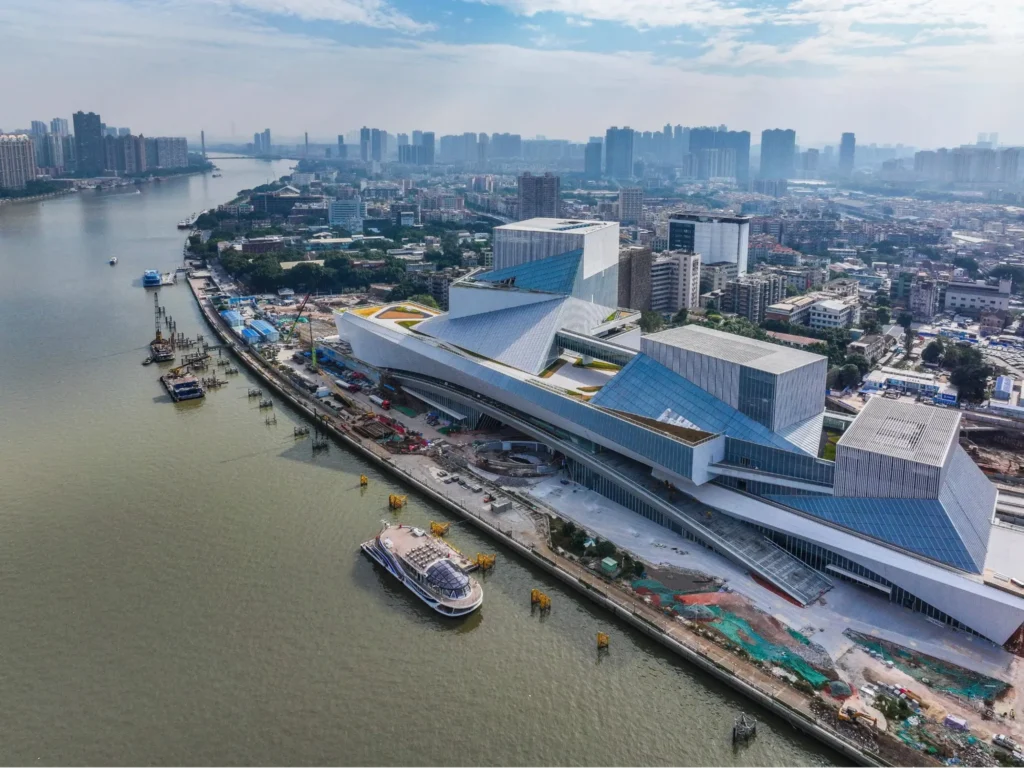
The Greater Bay Area’s 2025 economic output surpassed US$2.21 trillion. Within this ecosystem, Guangzhou, Guangdong province, functions as the administrative and innovation anchor. The Guangdong provincial government has laid out its 15th Five-Year Plan (2026–2030) strategy to spearhead the GBA’s integrated development.
The Greater Bay Area Science Forum 2025, held in Nansha, Guangzhou, brought together over 50 leading scientists, including a Turing Award laureate, to discuss AI, green energy, and the low-altitude economy. This event underscored Guangzhou’s role in Guangdong province, China, as a convening force for global scientific talent.
Guangdong is also supporting high-tech industrial clusters and closer links between research and industry. Newly mass-produced new energy passenger vehicle models may receive up to US$1.48 million each.
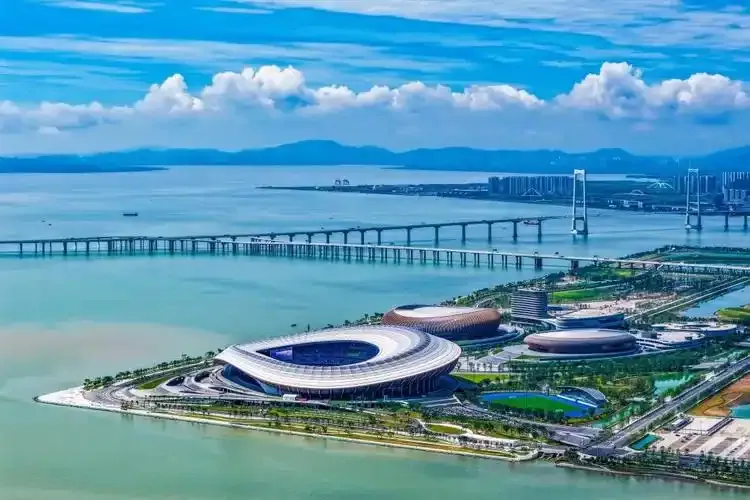
Nansha provides Guangzhou with a platform for collaboration with Hong Kong and Macao. Measures introduced in January 2025 support joint laboratories involving universities, research institutions, and companies.
Provincially recognized joint laboratories may receive a one-time reward of approximately US$443,000. Eligible companies may also receive funding equal to 5% of annual research spending, capped at approximately US$443,000.
Beyond financial support, Nansha is developing pathways that connect cross-border research with commercialization. Companies must still assess eligibility, intellectual property arrangements, data regulations, sector rules, and local operating requirements.
Guangzhou, China, is accelerating its ambition to become a global smart mobility hub. In June 2025, the city introduced its Three-Year Action Plan for the Intelligent Connected New Energy Vehicle Industry, aiming to become a world-class “Smart Car City” by 2027.
The plan offers generous incentives for high-volume EV production, deployment of autonomous driving, and vehicle-to-grid (V2G) innovation to strengthen both mobility and energy systems.
Meanwhile, Guangzhou, Guangdong province, China recorded strong EV momentum, with new energy vehicle production rising 23.7% year on year, EV exports reaching 139,000 units, and retail penetration climbing to 57.2% in 2025.
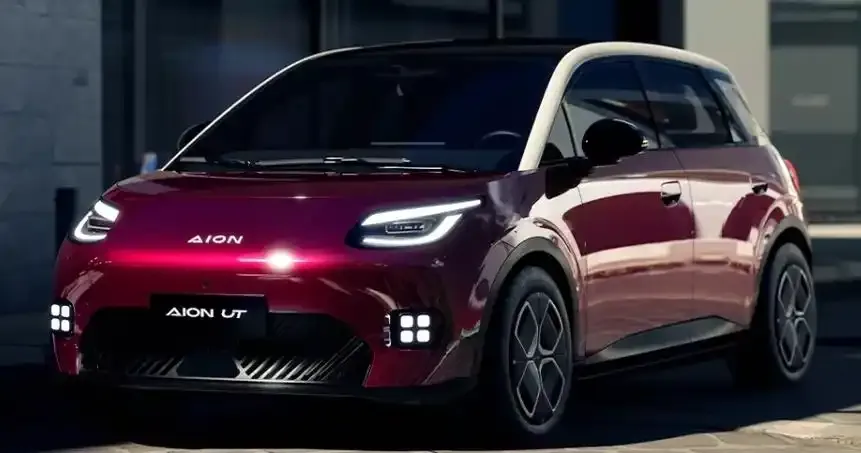
GAC launched its ADiGO smart technology brand and GAC GSD driving assistance system in the first half of 2025. The system uses a generative AI-based end-to-end architecture. GAC also advanced work in batteries, electric drives, vehicle electronics, and new energy platforms.
These areas create opportunities for suppliers in sensors, simulation, vehicle software, energy management, safety systems, power electronics, advanced materials, and manufacturing equipment. GAC also reported lower sales and revenue amid intense competition and shifting demand.
In April 2025, GAC said it would take responsibility for the safety of its Level 4 vehicles. GAC Aion and DiDi developed the vehicles for demonstrations in selected areas of Guangzhou and Beijing.
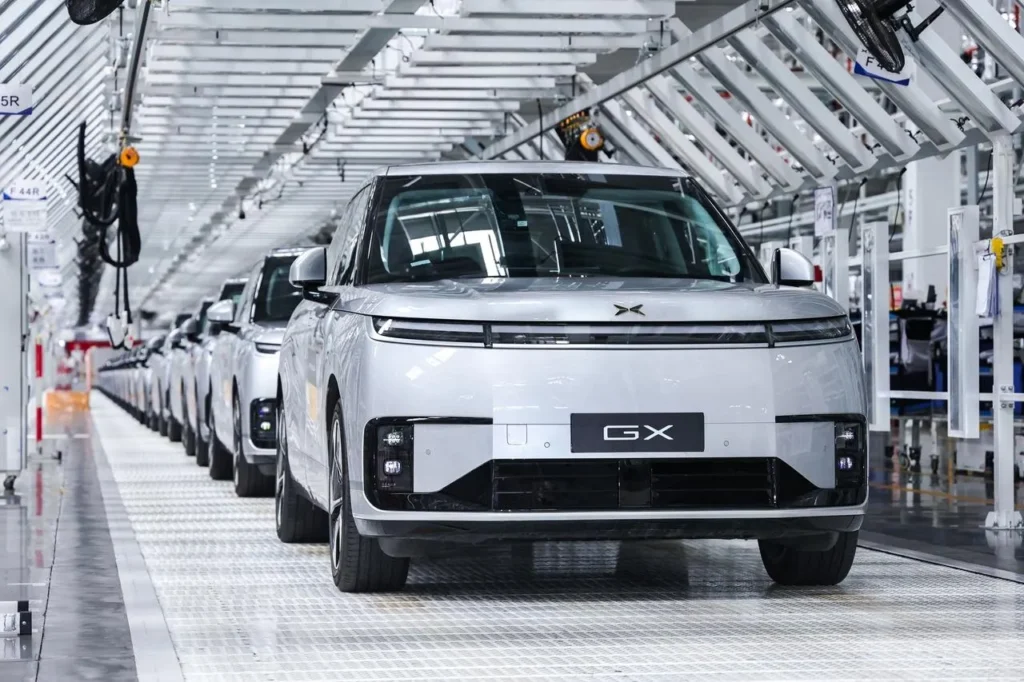
Guangzhou Xiaopeng Automotive Technology marked the production of its one millionth vehicle in 2025 and launched the X9 Super Range, priced at about US$43,000 to US$46,000. XPENG also announced seven dual-energy models for 2026, robotaxi testing in Guangzhou, and about US$417 million in investment for XPENG AeroHT in 2025.
This direction expands the strategic meaning of Guangzhou’s EV cluster. Capabilities in perception, control, computing, robotics, simulation, and intelligent manufacturing can move across several product categories. Local demand can extend beyond passenger vehicles.
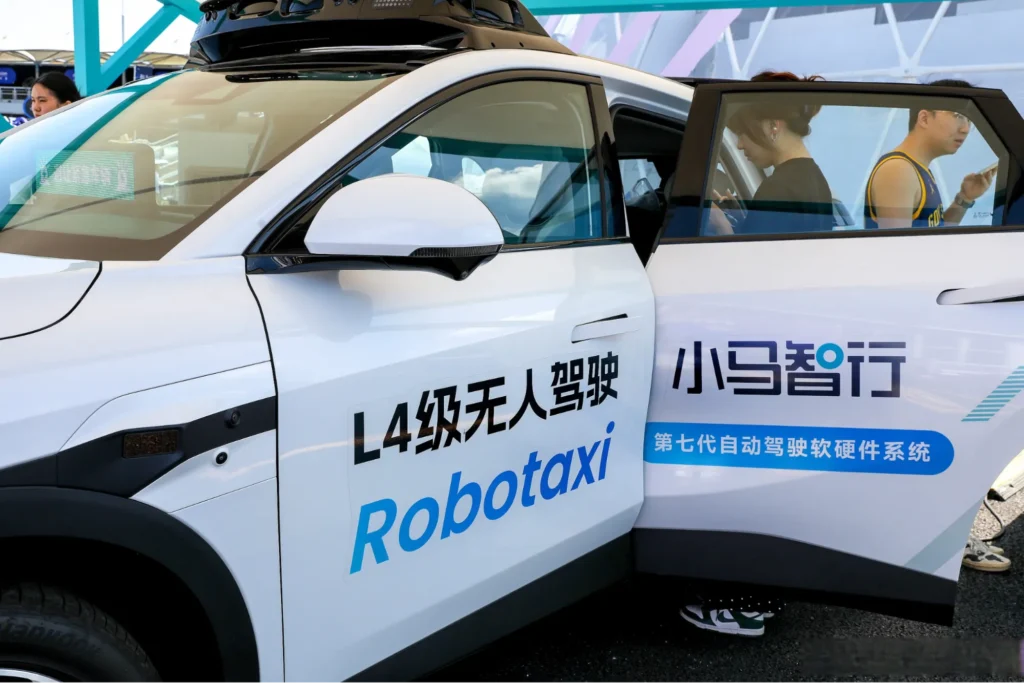
Pony.ai expanded its paid Robotaxi services in February 2025, adding Baiyun International Airport and Guangzhou South Railway Station to its network of locations in central Guangzhou. The service placed autonomous driving on high-demand transport routes outside a closed demonstration zone.
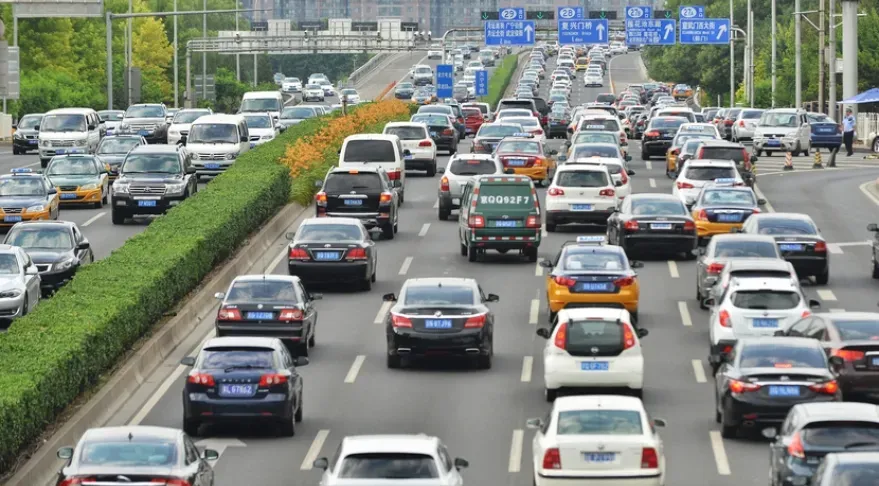
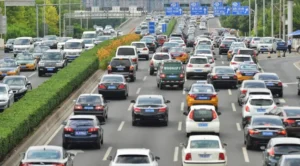
Guangzhou provides dense urban traffic, transport hubs, suburban districts, industrial zones, and policy-supported testing environments. These conditions give mobility companies varied operating scenarios and a path from technical trials to public service use.
By April 2025, Guangzhou’s 12 driverless bus routes had carried 1.17 million passengers and covered 2.17 million kilometers. WeRide also launched 24-hour autonomous services for airport and railway station trips through advance booking.
These operations provide real data on reliability, maintenance, traffic conditions, route planning, and service costs. They also create opportunities for sensor suppliers, mapping platforms, fleet management, charging, insurance, communications, and transport infrastructure.
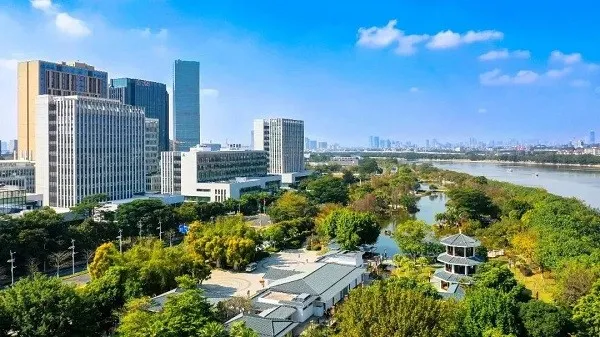
Guangzhou International Bio Island is Huangpu’s main biomedical R&D hub. In 2025, the district expanded its role through the “one island, multiple parks” model, linking research on Bio Island with pilot development in Science City and manufacturing in Knowledge City.
Bio Island hosts more than 500 biopharmaceutical companies, including projects from AstraZeneca, Sinopharm, and Thermo Fisher Scientific, as well as six listed company headquarters and over 30 academician-led projects.
Huangpu’s 2025 “Biomedicine 3.0” policy provides clinical trial subsidies of up to 20%, 30%, and 50% for Phase I, II, and III studies, with annual support capped at approximately US$14.8 million per company. Innovative medical devices can receive up to US$1.5 million annually.
Bio Island also houses the Guangzhou National Laboratory. Guangdong aims to grow its bio-manufacturing industry to approximately US$73.8 billion by 2027 and US$147.5 billion by 2035.
The Guangzhou tech market rewards practical contributions. Broad claims about innovation offer little value unless they connect to a clear industrial need.
Market planning should start with three questions:
Intellectual property planning should begin before technical discussions become detailed. Guangzhou’s 2025 international intellectual property workshop covered pharmaceutical patents, artificial intelligence content, and low-altitude applications. The range of topics reflects the legal complexity surrounding emerging technology.
A clear market entry structure should separate research collaboration, technical validation, licensing, distribution, manufacturing, and investment. Each route requires different partners and commercial protections.
Understanding Guangzhou China requires looking at how mobility, advanced manufacturing, life sciences, research institutions, and Greater Bay Area connections work together.
ChoZan studies these systems through China research, expert discussions, workshops, and learning expeditions. Our open China Innovation Tour to Shenzhen and Guangzhou will run from 6 to 11 December 2026 with a cohort capped at 25 participants.
The six-day programme examines applied AI, robotics, green technology, future mobility, smart manufacturing, and smart city systems through company visits, expert briefings, and field visits across both cities.
We also help global teams examine these systems through China-focused research, market and consumer insights, trend analysis, expert discussions, executive workshops, and learning expeditions. Our work connects current developments with the strategic questions that matter inside each organization.
Book a consultation with ChoZan.
Guangzhou can work well for companies that need access to manufacturing, research institutions, large customers, and partners in the Greater Bay Area. The best fit depends on sector, district choice, talent needs, and the location of key suppliers.
Tianhe is a leading choice for artificial intelligence, software, data, finance, and business services. Huangpu may suit companies that need closer links to advanced manufacturing, semiconductors, mobility, or industrial research assets.
Some Nansha programs support research spending, joint laboratories, technology transfer, and company development. Eligibility varies by program, company structure, project scope, and local activity, so firms should verify current rules before committing capital.
Start by matching the company’s stage with the right location. Bio Island focuses on research, Science City supports pilot development, and Knowledge City supports industrialization. Clinical partnerships and shared resources may influence the final site choice.
Guangzhou offers dense traffic, major transport hubs, industrial districts, and active Robotaxi services. These conditions support testing across varied operating scenarios, but approvals, safety obligations, data rules, and route permissions still require careful review.
Guangzhou brings deeper strengths in automotive manufacturing, commerce, hospitals, universities, and broad urban applications. Shenzhen has denser hardware entrepreneurship and technology company networks. Many regional strategies use both cities for different operating functions.
Sun Yat-sen University, South China University of Technology, and The Hong Kong University of Science and Technology (Guangzhou) contribute research talent and collaboration opportunities. The right partner depends on the technical field and commercialization goal.
Review district fit, customer access, partner quality, talent, industrial space, intellectual property, data compliance, incentives, and supply chain needs. A city-level comparison alone can miss important differences between Huangpu, Tianhe, Nansha, and Panyu.
Current city priorities include artificial intelligence, semiconductors, new energy, energy storage, low-altitude aviation, robotics, embodied intelligence, advanced materials, marine technology, and commercial space. Opportunity quality differs by district and value chain position.
Guangzhou China contributes industrial depth, universities, hospitals, commerce, and a large application market to the Greater Bay Area. Its role becomes stronger when combined with Shenzhen’s technology networks and Hong Kong’s finance and international services.