CONTENT

HJT solar panels combine crystalline silicon with ultrathin amorphous silicon layers to reduce electrical losses and improve energy conversion. Their advantages include high efficiency, favorable hot-weather performance, and strong potential for bifacial generation. Their principal challenges include specialized manufacturing equipment, metallization costs, and supply chain dependencies.
China plays an important role in this market because its companies produce heterojunction modules, develop advanced hybrid designs, and supply critical solar manufacturing equipment.
For buyers, the central question is how technical performance translates into lifetime electricity production, procurement costs, and manufacturing resilience.
An HJT solar panel uses silicon heterojunction cells that combine two forms of silicon within a single photovoltaic structure.
A crystalline n-type silicon wafer absorbs sunlight, while thin amorphous silicon layers help reduce electrical losses at the wafer’s surfaces.
The term “heterojunction” refers to the junction between materials with different characteristics. In this case, crystalline and amorphous silicon work together to improve how efficiently the cell collects electricity.
An individual heterojunction solar cell generates electrical current. Multiple cells are connected and enclosed to create a finished HJT solar module.
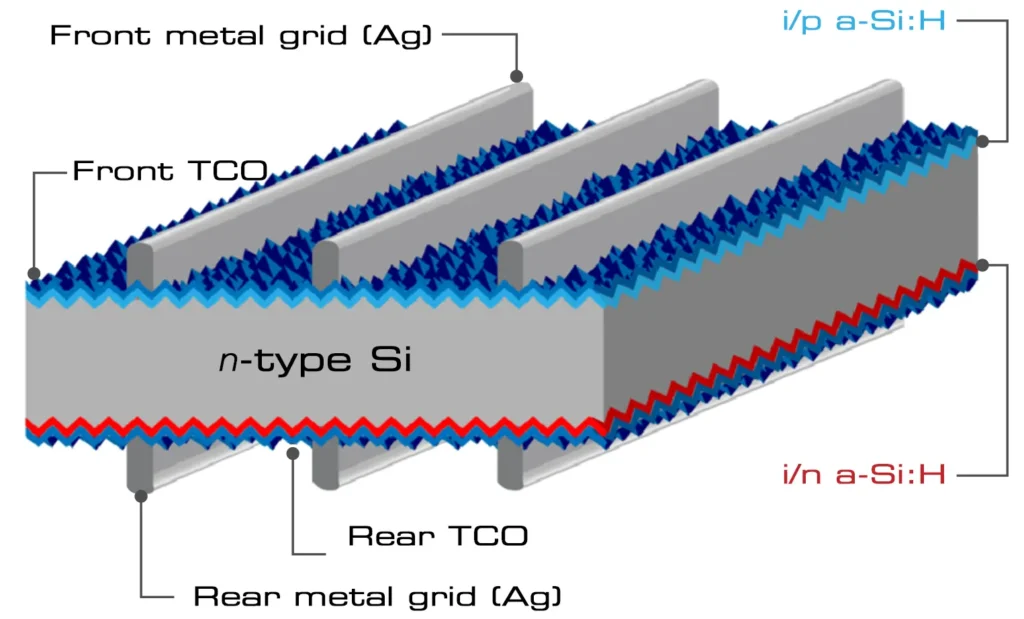
The typical HJT solar cell structure contains several functional layers:
This heterojunction cell architecture improves surface passivation at wafer boundaries. Fewer charge carriers are lost before collection, supporting higher voltage and stronger conversion efficiency.
The symmetrical design can also support bifacial performance. When the rear side receives reflected light, suitable modules can generate additional electricity from both surfaces.
A meaningful comparison must distinguish between HJT solar cell efficiency, laboratory module efficiency, and commercially listed panel efficiency.
| Product or technology | Reported efficiency | What the figure represents |
| Trina Solar HJT module | 25.44% | Laboratory-tested HJT module certified by Fraunhofer CalLab |
| Huasun commercial modules | Up to 24.75% or 24.77% | Manufacturer-listed figures for specific commercial module variants |
| LONGi HIBC cell | 27.81% | Certified hybrid cell combining heterojunction and back-contact features |
| LONGi HIBC module | 25.9% | Hybrid module rather than a conventional front-contact HJT panel |
Reuters reported Trina Solar’s 25.44% result in January 2025. The figure represents a certified laboratory module and should not be treated as the efficiency of every production panel.
LONGi’s HIBC announcement describes a separate hybrid architecture. Compare its cell and module results with equivalent hybrid products rather than standard HJT panels.
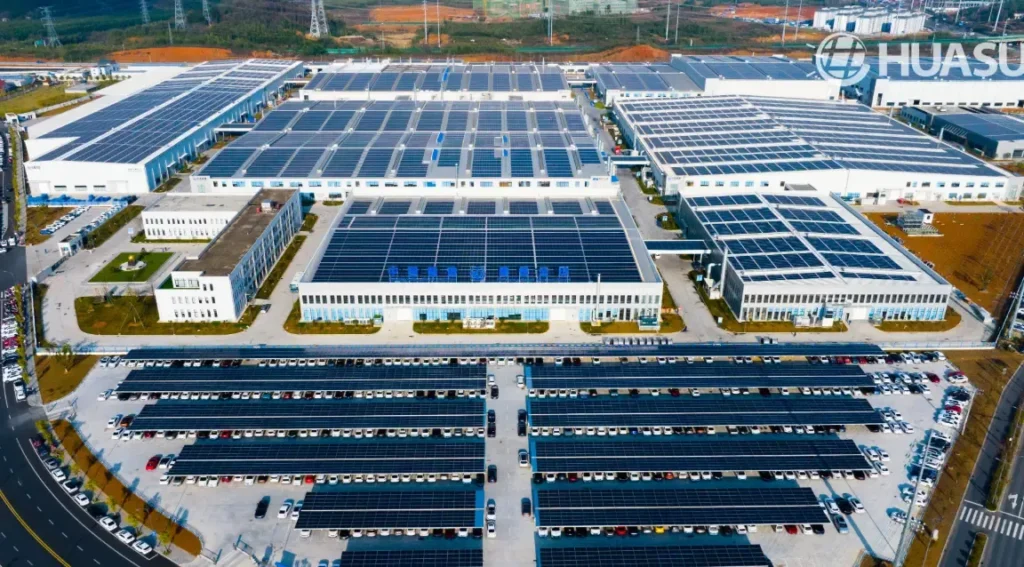
Published efficiency figures show performance under standardized conditions. Actual electricity production also depends on temperature, sunlight intensity, mounting conditions, and site design.
Solar panels lose output as their operating temperature rises. The temperature coefficient indicates how much power declines for each degree of temperature increase. A less negative coefficient generally supports stronger modeled production in hotter conditions.
Huasun lists a power temperature coefficient of approximately -0.24% per degree Celsius for certain HJT products. Actual performance still depends on ambient temperature, ventilation, mounting configuration, and system design. For projects in hot climates, this figure can influence long-term generation forecasts.
Claims about HJT solar panels’ low-light performance should be evaluated against the quality of the available evidence.
A 2026 Hency Solar company release reported approximately 1% higher generation from HJT modules than TOPCon modules under irradiance between 0 and 400 watts per square meter in selected comparative tests.
This was manufacturer-reported testing. It does not establish that every HJT module outperforms every TOPCon product under weak sunlight.
Buyers should request independently reviewed test results and performance simulations based on their specific location.
Some HJT solar panels can generate electricity from both their front and rear surfaces.
Rear-side production depends on ground reflectivity, mounting height, row spacing, shading, and module design.
A bifacial installation above a highly reflective surface may perform differently from a rooftop installation where little light reaches the rear of the panel.
Buyers should verify bifaciality data rather than assume all HJT products deliver the same rear-side contribution.

HJT solar cell manufacturing process differs substantially from PERC or TOPCon lines. The key difference is the temperature budget. PERC processing requires temperatures above 800°C for diffusion and firing steps. HJT solar technology keeps the wafer below 200°C throughout amorphous silicon deposition and transparent conductive oxide coating.
Manufacturing HJT solar cells requires plasma-enhanced chemical vapor deposition (PECVD) and physical vapor deposition (PVD) systems. PECVD deposits the amorphous silicon layers at 150-200°C. PVD deposits the transparent conductive oxide layers, typically indium tin oxide or alternative formulations.
Current production lines handle 10,000-12,000 wafers per hour. Equipment costs remain higher than PERC lines, with a 1 GW HJT solar module line requiring RMB 250-300 million (USD 35-42 million), compared to RMB 150-180 million for PERC. Equipment manufacturers have reduced costs through larger process chambers and higher throughput platforms.
The standard HJT solar cell uses silver paste for front and rear contacts. The low-temperature processing requires specialized silver pastes that cure below 200°C. These pastes contain silver particles suspended in organic carriers, and their conductivity relies on contact between particles rather than sintering.
Silver consumption in production HJT solar cells ranges from 15-20 mg/W, compared to 10-12 mg/W for PERC.
At 2025 silver prices averaging RMB 6,500 (USD 900) per kilogram, silver paste accounts for 12-15% of cell manufacturing costs. Manufacturers are accelerating adoption of copper plating to address this expense.
Copper plating reduces metal costs by 60-70% and improves conductivity. Several Chinese producers now offer copper-plated HJT solar panels in commercial quantities. The technology uses electroplating to deposit copper fingers after forming a seed layer, eliminating silver paste entirely from the front side while retaining silver for rear contacts.
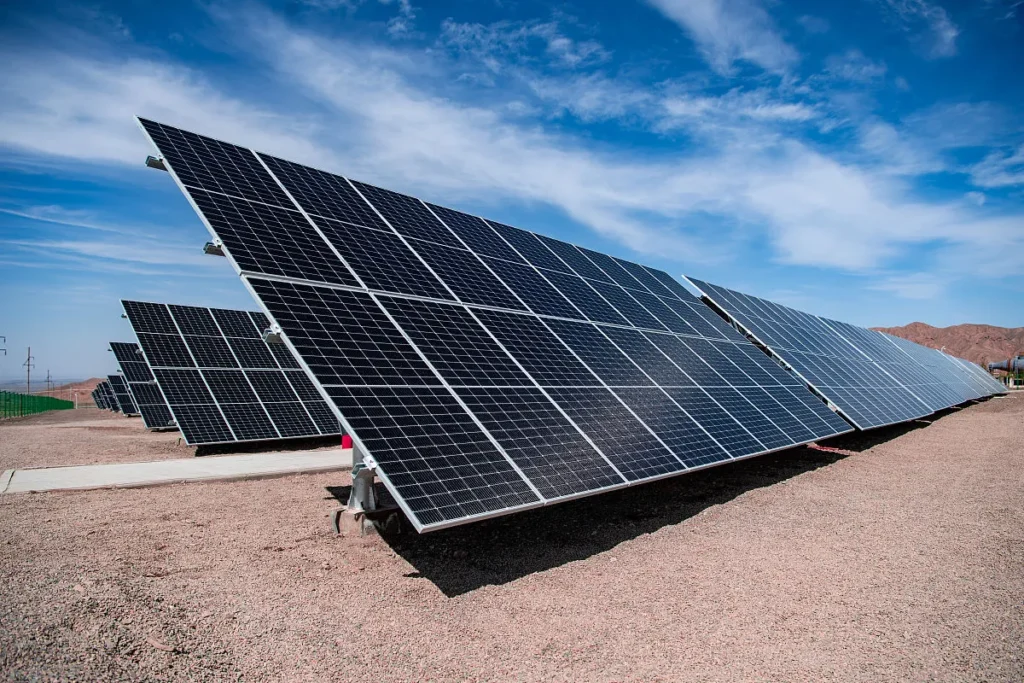
Both HJT and TOPCon use advanced approaches to reduce electrical losses, but their manufacturing requirements and procurement considerations differ.
| Comparison factor | HJT | TOPCon |
| Cell architecture | Crystalline silicon wafer with amorphous silicon passivation layers | Crystalline silicon wafer with tunnel oxide and passivated contacts |
| Temperature performance | Favorable temperature coefficients for certain commercial products | Performance varies across manufacturers and module designs |
| Bifacial suitability | Strong potential in appropriately designed bifacial installations | Also available in bifacial product configurations |
| Manufacturing requirements | Specialized thin-film deposition and metallization equipment | Established large-scale manufacturing ecosystem |
| Materials development | Active research into reducing silver and expanding copper-based contacts | Active research into lower-silver and electroplated contacts |
| Purchasing priority | Lifetime electricity generation relative to price and project conditions | Product availability, pricing, supplier quality, and site-specific performance |
Reuters reported in January 2025 that industry consultancy InfoLink projected HJT could account for approximately 9% of high-efficiency solar cell capacity in 2026.
That figure was a forecast, not a verified measurement of 2026 market share.
For buyers, the more relevant comparison is total project cost against expected lifetime electricity production.
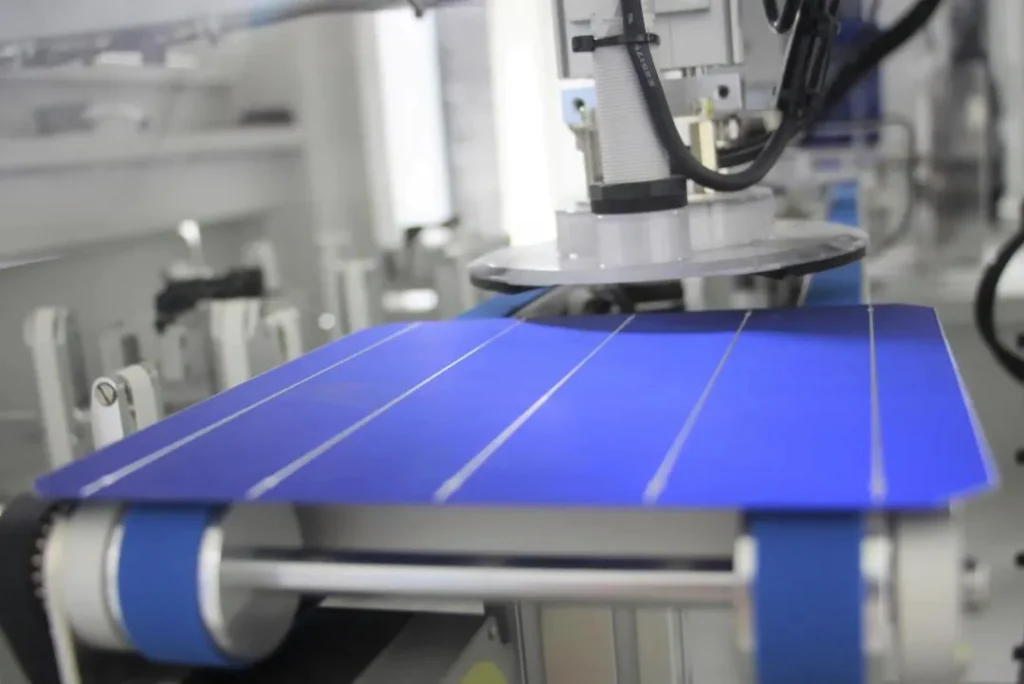
China’s role in HJT solar technology extends beyond producing finished panels.
In April 2026, Reuters reported that Chinese authorities had discussed potential restrictions on exports of advanced solar manufacturing equipment to the United States.
The report identified HJT-related equipment among the technologies under discussion. It also said no final rule had been adopted at the time.
For companies considering overseas manufacturing, access to deposition systems, replacement components, technical support, and specialized equipment can influence factory timelines and long-term operating resilience.
Supplier concentration and equipment availability should therefore be considered alongside module efficiency and purchase price.
A thorough procurement assessment should include:
The right product depends on its expected performance under actual project conditions, not its headline laboratory efficiency alone.
A meaningful assessment of HJT solar panels requires more than comparing published efficiency claims. It also involves understanding Chinese manufacturers, equipment suppliers, research priorities, and barriers to commercial adoption.
ChoZan’s China research, expert calls, and China learning expeditions provide different ways to examine those developments in context. Our China-focused articles and resources also offer useful background on the country’s wider technology and manufacturing ecosystem.
Book a consultation to discuss a specific China solar manufacturing, sourcing, or technology research question.
Yes. HJT solar panels can suit residential rooftops when their size, electrical characteristics, and price match the installation requirements. Higher module efficiency can help when roof space is limited.
Most HJT modules work with conventional solar inverters if their voltage, current, and string configuration meet the inverter’s specifications. Installers should confirm compatibility using the relevant product datasheets.
No. HJT products may be monofacial or bifacial. Buyers should check the manufacturer’s specifications to confirm the module design and expected rear-side performance.
HJT panels do not eliminate shading losses. Performance depends on cell layout, bypass diodes, inverter configuration, and the obstruction’s position.
Compare the product warranty, performance warranty, first-year output allowance, annual degradation rate, exclusions, and claim procedures. Supplier financial strength and local service support also affect practical protection.
Certain HJT cells can provide a silicon foundation for advanced tandem designs. Commercial readiness varies, so buyers should distinguish research demonstrations from independently verified products available for purchase.
They may be worthwhile when higher efficiency, favorable temperature performance, or bifacial generation improves expected lifetime electricity production enough to justify the additional cost. The answer depends on project pricing and site conditions.
Request the current datasheet, independent certification records, warranty conditions, temperature coefficient, bifaciality data, degradation assumptions, and installation instructions. For larger projects, also request supplier due diligence and site-specific energy modeling.