CONTENT

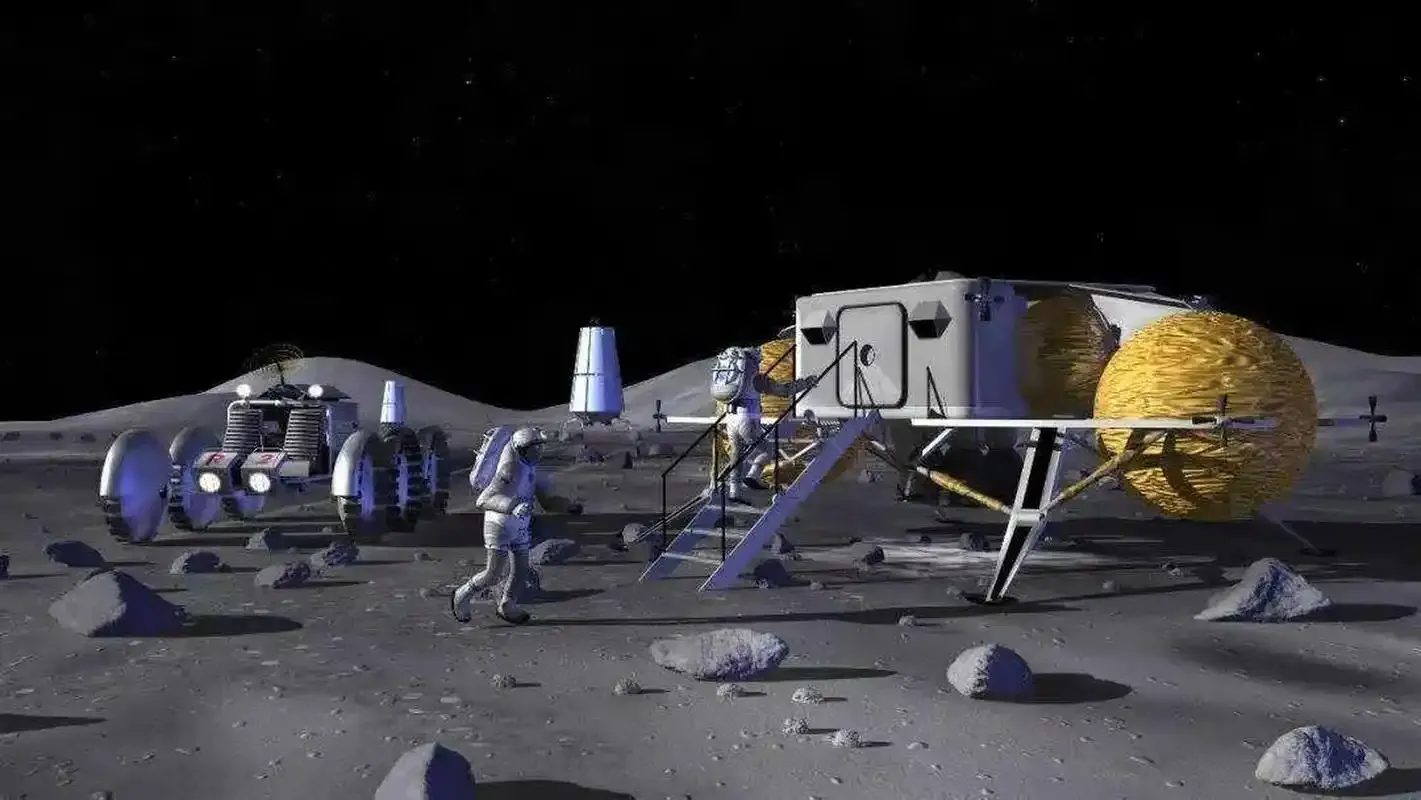
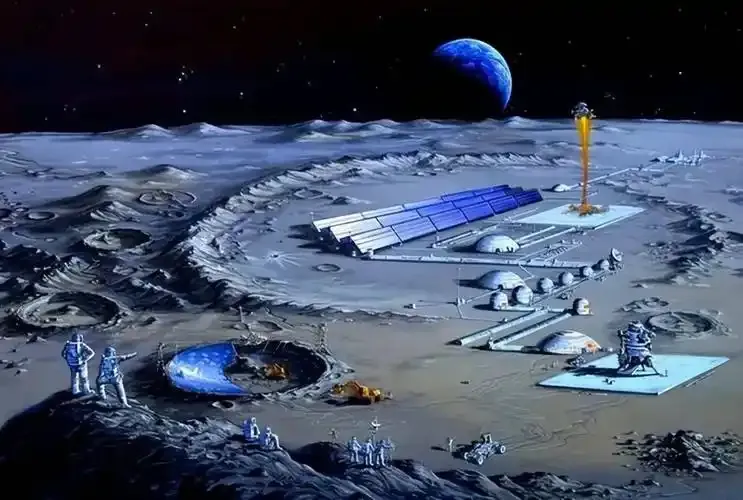
The International Lunar Research Station (ILRS) is a China-led plan for a scientific facility on the Moon’s surface and in lunar orbit. China targets a basic station near the lunar south pole by 2035. Its proposed operating model combines long periods of autonomous activity with short human visits, according to chief designer Wu Weiren’s 2025 explanation.
Its relevance reaches beyond space exploration. The program brings robotics, energy, materials, and remote operations into a demanding engineering environment.
Companies studying China’s technology capabilities can learn from how these systems develop, while assessing each announcement against evidence of delivery.
CNSA identifies five scientific objectives: lunar geology, astronomy from the Moon, observation of the Sun-Earth-Moon environment, fundamental science experiments, and in-situ resource utilization. Its April 2025 overview describes a facility that combines orbital observation with sustained surface research.
A Chinese lunar base built around that agenda needs transport, energy supply, control, navigation, and ground support. Scientific instruments are one part of a larger operating system. The strategic challenge is integration: equipment from different teams must function together across repeated missions and extended operating periods.
That makes interfaces consequential. A promising instrument still needs compatible electrical connections, data handling, deployment arrangements, and an operating schedule that the wider mission can support.
The China lunar base roadmap contains separate milestones with different levels of certainty.
| Milestone | Published target or status | Purpose |
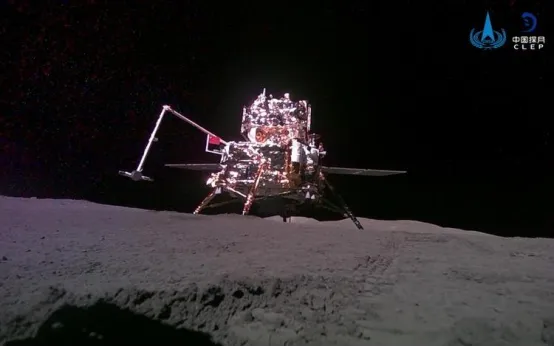
| Chang’e-7 | Launch postponed on August 23, 2026; the agency ruled out the planned window and gave no replacement date | Survey the south polar environment and resources. |
| Chang’e-8 | Around 2029, according to CNSA’s published schedule | Test local resource use and carry out international experiments. |
| Basic station | 2035 target | Establish the initial comprehensive research facility. |
| Expanded station | 2045 target in Wu’s April 2025 account | Extend the facility’s scale and capabilities. |
The official Chang’e-7 notice says the mission did not meet launch conditions. It gives no detailed cause. CNSA’s Chang’e-8 announcement specifies around 2029, while Wu’s interview supports the two station targets.
These are planning milestones. Each depends on successful spacecraft development, launch, landing, and subsequent operations. A commercial forecast tied to a China moonbase should account for delays between those stages.
The attraction is the combination of scientific interest and potentially useful resources. NASA’s September 2026 environmental reference explains that some polar locations receive extended sunlight, while permanently shadowed areas can preserve water ice and other frozen materials.
Those conditions create a difficult tradeoff. Favorable solar exposure and access to a scientifically valuable shadowed crater may require different operating locations. Terrain, temperature, and travel routes affect the equipment needed to connect them.
Ice alone cannot establish an economic supply chain. Resource assessments must determine distribution and accessibility before planners can assess extraction, processing, storage, and transport requirements. Site knowledge therefore directly affects engineering costs.
Russia’s December 2025 project presentation described a nuclear power unit for a lunar station, targeting 2036. Reuters subsequently reported a Roscosmos contract with Lavochkin intended to support Russian missions and the joint station’s infrastructure.
This is a concrete element of Russia-China space cooperation, with work still ahead. The station’s 2035 target and the power project’s 2036 target deserve separate tracking.
The reviewed announcements do not establish how those schedules will align or what initial operations would require from alternative energy sources.
Wu’s April 2025 technical update described a proposed Queqiao constellation integrating communication, navigation, positioning, timing, and scientific functions. China had begun feasibility studies for that broader system.
The practical implication is that instruments need more than a ride to the Moon. Their teams must plan how commands, measurements, and position information move between spacecraft, surface equipment, and Earth.
CNSA assigns Chang’e-8 experiments in local resource use. These tests can inform later decisions about processing lunar materials.
Useful measures would include repeatable output, energy consumed per unit, equipment wear, and maintenance needs. Such results would help establish which processes could support larger operations. They would also expose designs that work in a laboratory but struggle under mission constraints.
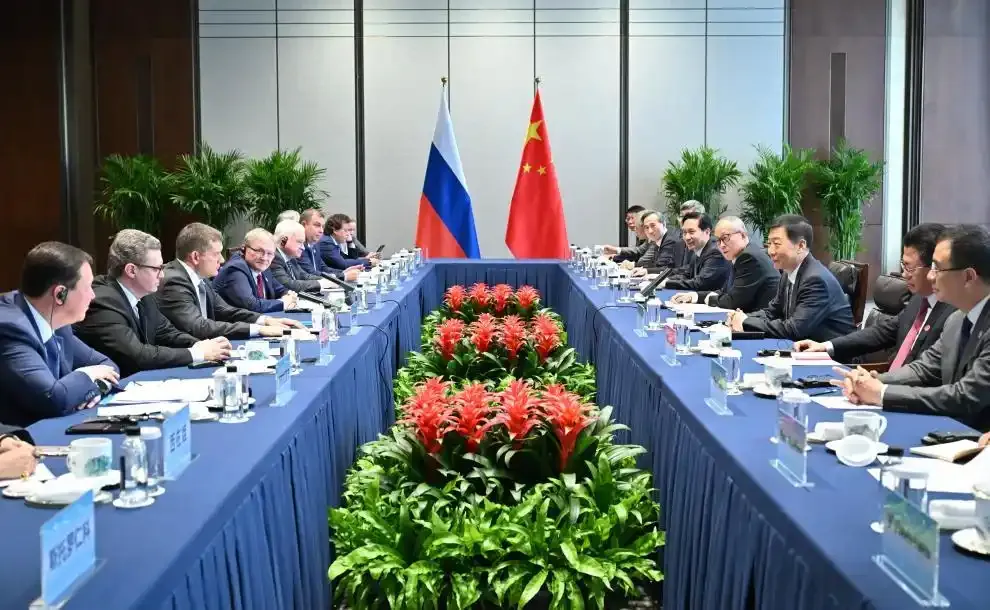
A CNSA update dated October 8, 2026 reports cooperation agreements with 17 countries and international organizations. That is a combined category, so it should not be taken as a claim that 17 national governments have joined.
Hardware commitments offer a more specific view of participation. CNSA’s 2025 selection announcement includes radio astronomy instruments from South Africa and Peru, alongside Italy’s laser retroreflector arrays.
The useful questions concern responsibility: which organization supplies an instrument, who integrates it, and what scientific work it enables. A partner count alone cannot reveal how technical work and financial commitments are distributed.
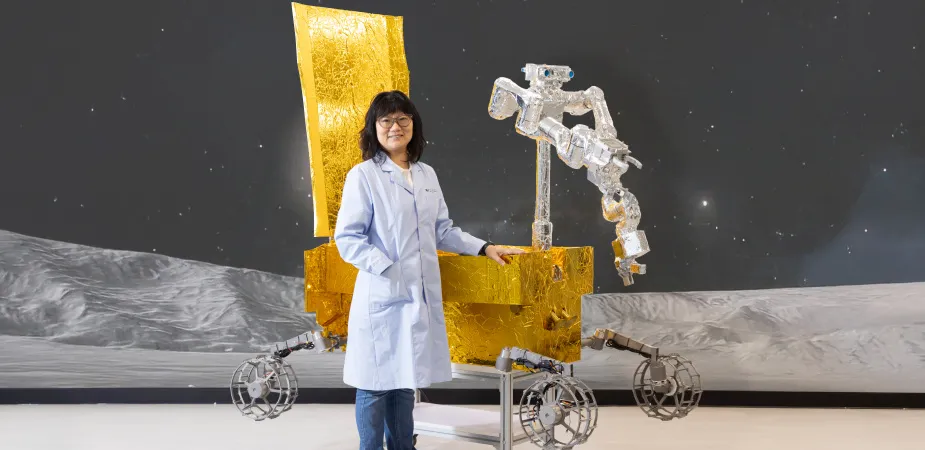
HKUST’s July 2026 engineering account describes a proposed robot with two arms for instrument deployment and sample collection. Its solar panels would also support a mobile charging function for other equipment.
The interesting feature is shared support capacity. A robot that installs instruments and supplies energy could affect how other payloads are designed and deployed. This remains a development objective; the cited account does not demonstrate lunar performance.
A separate October 22 notice invites domestic payload proposals for an uncrewed Lanyue lander flight before China’s crewed landing. It specifies an aggregate payload allowance of 50 kilograms and generally 100 watts per mission. Applicants must fund development and implementation, although the carriage itself carries no fee.
This belongs to the wider lunar program, rather than an ILRS procurement announcement. It nevertheless shows what a real participation opportunity specifies: eligibility, engineering limits, funding responsibilities, and a submission deadline.
The strongest lesson is how a large mission organizes technical development. Shared requirements give research teams specific problems to solve and create reasons to connect capabilities across institutions.
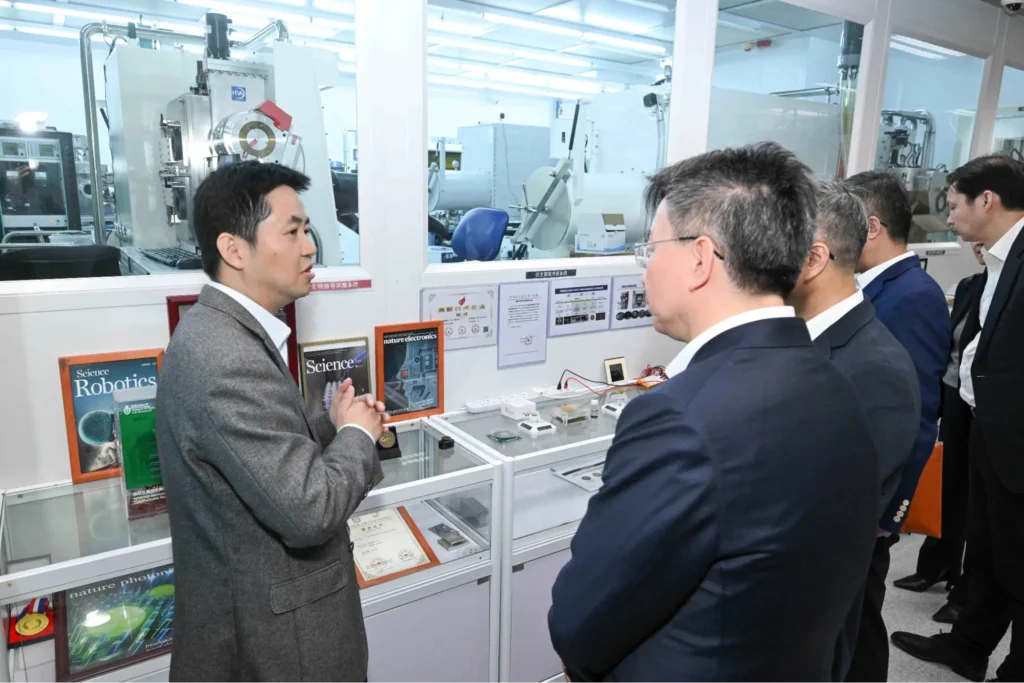
Evidence of that process exists on Earth. HKUST’s March 2026 agreement with Southeast University covers space robotics, deep-space energy systems, technology transfer, and talent development.
For a business assessing relevance, the next step is to identify a specific capability worth investigating, such as remote manipulation or energy management. Then examine test results, development partners, and a plausible customer need outside the lunar program.
That approach makes China’s research activity useful to commercial strategy without assuming that every space project will produce a marketable product.
The International Lunar Research Station raises a practical question: which developments in China deserve your team’s attention? ChoZan, founded by China digital economy expert Ashley Dudarenok, offers China research, expert calls, and tailored learning expeditions.
Explore our free reports for an initial briefing, or contact the team to discuss a focused research or learning program around your business priorities.
No. Tiangong operates in Earth orbit, while the proposed lunar station would include facilities on the Moon and in lunar orbit. They serve different missions, so a Tiangong announcement does not establish progress on lunar construction.
ILRS is a proposed research infrastructure project. The Artemis Accords set principles for responsible space exploration and cooperation. Because they serve different purposes, comparing participation totals alone gives a limited picture of national space capabilities.
A complete project budget was not available in the official material reviewed for this article. Treat any headline estimate carefully: it should specify the phase, participating organizations, included missions, currency, and publication date before comparison.
No. A cooperation announcement alone does not establish a purchase order or revenue. Ask for the contracting organization, agreed deliverables, payment terms, and development stage before treating a claimed program connection as a commercial opportunity.
Wu’s 2025 account describes plans to share scientific results and ground testing facilities. It does not provide a universal public release timetable. Researchers should confirm access conditions, publication arrangements, and data formats with the relevant project.
CNSA publishes project and international cooperation announcements, while the China Manned Space Agency publishes relevant flight notices. Check the original publication date and mission name. University announcements can provide additional detail about individual instruments and engineering teams.
Lunar dust can enter mechanisms and seals, obscure optical surfaces, and reduce radiator or solar array performance. NASA identifies dust protection and removal as important engineering requirements for equipment expected to operate repeatedly on the Moon.
The reviewed 2025 and 2026 program sources do not establish an approved commercial helium-3 production operation. Their stated resource-utilization objectives focus on research and experiments. A potential resource requires substantial additional evidence before a production claim.
CNSA’s April 2025 announcement identifies the Leibnitz-Beta Plateau near the Moon’s south pole as Chang’e-8’s target. That is a landing target, not confirmation that every component of the eventual station will occupy that location.
No. China’s stated goal of landing astronauts before 2030 concerns a crewed exploration mission. The station has a separate development roadmap. A successful landing would demonstrate important capabilities while leaving substantial infrastructure and operational work ahead.