Anna

XPeng electric SUV on display

XPeng Cars: Models, Smart EV Technology, and China’s Market Strategy

Founded in 2014 by He Xiaopeng (former CEO of UCWeb), XPeng Motors has quickly become one of China’s most innovative EV manufacturers. The company is expanding globally and filed its first GAAP profit in Q4 2025. XPeng focuses on software‑defined, intelligent EVs supported by its in‑house Turing AI chips and Vision‑Language‑Action (VLA) 2.0 software stack.  […]

XPeng Cars: Models, Smart EV Technology, and China’s Market Strategy Read More »

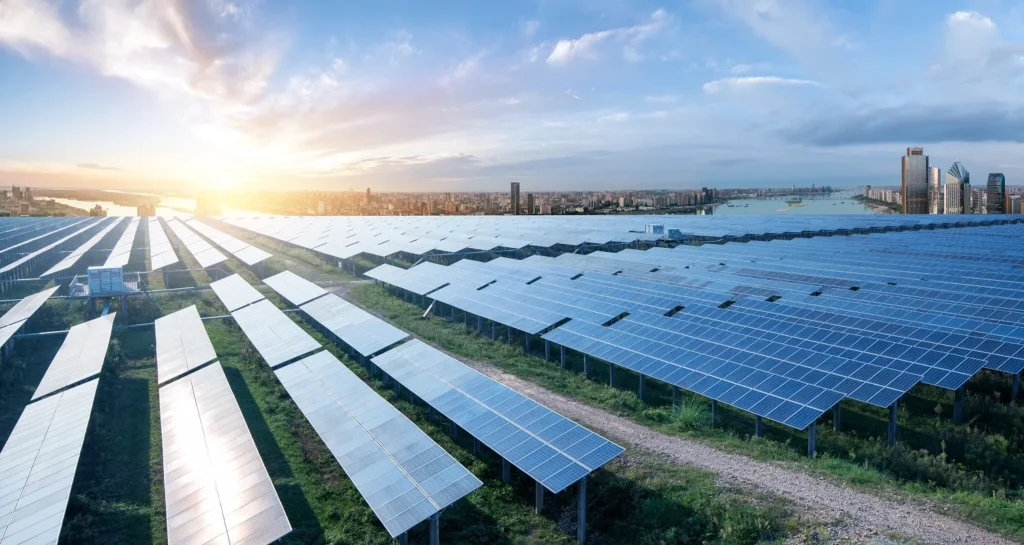
Exterior view of a CATL battery manufacturing facility with rooftop solar panels and large-scale industrial infrastructure in China.

CATL Sodium Ion Battery: Why It Matters for EVs, Storage, and Lithium Dependence

The CATL sodium-ion battery matters because it shifts the conversation about batteries from a chemistry curiosity to industrial deployment. In 2025, CATL introduced Naxtra as its sodium battery brand. In 2026, the story moved into real vehicles, energy storage orders, and production scale. That shift matters for automakers, utilities, and global supply chains. CATL said

CATL Sodium Ion Battery: Why It Matters for EVs, Storage, and Lithium Dependence Read More »

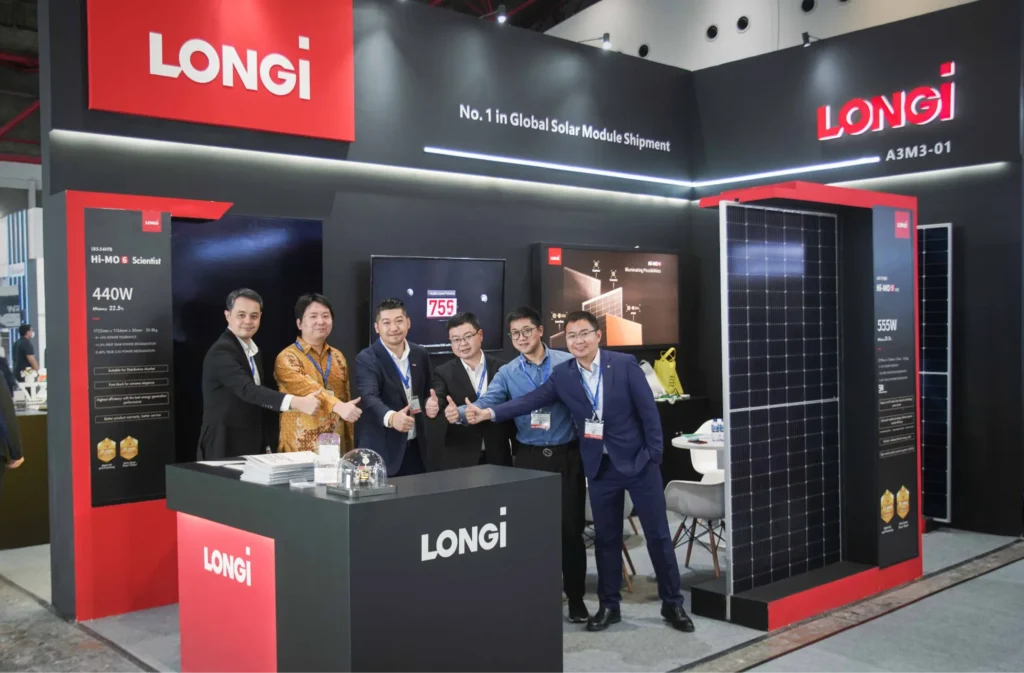
SAIC Motor company logo and branding display at an auto industry event

SAIC Motor EV Strategy: MG, IM Motors, Wuling, and China’s Global Push

SAIC Motor matters in 2026 because it shows how a large Chinese automaker can rebuild around electric-vehicle scale, export reach, and intelligent-vehicle platforms. The group has moved from a joint-venture-led model toward a broader portfolio led by MG, IM Motors, Wuling, Roewe, and SAIC Maxus. Its challenge now sits in execution. Each brand needs a

SAIC Motor EV Strategy: MG, IM Motors, Wuling, and China’s Global Push Read More »

Li Auto i6 electric SUV outside Changzhou manufacturing base

Li Auto Cars: Why Range Extenders Still Matter in China’s EV Market 

Li Auto entered China’s new‑energy vehicle market in 2019 and quickly distinguished itself with extended‑range electric vehicles (EREVs) designed for families. In April 2026, the company had delivered more than 34,085 vehicles and established a network of over 511 retail stores in 160 cities, plus 4,077 supercharging stations with 22,509 stalls in China.  Unlike battery‑only

Li Auto Cars: Why Range Extenders Still Matter in China’s EV Market  Read More »

xiaomi ev

Xiaomi EV: China’s Smartphone to Car Strategy and Market Impact

Xiaomi EV has become one of China’s most important smart mobility stories because it integrates cars, phones, AIoT, retail, and software into a single consumer system. In 2025, Xiaomi reported 411,082 vehicle deliveries and RMB 103.3 billion (US$15.2 billion) in smart EV revenue.  For 2026, the company set a 550,000-unit delivery target, making Xiaomi Auto

Xiaomi EV: China’s Smartphone to Car Strategy and Market Impact Read More »

NIO reaches one million EV production milestone in China.

NIO Cars: China’s Premium EV Company, Models and Battery‑Swapping Strategy

NIO Inc. is a Chinese electric‑vehicle (EV) company founded in 2014 with a mission to accelerate the premium EV segment. The company designs and sells smart electric sedans, SUVs, and compact models under three brands — NIO, ONVO, and Firefly.  In March 2026, NIO’s cumulative vehicle deliveries surpassed 1.08 million; its March 2026 delivery update

NIO Cars: China’s Premium EV Company, Models and Battery‑Swapping Strategy Read More »

Galbot service robot demonstrating home automation capabilities

Galbot G1 and What a Wheeled Humanoid Means for Operations

The most important story around Galbot G1 is operational fit. The ChoZan humanoid robotics report places Galbot inside the 2026 shift from demos to commercial deployment, with emphasis on wheeled mobility, item handling, uptime, and service environments. That framing matters because operations teams buy reliability before spectacle. A Beijing humanoid robot that moves on wheels

Galbot G1 and What a Wheeled Humanoid Means for Operations Read More »

Loona robot navigating a home environment.

KEYi Built Loona Robot to Win Elder Care With Companion AI

The 2026 robotics market is moving beyond spectacle into daily usefulness. In that context, the Loona robot matters because KEYi Tech is approaching robotics from the home first rather than the factory floor.  The ChoZan robotics report identifies KEYi Robotics in Beijing as the company behind Loona AI Companion Robot, with a focus on home

KEYi Built Loona Robot to Win Elder Care With Companion AI Read More »

Sanctuary AI Phoenix learning manipulation through teleoperation systems.

Sanctuary AI’s Phoenix Robot Is Already in Automotive Plants

Sanctuary AI sits in a practical corner of the humanoid race. Many companies compete on walking speed, stage demos, or lifelike design. Sanctuary AI focuses on a tougher enterprise question: can a robot learn useful physical work inside environments built for people? That question matters because 2026 is becoming the year of real humanoid deployment.

Sanctuary AI’s Phoenix Robot Is Already in Automotive Plants Read More »

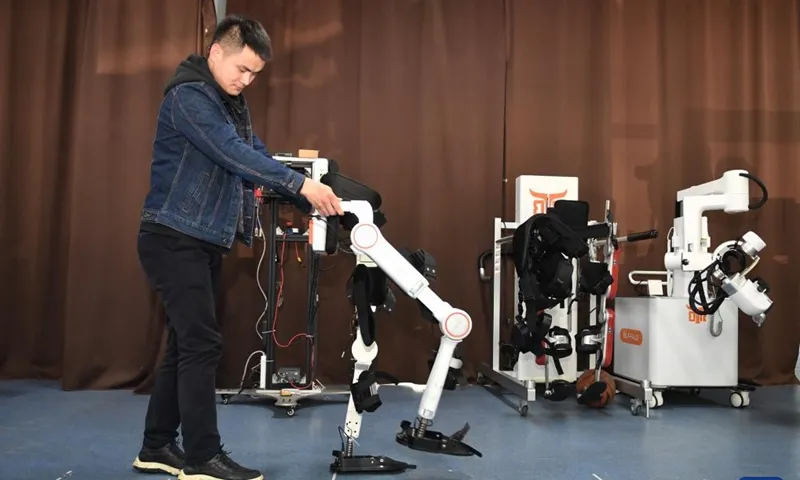
Fourier humanoid robots showcased at a robotics innovation center.

Fourier Intelligence’s Dual Market Bet on Humanoid Robots

Among the 2026 humanoid challengers, Fourier Intelligence deserves attention because its bet is on care systems. The Chozan 2026 humanoid robotics report focuses on the Shanghai company, healthcare, rehabilitation robotics, aging populations, and the GR3 Care Bot. That gives Fourier a different strategic path from factory-first humanoid brands. The important point is the market sequence.

Fourier Intelligence’s Dual Market Bet on Humanoid Robots Read More »