Anna

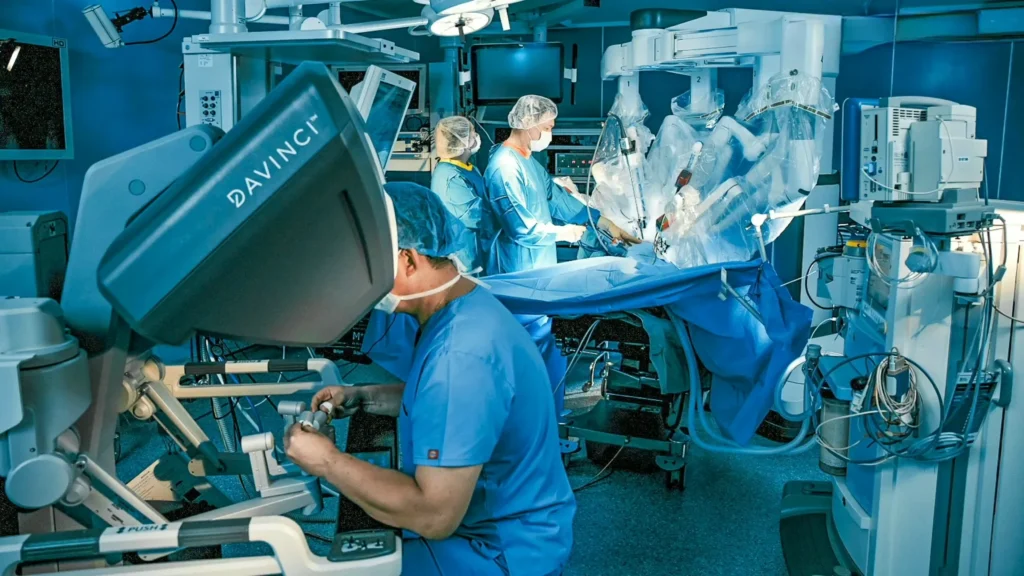
Robotic arms assisting surgeons during minimally invasive surgery.

Medical Robots in China: Surgical, Rehabilitation, and Hospital Automation Strategy

China’s medical robots sector is entering a more commercially disciplined phase. Product approval still matters, but hospitals now look closely at clinical value, physician training, service pricing, workflow integration, safety evidence, and long-term operating costs. The policy framework is also becoming clearer. In July 2025, China’s National Medical Products Administration announced plans to develop classification

Medical Robots in China: Surgical, Rehabilitation, and Hospital Automation Strategy Read More »
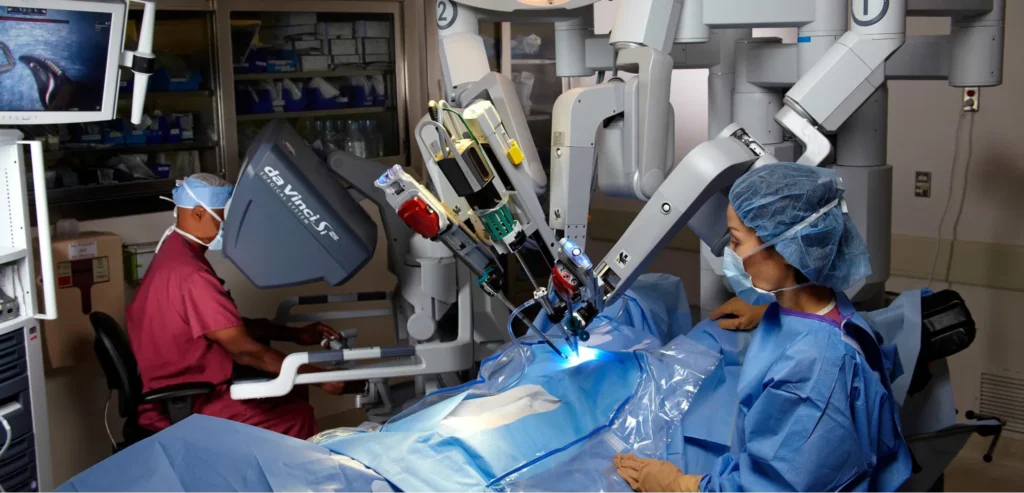
Da Vinci robot assisting surgery

Surgical Robots in China: Companies, Hospitals, and Robotic Surgery Adoption

China’s market for surgical robots has entered a decisive commercial phase. Hospitals are no longer evaluating these systems mainly as experimental technology. Purchasing decisions now center on clinical value, approved indications, surgeon training, system reliability, instrument costs, and local technical support. Public tender activity offers a useful view of this shift. According to MedChina’s analysis

Surgical Robots in China: Companies, Hospitals, and Robotic Surgery Adoption Read More »

Aerial view of Jinhua city and river

Jinhua China: Leapmotor, Yiwu, and the EV Industrial Cluster to Watch

The map of China’s new energy vehicle manufacturing is being redrawn. While Shenzhen, Shanghai, and Hefei have long dominated the conversation, a quieter but more formidable force has emerged in central Zhejiang. Jinhua, China, has transformed from a traditional manufacturing hub into one of the country’s most dynamic NEV industrial clusters.  The 2025 numbers are

Jinhua China: Leapmotor, Yiwu, and the EV Industrial Cluster to Watch Read More »

Beijing skyline at night

Beijing, China: AI Research, Zhongguancun, Robotics Policy, and the Capital’s Innovation System

Beijing, China, has entered a new phase of technology development. The capital is connecting fundamental research, artificial intelligence, advanced computing, open source platforms, industrial policy, public testing, and commercialization more tightly than before. Official estimates place Beijing’s 2025 core AI industry at RMB 450 billion, with more than 2,500 AI companies concentrated in the city. 

Beijing, China: AI Research, Zhongguancun, Robotics Policy, and the Capital’s Innovation System Read More »

Guangzhou China skyline with bridge and river view

Guangzhou China: EVs, Mobility, Bio Island, and the Greater Bay Area Innovation Hub

Guangzhou China enters 2026 with a clearer innovation identity. Its growth agenda now places intelligent electric vehicles, artificial intelligence, biomedicine, low-altitude mobility, embodied intelligence, and cell and gene technologies within a single industrial system. Guangzhou’s economy reached 3.2 trillion yuan in 2025 and grew 4 percent year on year. This matters because Guangzhou combines industrial

Guangzhou China: EVs, Mobility, Bio Island, and the Greater Bay Area Innovation Hub Read More »

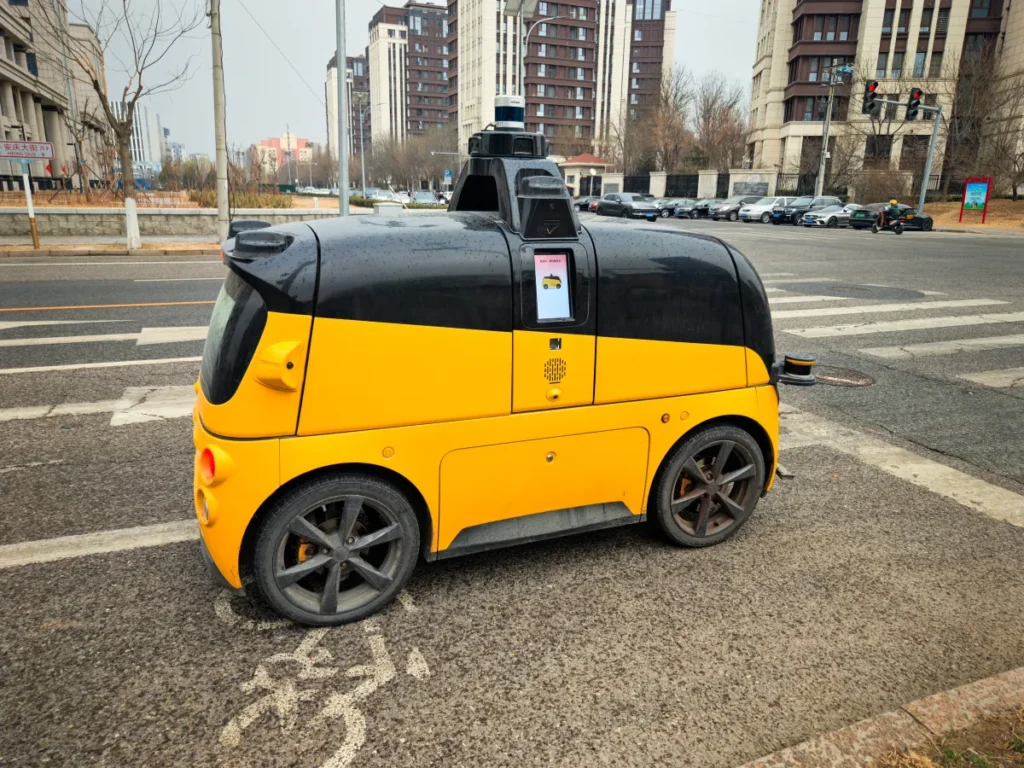
Yellow delivery robot parked near crosswalk

Food Delivery Robots in China: Restaurants, Retail, and Last Mile Automation

China’s food delivery robots are moving from novelty to serious commercial infrastructure. In 2025, the story is no longer about cute machines rolling through shopping malls. It is about cost pressure, instant retail competition, labor intensity, urban logistics, and platform companies trying to protect margins in one of the world’s most demanding delivery markets. China’s

Food Delivery Robots in China: Restaurants, Retail, and Last Mile Automation Read More »

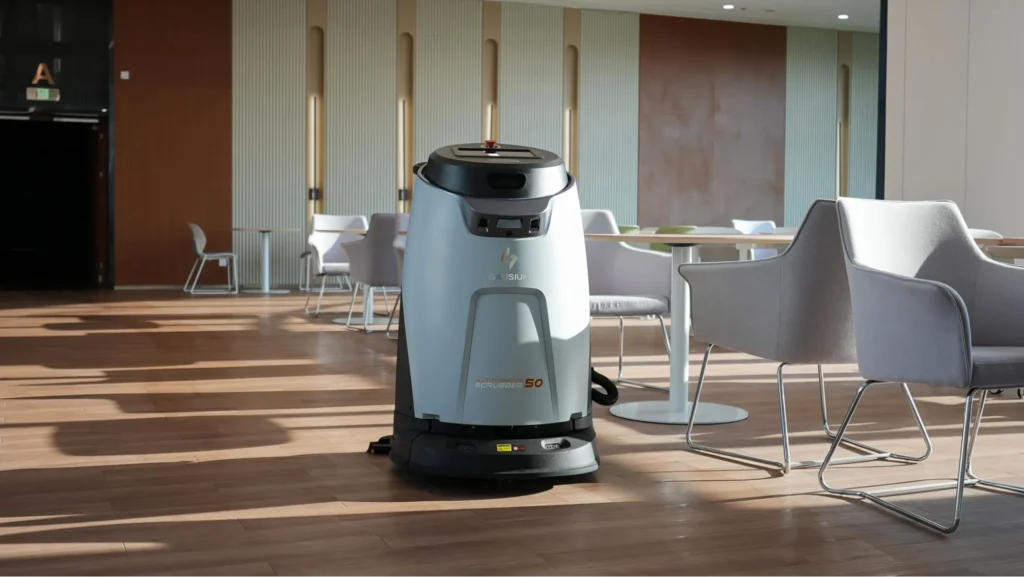
Gausium scrubber in lounge area

Floor Cleaning Robots in China: Commercial Automation, Gausium, and Pudu

The global commercial cleaning industry is undergoing a structural transformation, and China sits at the epicenter. Floor cleaning robot adoption in commercial settings has shifted from novelty to operational necessity.  According to IDC data, global commercial cleaning robot shipments reached approximately 58,000 units in 2025, representing 83.8% year-over-year growth, with the market size exceeding USD

Floor Cleaning Robots in China: Commercial Automation, Gausium, and Pudu Read More »

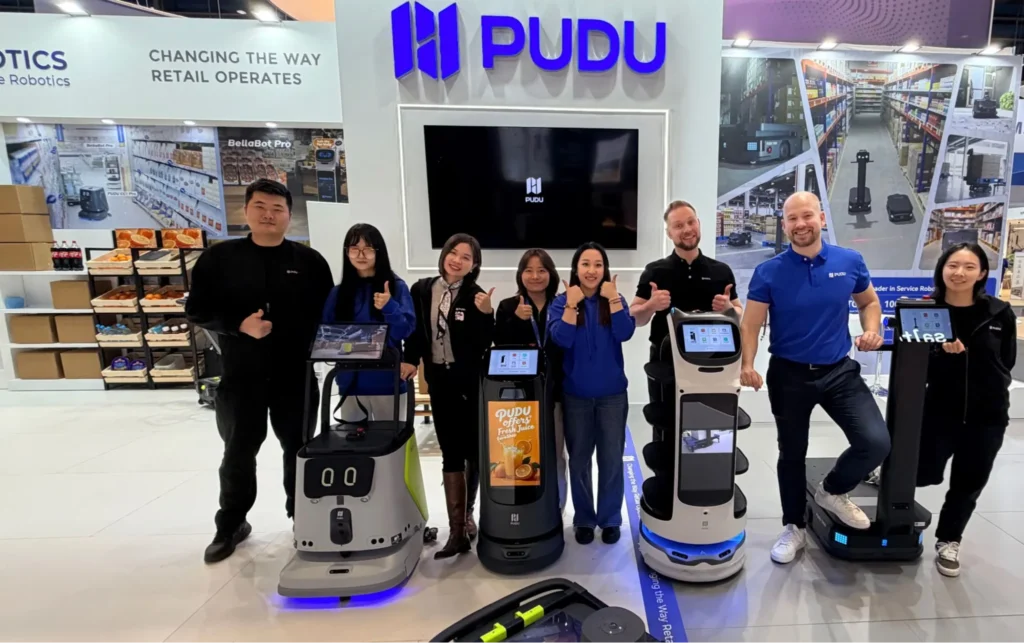
Pudu Robotics team at trade booth

Pudu Robotics: China’s Service Robot Company for Restaurants, Hotels, and Cleaning

China’s service robotics sector is moving from novelty to operating infrastructure. Pudu Robotics matters because its machines already work inside restaurants, hotels, retail sites, healthcare facilities, and large commercial properties. The Shenzhen company focuses on repeatable tasks such as food delivery, room delivery, dish collection, floor care, and internal transport. The timing is important. China

Pudu Robotics: China’s Service Robot Company for Restaurants, Hotels, and Cleaning Read More »

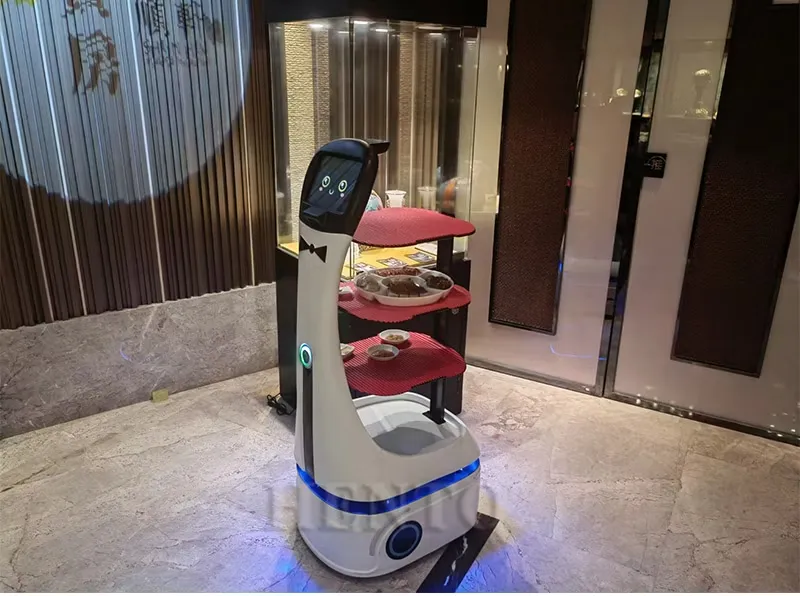
Robot waiter carrying meal trays indoors

Robot Waiters in China: Restaurant Automation, Pudu, Keenon, and Service ROI

China’s restaurant industry is no longer experimenting with automation. The question has shifted from “if” to “how fast” and “how much.” In 2025, the country’s service robot market was projected to reach $40 billion, with growth at a compound annual rate of 17.1 percent to $195 billion by 2035. For restaurant operators facing relentless labor

Robot Waiters in China: Restaurant Automation, Pudu, Keenon, and Service ROI Read More »

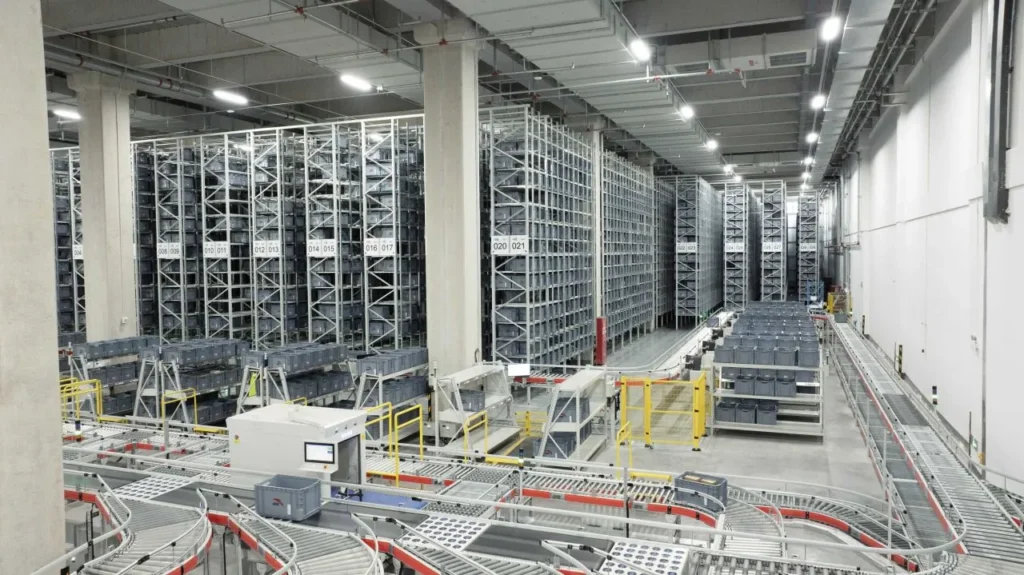
HaiPick robot system with tall storage racks

Hai Robotics: China’s Case-Handling Robot Company and Warehouse Automation Strategy

The global warehouse automation industry has reached an inflection point. Labor shortages, rising e-commerce complexity, and margin pressure have forced logistics operators to rethink their approach to storage and fulfillment.  In China, where wage inflation and demographic shifts are reshaping the manufacturing and logistics landscape, one company has emerged as a defining force. Hai Robotics,

Hai Robotics: China’s Case-Handling Robot Company and Warehouse Automation Strategy Read More »