Uncategorized

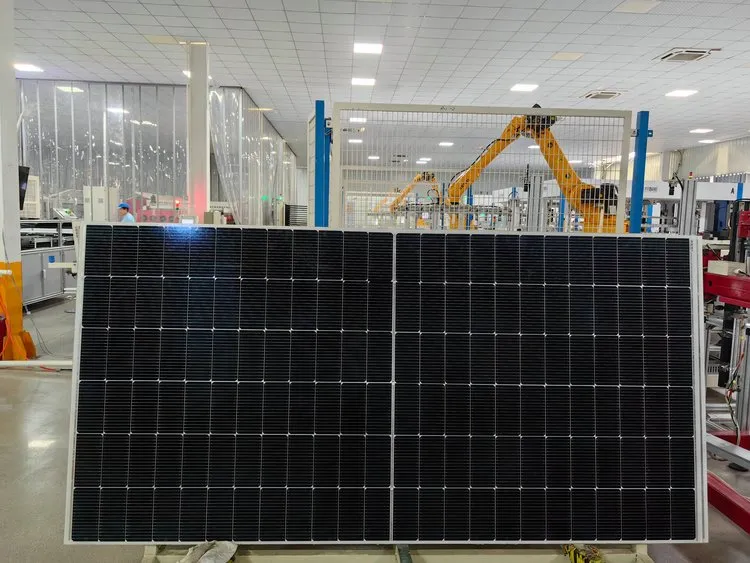
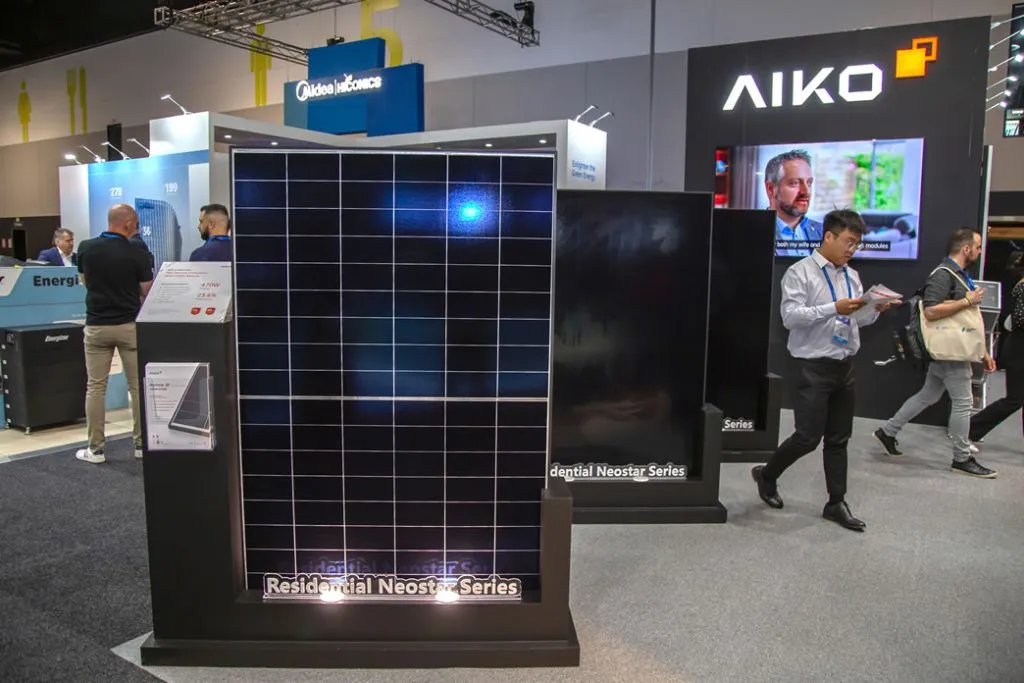
AIKO Neostar solar panel displayed at a clean energy trade show.

AIKO Solar Panels: Why ABC Technology Changes Module Design

AIKO Solar Panels use N-type All Back Contact cells that place electrical contacts behind the cell instead of across its light-facing surface. The change increases usable light-receiving area, creates a uniform black face, and supports higher power density. AIKO’s current Neostar 3P54 reaches 500 W and 25% module efficiency in a format under two square

AIKO Solar Panels: Why ABC Technology Changes Module Design Read More »
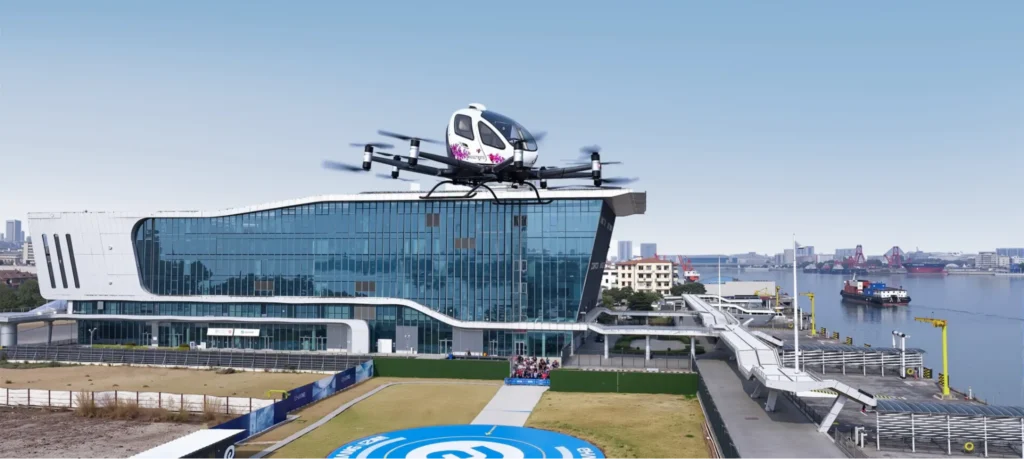
EHang eVTOL flying at sunset over a forest site

EHang eVTOL: Certification, Aircraft and Commercialization

The EHang eVTOL has achieved what no other urban air mobility (UAM) company has: full type certification from a major civil aviation authority. In early 2025, the Civil Aviation Administration of China (CAAC) granted EHang the world’s first production certificate for an unmanned eVTOL, moving the sector from prototype speculation to commercial reality.  Its EH216-S

EHang eVTOL: Certification, Aircraft and Commercialization Read More »

Aerial view of solar panel arrays across green rural farmland

Growatt: From Solar Inverters to Distributed Energy Systems

Growatt has developed from an inverter-focused Chinese manufacturer into a distributed energy systems supplier. Its current portfolio connects PV conversion, battery storage, backup power, EV charging, and digital energy monitoring across homes and commercial sites.  The shift matters because the inverter now acts as a control point within a wider system, rather than as a

Growatt: From Solar Inverters to Distributed Energy Systems Read More »

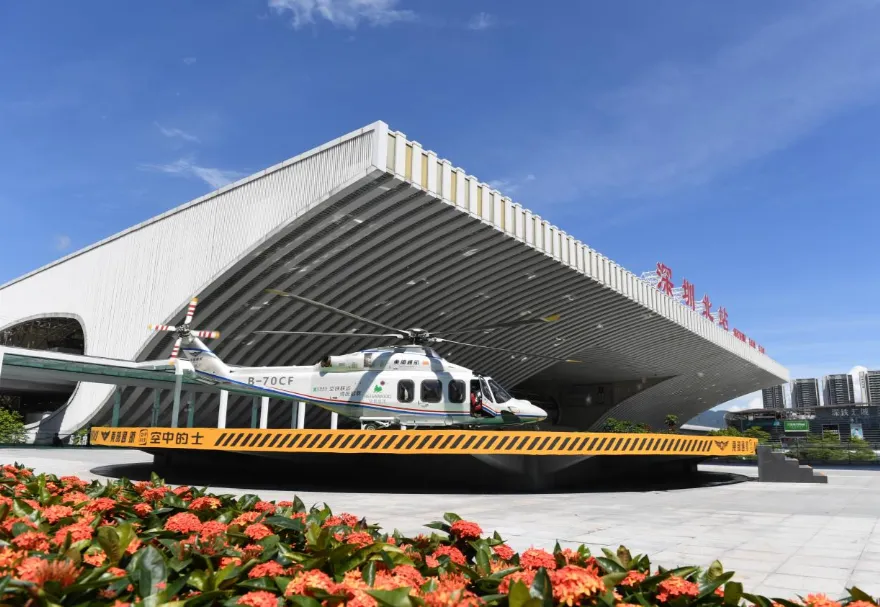
Helicopter parked outside a low altitude transport terminal

China’s Low-Altitude Economy: Industries, Policy and Market Scale in 2026

China’s low-altitude economy covers economic activity built around crewed and uncrewed aircraft operating in lower airspace, usually within 1,000 meters of the ground. It includes drones, electric vertical takeoff and landing aircraft, general aviation, aircraft manufacturing, digital traffic systems, ground infrastructure, and flight services. The subject matters because China is developing policy, hardware, connectivity, air-traffic

China’s Low-Altitude Economy: Industries, Policy and Market Scale in 2026 Read More »

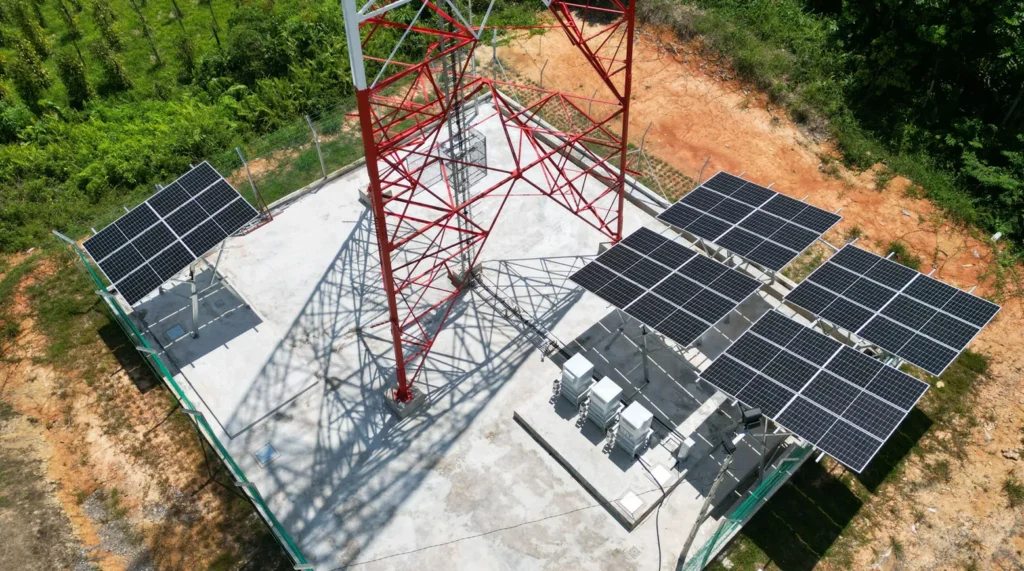
Solar panels powering equipment near a telecom tower

Huawei Solar Inverters: Inside the FusionSolar Energy Stack

Huawei Solar Inverters sit at the power-conversion and control core of FusionSolar, Huawei Digital Power’s integrated system for PV generation, battery storage, backup, charging, and energy management.  The architecture spans residential SUN2000 controllers, commercial string inverters, a 506 kW utility platform, LUNA2000 batteries, optimizers, SmartGuard, SmartAssistant, and software.  Coordination can simplify delivery and plant management,

Huawei Solar Inverters: Inside the FusionSolar Energy Stack Read More »

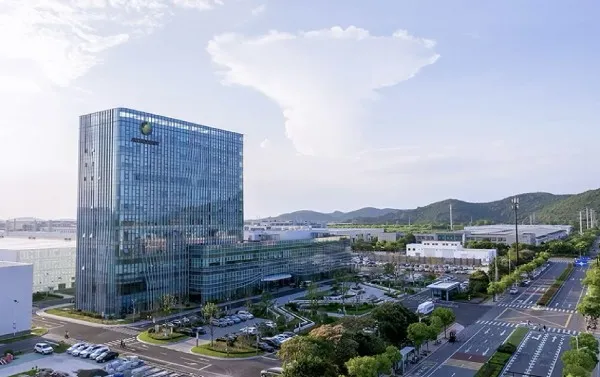
Modern Astronergy office and manufacturing campus with glass building and surrounding roads.

Astronergy: N-Type Modules, CHINT Roots and Factory Scale

Astronergy is the photovoltaic cell and module manufacturing business under China’s CHINT Group. Its current proposition combines n-type TOPCon products, 12 manufacturing bases in China, Thailand, and Turkey, and more than 170 GW of cumulative module shipments as of 2025. Its newest ASTRO N7 3.0 and N7s 3.0 products use TOPCon 5.0 cells, larger rectangular

Astronergy: N-Type Modules, CHINT Roots and Factory Scale Read More »

TOPCon solar panel in a factory

TOPCon Solar Panels: Inside the N-Type Cell Architecture

A TOPCon solar panel uses cells built on n-type silicon with an ultrathin oxide layer and doped polysilicon contact. These layers reduce carrier recombination while allowing electrical charge to move out of the cell efficiently. The result is higher voltage, conversion efficiency, and energy density than conventional PERC architecture can usually deliver. This matters because

TOPCon Solar Panels: Inside the N-Type Cell Architecture Read More »

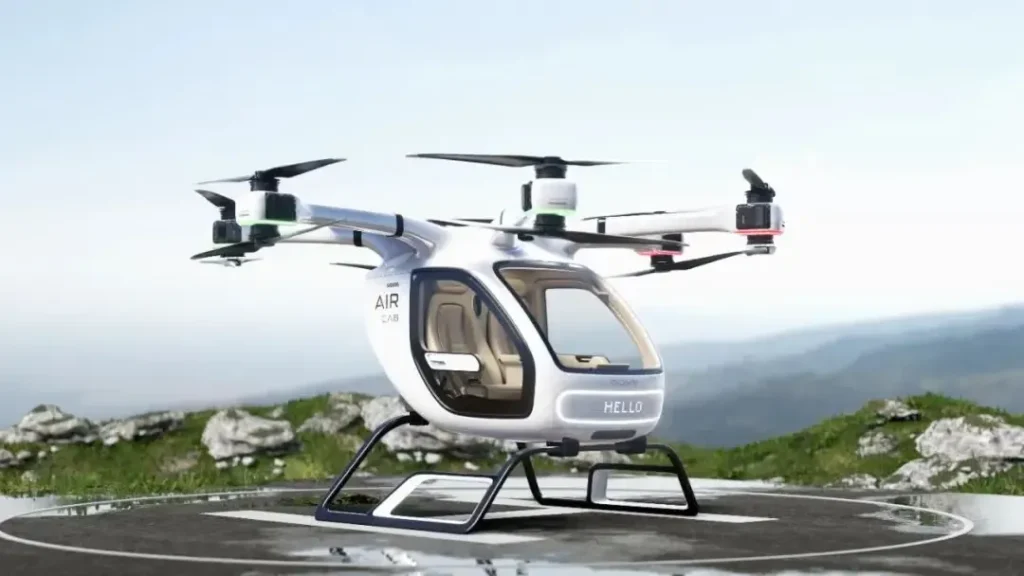
Compact air cab parked on a mountain helipad

Are There Flying Cars in China? Companies, Certification and Commercial Rollout

Yes, flying cars exist in China, and they are further along toward commercial deployment than any other market globally. By mid-2026, multiple Chinese companies have secured production certifications, completed regulatory test flights, and begun pre-sales of electric vertical takeoff and landing (eVTOL) aircraft. This is no longer speculative technology—it is a functioning industry with clear

Are There Flying Cars in China? Companies, Certification and Commercial Rollout Read More »

JA Solar building exterior with company logo

JA Solar: How Cell Technology Shapes Its Module Strategy

JA Solar builds its module strategy from the cell outward. Its mass market engine is n-type TOPCon, commercialized through DeepBlue 5.0 for high power, bifacial yield, and lower system cost. Its next route is back contact technology for space-constrained, premium distributed projects.  Cell architecture now influences site density, heat performance, degradation, rear-side generation, balance of

JA Solar: How Cell Technology Shapes Its Module Strategy Read More »

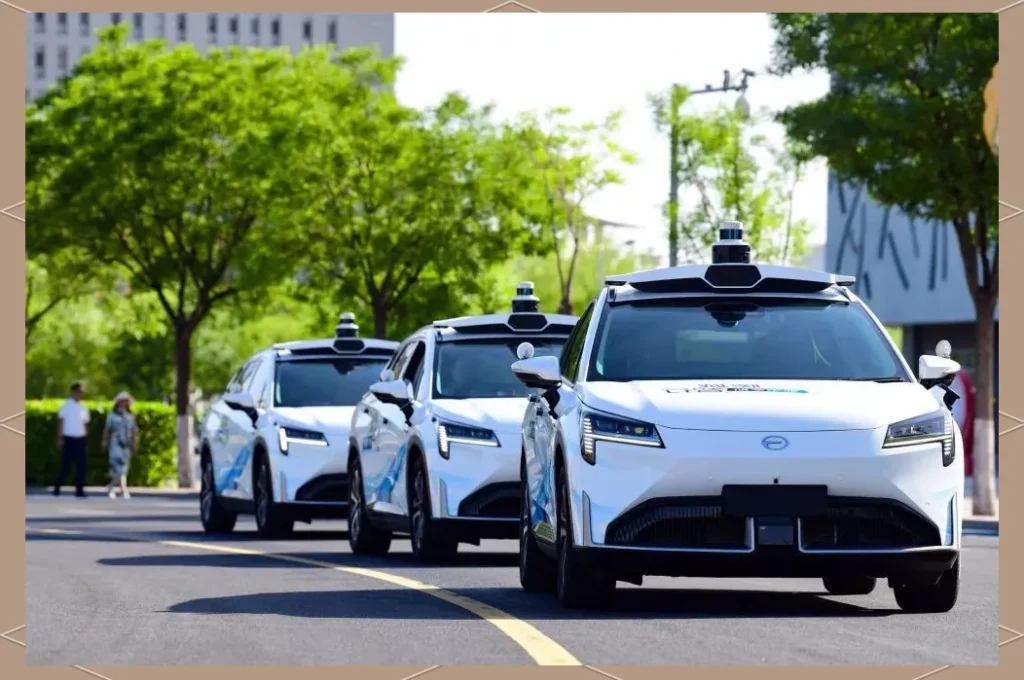
Autonomous robotaxi cars driving in a smart mobility fleet

Smart Mobility in China: Transport as a Digital Platform

Smart mobility in China connects transportation services, infrastructure, energy networks, and operational data through digital systems. Passengers can plan journeys across multiple transport modes, operators can respond to changing demand, and cities can coordinate vehicles, roads, and public services. The commercial opportunity extends beyond manufacturing electric vehicles or installing roadside sensors. Increasingly, value comes from

Smart Mobility in China: Transport as a Digital Platform Read More »