CONTENT

NMPA China refers to the National Medical Products Administration, China’s national regulatory body for medical devices and the authority responsible for drug registration. For any company seeking market access in China’s healthcare sector, NMPA China approval is the single most important regulatory milestone.
In 2025, the agency approved 14,187 medical devices and IVDs, an 8.0% increase over 2024, alongside a record volume of drug registrations. The regulatory framework underwent its most significant overhaul in nearly a decade during 2025, introducing revised supervision regulations, updated GMP standards, and accelerated review pathways.
Recent Chinese NMPA reforms make early regulatory planning commercially valuable. A sound entry strategy connects product development, authorization, and post-launch responsibilities.
China divides devices into three risk classes. China medical device regulations distinguish domestic products from imported devices when assigning the filing or registration authority.
| Device class | Risk level | Domestic product route | Imported product route | Typical examples |
| Class I | Low | Municipal filing | NMPA filing | Bandages, examination gloves |
| Class II | Moderate | Provincial registration | NMPA registration | Diagnostic reagents, powered wheelchairs |
| Class III | Higher | NMPA registration | NMPA registration | Implantable pacemakers, artificial heart valves |
The Regulations on the Supervision and Administration of Medical Devices (State Council Order No. 739 of 2021, amended with effect from January 20, 2025) establish these distinctions.
A familiar overseas category is not a sufficient basis for a China budget. Confirm the Chinese category against the exact product configuration and proposed claims. A diagnostic function, treatment indication, or software feature deserves attention before the commercial team settles its positioning.
For medical device approval in China, this assessment should produce a written decision: the category, responsible authority, applicable guidance, and remaining technical questions.
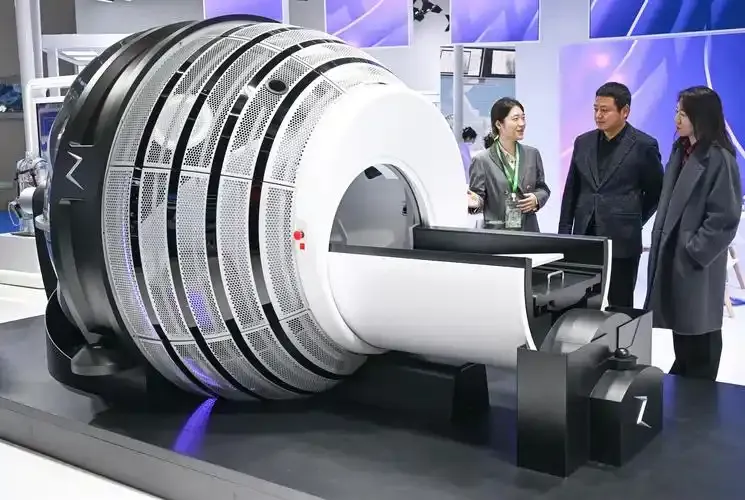
Overseas applicants must designate a legal entity in mainland China. Treat that appointment as an operational decision. Agree who maintains records, answers regulator questions, manages product changes, and coordinates safety issues. These responsibilities should remain workable if a commercial relationship changes.
Your planning document should also identify who controls the underlying evidence and who can authorize its use. This is practical preparation for registering medical devices in China.
Core dossier materials include risk analysis, technical requirements, testing reports, clinical evaluation where required, labeling, and quality system documentation. Clinical evaluation can use suitable existing clinical literature and data; inadequate evidence can trigger a trial requirement.
NMPA published a revised clinical evaluation exemption catalogue in May 2025. Confirm that the exact product meets the applicable entry and conditions before assuming an exemption.
NMPA also issued registration self-testing inspection guidance in September 2025. A plan involving applicant testing needs documented capability and compliance with the relevant requirements.
Build an evidence matrix that connects each proposed claim to its supporting test, study, or justified exemption. The matrix turns China’s medical device regulatory requirements into an actionable work plan.
Before the regulatory submission, check consistency across product names, models, intended use, technical specifications, and supporting reports. Assign an owner to each unresolved issue and reserve time for technical review questions.
A dossier should tell one coherent story about what the product does, how it performs, and how the manufacturer controls its risks. Contradictory claims deserve correction before submission.
For Class II and III applications, technical assessment supports the authority’s registration decision. Applicable quality system verification forms part of this process. Submission acceptance alone does not authorize commercial sale.
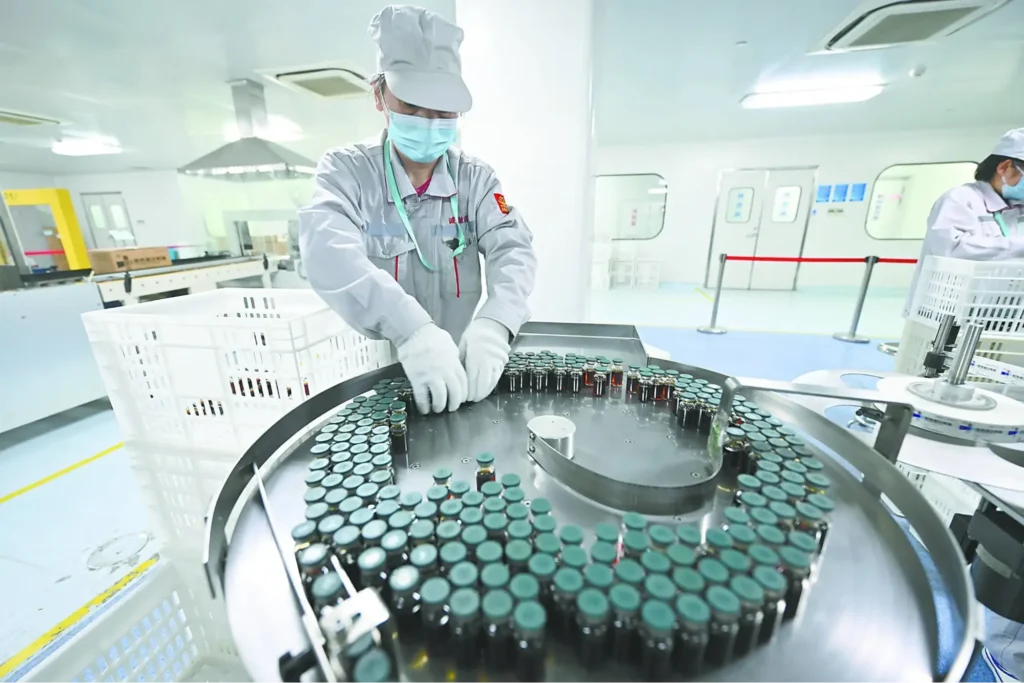
Drug approval follows a separate development pathway. NMPA’s Center for Drug Evaluation, or CDE, evaluates clinical trial and marketing authorization applications. Trial permission, ethics review, study execution, and the eventual marketing application represent distinct stages.
The marketing application must support the drug’s quality, safety, and efficacy, with the applicable pharmaceutical, nonclinical, and clinical information. The development team should work backward from that evidence package when designing its research program.
NMPA’s 2025 innovative drug announcement provides a 30-working-day review route for eligible Class I innovative drug clinical trial applications. Applicants must satisfy the specified eligibility criteria and commit to initiating the trial within 12 weeks of approval. Complex technical issues or expert consultation can extend review to 60 working days.
The official policy interpretation confirms that the standard 60-working-day implicit approval mechanism remains in effect. The shorter route concerns permission to conduct a qualifying trial. It does not promise marketing approval within 30 days.
A development team considering this route should align site readiness, ethics arrangements, investigational supply, and recruitment planning with that commitment. Faster regulatory review has commercial value when the study can start promptly.
China’s revised Drug Administration Law implementing regulations took effect on May 15, 2026. They set requirements for research quality, sponsor responsibilities, marketing authorization holders, and post-approval oversight, while providing accelerated mechanisms for eligible applications.
Updated Good Clinical Practice requirements took effect on September 1, 2026, incorporating ICH E6(R3) principles, according to NIH’s current regulatory update. Development plans should reflect current drug-regulation rules, including obligations that continue through the product lifecycle.
Separate the authority’s review period from the complete development and registration schedule. Evidence generation, testing, document preparation, applicant responses, and operational readiness belong in the project plan.
Ask for a budget divided into defined work packages: regulatory assessment, testing, clinical work where required, dossier preparation, official fees, local representation, and ongoing compliance. Request the assumptions behind each estimate.
For investment decisions, use milestones rather than one promised launch date. A useful sequence is route confirmation, evidence readiness, submission acceptance, regulatory decision, and commercial readiness. Set a contingency for unresolved technical questions and identify which spending commitments can wait until those questions close.
Product registration and distribution authorization address different activities. Class I distribution requires neither a device distribution license nor filing. Class II generally requires filing, subject to listed exemptions; Class III requires a distribution license.
Under China’s medical device regulations, registrants and filing holders selling their own products are exempt from separate distribution licensing or filing, though applicable operating conditions still apply.
Before signing a channel agreement, establish who stores products, checks suppliers, maintains traceability, handles complaints, and coordinates recalls. Assess the partner’s capacity against the proposed product and sales model. A distribution relationship needs clear responsibilities alongside its revenue targets.
NMPA’s June 2025 measures supporting advanced medical devices prioritize areas including medical robots, advanced imaging, artificial intelligence, and new biomaterials. The measures call for earlier technical engagement, regulatory research, and improvements to review processes.
These priorities suggest China is developing more of the institutional support that a medical technology hub needs. They give global companies concrete subjects to study: how developers connect engineering choices with clinical evidence, how regulators address emerging technologies, and where local research capabilities could inform product development.
The commercial lesson is to assess China during R&D planning. Compare intended users, clinical workflows, evidence needs, and local alternatives before committing to a product adaptation. A credible market access strategy starts with a specific unmet need and a defensible product claim.
Your NMPA China plan should connect regulatory preparation with a clear understanding of customers and competition. ChoZan offers China market research, expert dialogues, and learning expeditions to support business understanding.
Explore our reports and resources or book a consultation to discuss the commercial questions behind your China strategy.
A medical device registration certificate is valid for five years. Submit a renewal application at least six months before expiry. Set an internal deadline earlier so the team can review updated standards and any outstanding certificate conditions.
Overseas research data can support drug registration under the 2026 implementing regulations when it meets NMPA requirements. Assess the evidence against those requirements before assuming an international dossier answers every Chinese regulatory question.
Eligible manufacturers can follow NMPA’s 2025 localization policy for approved imported Class II and III devices. Certain existing registration materials may support the domestic application, subject to ownership conditions, authorization, and quality system requirements.
Medical devices can be sold online, subject to requirements for the seller, product, and channel. NMPA’s 2025 inspection guidelines address sellers and platform operators. Confirm quality management responsibilities before opening an online store.
Some updates can follow change registration. NMPA’s 2025 measures support streamlined change registration where core algorithms remain unchanged, and performance improves. Assess each update against applicable criteria before deciding its submission route or release date.
The revised medical device Good Manufacturing Practice standard takes effect on November 1, 2026. Its expanded requirements address quality assurance, validation and verification, and outsourced manufacturing. Manufacturers should assess their systems before that effective date.
Check the specific adjustment notice and its transition arrangements. NMPA’s 2026 procedures distinguish implementation dates from transition deadlines. The correct filing or registration response depends on the product, the category change, and the applicable notice.
Eligible rare disease drugs may receive up to seven years of exclusivity under the 2026 implementing regulations, subject to NMPA’s specific conditions and a supply commitment. Failure to honor that commitment terminates the exclusivity period.
CMDE offers consultations for eligible domestic Class III developers and qualifying Chinese entities established by imported device applicants. Check the central or regional center’s scope, appointment requirements, and submission format before requesting technical advice.
FDA clearance and CE marking do not replace Chinese authorization. Imported products still need the applicable filing or registration. Assess how overseas documentation supports China’s requirements for the exact device and its intended use.