CONTENT

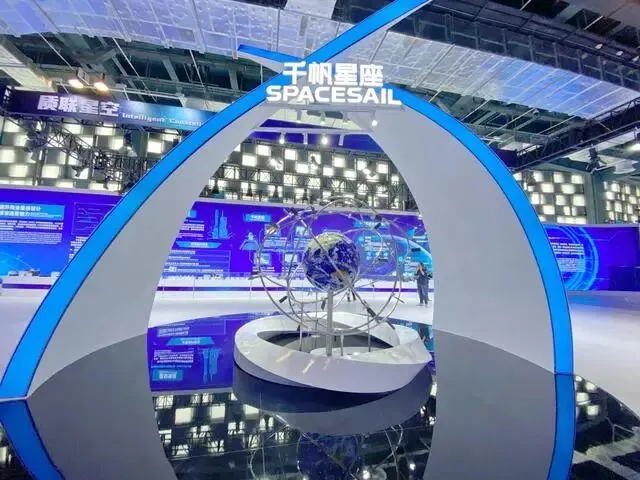
SpaceSail is the Chinese company building and operating Qianfan, also known as Thousand Sails, a low Earth orbit satellite network designed to provide broadband connectivity. Shanghai Spacesail Technologies, formerly Shanghai Spacecom Satellite Technology, operates it.
China’s Ministry of Industry and Information Technology confirmed 238 satellites launched by July 5, 2026. That figure measures deployment, rather than the number delivering commercial service.
The business significance extends beyond another Starlink competitor. The project connects Shanghai’s manufacturing ambitions with overseas telecom distribution and aviation connectivity. Its progress offers a practical test of China’s ability to turn industrial capacity into an international communications service.

The Qianfan constellation comprises satellites intended to work together as a broadband network. Songjiang’s government describes the network as commercially oriented and globally focused.
The project launched in 2023 with 6.7 billion yuan (US$943 million) in initial funding from the Shanghai Municipal Government. Its goal goes beyond commercial connectivity.
China Qianfan addresses three strategic priorities:
Its stated customers include markets participating in the Belt and Road Initiative and Chinese companies expanding overseas.
This positioning gives the project a specific commercial direction: connectivity that can accompany overseas business operations. Potential buyers should assess the service available at their locations, rather than infer coverage from the network’s global ambition.
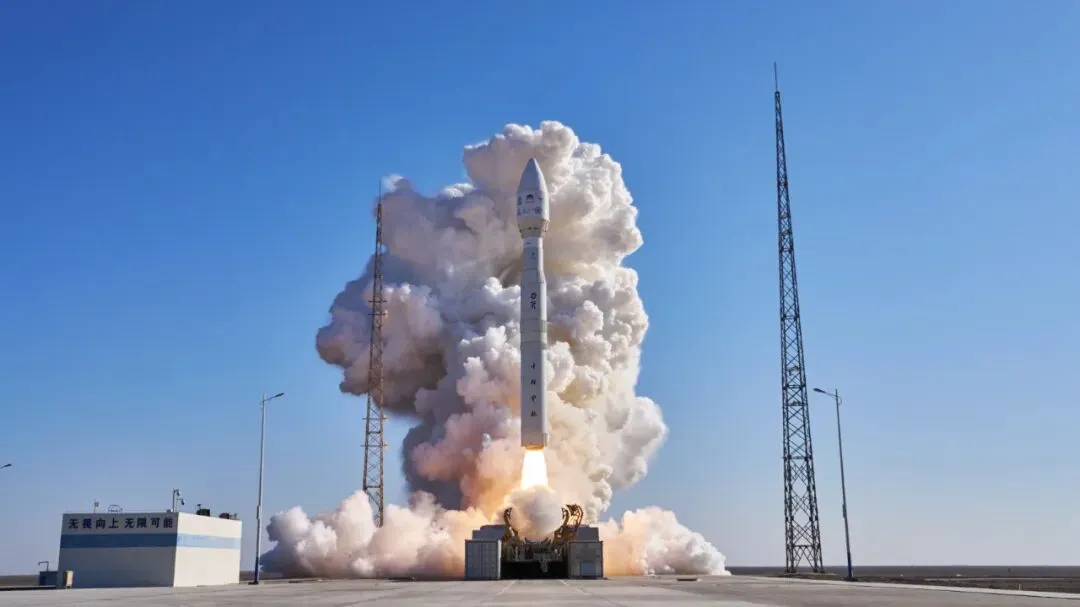
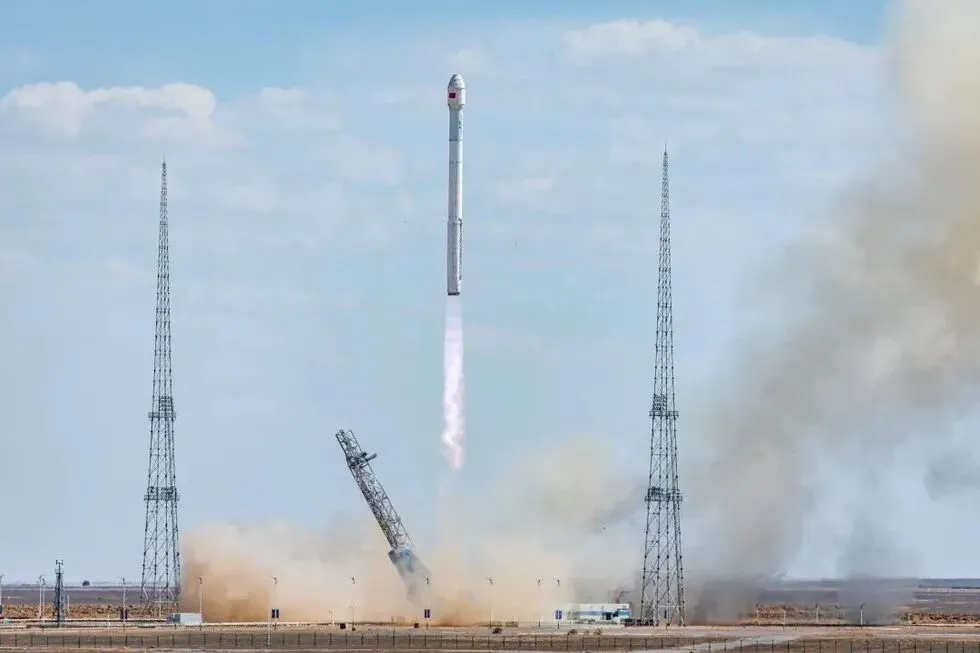
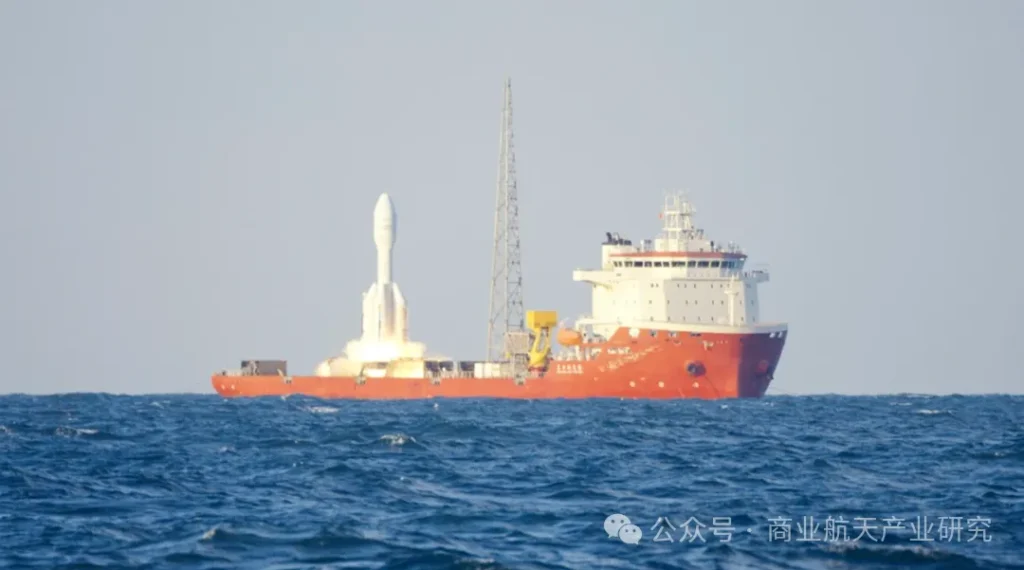
On July 5, 2026, a Long March 8A rocket launched 20 network satellites from the Hainan commercial space launch site. MIIT’s announcement the following day brought the cumulative total to 238. It also confirmed domestic frequency coordination and the issuance of satellite radio station and frequency permissions.
The previous official milestone was 200 satellites after launches on June 4 and 5. Those missions carried 18 satellites each, using Long March 6A and Long March 8 rockets.
The sequence shows progress across different launch vehicles. It does not establish a dependable monthly launch cadence. A short burst of activity provides limited evidence about the schedule that can continue throughout a year.
Three quantities answer different questions: satellites launched, satellites working in their intended positions, and capacity available to paying customers.
The July announcement establishes the first quantity. It does not publish a complete operational inventory or audited customer throughput.
The same discipline applies to future scale. Songjiang describes a plan exceeding 10,000 satellites. That remains a deployment ambition. A procurement decision needs evidence of local availability, installation readiness, and service commitments.
Shanghai’s April 2025 commercial aerospace measures set 2027 citywide annual manufacturing capacity targets of 1,000 commercial satellites, 100 commercial rockets, and one million application terminals. These are industrial targets across Shanghai, rather than achieved output or capacity belonging exclusively to SpaceSail.
The policy connects rockets, satellites, terminals, and services. It prioritizes components including phased-array antennas, inter-satellite laser terminals, communications payloads, and satellite electronics. It also supports satellite factories and terminal production.
This approach treats constellation manufacturing as a coordinated supply-chain task. Satellite production depends on component suppliers, testing, integration, and launch access. Customer adoption adds another requirement: terminals that are practical to install and support.
The strategic implication is that factory expansion alone cannot establish competitiveness. The commercial test is the cost of delivering dependable connectivity after launch, including equipment, installation, and support expenses.

Qianfan satellite internet services have moved beyond testing. SpaceSail’s CTO Li Guotong confirmed successful trials in Malaysia, Mongolia, and Kazakhstan, demonstrating stable video streaming and video calls.
MEASAT announced a memorandum of understanding on February 6, 2025, covering potential LEO broadband collaboration in Malaysia and other Asian markets where it operates. Its scope includes research and possible integration with MEASAT’s existing satellite services.
The agreement illustrates a partner-led route into regional markets. An established provider can connect new satellite capacity with customer relationships and service delivery.
The wording remains significant. An MoU establishes intended cooperation. It does not prove a completed rollout, paying subscribers, or guaranteed revenue.
Airbus announced an MoU on December 4, 2025, to integrate the future network into its HBCplus inflight connectivity offering. The announcement describes an additional connectivity option for airline customers and highlights demand from Chinese airlines.
This creates a potential route into aircraft connectivity. The business opportunity depends on integration and airline adoption. The announcement itself does not confirm that passengers already receive SpaceSail satellite broadband aboard commercial flights.
Brazil offers a more concrete market-access milestone. TELETIME reported that Anatel formalized authorization in April 2026 for up to 324 satellites, valid until July 31, 2031.
Tele. Síntese reported on May 29 that operations were expected during 2026. That statement describes an expected start, rather than independently verified commercial availability.
The authorized 324 satellites represent the scope of Brazil’s permission. They should not replace the deployment total or the company’s eventual constellation ambition.

Starlink provides the established competitive reference. Reuters’ June 2026 reporting described a substantial deployment gap between Starlink and China’s two major networks. Raw fleet size, however, cannot answer every purchasing question.
| Comparison Area | Evidence to Request |
| Local service | An orderable package and confirmed installation date |
| Performance | Measurements at the intended site during busy periods |
| Commercial terms | Equipment costs, recurring fees, data allowances, and support |
| Operational continuity | Contractual availability commitments and outage procedures |
These are recommended evaluation criteria, rather than claims about either provider’s unpublished performance.
The MEASAT and Airbus agreements suggest a route into existing service ecosystems. That can make channel relationships commercially meaningful before the network reaches enormous scale. The opportunity still depends on partners converting intended cooperation into working products.

The next useful evidence will come from customer delivery. A launch announcement answers an engineering question. A signed service contract, completed installation, and documented operating results answer a business question.
A sensible evaluation should begin with one defined location and application. A remote industrial site has different requirements from an airline fleet. Each needs its own performance threshold, support model, and acceptable interruption level.
The network’s progress also warrants attention from equipment and service suppliers. Shanghai’s policy explicitly links manufacturing with terminals and applications, creating a framework for supplier development. Commercial interest should follow confirmed requirements and orders.
SpaceSail has established measurable deployment progress and credible partner relationships. Its next commercial test is converting those assets into a dependable service customers can purchase, deploy, and renew.
SpaceSail shows how Chinese industrial policy, supplier development, and overseas partnerships can shape a new international business. The practical question is how those changes affect a company’s market position and technology decisions.
ChoZan’s China research, expert calls, and learning expeditions help teams examine China’s technology development in context. Our reports offer a starting point for broader exploration.
Book a consultation to discuss the questions most relevant to your business.
The sources reviewed do not establish a broadly available consumer ordering service. Ask an authorized local provider for a published package, installation requirements, support arrangements, and a confirmed activation date before making purchasing plans.
No verified, generally applicable retail tariff emerged from the reviewed sources. Request an itemized quote covering the terminal, installation, monthly service, taxes, data allowances, and replacement equipment. Competitor quotes cannot establish this network’s costs.
MEASAT’s February 2025 agreement includes potential direct-to-device collaboration. That agreement alone does not confirm compatibility with consumer smartphones. Check the specific service, supported handset models, mobile operator arrangements, and commercial availability before assuming a phone will connect.
The reviewed announcements provide no verified assurance of compatibility with Starlink equipment. Treat terminal interoperability as an open procurement question. Obtain written confirmation for the exact antenna, modem, firmware, and subscription before reusing existing hardware.
MEASAT’s agreement includes a joint study of rain-related signal weakening on Q/V-band transmissions. This makes weather performance a relevant question. Ask for local testing results and the provider’s availability commitments during seasonal rainfall.
Request documentation identifying traffic routes, gateway locations, encryption arrangements, administrative access, and applicable contractual terms. A general statement about secure connectivity cannot answer these questions. Assess the proposed service against the organization’s specific data requirements.
The G60 constellation is an alternate name for Qianfan, referencing the G60 Science and Technology Innovation Corridor in Shanghai where SpaceSail’s satellite manufacturing facility operates.
MEASAT’s 2025 MoU identifies satellite-based Internet of Things as a potential collaboration area. Prospective users should request confirmed device support, message limits, power requirements, and service availability for the intended deployment before selecting equipment.
Ask the operator for current information on collision avoidance, satellite health monitoring, disposal plans, and responses to failed spacecraft. These questions help assess operational accountability without assuming that a larger constellation automatically demonstrates better reliability.
Request separate figures for equipment, installation, connectivity, integration, and support. Include internal testing time and an exit option if acceptance criteria fail. A limited trial budget should reflect the specific application and the proposed commercial terms.